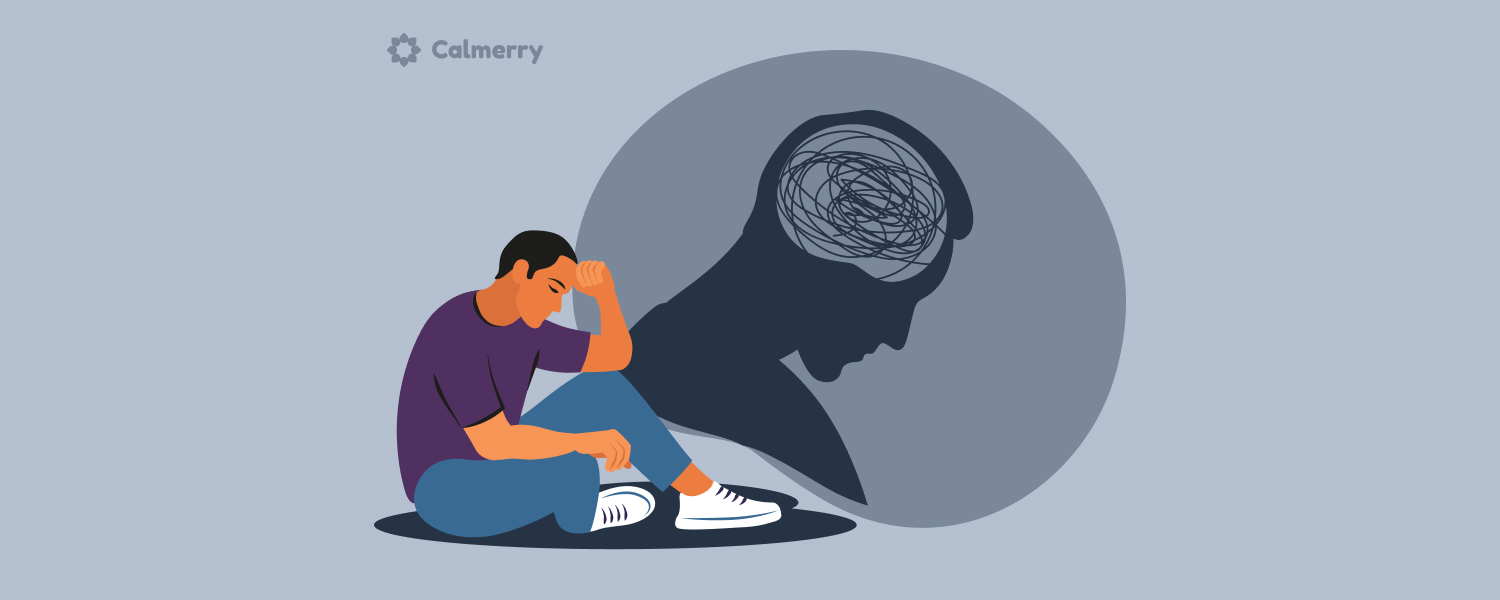
Real Stories: How Men Turned Their Mental Health Around

For many men, mental health struggles do not look like sadness or tears. They often show up as anger, emotional numbness, workaholism, isolation, addiction, or physical complaints. Social expectations around masculinity—“be strong,” “don’t talk,” “handle it yourself”—push many men to suffer silently for years.

This article shares real-life inspired stories (names changed for privacy) that reflect common patterns seen in counseling rooms. These stories show that healing is possible, not through sudden transformation, but through awareness, support, and small, consistent changes.

Story 1: “I Didn’t Know I Was Depressed Because I Was Still Functioning”

– Rakesh, 38, Corporate Professional

Rakesh had a stable job, a family, and financial security. From the outside, everything looked fine. Inside, he felt empty, irritable, and disconnected. He worked long hours, avoided emotional conversations, and snapped at his wife and children.

He didn’t identify as “depressed” because he was still going to work and meeting responsibilities. It was only after recurring headaches, insomnia, and a panic episode that he sought help.

Turning Point

In therapy, Rakesh realized he was experiencing high-functioning depression. He had learned early in life that emotions were weakness, so he coped by suppressing them.

What Helped

  • Psychoeducation about male depression

  • Learning emotional language

  • Weekly therapy sessions

  • Setting boundaries at work

Outcome

Over time, Rakesh reported feeling more present, less irritable, and emotionally available to his family. His biggest realization:

“I wasn’t broken—I was exhausted from pretending I was okay.”

Story 2: “Anger Was Easier Than Admitting I Was Hurt”

– Imran, 42, Small Business Owner

Imran was known for his temper. Family members described him as “short-fused” and “controlling.” What no one saw was his unprocessed childhood trauma—a violent home and constant emotional invalidation.

Whenever he felt criticized or ignored, his nervous system reacted as if he was under threat. Anger became his shield.

Turning Point

After his marriage reached the brink of separation, Imran agreed to counseling—reluctantly.

What Helped

  • Trauma-informed therapy

  • Understanding anger as a secondary emotion

  • Learning grounding and regulation skills

  • Exploring childhood emotional neglect

Outcome

Imran didn’t “lose” his anger—he learned to understand it. His reactions softened, and his relationships became less conflict-driven.

“Anger was protecting me. Once I felt safe, I didn’t need it as much.”

Story 3: “I Felt Like a Failure Because I Lost My Job”

– Suman, 35, IT Professional

When Suman was laid off during an economic downturn, his self-worth collapsed. He stopped socializing, avoided family gatherings, and felt deep shame. He believed:

“If I’m not earning, I’m nothing.”

His anxiety increased, sleep reduced, and he began withdrawing emotionally from his partner.

Turning Point

A friend encouraged him to speak to a counselor, framing it not as weakness but as support.

What Helped

  • Challenging identity tied only to productivity

  • Career counseling combined with emotional support

  • Routine building during unemployment

  • Normalizing grief around job loss

Outcome

Suman eventually found new work, but more importantly, he rebuilt a healthier sense of self not solely tied to income.

“Losing my job broke my confidence—but rebuilding it changed my life.”

Story 4: “I Didn’t Know How Lonely I Was Until I Spoke About It”

– Arjun, 29, Single, Living Alone

Arjun rarely talked about his feelings. He spent most evenings scrolling on his phone, gaming, or watching shows. He didn’t feel sad—just numb and disconnected.

He believed loneliness was something “weak people” complained about.

Turning Point

During a health checkup, the doctor asked about stress and sleep. For the first time, Arjun admitted he felt invisible.

What Helped

  • Normalizing male loneliness

  • Group therapy sessions

  • Building offline social routines

  • Learning to initiate emotional conversations

Outcome

Arjun didn’t suddenly become extroverted, but he developed meaningful connections.

“Loneliness wasn’t the absence of people—it was the absence of connection.”

Common Themes Across These Stories

Despite different backgrounds, these men shared common experiences:

  • Emotional suppression

  • Shame around vulnerability

  • Identity tied to productivity or control

  • Delayed help-seeking

  • Fear of being judged

And common healing factors:

  • Being heard without judgment

  • Understanding emotions, not fighting them

  • Safe therapeutic relationships

  • Small, consistent lifestyle changes

Why These Stories Matter

Men often don’t seek help until:

  • Relationships break down

  • Physical symptoms appear

  • Anger becomes unmanageable

  • Burnout sets in

Sharing real stories reduces stigma and sends a powerful message:

You don’t have to reach a breaking point to ask for help.

A Message to Men Who Are Struggling

You don’t need to have the “right words.”
You don’t need to be falling apart.
You don’t need to do this alone.

Mental health recovery is not about becoming someone else—it’s about becoming more yourself, with support.

Final Thought

These stories are not about dramatic transformations. They are about men choosing honesty over silence, support over isolation, and healing over endurance.

you can Also Read

7 Signs You Need to Talk to a Therapist — Don’t Ignore These

Top 7 Tools Men Can Use to Track Their Mental Wellness


10 Common Mental Health Challenges in Men—and How to Address Them

https://calmerry.com/wp-content/uploads/2021/05/depression-in-men.jpg?utm_source=chatgpt.com
Introduction

Mental health challenges in men are often hidden, minimized, or misunderstood. Social expectations frequently teach men to be strong, silent, and self-reliant. As a result, emotional distress is commonly suppressed rather than expressed. Many men struggle silently—until symptoms appear as anger, withdrawal, substance use, physical complaints, or burnout.

Research consistently shows that men are less likely to seek psychological help, yet they face significant mental health risks, including higher suicide rates and untreated emotional distress. Understanding the unique ways mental health challenges present in men is crucial for early support, prevention, and recovery.

This article explores 10 common mental health challenges in men and provides practical, psychologically grounded ways to address them, suitable for individuals, families, counselors, and mental health educators.

Why Men’s Mental Health Often Goes Unnoticed

Men are often conditioned to:

  • Hide vulnerability

  • Avoid emotional expression

  • View help-seeking as weakness

  • Prioritize responsibility over self-care

As a result, mental health symptoms may look different in men than in women—often showing up as irritability, aggression, risk-taking, workaholism, or emotional shutdown rather than sadness or tearfulness.

Recognizing these patterns is the first step toward change.

1. Depression in Men

How It Commonly Appears

Depression in men is often underdiagnosed because it may not look like classic sadness.

Common signs include:

  • Persistent irritability or anger

  • Emotional numbness

  • Loss of interest in work or relationships

  • Fatigue and sleep disturbances

  • Withdrawal and isolation

Men may describe feeling “empty,” “tired,” or “burnt out” rather than “sad.”

How to Address It

  • Normalize emotional expression without judgment

  • Encourage routine and structure

  • Promote physical activity and sleep hygiene

  • Seek counseling or therapy early

  • Challenge beliefs that emotions equal weakness

2. Anxiety Disorders

How It Commonly Appears

Anxiety in men often manifests as:

  • Restlessness

  • Overthinking

  • Muscle tension

  • Difficulty relaxing

  • Avoidance of situations

Some men mask anxiety through overworking or controlling behavior.

How to Address It

  • Learn grounding and breathing techniques

  • Reduce caffeine and stimulants

  • Practice stress-management strategies

  • Cognitive-behavioral therapy (CBT) is highly effective

  • Normalize anxiety as a human experience

3. Anger and Emotional Dysregulation

Why It Happens

Many men were taught that anger is the only acceptable emotion, while sadness or fear were discouraged. As a result, emotional pain often gets expressed as anger.

Signs include:

  • Frequent irritability

  • Explosive reactions

  • Difficulty calming down

  • Relationship conflicts

How to Address It

  • Identify underlying emotions beneath anger

  • Learn emotional labeling skills

  • Practice pause-and-response techniques

  • Therapy focused on emotional regulation can help

  • Develop healthy outlets (exercise, journaling, conversation)

4. Stress and Work-Related Burnout

https://hbr.org/resources/images/article_assets/2022/10/A_Nov22_03_Men-mental-health_1341999505.jpg?utm_source=chatgpt.com

Why Men Are Vulnerable

Many men tie self-worth closely to:

  • Career success

  • Financial responsibility

  • Productivity

Chronic work stress can lead to:

  • Emotional exhaustion

  • Detachment

  • Reduced motivation

  • Physical health problems

How to Address It

  • Set realistic work boundaries

  • Redefine productivity beyond constant output

  • Take regular breaks and leave

  • Develop identity beyond work

  • Seek support before burnout becomes severe

5. Substance Use and Addiction

Why It’s Common

Men are more likely to use substances to:

  • Numb emotional pain

  • Manage stress

  • Avoid vulnerability

This may include alcohol, smoking, drugs, or behavioral addictions (gaming, gambling).

How to Address It

  • Address underlying emotional distress

  • Reduce shame around seeking help

  • Encourage non-judgmental conversations

  • Combine therapy with lifestyle changes

  • Seek specialized addiction support if needed

6. Loneliness and Social Isolation

How It Develops

As men age, friendships often reduce due to:

  • Work pressure

  • Family responsibilities

  • Emotional withdrawal

Loneliness in men is strongly linked to depression and poor physical health.

How to Address It

  • Rebuild social connections intentionally

  • Encourage shared activities rather than only “talk”

  • Maintain friendships outside work

  • Normalize emotional closeness among men

7. Relationship and Intimacy Difficulties

Common Challenges

Men may struggle with:

  • Emotional expression

  • Vulnerability

  • Communication

  • Fear of rejection

Unresolved emotional patterns often affect romantic relationships.

How to Address It

  • Learn emotional communication skills

  • Explore attachment patterns

  • Couples counseling when needed

  • Practice active listening

  • Address fears of intimacy gradually

8. Trauma and Unresolved Childhood Experiences

Why It’s Often Overlooked

Men may minimize past trauma, especially:

  • Childhood abuse

  • Emotional neglect

  • Bullying

  • Family violence

Unprocessed trauma can lead to anger, avoidance, or emotional shutdown.

How to Address It

  • Trauma-informed therapy

  • Safe emotional expression

  • Understanding triggers

  • Gradual processing of past experiences

  • Building emotional safety

9. Low Self-Esteem and Identity Struggles

Common Sources

  • Unrealistic masculine ideals

  • Comparison and performance pressure

  • Failure or job loss

  • Relationship breakdown

Low self-esteem in men may show as defensiveness or withdrawal.

How to Address It

  • Separate self-worth from achievement

  • Identify strengths beyond productivity

  • Practice self-compassion

  • Challenge negative self-beliefs

  • Work with a counselor if patterns persist

10. Suicide Risk and Hopelessness

https://sp-ao.shortpixel.ai/client/q_glossy%2Cret_img%2Cw_300/https%3A//mindthemen.co.uk/wp-content/uploads/2019/11/mind-the-men-asset_logo-300x300.png?utm_source=chatgpt.com

Critical Reality

Men are at higher risk of suicide, often due to:

  • Untreated depression

  • Emotional isolation

  • Reluctance to seek help

Warning signs may include:

  • Withdrawal

  • Talking about feeling like a burden

  • Risk-taking behavior

  • Sudden calm after distress

How to Address It

  • Take warning signs seriously

  • Encourage immediate professional support

  • Maintain open, non-judgmental communication

  • Crisis intervention when needed

  • Community and family support are vital


Breaking the Stigma Around Men’s Mental Health

True strength lies in:

  • Emotional awareness

  • Asking for help

  • Setting boundaries

  • Choosing healing over silence

When men are allowed to be emotionally human, mental health outcomes improve dramatically.


How Families and Society Can Support Men

  • Encourage emotional conversations

  • Avoid shaming vulnerability

  • Model healthy coping

  • Promote mental health education

  • Normalize therapy and counseling

Supportive environments save lives.

Conclusion

Men experience mental health challenges just as deeply as anyone else—often in quieter, less visible ways. Depression, anxiety, anger, burnout, addiction, and loneliness are not personal failures; they are human responses to stress, expectations, and unmet emotional needs.

Addressing men’s mental health requires awareness, compassion, early support, and cultural change. With the right tools and support, men can heal, grow, and thrive emotionally.

Mental health care is not a weakness—it is a responsibility toward oneself and those who depend on us.

Frequently Asked Questions (FAQ)

10 Common Mental Health Challenges in Men—and How to Address Them


1. Why are mental health issues in men often overlooked?

Men are often socialized to suppress emotions and appear strong or self-reliant. As a result, distress may show up as anger, withdrawal, substance use, or overworking rather than openly expressed sadness or anxiety—making it easier to miss.


2. What are the most common mental health challenges men face?

Common challenges include depression, anxiety, anger and emotional dysregulation, work-related burnout, substance use, loneliness, relationship difficulties, unresolved trauma, low self-esteem, and increased suicide risk.


3. How does depression look different in men?

Depression in men may appear as irritability, emotional numbness, fatigue, sleep problems, withdrawal, or loss of interest in work or relationships rather than visible sadness or crying.


4. Is anger a sign of poor mental health in men?

Anger can be a sign of underlying emotional distress. Many men were taught to express anger instead of sadness or fear, so unresolved pain may surface as irritability or outbursts.


5. Why do many men avoid seeking mental health support?

Common barriers include stigma, fear of being judged, beliefs that asking for help is a weakness, lack of emotional language, and limited awareness of mental health resources.


6. How does work stress affect men’s mental health?

Men often tie self-worth to productivity and financial responsibility. Chronic work stress can lead to burnout, emotional exhaustion, irritability, physical health issues, and reduced motivation.


7. Are substance use and addiction linked to men’s mental health?

Yes. Many men use substances such as alcohol or drugs to cope with stress, emotional pain, or unresolved trauma. Addressing the underlying emotional issues is essential for recovery.


8. How does loneliness impact men psychologically?

Loneliness increases the risk of depression, anxiety, substance use, and poor physical health. As men age, social connections may decrease, making isolation a significant mental health risk.


9. What role does childhood trauma play in men’s mental health?

Unresolved childhood trauma—such as abuse, neglect, or emotional invalidation—can affect emotional regulation, relationships, self-esteem, and coping strategies in adulthood.


10. Why is suicide risk higher in men?

Men are less likely to seek help and more likely to use lethal means. Untreated depression, emotional isolation, and social pressure contribute significantly to increased suicide risk.


11. How can men start improving their mental health?

Small steps help, such as:

  • Acknowledging emotions

  • Talking to someone trusted

  • Reducing harmful coping behaviors

  • Practicing stress management

  • Seeking professional support when needed


12. Is therapy effective for men?

Yes. Therapy provides a safe, confidential space to understand emotions, improve coping skills, address trauma, and build healthier relationships. Many men benefit greatly once they engage.


13. How can families and partners support men’s mental health?

Supportive listening, avoiding judgment, encouraging help-seeking, validating emotions, and reducing stigma can make a significant difference.


14. Are mental health struggles a sign of weakness?

No. Mental health challenges are human experiences, not personal failures. Seeking help reflects self-awareness, responsibility, and strength.


15. What is the most important message about men’s mental health?

Men deserve emotional support, understanding, and care just like anyone else. Breaking silence and stigma is essential for prevention, healing, and long-term well-being.


About the Author

Baishakhi Das is a Counselor and Mental Health Practitioner with formal training in psychology and human development. She works with men facing stress, emotional suppression, relationship issues, trauma, and burnout, focusing on practical coping strategies and emotional resilience.

Reference 

How to Support a Man Who Is Struggling Mentally

Introduction: Supporting Men Requires Understanding, Not Fixing

When a man struggles mentally, the signs are often subtle, indirect, or misunderstood. He may not say, “I’m depressed” or “I’m anxious.” Instead, he may become irritable, withdrawn, emotionally distant, overworked, or physically unwell. Many well-meaning partners, family members, and friends feel confused—wanting to help but unsure how to support without pushing, judging, or making things worse.

Men are less likely to seek mental health support, yet they face higher risks of untreated depression, substance use, and suicide. According to the World Health Organization, men worldwide underutilize mental health services despite significant emotional burden.

This article is a comprehensive, trauma-informed guide on how to support a man who is struggling mentally—whether he is your partner, husband, brother, father, friend, or colleague—without becoming his therapist or losing yourself in the process.

Understanding How Men Experience Mental Health Struggles

Men Often Show Distress Differently

Men’s mental health struggles often look like:

  • Anger or irritability

  • Emotional numbness

  • Silence or withdrawal

  • Overworking

  • Risk-taking behaviors

  • Substance use

  • Physical complaints

These behaviors are frequently mistaken for lack of care, laziness, or attitude problems, when they are actually coping mechanisms for emotional pain.

Why Men Struggle to Ask for Help

1. Masculinity Conditioning

Many men grow up hearing:

  • “Don’t cry.”

  • “Be strong.”

  • “Handle it yourself.”

Over time, vulnerability becomes associated with weakness and shame.

2. Fear of Burdening Others

Men often believe their problems will:

  • Worry loved ones

  • Make them appear incompetent

  • Reduce respect

Silence feels safer than emotional exposure.

3. Limited Emotional Vocabulary

Many men were never taught to identify or express emotions, making it genuinely difficult to articulate what they’re experiencing.

The Most Important Rule: You Cannot Fix Him

Support is not about:

  • Forcing him to talk

  • Giving constant advice

  • Monitoring his emotions

Support is about safety, presence, and consistency.

Healing happens when a man feels:

  • Accepted

  • Not judged

  • Not rushed

  • Not controlled

Step 1: Recognize the Warning Signs Early

You may notice:

  • Personality changes

  • Increased anger or withdrawal

  • Loss of interest in things he once enjoyed

  • Sleep or appetite changes

  • Emotional numbness

  • Increased alcohol or substance use

Early recognition prevents crises.

Step 2: Create Emotional Safety Before Conversation

Before talking:

  • Regulate your own emotions

  • Let go of the need to “fix”

  • Be prepared to listen more than speak

Men open up when they feel safe—not cornered.

Step 3: How to Start the Conversation

Use Observation, Not Accusation

❌ “You’re always angry.”
✅ “I’ve noticed you seem more stressed lately, and I care about you.”

Lead With Care

“I’m not trying to push you. I just want to understand what you’re going through.”

This reduces defensiveness.

Step 4: How to Listen Without Making It Worse

1. Don’t Rush to Solve

Many men shut down when conversations turn into problem-solving sessions.

Instead of:
❌ “Just relax.”
Try:
✅ “That sounds really heavy.”

2. Validate Before Responding

Validation means:

  • Acknowledging feelings

  • Not minimizing

  • Not comparing

“It makes sense that you feel overwhelmed.”

3. Allow Silence

Silence often means processing—not resistance.

Step 5: Respect His Pace

Some men:

  • Open up slowly

  • Share in fragments

  • Need breaks from emotional talk

Pushing too hard can trigger shutdown.

Step 6: Support Without Becoming the Therapist

Healthy support includes:

  • Listening

  • Encouraging rest

  • Normalizing help

Unhealthy support includes:

  • Emotional rescuing

  • Constant checking

  • Neglecting your own needs

You are a supporter—not a mental health professional.

Step 7: Encourage Professional Help Gently

Many men fear therapy.

Reframe Therapy As:

  • Stress management

  • Skill-building

  • Mental fitness

Instead of:
❌ “You need therapy.”
Try:
✅ “Would you be open to talking to someone who helps people manage stress and pressure?”

The American Psychiatric Association emphasizes that therapy is effective for everyday stress, not only severe mental illness.

Step 8: When He Refuses Help

You cannot force change—but you can:

  • Keep communication open

  • Normalize mental health care

  • Set boundaries if behavior affects you

Support does not mean tolerating harm.

Step 9: Supporting Men With Trauma Histories

Men with childhood trauma may:

  • Struggle with trust

  • React defensively

  • Avoid vulnerability

Trauma-informed support includes:

  • Patience

  • Predictability

  • Non-judgment

  • Encouraging professional help

Step 10: Watch for Crisis Signs

Seek immediate professional help if you notice:

  • Talk of hopelessness or escape

  • Severe withdrawal

  • Heavy substance use

  • Reckless behavior

  • Self-harm thoughts

According to the National Institute of Mental Health, early intervention significantly improves outcomes.

Step 11: How Culture Affects Men’s Mental Health

In many cultures:

  • Men are expected to suppress emotions

  • Mental health is stigmatized

  • Help-seeking is discouraged

Breaking these patterns within families and relationships saves lives.

Step 12: Supporting Without Losing Yourself

Supporting someone mentally struggling can be exhausting.

You are allowed to:

  • Set emotional boundaries

  • Seek your own support

  • Take breaks

Two regulated nervous systems heal better than one overwhelmed one.

Step 13: What Real Progress Looks Like

Progress may be:

  • Less anger

  • Small emotional disclosures

  • Willingness to rest

  • Considering support

Healing is not linear.

Common Mistakes to Avoid

  • Minimizing feelings

  • Comparing struggles

  • Using ultimatums too early

  • Taking behavior personally

  • Expecting quick change

How Friends, Families & Colleagues Can Help

  • Check in without pressure

  • Normalize conversations

  • Avoid jokes about emotional weakness

  • Encourage balance and rest

Support does not require closeness—only care.

Conclusion: Support Is Presence, Not Perfection

Supporting a man who is struggling mentally is not about having the right words—it’s about creating safety, consistency, and dignity.

The most powerful messages you can offer are:

  • “You’re not weak.”

  • “You’re not a burden.”

  • “You don’t have to do this alone.”

When men feel emotionally safe, healing becomes possible.

Frequently Asked Questions (FAQ)

1. How can I tell if a man is struggling mentally?

Men often show mental distress through anger, withdrawal, emotional numbness, overworking, substance use, or physical complaints rather than sadness. Sudden personality changes, isolation, or irritability are important warning signs.


2. What is the best way to support a man emotionally?

The most effective support is listening without judgment, validating feelings, and creating emotional safety. Avoid trying to fix or control the situation. Consistent presence matters more than advice.


3. Should I push him to talk about his feelings?

No. Pressuring a man to open up can increase emotional shutdown. Let him know you’re available, respect his pace, and keep the door open for conversation without forcing it.


4. Is anger a sign of mental health problems in men?

Yes. In men, anger and irritability are often masked symptoms of depression, anxiety, or chronic stress rather than personality flaws.


5. How do I help without becoming his therapist?

You can support by listening, encouraging rest, and normalizing help—but you should not take responsibility for his healing. Professional help is important, and your own boundaries matter.


6. How can I encourage therapy without offending him?

Reframe therapy as skill-building or stress management, not weakness.
For example: “Would you be open to talking to someone who helps people handle pressure better?”
The American Psychiatric Association confirms therapy helps with everyday stress—not only severe illness.


7. What if he refuses professional help?

You cannot force someone to seek help. You can:

  • Normalize mental health care

  • Share resources gently

  • Maintain boundaries if behavior affects you
    Support does not mean tolerating harm.


8. When should I be seriously concerned and seek urgent help?

Immediate professional support is needed if you notice:

  • Talk of hopelessness or wanting to disappear

  • Severe withdrawal

  • Heavy substance use

  • Reckless behavior

  • Self-harm or suicidal thoughts

According to the National Institute of Mental Health, early intervention saves lives.


9. Can childhood trauma affect how men cope mentally?

Yes. Men with emotional neglect or abuse histories may struggle with trust, vulnerability, and emotional expression. Trauma-informed support and therapy are often essential.


10. How can I protect my own mental health while supporting him?

Set emotional boundaries, take breaks, seek your own support, and remember: you are a supporter, not a savior. Two regulated people heal better than one overwhelmed one.


11. Does cultural background affect men’s mental health struggles?

Yes. In many cultures, men are discouraged from expressing emotions or seeking help. Breaking these patterns within families and relationships creates long-term change.


12. What does real progress look like?

Progress is often slow and non-linear. Signs include:

  • Reduced anger

  • Small emotional sharing

  • Better rest

  • Openness to support
    Small changes matter.

Written by Baishakhi Das

Qualifications: B.Sc, M.Sc, PG Diploma in Counseling

Role: Counselor / Mental Health Practitioner

Reference

American Psychiatric Association. (2022). Diagnostic and Statistical Manual of Mental Disorders (5th ed., text rev.; DSM-5-TR).
American Psychiatric Publishing.
🔗 https://www.psychiatry.org/psychiatrists/practice/dsm

World Health Organization. (2022). Mental health of men and boys.
🔗 https://www.who.int/news-room/fact-sheets/detail/mental-health-of-men-and-boys

National Institute of Mental Health. (2023). Men and mental health.
🔗 https://www.nimh.nih.gov/health/topics/men-and-mental-health

Beck, J. S. (2011). Cognitive behavior therapy: Basics and beyond (2nd ed.).
Guilford Press.
🔗 https://www.guilford.com/books/Cognitive-Behavior-Therapy/Judith-S-Beck/9781609185046

Courtenay, W. H. (2000). Constructions of masculinity and their influence on men’s well-being.
Social Science & Medicine, 50(10), 1385–1401.
🔗 https://doi.org/10.1016/S0277-9536(99)00390-1

Signs of Depression in Men: What to Look For (and What to Do Next)

Mental Health Warning Signs Every Man Should Know

Introduction: The Signs Men Are Taught to Ignore

Mental health problems in men often go unnoticed—not because they don’t exist, but because they don’t look the way society expects them to. Men are frequently taught to stay strong, push through pain, and keep emotions under control. As a result, many men dismiss early warning signs of mental distress until their lives, relationships, or physical health are seriously affected.

Globally, men are less likely to seek psychological help, yet they face higher risks of suicide, substance dependence, untreated depression, and chronic stress-related illness. According to the World Health Organization, men are significantly underrepresented in mental health services despite carrying a heavy burden of psychological distress.

This article outlines the most important mental health warning signs every man should know, why these signs are often misunderstood, and when professional support becomes essential.

Why Men’s Mental Health Warning Signs Look Different

Men do experience depression, anxiety, trauma, and burnout—but their symptoms are often externalized rather than internalized.

Instead of crying or openly expressing sadness, men may show distress through:

  • Anger or irritability

  • Emotional shutdown

  • Overworking

  • Risk-taking behavior

  • Physical complaints

Because these signs don’t match common stereotypes of mental illness, many men—and those around them—fail to recognize them as serious warning signals.

1. Persistent Irritability and Anger

What It Looks Like

  • Short temper

  • Frequent arguments

  • Road rage

  • Explosive reactions to small issues

Why It Matters

In men, anger is often a masked form of depression or anxiety. Chronic irritability is not just a personality trait—it can signal emotional overload and poor stress regulation.

Unaddressed anger increases the risk of:

  • Relationship breakdown

  • Workplace conflict

  • Hypertension and heart disease

2. Emotional Numbness or Detachment

What It Looks Like

  • Feeling “empty” or disconnected

  • Inability to feel joy or sadness

  • Indifference toward relationships

  • Lack of emotional response

Why It Matters

Emotional numbness is a common trauma and depression response. Many men mistake numbness for strength or control, but it often indicates emotional shutdown due to prolonged stress.

This state reduces empathy, intimacy, and life satisfaction.

3. Withdrawal From Family and Friends

What It Looks Like

  • Avoiding social interaction

  • Spending excessive time alone

  • Reduced communication

  • Canceling plans repeatedly

Why It Matters

Social withdrawal is one of the strongest predictors of worsening mental health. Human connection acts as a buffer against stress, and isolation intensifies emotional pain.

4. Changes in Sleep Patterns

What It Looks Like

  • Difficulty falling or staying asleep

  • Early morning waking

  • Excessive sleeping

  • Night-time restlessness

Why It Matters

Sleep disturbances are both a cause and symptom of mental health problems. Chronic sleep deprivation impairs emotional regulation, increases irritability, and worsens anxiety and depression.

According to the National Institute of Mental Health, persistent sleep problems significantly increase the risk of mood and anxiety disorders.

5. Increased Use of Alcohol, Nicotine, or Substances

What It Looks Like

  • Drinking to relax or sleep

  • Increased smoking or vaping

  • Using substances to “switch off”

Why It Matters

Many men self-medicate emotional pain through substances rather than seeking help. While this may provide temporary relief, it worsens mental health over time and increases dependence risk.

Substance use is often a coping mechanism—not the core problem.

6. Physical Complaints Without Clear Medical Cause

What It Looks Like

  • Headaches

  • Body pain

  • Digestive issues

  • Chronic fatigue

Why It Matters

Men are more likely to seek medical help for physical symptoms than emotional distress. However, chronic stress and anxiety often manifest physically through the nervous system.

When medical tests show no clear cause, mental health should be assessed.

7. Loss of Interest or Motivation

What It Looks Like

  • Disinterest in hobbies

  • Reduced work motivation

  • Feeling “stuck”

  • Lack of drive

Why It Matters

This is a core symptom of depression. Men often interpret it as laziness or burnout, ignoring the emotional roots.

Loss of motivation often reflects emotional exhaustion, hopelessness, or internal pressure.

8. Overworking and Inability to Rest

What It Looks Like

  • Excessive work hours

  • Difficulty relaxing

  • Feeling guilty when resting

  • Using work to avoid emotions

Why It Matters

Overworking can be a socially acceptable way to avoid emotional distress. While productivity may increase temporarily, it often leads to burnout, health problems, and emotional collapse.

9. Risk-Taking and Reckless Behavior

What It Looks Like

  • Dangerous driving

  • Gambling

  • Unsafe sexual behavior

  • Financial impulsivity

Why It Matters

Risk-taking can be an unconscious attempt to feel something when emotionally numb or overwhelmed. It is a serious warning sign, especially when it appears suddenly or escalates.

10. Difficulty Expressing or Identifying Emotions

What It Looks Like

  • Saying “I don’t know how I feel”

  • Limited emotional vocabulary

  • Avoiding emotional conversations

Why It Matters

Many men were never taught emotional literacy. Difficulty naming emotions increases stress, miscommunication, and emotional buildup.

Therapy helps men develop emotional awareness without forcing vulnerability.

11. Persistent Anxiety or Overthinking

What It Looks Like

  • Constant worry

  • Restlessness

  • Racing thoughts

  • Muscle tension

Why It Matters

Anxiety in men often goes undiagnosed because it may appear as irritability, perfectionism, or control issues rather than fear.

Chronic anxiety exhausts the nervous system and increases burnout risk.

12. Feelings of Worthlessness or Failure

What It Looks Like

  • Harsh self-criticism

  • Feeling like a burden

  • Comparing self to others

  • Shame around income or success

Why It Matters

Men often tie self-worth to achievement and financial stability. When these areas are threatened, mental health deteriorates rapidly.

These thoughts are major risk factors for depression and suicide.

13. Thoughts of Escape, Death, or Disappearance

What It Looks Like

  • “I want everything to stop”

  • Fantasizing about disappearing

  • Passive death wishes

Why It Matters

These thoughts are serious warning signs that require immediate professional attention.

The American Psychiatric Association emphasizes that suicidal thoughts may not always involve active planning but still signal high psychological distress.

Why Men Delay Seeking Help

Men often delay support due to:

  • Fear of appearing weak

  • Shame

  • Belief they should handle it alone

  • Lack of emotional language

  • Stigma around therapy

Unfortunately, delaying care often makes recovery harder and longer.

When to Seek Professional Help

A man should seek professional support if:

  • Symptoms persist longer than two weeks

  • Relationships or work are affected

  • Substance use increases

  • Emotional numbness or anger escalates

  • There are thoughts of self-harm

Early intervention saves lives and prevents long-term damage.

How Therapy Helps Men

Modern therapy is:

  • Structured

  • Skill-based

  • Goal-oriented

Approaches like Cognitive Behavioral Therapy (CBT) help men:

  • Understand stress patterns

  • Regulate emotions

  • Reduce anger and anxiety

  • Improve relationships

Therapy is not about weakness—it is about learning tools for resilience.

How Families and Society Can Help

  • Stop shaming emotional expression

  • Encourage open conversations

  • Normalize mental health care

  • Model healthy coping behaviors

Changing how we talk about men’s mental health changes outcomes for future generations.

Conclusion: Awareness Is the First Step

Mental health warning signs in men are often loud in behavior but silent in emotion. Anger, withdrawal, overwork, and physical symptoms are not character flaws—they are signals of distress.

Recognizing these signs early allows men to:

  • Seek timely support

  • Protect relationships

  • Prevent burnout and illness

  • Build healthier emotional lives

Mental health is not a weakness.
Ignoring warning signs is.

Frequently Asked Questions (FAQ)

1. Why are mental health warning signs often missed in men?

Men are often taught to suppress emotions and stay “strong,” which causes distress to appear as anger, withdrawal, or physical symptoms instead of sadness. Because these signs don’t match common mental health stereotypes, they are frequently overlooked.


2. Are anger and irritability signs of mental health problems in men?

Yes. Persistent anger, frustration, or irritability in men is often a masked form of depression, anxiety, or chronic stress. These reactions signal emotional overload rather than a personality issue.


3. Can physical symptoms be related to mental health issues?

Absolutely. Headaches, body pain, digestive problems, fatigue, and sleep disturbances can be physical expressions of psychological stress. Men often seek medical help for these symptoms without realizing mental health is involved.


4. How do men experience depression differently from women?

Men may experience depression as:

  • Emotional numbness

  • Irritability or anger

  • Loss of motivation

  • Overworking or risk-taking

  • Substance use

Unlike women, men may not openly express sadness or cry.


5. When should a man seek professional mental health support?

A man should seek help if symptoms:

  • Last more than two weeks

  • Affect work or relationships

  • Include increased substance use

  • Cause emotional numbness or anger outbursts

  • Involve thoughts of self-harm or escape

Early help prevents long-term consequences.


6. Is emotional numbness a serious warning sign?

Yes. Emotional numbness often indicates prolonged stress, trauma, or depression. While it may feel like control, it actually reflects emotional shutdown and reduced nervous system regulation.


7. Do sleep problems indicate mental health issues?

Yes. Chronic insomnia, frequent waking, or excessive sleep are strongly linked to anxiety, depression, and burnout. According to the National Institute of Mental Health, sleep disturbance is one of the most common early indicators of mental health disorders.


8. Why do men often turn to alcohol or substances instead of therapy?

Many men use substances to self-medicate emotional pain because seeking emotional support feels unsafe or stigmatized. Unfortunately, this worsens mental health over time and increases dependence risk.


9. Can workaholism be a sign of poor mental health?

Yes. Overworking is often a socially accepted way to avoid emotional distress. When rest feels uncomfortable or guilt-inducing, it may indicate burnout, anxiety, or emotional avoidance.


10. Are mood changes always linked to mental illness?

Not always, but persistent or worsening mood changes—such as irritability, withdrawal, or hopelessness—should never be ignored. These are warning signals that emotional needs are not being met.


11. What role does childhood experience play in men’s mental health?

Men who experienced emotional neglect, harsh discipline, or abuse may struggle with emotional awareness and regulation in adulthood. These early experiences can increase vulnerability to stress, anger, and burnout.


12. Can therapy help men who struggle to talk about feelings?

Yes. Therapy does not require men to be “emotional.” Structured approaches like Cognitive Behavioral Therapy (CBT) focus on thoughts, behaviors, and coping skills, making therapy accessible even for emotionally reserved men.


13. Are suicidal thoughts always obvious in men?

No. Men may experience passive thoughts such as wanting to disappear or feeling life is meaningless, without openly expressing suicidal intent. According to the World Health Organization, these subtle signs still indicate high risk and need immediate attention.


14. How can families support men showing warning signs?

Families can help by:

  • Avoiding judgment or shaming

  • Encouraging conversation without pressure

  • Normalizing mental health care

  • Supporting professional help

Supportive environments significantly improve outcomes.


15. What is the most important step in protecting men’s mental health?

Awareness and early action. Recognizing warning signs early and responding with support—rather than silence—prevents long-term mental and physical harm.

Reference

American Psychiatric Association. (2022). Diagnostic and Statistical Manual of Mental Disorders (5th ed., text rev.; DSM-5-TR).
American Psychiatric Publishing.
🔗 https://www.psychiatry.org/psychiatrists/practice/dsm

World Health Organization. (2022). Mental health of men and boys.
🔗 https://www.who.int/news-room/fact-sheets/detail/mental-health-of-men-and-boys

National Institute of Mental Health. (2023). Men and mental health.
🔗 https://www.nimh.nih.gov/health/topics/men-and-mental-health

Beck, J. S. (2011). Cognitive behavior therapy: Basics and beyond (2nd ed.).
Guilford Press.
🔗 https://www.guilford.com/books/Cognitive-Behavior-Therapy/Judith-S-Beck/9781609185046

Courtenay, W. H. (2000). Constructions of masculinity and their influence on men’s well-being.
Social Science & Medicine, 50(10), 1385–1401.
🔗 https://doi.org/10.1016/S0277-9536(99)00390-1

Maslach, C., & Leiter, M. P. (2016). Understanding the burnout experience: Recent research and its implications for psychiatry.
World Psychiatry, 15(2), 103–111.
🔗 https://doi.org/10.1002/wps.20311

Signs of Depression in Men: What to Look For (and What to Do Next)

Why Men Avoid Therapy — and How to Break the Silence

Introduction: The Silent Struggle of Men

Across cultures and generations, men are taught one powerful lesson early in life: be strong, don’t complain, handle it yourself. While this belief may appear empowering on the surface, it has quietly contributed to a global mental health crisis among men.

Men experience stress, trauma, anxiety, depression, and burnout just as deeply as women—but they are far less likely to seek therapy or psychological support. Instead, distress often surfaces indirectly through anger, emotional withdrawal, substance use, relationship breakdowns, or physical illness.

According to the World Health Organization, men are significantly less likely to access mental health services, yet they account for higher suicide rates worldwide. This paradox raises a critical question:
Why do men avoid therapy—and how can we break this silence?

This article explores the psychological, cultural, and biological reasons behind men’s resistance to therapy and outlines practical, compassionate ways to normalize help-seeking behavior.

Understanding Therapy Avoidance in Men

Therapy Is Not the Problem—Perception Is

Men do not avoid therapy because it is ineffective. They avoid it because of what therapy represents in many societies:

  • Vulnerability

  • Emotional exposure

  • Admission of weakness

  • Loss of control

From a young age, many men internalize the belief that emotions should be managed privately—or not at all.

Cultural Conditioning & Masculinity Norms

“Real Men Don’t Cry”

Traditional masculinity emphasizes:

  • Emotional control

  • Independence

  • Stoicism

  • Self-reliance

While these traits can be adaptive in short-term crises, they become harmful when emotional suppression becomes chronic.

Research by Courtenay (2000) shows that men who strongly conform to traditional masculine norms experience poorer mental health outcomes and are less likely to seek help.

Emotional Suppression & the Male Nervous System

Suppressing emotions does not eliminate them—it stores them in the body.

Men who avoid emotional expression often experience:

  • Chronic muscle tension

  • High blood pressure

  • Digestive issues

  • Sleep disturbances

  • Emotional numbness

Neuroscience shows that unprocessed emotions keep the nervous system in a prolonged fight-or-flight state, increasing stress hormones like cortisol.

Childhood Socialization: Where Silence Begins

Many men grew up in environments where:

  • Crying was punished or mocked

  • Emotional needs were dismissed

  • Vulnerability was unsafe

Boys who experienced emotional neglect, harsh parenting, or abuse often learned to survive by disconnecting from emotions. Therapy later in life may feel unfamiliar, threatening, or overwhelming—not because they don’t need it, but because they were never taught how to feel safely.

Fear of Losing Control

For many men, therapy triggers a fear of:

  • Being overwhelmed by emotions

  • Losing composure

  • Appearing incompetent

Men are often rewarded for control and problem-solving, not emotional processing. Therapy challenges this identity by asking men to pause, reflect, and feel, which can feel deeply uncomfortable at first.

Stigma, Shame & Social Judgment

Despite growing mental health awareness, stigma remains strong.

Common beliefs include:

  • “Therapy is for weak people”

  • “Others have it worse”

  • “I should be able to handle this”

  • “Talking won’t change anything”

The American Psychiatric Association emphasizes that shame is one of the biggest barriers to mental health treatment, especially among men.

Men Express Distress Differently

Men often do not present with classic symptoms of depression or anxiety.

Instead, distress may appear as:

  • Anger or irritability

  • Emotional shutdown

  • Risk-taking behaviors

  • Overworking

  • Substance use

Because these symptoms don’t match common mental health narratives, many men—and even professionals—fail to recognize them as psychological distress.

Therapy Myths That Keep Men Away

Myth 1: Therapy Is Just Talking

Reality: Modern therapy is skill-based, goal-oriented, and practical.

Myth 2: Therapy Makes You Weak

Reality: Therapy builds emotional regulation, resilience, and self-awareness.

Myth 3: Men Don’t Benefit From Therapy

Reality: Evidence-based therapies like CBT show strong outcomes for men in managing stress, trauma, and depression.

According to Beck (2011), Cognitive Behavioral Therapy helps clients identify and modify thought patterns that drive emotional distress—making it particularly effective for men who prefer structured approaches.

How Therapy Actually Helps Men

Therapy helps men:

  • Understand emotional triggers

  • Regulate anger and stress

  • Improve relationships

  • Heal unresolved trauma

  • Develop healthier coping strategies

It is not about dwelling on the past—it is about changing how the mind and nervous system respond in the present.

Breaking the Silence: How Men Can Begin

1. Reframe Therapy as Skill-Building

Therapy is not a confession—it’s training for the mind.

2. Start With the Body

Many men find it easier to begin with:

  • Stress management

  • Sleep issues

  • Anger control
    Physical entry points often lead naturally to emotional work.

3. Choose the Right Therapist

Men often respond better to:

  • Structured approaches

  • Clear goals

  • Practical tools

A good therapeutic fit matters more than gender.

How Families & Society Can Help

Normalize Emotional Expression

  • Avoid shaming boys for crying

  • Validate emotional experiences

  • Model healthy coping

Change the Language

Replace:

  • “Man up”
    With:

  • “Talk it out”

Small shifts create generational change.

The Cost of Silence

When men avoid therapy, the cost shows up as:

  • Broken relationships

  • Poor physical health

  • Addiction

  • Burnout

  • Suicide

The National Institute of Mental Health reports that men are less likely to receive mental health treatment but more likely to die by suicide—highlighting the urgent need to break the silence.

Therapy Is Not the End of Masculinity—It’s Its Evolution

Modern strength includes:

  • Emotional awareness

  • Self-reflection

  • Asking for help

  • Healing instead of suppressing

Men don’t need to abandon masculinity—they need to expand it.

Conclusion: Redefining Strength

Men avoid therapy not because they are incapable of healing—but because they were taught not to need it.

Breaking the silence requires:

  • Cultural change

  • Emotional education

  • Safe spaces for vulnerability

  • Compassion—for self and others

Therapy is not about becoming someone else.
It is about becoming whole.

Frequently Asked Questions (FAQ)

1. Why are men less likely to seek therapy?

Men are often socialized to suppress emotions and value self-reliance, making help-seeking feel like weakness.

2. Is therapy effective for men?

Yes. Evidence-based therapies like CBT are highly effective for men dealing with stress, trauma, and depression.

3. Do men experience mental health issues differently?

Yes. Men often express distress through anger, withdrawal, or physical symptoms rather than sadness.

4. Can therapy help men who struggle to talk about emotions?

Absolutely. Therapy helps men gradually build emotional awareness and regulation skills.

5. What is the biggest barrier preventing men from therapy?

Shame and fear of judgment are the most significant barriers.

6. Is therapy only for serious mental illness?

No. Therapy is helpful for everyday stress, relationship issues, burnout, and personal growth.

7. How can partners encourage men to seek therapy?

By avoiding blame, normalizing support, and framing therapy as growth rather than failure.

8. Are online therapy options effective for men?

Yes. Many men prefer online therapy due to privacy, flexibility, and reduced stigma.

References

    1. American Psychiatric Association. (2022). Diagnostic and Statistical Manual of Mental Disorders (5th ed., text rev.).
      Available through the official APA website (DSM-5-TR overview).
      https://www.psychiatry.org/psychiatrists/practice/dsm

    2. World Health Organization. (2022). Mental health of men and boys.
      WHO resources highlight men’s help-seeking behavior, suicide risk, and sociocultural factors. World Health Organization
      https://www.who.int/health-topics/mental-health

    3. National Institute of Mental Health. (2023). Men and mental health.
      Authoritative mental health topic page discussing how mental disorders affect men and related statistics. National Institute of Mental Health
      https://www.nimh.nih.gov/health/topics/men-and-mental-health

    4. Beck, J. S. (2011). Cognitive Behavior Therapy: Basics and Beyond. Guilford Press.
      Structured introduction to evidence-based CBT methods that help address thoughts and emotions.
      https://www.guilford.com/books/Cognitive-Behavior-Therapy/Judith-S-Beck/9781609185046

    5. Courtenay, W. H. (2000). Constructions of masculinity and their influence on men’s well-being. Social Science & Medicine, 50(10), 1385–1401.
      Classic research article on how masculine norms affect men’s health behaviors.
      https://doi.org/10.1016/S0277-9536(99)00390-1

    6. Maslach, C., & Leiter, M. P. (2016). Understanding the burnout experience. World Psychiatry, 15(2), 103–111.
      Seminal article explaining how burnout develops and what it entails.
      https://doi.org/10.1002/wps.20311

    7. Signs of Depression in Men: What to Look For (and What to Do Next)