Anxious–Avoidant Relationship Cycle Explained

https://clearbehavioralhealth.com/wp-content/uploads/2023/10/what-are-attachment-styles.jpg

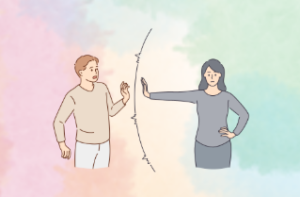
The anxious–avoidant relationship cycle is one of the most common—and emotionally painful—patterns seen in intimate relationships. It occurs when two people with opposing attachment styles repeatedly activate each other’s deepest emotional fears. One partner seeks closeness and reassurance to feel safe, while the other seeks distance and autonomy to regulate overwhelm. This creates a recurring cycle of pursuit, withdrawal, misunderstanding, conflict, and emotional distance.

Over time, both partners feel increasingly unseen and misunderstood. The anxious partner may feel rejected or unimportant, while the avoidant partner may feel pressured or emotionally trapped. Each reaction unintentionally intensifies the other, reinforcing the cycle and making resolution feel harder with every repetition.

Importantly, this dynamic is not about lack of love or commitment. In many cases, it appears in relationships where both partners care deeply and genuinely want connection. The struggle arises because each person’s way of seeking emotional safety directly conflicts with the other’s. What feels like closeness to one feels like suffocation to the other, and what feels like space to one feels like abandonment to the other.

Without awareness, this pattern can slowly erode emotional security, trust, and intimacy. With understanding and intentional change, however, the cycle can be interrupted—allowing both partners to move toward a more balanced, emotionally safe relationship.

Understanding Attachment Styles 

Attachment styles develop early in life based on how caregivers consistently responded to a child’s emotional needs—such as comfort, availability, responsiveness, and emotional safety. Through these early interactions, children form internal beliefs about themselves (“Am I worthy of care?”) and others (“Are people reliable and emotionally available?”). These beliefs later guide how adults approach closeness, intimacy, conflict, and emotional regulation in their relationships.

According to the American Psychological Association, attachment patterns strongly influence how individuals regulate emotions, respond to perceived threats in relationships, and seek or avoid connection in close bonds. When emotional needs feel threatened, attachment systems activate automatically—often outside conscious awareness.

The anxious–avoidant relationship cycle most commonly involves two contrasting attachment styles:

  • Anxious attachment in one partner, characterized by a heightened need for closeness, reassurance, and emotional responsiveness. This partner is highly sensitive to signs of distance or disconnection and tends to move toward the relationship during stress.

  • Avoidant attachment in the other partner, characterized by discomfort with emotional dependency and a strong need for independence and self-reliance. This partner tends to move away from emotional intensity to regulate stress.

When these two styles interact, their opposing strategies for emotional safety collide—setting the stage for the pursue–withdraw cycle that defines the anxious–avoidant dynamic.

The Anxious Partner: Fear of Abandonment

People with an anxious attachment style tend to crave closeness and reassurance. Their core fear is abandonment or emotional rejection.

Common traits include:

  • Heightened sensitivity to emotional distance

  • Strong need for reassurance

  • Overthinking messages, tone, or changes in behavior

  • Fear of being “too much” yet feeling unable to stop reaching out

When they sense distance, their nervous system activates and they move toward their partner for safety.

The Avoidant Partner: Fear of Engulfment

People with an avoidant attachment style value independence and emotional self-reliance. Their core fear is loss of autonomy or emotional overwhelm.

Common traits include:

  • Discomfort with intense emotional closeness

  • Tendency to shut down during conflict

  • Difficulty expressing vulnerability

  • Belief that needing others is unsafe or weak

When emotional demands increase, their nervous system activates and they move away to regain control and calm.

How the Anxious–Avoidant Cycle Begins

The cycle usually unfolds in predictable stages:

1. Trigger

A small event—delayed reply, distracted tone, disagreement—activates attachment fears.

  • Anxious partner feels: “I’m being abandoned.”

  • Avoidant partner feels: “I’m being pressured.”

2. Pursue–Withdraw Pattern

  • The anxious partner pursues: calls, texts, questions, emotional discussions.

  • The avoidant partner withdraws: silence, distraction, emotional shutdown.

Each reaction intensifies the other.

3. Escalation

  • Anxious partner becomes more emotional, critical, or pleading.

  • Avoidant partner becomes colder, distant, or defensive.

Both feel misunderstood and unsafe.

4. Emotional Exhaustion

The relationship enters a phase of:

  • Repeated arguments

  • Emotional numbness

  • Feeling disconnected despite being together

The cycle may temporarily stop when one partner gives up or shuts down—but it resumes when closeness returns.

Why This Cycle Feels So Addictive

Paradoxically, anxious–avoidant relationships often feel intensely magnetic, especially in the early stages. The emotional highs and lows can create a powerful sense of connection that is easily mistaken for passion or deep compatibility.

This addictive pull exists because:

  • Familiar emotional patterns feel “normal,” even when painful.
    Attachment systems are shaped early in life. When a relationship recreates familiar emotional dynamics—such as chasing closeness or retreating for safety—it feels recognizable and psychologically compelling, even if it causes distress.

  • Intermittent closeness reinforces hope.
    Periods of emotional warmth followed by distance create a pattern similar to intermittent reinforcement. Occasional connection keeps hope alive, making partners believe that if they try harder, closeness will return and stay.

  • Each partner unconsciously attempts to heal old attachment wounds through the relationship.
    The anxious partner seeks reassurance that they are lovable and won’t be abandoned. The avoidant partner seeks closeness without feeling overwhelmed or losing autonomy. Both are trying to resolve unmet emotional needs—without realizing they are repeating the same pattern.

Without awareness and conscious change, this cycle slowly becomes emotionally exhausting and unstable. What once felt exciting begins to feel confusing, draining, and unsafe, increasing anxiety, withdrawal, and relational burnout rather than intimacy.

Psychological Impact of the Cycle

Over time, the anxious–avoidant cycle takes a significant psychological toll on both partners. Because emotional needs are repeatedly unmet, the relationship begins to feel unsafe, unpredictable, and exhausting.

This pattern can lead to:

  • Chronic anxiety or emotional numbness
    The anxious partner may remain in a constant state of worry, hypervigilance, and fear of abandonment, while the avoidant partner may cope by shutting down emotionally, leading to numbness and detachment.

  • Low self-esteem and self-blame
    Both partners often internalize the conflict. The anxious partner may believe they are “too much,” while the avoidant partner may see themselves as emotionally inadequate or incapable of closeness.

  • Increased conflict and misunderstanding
    Conversations become reactive rather than constructive. Small issues escalate quickly because attachment fears—not the present problem—are driving the interaction.

  • Emotional burnout within the relationship
    Repeated cycles of hope, disappointment, and disconnection drain emotional energy, leaving both partners feeling tired, resentful, or disengaged.

Many couples interpret these struggles as fundamental incompatibility or lack of love. In reality, the distress is often the result of unresolved attachment wounds being activated and replayed within the relationship. With awareness and support, this pattern can be understood—and interrupted—before it causes lasting emotional damage.

How to Break the Anxious–Avoidant Cycle

Breaking the cycle requires awareness, emotional regulation, and new relational skills.

1. Name the Pattern

Recognizing “We are in the pursue–withdraw cycle” reduces blame and increases insight.

2. Regulate Before Communicating

Attachment reactions are nervous-system responses. Pausing, grounding, and calming the body is essential before discussion.

3. Practice Secure Behaviors

  • Anxious partner: Practice self-soothing and tolerating space

  • Avoidant partner: Practice staying emotionally present during discomfort

Security is built through behavior, not intention.

4. Use Clear, Non-Blaming Language

Replace accusations with needs:

  • “I feel anxious when we disconnect; reassurance helps me.”

  • “I feel overwhelmed when emotions escalate; I need calm communication.”

5. Seek Professional Support

Attachment-based therapy or couples counseling can help both partners:

  • Understand their attachment wounds

  • Develop emotional safety

  •  Break unconscious patterns

Final Reflection

The anxious–avoidant cycle is not about one partner being “needy” and the other being “cold.”
It is about two nervous systems responding to threat and seeking safety in opposite ways—one through closeness, the other through distance.

When these protective strategies collide, both partners suffer, even though both are trying to preserve the relationship in the only way they know how.

With awareness, patience, and the right support, this cycle does not have to define the relationship. As partners learn to recognize their attachment patterns, regulate emotional responses, and communicate needs safely, the dynamic can soften—and in many cases, transform into a more secure, stable, and emotionally safe connection.

Healing begins not with blame, but with understanding.

Frequently Asked Questions (FAQ)

1. What is the anxious–avoidant relationship cycle?

The anxious–avoidant cycle is a recurring relationship pattern where one partner seeks closeness and reassurance (anxious attachment), while the other seeks distance and emotional space (avoidant attachment). Each partner’s coping strategy unintentionally triggers the other’s deepest emotional fears, leading to repeated conflict and disconnection.


2. Does this cycle mean the relationship is unhealthy or doomed?

Not necessarily. The presence of this cycle does not mean a lack of love or compatibility. It often reflects unresolved attachment wounds rather than conscious choices. With awareness, emotional regulation, and support, many couples are able to soften or break the cycle.


3. Why does the anxious partner keep pursuing?

The anxious partner’s nervous system is highly sensitive to emotional distance. Pursuing closeness, reassurance, or communication is an unconscious attempt to restore emotional safety and reduce fear of abandonment.


4. Why does the avoidant partner withdraw?

The avoidant partner experiences intense emotional closeness as overwhelming or threatening. Withdrawing helps them regulate stress, regain a sense of control, and protect their autonomy—even though it may unintentionally hurt their partner.


5. Can two people with these attachment styles have a healthy relationship?

Yes. Healing is possible when both partners:

  • Recognize the pattern

  • Take responsibility for their emotional responses

  • Practice secure behaviors

  • Learn to communicate needs without blame

Professional support often helps accelerate this process.


6. Is the anxious–avoidant cycle related to childhood experiences?

Yes. Attachment styles typically develop in early childhood based on caregiver responsiveness and emotional availability. These early experiences shape how adults approach intimacy, conflict, and emotional safety in relationships.


7. When should couples seek professional help?

Couples should consider therapy when:

  • The same conflicts repeat without resolution

  • Emotional distance or anxiety keeps increasing

  • Communication feels unsafe or reactive

  • One or both partners feel emotionally exhausted

Attachment-based or couples therapy can help identify patterns and create healthier relational dynamics.

Written by Baishakhi Das

Counselor | Mental Health Practitioner
Qualifications: B.Sc in Psychology | M.Sc  | PG Diploma in Counseling

Reference 

  1. American Psychological Association
    Attachment and close relationships
    https://www.apa.org/monitor/julaug09/attachment

  2. Bowlby, J. (1988).
    A Secure Base: Parent-Child Attachment and Healthy Human Development.
    https://psycnet.apa.org/record/1988-97390-000

  3. Hazan, C., & Shaver, P. R. (1987).
    Romantic love conceptualized as an attachment process. Journal of Personality and Social Psychology.
    https://psycnet.apa.org/record/1987-28436-001

  4. Johnson, S. M. (2019).
    Attachment Theory in Practice: Emotionally Focused Therapy (EFT).
    https://www.guilford.com/books/Attachment-Theory-in-Practice/Susan-Johnson/9781462538249

  5. Levine, A., & Heller, R. (2010).
    Attached: The New Science of Adult Attachment.
    https://www.attachedthebook.com

  6. Emotional Burnout: Symptoms You Shouldn’t Ignore


Attachment Theory: How Childhood Bonds Shape Adult Relationships

Human beings are wired for connection. From the moment we are born, our emotional survival depends on the quality of our earliest relationships. Attachment Theory explains how these early bonds—especially with primary caregivers—shape the way we love, trust, depend on others, and manage closeness throughout our lives.

Developed by John Bowlby and later expanded through research by Mary Ainsworth, attachment theory is now one of the most influential frameworks in developmental psychology, psychotherapy, and relationship counseling.

This article explores attachment theory in depth—its origins, attachment styles, psychological mechanisms, and how childhood bonding patterns continue to influence adult romantic relationships, emotional regulation, and mental health.

What Is Attachment Theory?

Attachment theory explains that early emotional bonds with caregivers shape an “internal working model”—a deeply ingrained psychological framework that guides how individuals perceive themselves, others, and relationships throughout life. This concept was originally proposed by John Bowlby, who emphasized that these models are formed in infancy through repeated interactions with primary caregivers.

What Is an Internal Working Model?

An internal working model is not a conscious belief system. Rather, it is an emotional and relational blueprint that answers some of life’s most fundamental questions:

    • How safe is the world?
      Early caregiving teaches a child whether the environment is predictable or threatening. Consistent care fosters a sense of safety, while neglect or unpredictability can create chronic anxiety or hypervigilance.

  • Are other people reliable and responsive?
    When caregivers respond sensitively, the child learns that others can be depended on. When responses are inconsistent, rejecting, or frightening, the child may learn to expect disappointment, abandonment, or emotional danger.

  • Am I worthy of love and care?
    The way a child’s needs are met (or dismissed) shapes self-worth. Attuned caregiving supports a sense of inherent worth, whereas repeated invalidation can lead to feelings of being “too much,” unimportant, or unlovable.

  • How should closeness and separation feel?
    Children learn whether closeness is comforting or overwhelming, and whether separation is tolerable or terrifying. These early lessons later influence how adults handle intimacy, distance, conflict, and loss.

How These Models Influence Adult Relationships

These internal working models do not disappear as we grow older. Instead, they operate quietly in the background, shaping adult relationship patterns—often without conscious awareness. They become especially active during emotionally charged moments such as:

  • Romantic conflict

  • Perceived rejection or abandonment

  • Deep intimacy or vulnerability

  • Grief, loss, or major life stress

For example:

  • Someone who learned that love is unpredictable may become anxious and clingy in relationships.

  • Someone who learned that emotions are ignored may suppress needs and avoid closeness.

  • Someone whose early bonds were frightening may both crave and fear intimacy at the same time.

What often appears as “overreacting,” “emotional distance,” or “relationship insecurity” is frequently the activation of an old attachment model, not a reaction to the present situation alone.

Why This Insight Is So Important

Attachment theory shifts the narrative from self-blame to understanding. It helps individuals recognize that many relationship behaviors are learned adaptations, not character flaws. These patterns once served a purpose—emotional survival in early relationships—even if they no longer serve well in adulthood.

In Simple Terms

How we were loved teaches us how to love.
But just as importantly, attachment theory reminds us that what was learned in early relationships can be unlearned, reshaped, and healed through awareness, emotionally safe relationships, and therapeutic support.

The Role of Early Caregivers

Infants are biologically programmed to seek closeness to caregivers for safety and comfort. Crying, clinging, and following are not “bad habits”—they are survival behaviors.

When caregivers respond with:

  • Consistency

  • Emotional attunement

  • Physical and emotional availability

the child learns:

“I am safe. My needs matter. Others can be trusted.”

When caregiving is inconsistent, rejecting, frightening, or absent, the child adapts by developing protective attachment strategies. These strategies help the child survive emotionally—but may later interfere with adult relationships.

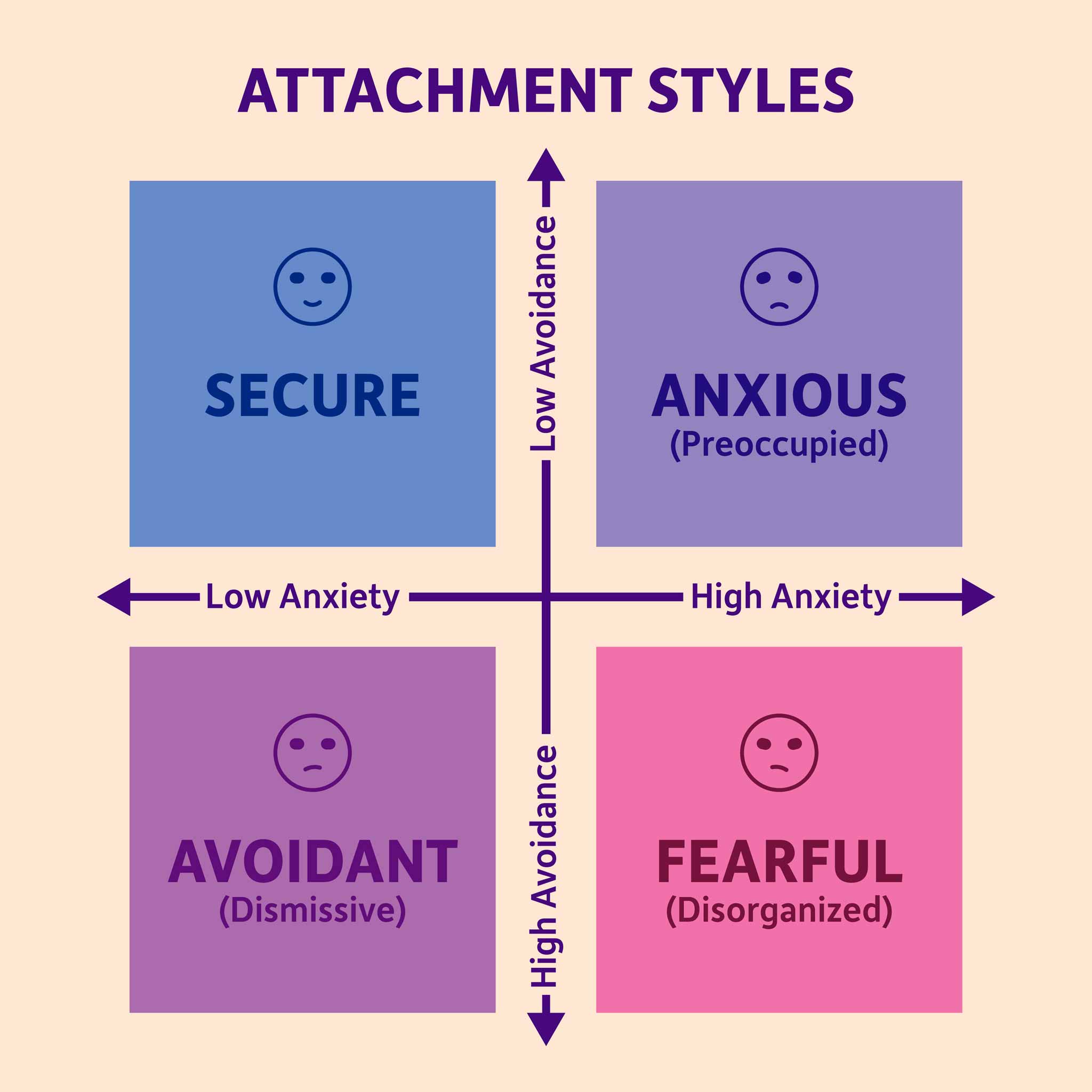
The Four Main Attachment Styles

1. Secure Attachment

Childhood Experience

  • Caregivers are emotionally available and responsive

  • Child feels safe exploring and returning for comfort

Adult Relationship Patterns

  • Comfortable with intimacy and independence

  • Able to communicate needs clearly

  • Trusts partners and manages conflict constructively

Core Belief

“I am worthy of love, and others can be trusted.”

Secure attachment is associated with healthier relationships, emotional regulation, and psychological resilience.

  1. Anxious (Preoccupied) Attachment

Childhood Experience

  • Inconsistent caregiving

  • Love feels unpredictable

Adult Relationship Patterns

  • Fear of abandonment

  • Constant need for reassurance

  • Hypervigilance to partner’s moods

  • Difficulty tolerating distance

Core Belief

“I must stay close to be loved, or I will be abandoned.”

Anxious attachment often shows up as people-pleasing, emotional dependency, and intense relationship anxiety.

  1. Avoidant (Dismissive) Attachment

Childhood Experience

  • Emotionally distant or rejecting caregivers

  • Emotional needs minimized or ignored

Adult Relationship Patterns

  • Discomfort with closeness

  • Strong independence

  • Emotional withdrawal during conflict

  • Difficulty expressing vulnerability

Core Belief

“Depending on others is unsafe; I must rely on myself.”

Avoidant attachment is often mistaken for confidence, but it is rooted in emotional self-protection.

  1. Fearful-Avoidant (Disorganized) Attachment

Childhood Experience

  • Caregivers are frightening, abusive, or unpredictable

  • Child experiences both comfort and fear from the same figure

Adult Relationship Patterns

  • Desire for closeness combined with fear of it

  • Push–pull relationship dynamics

  • Emotional chaos, mistrust

  • Higher risk of trauma-related symptoms

Core Belief

“I want connection, but it is dangerous.”

This style is strongly linked to childhood trauma and unresolved emotional wounds.

How Attachment Styles Shape Adult Romantic Relationships

Attachment patterns are often most clearly expressed in close romantic relationships, because these relationships activate the same emotional systems that were shaped in early caregiving. Romantic partners unconsciously become attachment figures, which means old emotional expectations are easily reawakened—especially during moments of threat or uncertainty.

When Attachment Patterns Become Most Visible

Attachment behaviors tend to intensify when:

1. There Is Emotional Vulnerability

Moments of openness—such as expressing needs, sharing fears, or depending on a partner—can activate deep attachment responses. For securely attached individuals, vulnerability feels connecting. For insecurely attached individuals, it may trigger fear of rejection, engulfment, or emotional exposure.

For example:

  • Anxiously attached individuals may seek constant reassurance

  • Avoidantly attached individuals may withdraw or minimize emotions

  • Fearfully attached individuals may oscillate between closeness and distance

screenshot 2025 11 20 000712

  1. Conflict Arises

Conflict signals a potential threat to connection. During disagreements, attachment systems become highly active, often overriding logic and calm communication.

  • Anxious attachment may show as heightened emotional expression, protest behaviors, or fear-driven arguments

  • Avoidant attachment may show as emotional shutdown, defensiveness, or avoidance of discussion

  • Secure attachment allows for disagreement without fear of abandonment

Conflict is rarely just about the topic—it is about whether the bond feels safe.

  1. Separation or Rejection Is Perceived

Actual or imagined separation—missed calls, emotional distance, delayed responses, or perceived indifference—can strongly trigger attachment fears.

  • Anxious individuals may experience intense distress and fear abandonment

  • Avoidant individuals may detach emotionally to regain control

  • Fearful individuals may experience confusion, mistrust, and emotional chaos

Even minor events can feel overwhelming when they echo early attachment wounds.

Common Relationship Dynamics Explained

Anxious–Avoidant Dynamic: The Pursuit–Withdrawal Pattern

This is one of the most common and painful relationship patterns.

  • The anxious partner seeks closeness, reassurance, and emotional engagement

  • The avoidant partner experiences this as pressure and pulls away

  • The more one pursues, the more the other withdraws

Both partners are trying to feel safe—but using opposite strategies shaped by early attachment experiences.

Fearful Attachment: Intense and Unstable Relationships

Individuals with fearful (disorganized) attachment often crave closeness but fear it at the same time.

This can lead to:

  • Push–pull dynamics

  • Sudden emotional shifts

  • Difficulty trusting partners

  • High emotional intensity followed by withdrawal

These relationships are often marked by passion, confusion, and repeated ruptures.

Secure Attachment: Emotional Safety and Repair

Securely attached partners are not conflict-free, but they are repair-oriented.

They tend to:

  • Communicate needs openly

  • Tolerate vulnerability

  • Take responsibility during conflict

  • Reconnect after emotional ruptures

The key difference is not the absence of problems, but the ability to repair and reconnect.

Why Many Conflicts Are About the Past, Not the Present

Many relationship arguments appear to be about:

  • Tone of voice

  • Texting frequency

  • Time spent together

  • Minor disagreements

But underneath, they are often driven by old attachment fears such as:

  • “I will be abandoned”

  • “My needs don’t matter”

  • “Closeness is unsafe”

  • “I will lose myself if I depend on someone”

When these fears are triggered, partners react from a younger emotional state, responding not only to the present partner but to past relational experiences.

A Therapeutic Perspective

Understanding attachment dynamics helps individuals and couples shift from blame to insight. Instead of asking:

“Why are we always fighting about this?”

They can ask:

“What attachment need is being threatened right now?”

This shift opens the door to empathy, emotional safety, and lasting change.

screenshot 2025 11 24 000049

Attachment styles strongly influence how adults manage emotions:

  • Secure attachment → balanced emotional regulation

  • Anxious attachment → emotional overwhelm

  • Avoidant attachment → emotional suppression

  • Disorganized attachment → emotional dysregulation

This explains why some people:

  • Shut down during conflict

  • Become emotionally reactive

  • Struggle to express needs

  • Feel numb or overwhelmed in relationships

Attachment, Trauma, and Mental Health

Attachment theory is central to trauma-informed care. Early neglect, abuse, or chronic emotional invalidation disrupt attachment security and increase vulnerability to:

  • Anxiety disorders

  • Depression

  • Complex trauma

  • Relationship burnout

  • Emotional numbness

Importantly, attachment adaptations are not flaws—they are survival responses.

Can Attachment Styles Change?

Yes. Attachment is not fixed.

Attachment styles can shift through:

  • Secure romantic relationships

  • Psychotherapy (especially attachment-based therapy)

  • Self-awareness and emotional skills training

  • Corrective emotional experiences

Therapy often provides what was missing earlier: consistency, safety, validation, and emotional attunement.

Attachment Theory in Counseling and Psychotherapy

Mental health professionals use attachment theory to:

  • Understand relationship patterns

  • Address fear of abandonment or intimacy

  • Heal childhood emotional wounds

  • Improve emotional regulation

  • Strengthen relational security

It is widely integrated into:

  • Psychodynamic therapy

  • Emotionally Focused Therapy (EFT)

  • Trauma-informed approaches

Why Attachment Theory Matters

Attachment theory helps us move away from self-blame and toward understanding. It reframes struggles as learned relational patterns, not personal defects.

It answers powerful questions:

  • Why do I fear closeness?

  • Why do I chase unavailable partners?

  • Why does intimacy feel overwhelming or unsafe?

And most importantly, it offers hope:

What was learned in relationship can be healed in relationship.

Final Reflection

Attachment theory reminds us that love is not just an emotion—it is a developmental experience. Our earliest bonds shape how we connect, protect ourselves, and seek comfort. But they do not define our destiny.

With awareness, supportive relationships, and therapeutic work, individuals can move toward earned secure attachment, building healthier, safer, and more fulfilling relationships across adulthood.

Frequently Asked Questions (FAQ): Attachment Theory & Adult Relationships


1. What is attachment theory?

Attachment theory explains how early emotional bonds with caregivers shape our expectations of safety, closeness, and trust in relationships. It was developed by John Bowlby and expanded through research by Mary Ainsworth.


2. What is an “internal working model”?

An internal working model is a mental–emotional blueprint formed in childhood that influences:

  • How safe the world feels

  • Whether others can be trusted

  • How worthy we feel of love

  • How we experience closeness and separation

These models guide adult relationship behavior, often outside conscious awareness.


3. What are the main attachment styles?

The four commonly described attachment styles are:

  • Secure – comfortable with intimacy and independence

  • Anxious (Preoccupied) – fears abandonment, seeks reassurance

  • Avoidant (Dismissive) – values independence, avoids vulnerability

  • Fearful-Avoidant (Disorganized) – desires closeness but fears it


4. How do attachment styles affect adult romantic relationships?

Attachment styles influence how people:

  • Communicate needs

  • Handle conflict

  • Respond to emotional closeness

  • React to distance or rejection

For example, anxious partners may pursue reassurance, while avoidant partners may withdraw, creating a pursue–withdraw cycle.


5. Why do small conflicts feel so intense in some relationships?

Because conflicts often activate old attachment fears, such as abandonment, rejection, or loss of control. The emotional reaction may be less about the present issue and more about earlier relational experiences being triggered.


6. Can attachment styles change over time?

Yes. Attachment styles are not fixed traits. They can shift through:

  • Secure and emotionally responsive relationships

  • Psychotherapy (especially attachment-based or trauma-informed therapy)

  • Increased self-awareness and emotional regulation skills

Many adults develop what is called earned secure attachment.


7. Is insecure attachment a sign of weakness?

No. Insecure attachment patterns are adaptive survival strategies learned in response to early environments. They helped individuals cope emotionally at the time, even if they create difficulties later.


8. How is attachment theory used in therapy?

Therapists use attachment theory to:

  • Understand relationship patterns

  • Address fear of abandonment or intimacy

  • Improve emotional regulation

  • Heal childhood emotional wounds

It is commonly integrated into psychodynamic therapy, Emotionally Focused Therapy (EFT), and trauma-informed care.


9. Does attachment theory apply only to romantic relationships?

No. Attachment patterns influence all close relationships, including friendships, parent–child bonds, and even therapeutic relationships. Romantic partnerships simply activate attachment systems more strongly.


10. What is the key message of attachment theory?

The central message is hopeful:
How we learned to love can be relearned.
Early relationships shape us, but they do not define our future. With awareness, safety, and support, healthier patterns of connection are always possible.

Reference


Why Young Adults Are Avoiding Marriage: Psychology Insights

Introduction

Marriage was once considered a natural milestone of adulthood—something that followed education, employment, and family expectations almost automatically. However, across cultures and countries, a significant shift is occurring. Young adults today are delaying, redefining, or completely avoiding marriage.

This change is often misunderstood as selfishness, commitment issues, or moral decline. But psychology tells a much deeper story.

From attachment patterns and childhood experiences to economic stress, identity exploration, trauma, and changing social values, young adults’ hesitation toward marriage is rooted in complex psychological and societal factors.

This article explores why young adults are avoiding marriage, backed by psychological theories, research insights, and real-life behavioral patterns—without blame or judgment.

1. The Changing Meaning of Marriage

Marriage Is No Longer a Survival Structure

Historically, marriage served key survival functions:

  • Financial security

  • Social status

  • Gender-based role stability

  • Family lineage

In modern society:

  • Financial independence is possible without marriage

  • Women are economically self-reliant

  • Social acceptance of singlehood has increased

  • Emotional fulfillment is sought beyond institutions

Psychological Shift:
Marriage is no longer a need—it is seen as a choice. When a structure shifts from necessity to option, people become more selective and cautious.

2. Fear of Emotional Failure (Not Commitment)

Contrary to popular belief, many young adults do want deep emotional connection—they fear emotional breakdown more than commitment itself.

Psychological Factors:

  • Witnessing parental conflict or divorce

  • Exposure to emotionally unavailable caregivers

  • Observing unhappy marriages normalized as “adjustment”

This leads to:

  • Fear of long-term emotional entrapment

  • Avoidance of irreversible decisions

  • Hyper-vigilance toward red flags

From an attachment theory perspective, many young adults show avoidant or anxious-avoidant attachment patterns, where closeness is desired but also feared.

3. Childhood Experiences Shape Adult Relationship Beliefs

Early family environments strongly influence how marriage is perceived.

If a child grows up with:

  • Emotional neglect

  • Constant parental conflict

  • Silent marriages lacking warmth

  • Power imbalance or emotional abuse

They may unconsciously associate marriage with:

  • Loss of freedom

  • Emotional exhaustion

  • Suppression of needs

Psychological Insight:
The brain stores relational templates early. If marriage equals emotional pain in childhood memory, the adult mind resists recreating it—even subconsciously.

4. Emotional Independence vs Emotional Intimacy

Young adults today are encouraged to:

  • Heal themselves

  • Be emotionally independent

  • Avoid emotional dependency

While this promotes mental health, it also creates confusion.

The Inner Conflict:

  • “I don’t want to lose myself”

  • “I don’t want to depend on anyone”

  • “I don’t want to carry emotional responsibility”

Many equate marriage with emotional dependency, not realizing that healthy interdependence is different.

Psychologically, this results in:

  • Fear of merging identities

  • Over-protecting personal space

  • Avoidance of long-term relational roles

5. Career Pressure and Identity Formation

Young adulthood (20s–early 30s) is a critical identity-building phase.

According to Erik Erikson’s psychosocial stages, individuals first struggle with:

Identity vs Role Confusion
before they can healthily move into
Intimacy vs Isolation

Modern Challenges:

  • Career instability

  • Financial pressure

  • Comparison culture

  • Fear of “falling behind”

Marriage is often perceived as:

  • A distraction from self-growth

  • An added responsibility

  • A limitation on mobility and ambition

Many young adults delay marriage until they feel “fully established”—a state that is increasingly hard to reach.

6. Fear of Divorce and Legal Consequences

Divorce rates and public discussions around marital breakdown have created a risk-averse mindset.

Psychological Impact:

  • Catastrophic thinking (“What if it fails?”)

  • Loss aversion (fear of emotional, financial loss)

  • Over-analysis of partner compatibility

For some, avoiding marriage feels emotionally safer than risking failure.

This is not avoidance of love—it is self-protection.

7. Dating Culture & the Illusion of Endless Options

Dating apps and social media have transformed relationship dynamics.

Psychological Effects:

  • Choice overload

  • Fear of settling

  • Constant comparison

  • Shortened attention span for relationships

When the brain believes better options are always available, it delays commitment.

This creates:

  • Situationships instead of stable bonds

  • Emotional ambiguity

  • Commitment hesitation disguised as “keeping options open”

8. Trauma, Burnout, and Emotional Exhaustion

Many young adults enter adulthood already emotionally tired.

Sources include:

  • Academic pressure

  • Toxic work environments

  • Past relationship trauma

  • Emotional burnout

Marriage is subconsciously perceived as:

  • More emotional labor

  • Another role to perform

  • Another place to fail

From a trauma-informed lens, avoidance often signals overwhelm, not disinterest.

9. Changing Gender Roles and Expectations

Traditional marriage scripts are being questioned.

Conflicts Arise When:

  • Emotional labor is uneven

  • Gender roles feel restrictive

  • Independence feels threatened

Many young adults ask:

  • “Will marriage limit my autonomy?”

  • “Will I have to compromise my values?”

Psychologically, this reflects a desire for egalitarian, emotionally safe relationships—not rejection of partnership.

10. Redefining Love and Commitment

For today’s generation:

  • Commitment ≠ legal bond

  • Love ≠ lifelong sacrifice

  • Marriage ≠ ultimate validation

Many prefer:

  • Emotional safety over social approval

  • Conscious partnerships over traditional roles

  • Mental peace over obligation

This shift challenges old norms but reflects evolving emotional intelligence.

11. Is Avoiding Marriage Always Unhealthy?

No.

Avoiding marriage can be:

  • A healthy boundary

  • A result of self-awareness

  • A conscious life choice

However, unexamined avoidance rooted in fear, trauma, or attachment wounds may lead to:

  • Loneliness

  • Emotional isolation

  • Difficulty sustaining intimacy

The key question is not:

“Why aren’t you married?”
but
“What meaning does marriage hold for you emotionally?”

12. How Therapy Helps Clarify Marriage Anxiety

Counseling helps young adults:

  • Understand attachment styles

  • Heal relational trauma

  • Redefine intimacy safely

  • Separate fear from preference

Therapy does not push marriage—it supports clarity and emotional freedom.

Conclusion

Young adults are not avoiding marriage because they are irresponsible or afraid of love.

They are:

  • More emotionally aware

  • More cautious about long-term emotional cost

  • Less willing to repeat unhealthy patterns

  • More focused on mental health and autonomy

Marriage is no longer a default destination—it is a conscious choice.

Understanding the psychology behind this shift allows families, society, and professionals to respond with empathy rather than pressure.

Because the real question isn’t “Why aren’t they marrying?”
It’s “How can relationships be safer, healthier, and more emotionally fulfilling?”

Reference

Mental Health & Relationships – NIMH
👉 https://www.nimh.nih.gov/health/topics/mental-health