Best Books & Podcasts for Men’s Mental Health Growth

https://plusapn.com/wp-content/uploads/2024/11/The-Benefits-of-Reading-for-Mental-Health-m.jpg

Practical, relatable resources to build emotional strength, self-awareness, and resilience

Introduction: Why Men Need Mental Health–Focused Learning Spaces

Men across cultures often grow up with unspoken rules:

  • Don’t show weakness

  • Handle problems alone

  • Stay strong, stay silent

Over time, these beliefs can lead to emotional suppression, chronic stress, anger issues, burnout, relationship difficulties, and untreated anxiety or depression. Many men begin understanding their mental health through books and podcasts, which offer a private and flexible space for reflection, alongside the option of therapy.

Books and podcasts offer men:

  • Language for emotions they were never taught to name

  • Validation without judgment

  • Tools for stress, relationships, and identity

  • Stories that normalize vulnerability

  • Growth without stigma

This article explores the best books and podcasts for men’s mental health growth, explaining why they work, who they’re for, and how to use them effectively.

Why Books & Podcasts 

Men are more likely to engage with:

  • Structured information

  • Narratives that allow emotional insight without direct confrontation

  • Practical tools over abstract advice

Books and podcasts:

  • Reduce pressure to “perform emotions”

  • Allow reflection without exposure

  • Build insight gradually

  • Support men who aren’t ready for therapy yet

They are often the first safe step toward deeper emotional work.

SECTION I: Best Books for Men’s Mental Health Growth

1. The Mask of Masculinity – Lewis Howes

Why This Book Matters

This book directly addresses how traditional masculinity pressures men to hide pain, fear, and vulnerability behind emotional armor.

Core Themes

  • Emotional suppression in men

  • Fear of vulnerability

  • Shame and identity

  • Redefining strength

Why Men Relate

The writing feels relatable and grounded in everyday experiences, without relying on heavy theory.

Best For

Men who:

  • Feel emotionally blocked

  • Struggle to open up

  • Want to understand why vulnerability feels unsafe

2. Man’s Search for Meaning – Viktor E. Frankl

Core Themes

  • Finding meaning in suffering

  • Personal responsibility

  • Psychological resilience

  • Existential growth

Mental Health Impact

This book helps men:

  • Reframe pain without minimizing it

  • Understand depression and hopelessness through purpose

  • Develop inner strength without emotional denial

Best For

Men dealing with:

  • Existential crisis

  • Burnout

  • Loss or life transitions

3. I Don’t Want to Talk About It – Terrence Real

Key Insight

Men often express depression as:

  • Anger

  • Withdrawal

  • Overwork

  • Addictive behaviors

Why It’s Powerful

It validates men who say:

“I’m not sad—I’m just tired, irritated, and numb.”

Best For

Men experiencing:

  • Emotional numbness

  • Irritability

  • Relationship breakdowns

  • Hidden depression

4. Atomic Habits – James Clear

Why It Belongs on a Mental Health List

Core Themes

  • Small consistent change

  • Identity-based habits

  • Self-discipline without self-punishment

Mental Health Benefit

  • Reduces overwhelm

  • Builds self-efficacy

  • Improves mood through structure

Best For

Men who prefer:

  • Action-based growth

  • Practical frameworks

  • Measurable progress

5. Attached – Amir Levine & Rachel Heller

Why Men Need This Book

Many men struggle in relationships without understanding attachment patterns.

Core Themes

  • Anxious, avoidant, secure attachment

  • Emotional distance vs closeness

  • Conflict cycles

Why It Helps Mental Health

Relationship stress is a major contributor to:

  • Anxiety

  • Depression

  • Low self-worth

Understanding attachment reduces shame and blame.

Best For

Men facing:

  • Repeated relationship issues

  • Fear of intimacy

  • Emotional withdrawal

6. The Body Keeps the Score – Bessel van der Kolk

Why This Book Is Transformative

It explains how trauma lives in the body, not just the mind.

Key Topics

  • Childhood trauma

  • Emotional regulation

  • Somatic memory

Why Men Benefit

Men often somaticize emotions as:

  • Headaches

  • Fatigue

  • Anger

  • Health issues

This book legitimizes those experiences.

Best For

Men with:

  • Trauma history

  • Chronic stress

  • Emotional reactivity

SECTION II: Best Podcasts for Men’s Mental Health Growth

1. The Man Enough Podcast

Why It’s Powerful

It challenges harmful masculinity narratives through honest conversations.

Topics Covered

  • Vulnerability

  • Emotional literacy

  • Relationships

  • Mental health stigma

Why Men Listen

It normalizes conversations men rarely hear growing up.

2. The Tim Ferriss Show

Mental Health Angle

  • Burnout

  • Anxiety

  • Failure

  • Emotional resilience

Why It Works

Men who resist “mental health content” often engage through performance and growth conversations first.

3. On Purpose

Core Focus

  • Emotional awareness

  • Purpose

  • Relationships

  • Mindfulness

Why It Helps

Simple language makes psychological concepts accessible.

4. The Psychology Podcast

Why It’s Ideal for Analytical Men

It explores psychology through research, interviews, and evidence-based discussion.

Topics

  • Personality

  • Trauma

  • Creativity

  • Mental health science

5. Therapy for Black Men

Why It’s Important

Addresses cultural stigma and emotional suppression in men of color.

Themes

  • Identity

  • Masculinity

  • Emotional safety

  • Healing narratives

6. Where Should We Begin?

Why Men Benefit

Listening to real therapy sessions helps men:

  • Understand emotions indirectly

  • Learn relational language

  • See vulnerability modeled

7. The Happiness Lab

Mental Health Focus

  • Anxiety

  • Habits

  • Cognitive biases

  • Emotional wellbeing

Practical, science-backed, and engaging.

How Men Can Use Books & Podcasts Effectively

Don’t Binge—Reflect

Growth happens through integration, not consumption.

Pair Learning With Journaling

Ask:

  • What stood out to me the most?
  • Which part challenged or stretched me?
  • What feels relevant to my life right now?

Resistance often points to growth areas.

Books & Podcasts Are Not Therapy—but They Are Gateways

They:

  • Reduce stigma

  • Build insight

  • Encourage help-seeking

  • Normalize emotional experience

For many men, these resources are the bridge to therapy, not the replacement.

 Seek for Professional Support

If you notice:

  • Persistent low mood

  • Anger outbursts

  • Emotional numbness

  • Relationship breakdowns

  • Substance reliance

Books and podcasts are a start—but human support matters.

Conclusion: Growth Begins With Listening

Men’s mental health growth doesn’t start with “fixing” emotions. It starts with understanding them.

Books and podcasts offer:

  • Language where silence existed

  • Permission where shame ruled

  • Strength through awareness

🧠 Real strength isn’t silence—it’s self-awareness.

Reference

10 Common Mental Health Challenges in Men—and How to Address Them
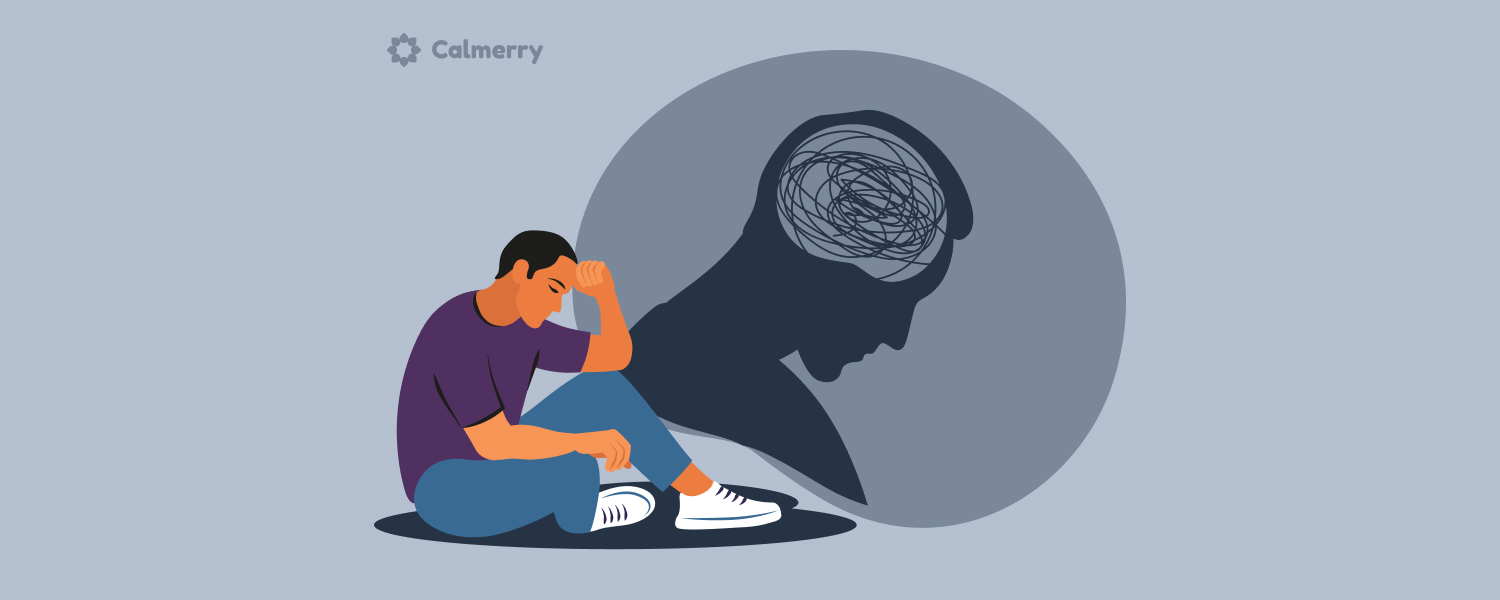
https://calmerry.com/wp-content/uploads/2021/05/depression-in-men.jpg?utm_source=chatgpt.com
Introduction

Mental health challenges in men are often hidden, minimized, or misunderstood. Social expectations frequently teach men to be strong, silent, and self-reliant. As a result, emotional distress is commonly suppressed rather than expressed. Many men struggle silently—until symptoms appear as anger, withdrawal, substance use, physical complaints, or burnout.

Research consistently shows that men are less likely to seek psychological help, yet they face significant mental health risks, including higher suicide rates and untreated emotional distress. Understanding the unique ways mental health challenges present in men is crucial for early support, prevention, and recovery.

This article explores 10 common mental health challenges in men and provides practical, psychologically grounded ways to address them, suitable for individuals, families, counselors, and mental health educators.

Why Men’s Mental Health Often Goes Unnoticed

Men are often conditioned to:

  • Hide vulnerability

  • Avoid emotional expression

  • View help-seeking as weakness

  • Prioritize responsibility over self-care

As a result, mental health symptoms may look different in men than in women—often showing up as irritability, aggression, risk-taking, workaholism, or emotional shutdown rather than sadness or tearfulness.

Recognizing these patterns is the first step toward change.

1. Depression in Men

How It Commonly Appears

Depression in men is often underdiagnosed because it may not look like classic sadness.

Common signs include:

  • Persistent irritability or anger

  • Emotional numbness

  • Loss of interest in work or relationships

  • Fatigue and sleep disturbances

  • Withdrawal and isolation

Men may describe feeling “empty,” “tired,” or “burnt out” rather than “sad.”

How to Address It

  • Normalize emotional expression without judgment

  • Encourage routine and structure

  • Promote physical activity and sleep hygiene

  • Seek counseling or therapy early

  • Challenge beliefs that emotions equal weakness

2. Anxiety Disorders

How It Commonly Appears

Anxiety in men often manifests as:

  • Restlessness

  • Overthinking

  • Muscle tension

  • Difficulty relaxing

  • Avoidance of situations

Some men mask anxiety through overworking or controlling behavior.

How to Address It

  • Learn grounding and breathing techniques

  • Reduce caffeine and stimulants

  • Practice stress-management strategies

  • Cognitive-behavioral therapy (CBT) is highly effective

  • Normalize anxiety as a human experience

3. Anger and Emotional Dysregulation

Why It Happens

Many men were taught that anger is the only acceptable emotion, while sadness or fear were discouraged. As a result, emotional pain often gets expressed as anger.

Signs include:

  • Frequent irritability

  • Explosive reactions

  • Difficulty calming down

  • Relationship conflicts

How to Address It

  • Identify underlying emotions beneath anger

  • Learn emotional labeling skills

  • Practice pause-and-response techniques

  • Therapy focused on emotional regulation can help

  • Develop healthy outlets (exercise, journaling, conversation)

4. Stress and Work-Related Burnout

https://hbr.org/resources/images/article_assets/2022/10/A_Nov22_03_Men-mental-health_1341999505.jpg?utm_source=chatgpt.com

Why Men Are Vulnerable

Many men tie self-worth closely to:

  • Career success

  • Financial responsibility

  • Productivity

Chronic work stress can lead to:

  • Emotional exhaustion

  • Detachment

  • Reduced motivation

  • Physical health problems

How to Address It

  • Set realistic work boundaries

  • Redefine productivity beyond constant output

  • Take regular breaks and leave

  • Develop identity beyond work

  • Seek support before burnout becomes severe

5. Substance Use and Addiction

Why It’s Common

Men are more likely to use substances to:

  • Numb emotional pain

  • Manage stress

  • Avoid vulnerability

This may include alcohol, smoking, drugs, or behavioral addictions (gaming, gambling).

How to Address It

  • Address underlying emotional distress

  • Reduce shame around seeking help

  • Encourage non-judgmental conversations

  • Combine therapy with lifestyle changes

  • Seek specialized addiction support if needed

6. Loneliness and Social Isolation

How It Develops

As men age, friendships often reduce due to:

  • Work pressure

  • Family responsibilities

  • Emotional withdrawal

Loneliness in men is strongly linked to depression and poor physical health.

How to Address It

  • Rebuild social connections intentionally

  • Encourage shared activities rather than only “talk”

  • Maintain friendships outside work

  • Normalize emotional closeness among men

7. Relationship and Intimacy Difficulties

Common Challenges

Men may struggle with:

  • Emotional expression

  • Vulnerability

  • Communication

  • Fear of rejection

Unresolved emotional patterns often affect romantic relationships.

How to Address It

  • Learn emotional communication skills

  • Explore attachment patterns

  • Couples counseling when needed

  • Practice active listening

  • Address fears of intimacy gradually

8. Trauma and Unresolved Childhood Experiences

Why It’s Often Overlooked

Men may minimize past trauma, especially:

  • Childhood abuse

  • Emotional neglect

  • Bullying

  • Family violence

Unprocessed trauma can lead to anger, avoidance, or emotional shutdown.

How to Address It

  • Trauma-informed therapy

  • Safe emotional expression

  • Understanding triggers

  • Gradual processing of past experiences

  • Building emotional safety

9. Low Self-Esteem and Identity Struggles

Common Sources

  • Unrealistic masculine ideals

  • Comparison and performance pressure

  • Failure or job loss

  • Relationship breakdown

Low self-esteem in men may show as defensiveness or withdrawal.

How to Address It

  • Separate self-worth from achievement

  • Identify strengths beyond productivity

  • Practice self-compassion

  • Challenge negative self-beliefs

  • Work with a counselor if patterns persist

10. Suicide Risk and Hopelessness

https://sp-ao.shortpixel.ai/client/q_glossy%2Cret_img%2Cw_300/https%3A//mindthemen.co.uk/wp-content/uploads/2019/11/mind-the-men-asset_logo-300x300.png?utm_source=chatgpt.com

Critical Reality

Men are at higher risk of suicide, often due to:

  • Untreated depression

  • Emotional isolation

  • Reluctance to seek help

Warning signs may include:

  • Withdrawal

  • Talking about feeling like a burden

  • Risk-taking behavior

  • Sudden calm after distress

How to Address It

  • Take warning signs seriously

  • Encourage immediate professional support

  • Maintain open, non-judgmental communication

  • Crisis intervention when needed

  • Community and family support are vital


Breaking the Stigma Around Men’s Mental Health

True strength lies in:

  • Emotional awareness

  • Asking for help

  • Setting boundaries

  • Choosing healing over silence

When men are allowed to be emotionally human, mental health outcomes improve dramatically.


How Families and Society Can Support Men

  • Encourage emotional conversations

  • Avoid shaming vulnerability

  • Model healthy coping

  • Promote mental health education

  • Normalize therapy and counseling

Supportive environments save lives.

Conclusion

Men experience mental health challenges just as deeply as anyone else—often in quieter, less visible ways. Depression, anxiety, anger, burnout, addiction, and loneliness are not personal failures; they are human responses to stress, expectations, and unmet emotional needs.

Addressing men’s mental health requires awareness, compassion, early support, and cultural change. With the right tools and support, men can heal, grow, and thrive emotionally.

Mental health care is not a weakness—it is a responsibility toward oneself and those who depend on us.

Frequently Asked Questions (FAQ)

10 Common Mental Health Challenges in Men—and How to Address Them


1. Why are mental health issues in men often overlooked?

Men are often socialized to suppress emotions and appear strong or self-reliant. As a result, distress may show up as anger, withdrawal, substance use, or overworking rather than openly expressed sadness or anxiety—making it easier to miss.


2. What are the most common mental health challenges men face?

Common challenges include depression, anxiety, anger and emotional dysregulation, work-related burnout, substance use, loneliness, relationship difficulties, unresolved trauma, low self-esteem, and increased suicide risk.


3. How does depression look different in men?

Depression in men may appear as irritability, emotional numbness, fatigue, sleep problems, withdrawal, or loss of interest in work or relationships rather than visible sadness or crying.


4. Is anger a sign of poor mental health in men?

Anger can be a sign of underlying emotional distress. Many men were taught to express anger instead of sadness or fear, so unresolved pain may surface as irritability or outbursts.


5. Why do many men avoid seeking mental health support?

Common barriers include stigma, fear of being judged, beliefs that asking for help is a weakness, lack of emotional language, and limited awareness of mental health resources.


6. How does work stress affect men’s mental health?

Men often tie self-worth to productivity and financial responsibility. Chronic work stress can lead to burnout, emotional exhaustion, irritability, physical health issues, and reduced motivation.


7. Are substance use and addiction linked to men’s mental health?

Yes. Many men use substances such as alcohol or drugs to cope with stress, emotional pain, or unresolved trauma. Addressing the underlying emotional issues is essential for recovery.


8. How does loneliness impact men psychologically?

Loneliness increases the risk of depression, anxiety, substance use, and poor physical health. As men age, social connections may decrease, making isolation a significant mental health risk.


9. What role does childhood trauma play in men’s mental health?

Unresolved childhood trauma—such as abuse, neglect, or emotional invalidation—can affect emotional regulation, relationships, self-esteem, and coping strategies in adulthood.


10. Why is suicide risk higher in men?

Men are less likely to seek help and more likely to use lethal means. Untreated depression, emotional isolation, and social pressure contribute significantly to increased suicide risk.


11. How can men start improving their mental health?

Small steps help, such as:

  • Acknowledging emotions

  • Talking to someone trusted

  • Reducing harmful coping behaviors

  • Practicing stress management

  • Seeking professional support when needed


12. Is therapy effective for men?

Yes. Therapy provides a safe, confidential space to understand emotions, improve coping skills, address trauma, and build healthier relationships. Many men benefit greatly once they engage.


13. How can families and partners support men’s mental health?

Supportive listening, avoiding judgment, encouraging help-seeking, validating emotions, and reducing stigma can make a significant difference.


14. Are mental health struggles a sign of weakness?

No. Mental health challenges are human experiences, not personal failures. Seeking help reflects self-awareness, responsibility, and strength.


15. What is the most important message about men’s mental health?

Men deserve emotional support, understanding, and care just like anyone else. Breaking silence and stigma is essential for prevention, healing, and long-term well-being.


About the Author

Baishakhi Das is a Counselor and Mental Health Practitioner with formal training in psychology and human development. She works with men facing stress, emotional suppression, relationship issues, trauma, and burnout, focusing on practical coping strategies and emotional resilience.

Reference 

Stress & Men: Daily Habits to Reduce Burnout

Introduction: Why Men’s Stress Often Goes Unnoticed

Stress is not gender-neutral in how it is expressed, experienced, or treated. While everyone experiences stress, men are significantly less likely to talk about it, seek help, or even recognize burnout until it becomes severe. Cultural expectations around masculinity—such as being strong, silent, emotionally controlled, and financially responsible—often push men to suppress stress rather than process it.

Burnout in men frequently shows up not as sadness, but as irritability, anger, emotional withdrawal, addictions, physical illness, or relationship conflicts. By the time many men seek support, stress has already affected their health, work performance, and family life.

The good news? Burnout is preventable and reversible, especially when small, consistent daily habits are practiced. This article explores the psychology of stress in men and offers evidence-based daily habits that can significantly reduce burnout.

Understanding Stress & Burnout in Men

What Is Stress?

Stress is the body’s response to perceived demands or threats. Short-term stress can enhance performance, but chronic stress keeps the nervous system in survival mode, damaging both mental and physical health.

What Is Burnout?

Burnout is a state of emotional, mental, and physical exhaustion caused by prolonged stress. It includes:

  • Emotional numbness

  • Cynicism or detachment

  • Reduced motivation

  • Low self-worth

  • Physical fatigue

Why Men Are at Higher Risk of Hidden Burnout

Men often:

  • Externalize stress (anger, risk-taking)

  • Avoid emotional expression

  • Delay seeking help

  • Link self-worth to productivity and income

According to World Health Organization, men globally have higher rates of substance use, suicide, and untreated mental health conditions, all closely linked to chronic stress.

Common Signs of Burnout in Men

Burnout in men may look different from textbook depression or anxiety.

Emotional Signs

  • Irritability and short temper

  • Emotional shutdown

  • Feeling empty or disconnected

  • Loss of interest in relationships

Behavioral Signs

  • Overworking or complete disengagement

  • Increased alcohol, smoking, or screen use

  • Avoiding family or friends

  • Risky behaviors

Physical Signs

  • Chronic fatigue

  • Headaches, body pain

  • Sleep disturbances

  • High blood pressure, diabetes, heart issues

Many men seek medical help for physical symptoms without realizing stress is the root cause.

The Psychology Behind Men’s Burnout

1. Masculinity Norms & Emotional Suppression

Research shows that men socialized to suppress emotions experience higher physiological stress responses. Emotional suppression increases cortisol levels and weakens emotional regulation.

2. Role Overload

Men often juggle:

  • Financial pressure

  • Career expectations

  • Family responsibilities

  • Social comparison

When identity becomes tied only to achievement, failure or stagnation triggers shame and burnout.

3. Childhood Conditioning

Men who grew up with emotional neglect, harsh criticism, or abuse may:

  • Struggle to identify emotions

  • Use avoidance as coping

  • Experience chronic hypervigilance

This makes adult stress more intense and persistent.

Daily Habits That Reduce Stress & Burnout in Men

Burnout recovery does not require drastic life changes. Daily micro-habits, practiced consistently, are far more effective.

1. Morning Grounding (10 Minutes That Set the Tone)

Most men start their day with:

  • Phone notifications

  • News

  • Work stress

This immediately activates the stress response.

Healthy Alternative:

  • 3 minutes of slow breathing (inhale 4 sec, exhale 6 sec)

  • 2 minutes of body awareness

  • 5 minutes of intention-setting

Psychological benefit:
Regulates the nervous system and improves emotional control throughout the day.

2. Physical Movement (Not Just Exercise)

Men often associate stress relief only with intense workouts. While helpful, gentle daily movement is equally important.

Effective options:

  • 20–30 min walking

  • Stretching

  • Yoga or mobility exercises

According to National Institute of Mental Health, regular movement reduces anxiety, improves sleep, and lowers stress hormones.

3. Emotional Labeling: Name It to Tame It

Many men say, “I’m fine” when they’re overwhelmed.

Daily Habit:

Once a day, ask:

  • What am I actually feeling?

  • Where do I feel it in my body?

Use simple words: angry, tired, disappointed, anxious.

Why it works:
Emotional labeling activates the prefrontal cortex, reducing emotional overload.

4. Boundaries With Work

Burnout thrives where boundaries don’t exist.

Daily Boundary Practices:

  • Fixed work end time

  • No emails after a certain hour

  • One non-negotiable break

The American Psychiatric Association emphasizes that chronic overwork significantly increases anxiety, depression, and cardiovascular risk in men.

5. Nutrition That Supports Stress Regulation

Stress depletes essential nutrients.

Stress-reducing nutrition habits:

  • Eat protein in the morning

  • Reduce caffeine after noon

  • Stay hydrated

  • Include magnesium-rich foods (nuts, seeds, greens)

Blood sugar instability can mimic anxiety symptoms, especially in men with diabetes or hypertension.

6. Sleep as a Non-Negotiable Habit

Men often sacrifice sleep for work or screen time.

Daily sleep hygiene:

  • Same sleep/wake time

  • No screens 60 min before bed

  • Dark, cool room

Sleep deprivation increases:

  • Irritability

  • Emotional numbness

  • Poor decision-making

7. Reducing Screen & Doom-Scrolling Stress

Constant exposure to negative news and social comparison increases stress hormones.

Daily habit:

  • Social media time limits

  • No phone during meals

  • One screen-free hour daily

This significantly improves emotional presence and concentration.

8. Connection Without Pressure

Men often bond through activities rather than conversation—and that’s okay.

Daily connection habits:

  • Short walk with a friend

  • Playing with children

  • Shared hobbies

Human connection buffers stress, even without deep emotional discussion.

9. Journaling (Without Overthinking It)

Men often resist journaling because it feels emotional or complex.

Simple format:

  • One stressful event

  • One thought

  • One alternative thought

This CBT-based method reduces cognitive overload and rumination.

10. Asking for Help Is a Strength

Therapy is not weakness—it is skill-building for emotional resilience.

Men benefit greatly from:

  • CBT for stress & burnout

  • Trauma-informed therapy

  • Counseling focused on masculinity & identity

Early support prevents burnout from turning into depression or health crises.

Long-Term Benefits of Daily Stress Habits

Men who practice these habits consistently report:

  • Better emotional control

  • Improved relationships

  • Increased work satisfaction

  • Reduced anger and irritability

  • Better physical health

Burnout recovery is not about escaping responsibility—it’s about sustaining yourself within it.

When Stress Needs Professional Attention

Seek professional help if stress includes:

  • Persistent anger or numbness

  • Substance dependence

  • Sleep loss for weeks

  • Thoughts of hopelessness or escape

Early intervention saves years of silent suffering.

Conclusion: Redefining Strength for Men

True strength is not silence, suppression, or endurance at all costs.
True strength is:

  • Self-awareness

  • Emotional regulation

  • Asking for support

  • Choosing sustainability over burnout

Daily habits may seem small, but over time they retrain the nervous system, rebuild emotional resilience, and restore balance.

Men don’t need to become someone else to reduce stress—they need permission to take care of themselves.

Frequently Asked Questions (FAQ)

1. Why do men experience burnout differently than women?

Men are often socialized to suppress emotions and prioritize productivity, financial responsibility, and strength. Because of this, stress in men is more likely to appear as irritability, anger, emotional withdrawal, or physical symptoms rather than sadness or tearfulness. According to the World Health Organization, men are less likely to seek psychological help, which increases the risk of untreated burnout.


2. What are the early warning signs of burnout in men?

Early signs include:

  • Constant fatigue despite rest

  • Irritability or frequent anger

  • Loss of motivation

  • Emotional numbness

  • Sleep disturbances

  • Headaches or body pain

Recognizing these signs early can prevent long-term mental and physical health complications.


3. Can daily habits really reduce stress and burnout?

Yes. Research shows that small, consistent daily habits—such as regular movement, emotional awareness, sleep hygiene, and boundary-setting—can significantly lower stress hormones and improve emotional regulation. Burnout usually develops gradually, and it also recovers gradually through daily self-care practices.


4. Is burnout a mental disorder?

Burnout is not classified as a mental disorder in the DSM-5-TR, but it is recognized as a serious occupational phenomenon. The American Psychiatric Association highlights that prolonged burnout can lead to anxiety disorders, depression, substance use, and physical illnesses if left unaddressed.


5. How does chronic stress affect men’s physical health?

Chronic stress in men is linked to:

  • High blood pressure

  • Diabetes

  • Heart disease

  • Weakened immunity

  • Sexual health issues

Stress keeps the body in a constant “fight-or-flight” state, which damages long-term health.


6. Why do many men avoid talking about stress?

Men often fear being seen as weak, inadequate, or burdensome. Cultural beliefs around masculinity discourage emotional expression, making many men internalize stress instead of processing it. This emotional suppression increases burnout risk.


7. Is exercise enough to manage stress in men?

Exercise helps, but it is not enough on its own. Emotional regulation, adequate sleep, social connection, healthy boundaries, and mental rest are equally important. Burnout is emotional and cognitive—not just physical.


8. How does work stress contribute to burnout in men?

Men often tie their self-worth to career success and income. Long work hours, job insecurity, and lack of boundaries can create chronic stress, leading to emotional exhaustion, detachment, and reduced performance over time.


9. When should a man seek professional help for stress or burnout?

Professional help is recommended if stress:

  • Persists for several weeks

  • Affects relationships or work

  • Leads to substance use

  • Causes emotional numbness or anger outbursts

  • Interferes with sleep or daily functioning

Early therapy can prevent burnout from progressing into depression or anxiety disorders.


10. Can therapy help men who struggle to express emotions?

Yes. Approaches like Cognitive Behavioral Therapy (CBT) help men understand thought patterns, manage stress responses, and develop emotional awareness without forcing emotional expression. Therapy focuses on skills, not weakness.


11. Are men with childhood trauma more vulnerable to burnout?

Yes. Men with histories of emotional neglect, verbal abuse, or physical abuse may have heightened stress responses and difficulty regulating emotions. These unresolved experiences can make adult stress feel overwhelming and harder to manage.


12. What is the most important habit for reducing burnout in men?

There is no single habit, but consistent self-awareness is key. Noticing stress early, respecting physical and emotional limits, and seeking support when needed are the strongest protective factors against burnout.

References

  1. American Psychiatric Association. (2022). Diagnostic and Statistical Manual of Mental Disorders (5th ed., text rev.; DSM-5-TR).
    American Psychiatric Publishing.
    https://www.psychiatry.org/psychiatrists/practice/dsm

    World Health Organization. (2022). Mental health of men and boys.
    https://www.who.int/news-room/fact-sheets/detail/mental-health-of-men-and-boys

    National Institute of Mental Health. (2023). Stress and mental health.
    https://www.nimh.nih.gov/health/topics/stress

    Beck, J. S. (2011). Cognitive behavior therapy: Basics and beyond (2nd ed.).
    Guilford Press.
    https://www.guilford.com/books/Cognitive-Behavior-Therapy/Judith-S-Beck/9781609185046

    Courtenay, W. H. (2000). Constructions of masculinity and their influence on men’s well-being.
    Social Science & Medicine, 50(10), 1385–1401.
    https://doi.org/10.1016/S0277-9536(99)00390-1

    Maslach, C., & Leiter, M. P. (2016). Understanding the burnout experience: Recent research and its implications for psychiatry.
    World Psychiatry, 15(2), 103–111.
    https://doi.org/10.1002/wps.20311

    How to Manage Anxiety as a Man: Practical Steps That Actually Work

Signs of Depression in Men: What to Look For (and What to Do Next)