Introduction
New mothers scroll through their feeds between late-night feeds and diaper changes, seeing flawless nursery shots, posed breastfeeding photos, perfectly dressed babies and glowing “bounce-back” bodies. For many, those images are comforting — a shared culture of parenting and support. For others, they’re pressure-cookers of comparison, secrecy and shame. Increasing research shows that idealized depictions of “motherhood” on platforms like Instagram can heighten envy, anxiety, body dissatisfaction, and feelings of inadequacy — and for some mothers that contributes to or worsens postpartum depression (PPD).
What is postpartum depression (PPD)? A quick primer
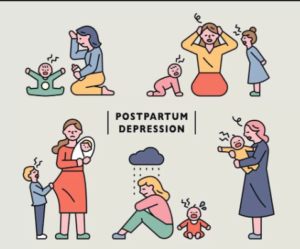
Postpartum depression — often used interchangeably with perinatal depression for the whole pregnancy-to-one-year window — is a mood disorder that can begin during pregnancy or after childbirth. Symptoms include persistent sadness, loss of pleasure, anxiety, sleep and appetite changes, feelings of worthlessness or guilt, and difficulty bonding with the baby. Unlike the transient “baby blues,” PPD is more intense, longer-lasting and clinically significant; estimates put global prevalence in the rough range of 10–20% of postpartum people, though numbers vary by setting and screening method.
Why this matters: PPD affects parental functioning, infant attachment and long-term child developmental outcomes if untreated. Early recognition, social support and evidence-based treatment (psychotherapy, medication when indicated, community supports) are crucial.
Why social media — especially Instagram — is relevant to new mothers
Instagram’s design emphasizes carefully curated visuals: single, scrollable image and short-video formats that reward highly polished, emotionally salient content. For parenting content this often looks like: staged photos of tidy homes, smiles, happy infants, sponsored “mommy must-haves,” and highlight-reel videos of “normal” days that are actually edited snippets. This constant stream of idealized snapshots promotes social comparison — the psychological process of evaluating oneself against others — which is linked to lower self-esteem and greater depressive symptoms in multiple populations.
Key mechanisms that make Instagram especially powerful:
-
Visual comparison: Photos and Reels highlight aesthetics (body, nursery, lifestyle) that are easy to compare.
-
Selective presentation: People share highlights, not the messy middle. “Perfect” moments are amplified, while fatigue, night-feeds, financial strain and emotional struggles are often hidden.
-
Engagement feedback loop: Likes, comments and follower counts provide external validation that some mothers may internalize as measures of parenting success.
-
Momfluencer economy: Influencers monetize aspirational motherhood, normalizing product-based solutions and curated identities.
What the research says — evidence that Instagram-style content can harm maternal well-being
A growing body of empirical studies specifically links exposure to idealized portrayals of motherhood on Instagram with negative outcomes for new mothers:
-
Idealized portrayals → envy and anxiety. Experimental and survey research has shown that viewing “picture-perfect” motherhood posts increases state anxiety and feelings of envy in postpartum women, and reduces parenting confidence in those with high social comparison tendencies.
-
Comparison + perfectionism = higher risk. Mothers with perfectionistic self-standards or strong tendencies to compare themselves to others are more likely to experience depressive symptoms after social media use. Social media intensifies perfectionism’s harms by offering endless standards to match.
-
Body image & pregnancy/postpartum. Studies link social media use to body dissatisfaction among pregnant and postpartum women — a known correlate and potential risk factor for depressive symptoms.
-
Use intensity and mental health. Broader research on social networking site intensity (time, emotional investment) shows associations with depressive symptoms across populations — suggesting that heavy, emotionally invested use during the postpartum period can be risky.
Taken together, the pattern is consistent: exposure to idealized motherhood, frequent upward social comparison, and heavy social media engagement are plausibly involved in creating emotional pressure that can contribute to PPD for vulnerable mothers. While social media is not the sole cause of PPD (biological, socioeconomic, and prior mental health factors matter), it can act as an environmental stressor or exacerbating factor.
Two illustrative pathways from Instagram to postpartum distress
-
Social comparison → shame → withdrawal:
A new mother sees a curated post of a breastfeeding mom in a bright kitchen whose baby is “always on schedule,” accompanied by glowing captions. The viewer compares herself (messy house, inconsolable baby, exhaustion), feels shame and incompetence, hides struggles offline, avoids asking for help, and becomes isolated — a classic pathway into depression. -
Perfectionism + influencer pressure → unhealthy coping:
A perfectionist mother consumes “postpartum fitness” Reels that promote quick body “recovery” products. She feels pressured to “fix” her body quickly, develops body dissatisfaction, experiences persistent negative rumination and worthlessness, and avoids eating or rests less — intensifying depressive and anxiety symptoms.
These are examples, not deterministic rules; many mothers use social media adaptively. But the pathways illustrate how content + personal vulnerabilities + lack of support can interact.

Who’s most vulnerable? Risk and protective factors
Higher risk of social media–triggered PPD if a mother has:
-
Prior depression, anxiety or trauma history.
-
High trait social comparison, perfectionism or low self-esteem.
-
Limited social support or high isolation (single parent, distant family).
-
Heavy, emotionally reactive use of Instagram (consuming and measuring self-worth by engagement).
-
Financial stressors, sleep deprivation, or physical health problems — any stressor that reduces buffering capacity for negative comparison.
Protective factors include: accurate information and screening from health services, strong family/community support, therapist access, digital literacy and a social media diet that includes supportive, real-life-focused content.
Signs that social media may be harming a new mother
If you or someone you care for shows some of these patterns after heavy Instagram use, it’s worth paying attention:
-
Frequent feelings of envy or inferiority after scrolling.
-
Persistent mood dip tied to checking feeds.
-
Avoidance of social contact or hiding struggles because of “not measuring up.”
-
Body dissatisfaction or disordered eating thoughts triggered by postpartum fitness content.
-
Increased anxiety about parenting decisions after seeing others’ posts.
-
Decreased sleep because of late-night scrolling and rumination.
-
Reduced self-care or increased self-blame despite objective caregiving efforts.
If these signs accompany sustained low mood, loss of interest, suicidal thoughts or inability to function, seek professional help immediately.
Practical recommendations — for mothers, partners, clinicians, and creators
For new mothers (practical, trauma-informed self-care)
-
Audit your feed. Unfollow accounts that trigger shame or comparison. Follow accounts that show realistic parenting, evidence-based information, and community support.
-
Limit passive scrolling; prioritize active connection. Use Instagram purposefully (to connect with close friends or support groups) rather than as habit. Set app limits or schedule “social media-free” hours, especially before bedtime.
-
Replace comparison with curiosity. When you notice a comparison thought, try to reframe: “That’s one snapshot” → “What challenges might be behind this post?”
-
Share the messy truth selectively. Vulnerable posts that seek real support (versus perfection) can draw authentic connection and reduce isolation.
-
Sleep-first approach. Prioritize sleep, ask for help, and reduce late-night scrolling. Sleep deprivation magnifies negative thinking and emotional reactivity.
-
Seek screening and help. If you feel persistently low for more than two weeks or have suicidal thoughts, contact your health provider, maternal mental health services, or emergency services.
For partners, family and friends
-
Ask, listen and validate rather than minimizing. (“It’s normal” can sound dismissive; instead: “I hear you — this must be exhausting.”)
-
Offer practical help (night feeds, meals, chores) which directly reduces stressors that amplify social media comparison.
-
Encourage screening and professional care if mood or functioning is impaired.
For clinicians / public health professionals
-
Screen routinely for perinatal mood disorders and ask about social media use patterns, not only hours but qualitative effects (comparison, envy, social feedback).
-
Psychoeducation: teach expectant/new parents about the curated nature of social media and strategies to reduce harm (feed curation, scheduled use).
-
Digital interventions: consider referral to evidence-based digital health supports or moderated peer groups shown to reduce isolation. Some digital interventions show promise in the first postpartum year.
For content creators and influencers
-
Be transparent: show both highs and lows; discuss postpartum struggles, not only products. This reduces unrealistic expectations and models help-seeking.
-
Label sponsored content and avoid promoting “quick fixes” for complex postpartum issues like mood and body image.
How to design healthier social media habits (a short action plan)
-
One-week challenge: track times and feelings before and after Instagram use. Note which accounts trigger negative feelings.
-
Clear the feed: unfollow 5 accounts that trigger guilt/shame; follow 5 supportive, evidence-based or realistic parents.
-
Schedule app-free windows: e.g., first hour after waking, last hour before sleep.
-
Use engagement tools: mute notifications, set screen-time limits, or use apps that block social media at night.
-
Practice a brief in-the-moment grounding tool: inhale 4, hold 4, exhale 6 — five breaths when you feel comparison spike. That reduces emotional reactivity.
These are small steps that reduce exposure and increase regulation capacity — both protective against depressive spirals.
Addressing common questions & myths
“If I avoid Instagram, I’ll miss parenting tips and community.”
You won’t have to give it up entirely. Curate your feed to include trusted professionals, peer support groups, and local parenting networks. Many supportive groups exist that normalize messy, real-time parenting rather than glamorized portrayals.
“Is social media the cause of my PPD?”
Typically no — PPD is multifactorial (biological, psychosocial, hormonal, environmental). But social media can be an important environmental stressor or amplifier for existing vulnerabilities. Clinicians will consider social media use as part of a comprehensive assessment.
“Are influencers always harmful?”
No. Some creators offer peer support, practical tips, and destigmatize mental health by sharing struggles. The harm arises when content is relentlessly idealized, monetized, and lacks transparency about limitations or support behind the scenes.
Policy implications and platform responsibilities
Given evidence that idealized portrayals can harm vulnerable users, platforms and policymakers can consider:
-
Algorithmic transparency and reduced amplification of content flagged as unrealistic or harmful in sensitive categories (parenting, body image).
-
Promoting supportive content: boost educational, recovery- and help-oriented posts from health organizations.
-
In-platform screening nudges: when users search for postpartum help, nudge them to evidence-based resources and crisis lines.
-
Creator guidelines: encourage creators to add “real life” context to posts and avoid presenting products as mental-health solutions.
Platforms have technical and ethical levers; thoughtful regulation and industry standards could reduce harms without stifling community.

Where to get help (resources)
If you’re worried about postpartum depression for yourself or someone else:
-
Primary care / obstetric provider: ask for screening and referral.
-
Perinatal mental health services / therapists trained in CBT, IPT or other perinatal therapies.
-
Local hotlines and crisis services — in emergencies, contact local emergency services.
-
Peer support groups (both offline and moderated online spaces that are evidence-informed).
-
Trusted information sources: WHO maternal mental health pages, UNICEF parenting resources, national maternal mental health organizations.
Quick summary — the takeaways
-
Postpartum depression is common, serious and treatable; social media is one of multiple environmental factors that can increase risk.
-
Instagram’s visual, curated design makes it an especially potent platform for social comparison, which research links to anxiety, envy and lower parenting confidence. a
-
Vulnerability is highest among parents with prior mental-health histories, limited support, high perfectionism and heavy social-media use intensity.
-
Practical steps — feed curation, scheduled use, sleep prioritization, safe disclosure, and professional screening — reduce harm and improve outcomes.
Suggested internal & external links (if you want to publish this on a site)
External (evidence & help):
-
WHO — Perinatal/Maternal mental health page. (World Health Organization)
-
StatPearls/NCBI on perinatal depression (clinical overview). (NCBI)
-
Recent reviews of digital health interventions for postpartum mental health. (PubMed Central)
-
Peer-reviewed study on Instagram motherhood portrayals (Kirkpatrick et al.).
Internal (ideas you can create on your blog / channel):
-
“How to audit your Instagram for mental wellness” — actionable checklist post.
-
“Real postpartum stories: not-curated interviews” — video series to normalize messy parenting.
-
“Where to find evidence-based postpartum help in [your city/region]” — a resource page.
Closing note — compassion first
Social media is not all bad: it can connect isolated parents, spread vital information, and create community. But the same tools can promoting unrealistic standards when left uncurated. For caregivers, partners and mental health professionals, the best approach is humane: listen, validate, screen for depression, and help mothers build both offline and online environments that support realistic, kind and evidence-based parenting. If you’re a new mother reading this: your struggles are real, you are not alone, and help — professional and human — is available.
Reference
-
Kirkpatrick CE, “Comparisons to picture-perfect motherhood: How Instagram’s idealized portrayals of motherhood affect new mothers’ well-being.” (Studies on Instagram portrayals). ScienceDirect+1
-
WHO — Perinatal mental health overview. World Health Organization
-
StatPearls / NCBI — Perinatal depression clinical overview. NCBI
-
Lewkowitz AK et al., systematic reviews on digital interventions for postpartum mental health. PubMed Central
-
Rosenbaum DL et al., (2024) study on social media use and pregnancy body image. PubMed Central
-
Research on social networking intensity and depressive symptoms (JMIR 2023). JMIR
-
Additional prevalence and epidemiology reviews (MDPI 2025; Amer et al. 2024). MDPI+1
- Can Fathers Also Get Postpartum Depression? The Silent Struggle No One Talks About
- How Long Does Postpartum Depression Last? What Every Mother Needs to Know