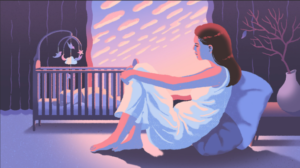
The Cost of Always Being the Strong One

People come to you when everything goes wrong.
You remain composed when things are out of control and even when your own chest is tight.
You are a good listener, able to listen without interruption, a good non-judgemental holder of space, a problem-solver who is quiet enough to have your own feelings on the backburner.

And nobody seems to see when you are tired–because you have perfected concealing it.

It is commonly endorsed as resilience, maturity, or emotional intelligence to be the strong one. Your composure and steadiness is the admiration of people. However, under the admiration, there is an emotional price that is seldom realized. When strength becomes a role rather than a choice, it gradually becomes a burden, a burden that you bear without any more than an expression, without any protest, because that is what you are supposed to bear.

Your own strength, previously your safeguard, and formerly your strength, starts to suck you out. And not because you are weak, but because the greatest nervous system, the strongest system, must rest and have care and be supported.

The Invisible Contract of Strength

Most individuals grow up to be the strong one at a young age not necessarily of their choice, but due to circumstances. Grit was not an option; rather it was a coping mechanism of survival.

  • You learned that you must not cry as it was the reliance of others that demanded you not to cry and express yourself, as it was unsafe or inconvenient.
  • learned to contain emotions, instead of displaying them and turn feelings into something that could be controlled, and not shared.
  • You were taught that you could postpone meeting your needs–sometimes forever–because keeping it together was the first before you put in your clothes.

This gradually leads to the establishment of an unwritten agreement with the world: I will remain calm in order to make other people feel safe.
You are the one that sticks, the one that can be depended on, the one that does not disintegrate at least not before anyone can notice.

With time, strength ceases to be a characteristic one draws and a character one lives within. And identities and those which are founded on survival are difficult to get out of, even when they have begun to cost you, your rest, your tenderness, and your feeling of being taken care of.

Emotional Labor Without Rest

Being the strong one can be doing all the time emotional work, the work that goes unseen, unpaid, and unrecognized.

  • You also control your emotions so that you do not disturb other people and learn to make your pain as insignificant as possible to make their life comfortable.
  • Take on the burden of other people without offloading your own, to be the vessel that holds the unhappy feelings that no one can express.
  • You are the safe haven of the rest of them but you seldom get heard.

Slowly your nervous system is kept in a kind of silent watchfulness–in a permanent state of alertness, in an intermittent state of rest. You are held in position even when you are not in motion, trying to figure out what is going to happen next.

This is not draining you emotionally because you are weak, but this is not the purpose of human beings to shoulder emotional burden alone. Connection is to be two-way. The exhaustion is not a vice when the support is flowing in one way only: it is a biological and emotional phenomenon.

When Support Becomes One-Directional

Powerful individuals are commonly believed to be fine. Their silence is interpreted as the fact that nothing is amiss, and their quietness is perceived as power instead of the struggle.

  • No one, then, looks deep in–enquiries are superficial–asked at all.

  • we are silent, therefore, thinking that it is stable and that we are not talking about pain, that it is not there.
  • Your limits are hardly ever questioned, as it is believed that you can do more, be more, take more.

Gradually, the requesting of assistance can gradually cease to occur, not because the need has been fulfilled, but because it no longer feels necessary to strain others, or because there are times when assistance has come at all when it has been requested. Needs are privatised, expectations are reduced and self-sufficiency is the surest way out.

Isolating emotionally is created gradually, not with a bang, but with a whimper, in the name of being independent. At first sight, it can seem to be strength. On the one hand, it can be rather like being alone with too much to be carried.

The Hidden Grief of the Strong

It is sorrowful to be the strong one–sorrow that is not much spoken, and is seldom named, and has to be borne by the individual.

  • Sorrow in the embrace that you did not have at the time you needed it the most.
  • The sweetness which you had delayed, and said you would sleep by and by, and feel by and by, and be by and by.
  • Sorrow over the weakness you ingested, knowing since you were young that weakness can be neither safe nor desirable to express.

Accomplishing this sadness, there might also be guilt in desiring rest as though fatigue is a personal vice. Shame can be experienced in being tired when you are managing everything. And confusion may come to rest in where nothingness appears despite doing everything and keeping it all together.

But emotional exhaustion is not failure–it is a message. A silent communication of your nervous system requesting you to be noticed, nurtured and given to take a break after carrying too much far too long.

Strength Is Not the Absence of Need

Emotional suppression is not a strength.
It is not being quiet, accepting whatever, or doing it by any means.
Emotional honesty is the real strength and that is the strength to be truthful to what is in your heart.

It is permitting oneself to say, without any explanation or apology:

  • “I’m not okay today.”
  • “need support too.”
  • “I don’t have to earn rest.”

The process of healing starts with strength being loose instead of hard, with stamina being soft as well as strong, with self-reliance allowing connection. You do not need to work hard to earn your safety, when you permit yourself to be grasped, not to grasp others, your nervous system comes to understand that you do not need to work hard to get safety. There are cases when it is just received.

Relearning Balance

When you are the strong, ask yourself–ask him–ask me–ask him:

And when I am not okay, where did I get to know that I always have to be okay?
What will I be when I cease to act out resilience and permit myself to exist?
What do you think it would be like to have that same care, patience and understanding given to me with the same free hand that I so readily dispense to others?

Such questions are not to be answered in a short period. They are entreaties to observe that which has long been carried.

  • Resting does not make you lose your power.
  • Do not shrink into ineptitude by seeking assistance.
  • It is not being a human that disappoints anyone.

Power was not supposed to entail self-abandonment. It was to be combined with tenderness, support and rest.

A Reframe Worth Remembering

You are not so tough in that you can take everything and not break.

You are tough since you evolved-because you studied to live in places where you needed to be strong before you were prepared to be strong.

  • Now you may have something new.
  • Connection over endurance.
  • Support over silence.
  • Power.

When you rest you do not lose your strength. It evolves. It is something that you live on, not something that you pay on.

FAQs

1. Why is it so emotionally exhausting to be the strong one?

Since it is a matter of constant emotional control, personal needs repression, and one-sided aid, exhausting the nervous system in the long run.

2. Does emotional exhaustion mean one is weak?

No. Emotional exhaustion is a biological and mental reaction to the stress and to unmet emotion needs over a long period of time.

3. Why do powerful individuals hardly obtain support?

They are presumed to be fine and that is why other people forget that they need to be cared about and have emotional check-ins.

4. Is there a role of childhood experiences that forms the strong one?

Yes. Strength is taken by many as an early survival tactic in an emotionally unsafe or demanding environment.

5. What is emotional labor?

Emotional labor is the process of controlling emotions – yours and those of other people – to ensure stability, comfort or harmony.

6. What is the impact of emotion suppression on mental health?

It exerts more stress, emotional numbness, anxiety, burnout, and may lead to depression in the long run.

7. Why has it happened that tough individuals are guilty of taking a break?

Since being useful, enduring, or responsible has already associated the self-worth of the person, rest might feel unworthy.

8. What is it like to experience nervous system exhaustion?

Constant fatigue, emotional detachment, irritability, hyper vigilance, inability to relax or being empty.

9. Is it always healthy to be independent?

Not when it covers emotional isolation. The capacity to be assisted is also a part of healthy independence.

10. How can powerful individuals embark on seeking assistance?

Their small steps can help them: first naming their feelings, selective sharing, and reminding themselves that support is not their responsibility.

11. What does it mean by trauma-informed strength?

Power which is flexible, emotional integrity, rest and relationship as opposed to perpetual effort.

12. Do we need therapy among people who are always strong?

Yes. In therapy there is a safe space where suppressed emotions are relieved and learning reciprocal care re-learned.

13. Why is it that being strong causes burnout?

The continuous self-control in the absence of emotional discharge is too much to the mind and body.

14. What is your ratio of strength and softness?

Trying to be vulnerable, demarcating boundaries and providing yourself with the kind of care you provide to others.

15. How do you begin healing the emotional fatigue?

Not being ashamed of feeling tired and allowing yourself to require assistance.

Written by Baishakhi Das

Counselor | Mental Health Practitioner
B.Sc, M.Sc, PG Diploma in Counseling


✅ Reference

  1. American Psychological Association – Stress & Burnout
    https://www.apa.org/topics/stress

  2. National Institute of Mental Health – Coping With Stress
    https://www.nimh.nih.gov/health/topics/stress

  3. Polyvagal Theory & Nervous System Regulation – Dr. Stephen Porges
    https://www.polyvagalinstitute.org

  4. Emotional Labor & Mental Health – Psychology Today
    https://www.psychologytoday.com/us/basics/emotional-labor

  5. Trauma and the Body – Bessel van der Kolk
    https://www.traumaresearchfoundation.org

  6. Feeling Behind “Not Good Enough”

This topic performs well due to rising searches around men’s mental health, workplace stress, and burnout recovery. Combining emotional insight with practical steps increases engagement and trust.

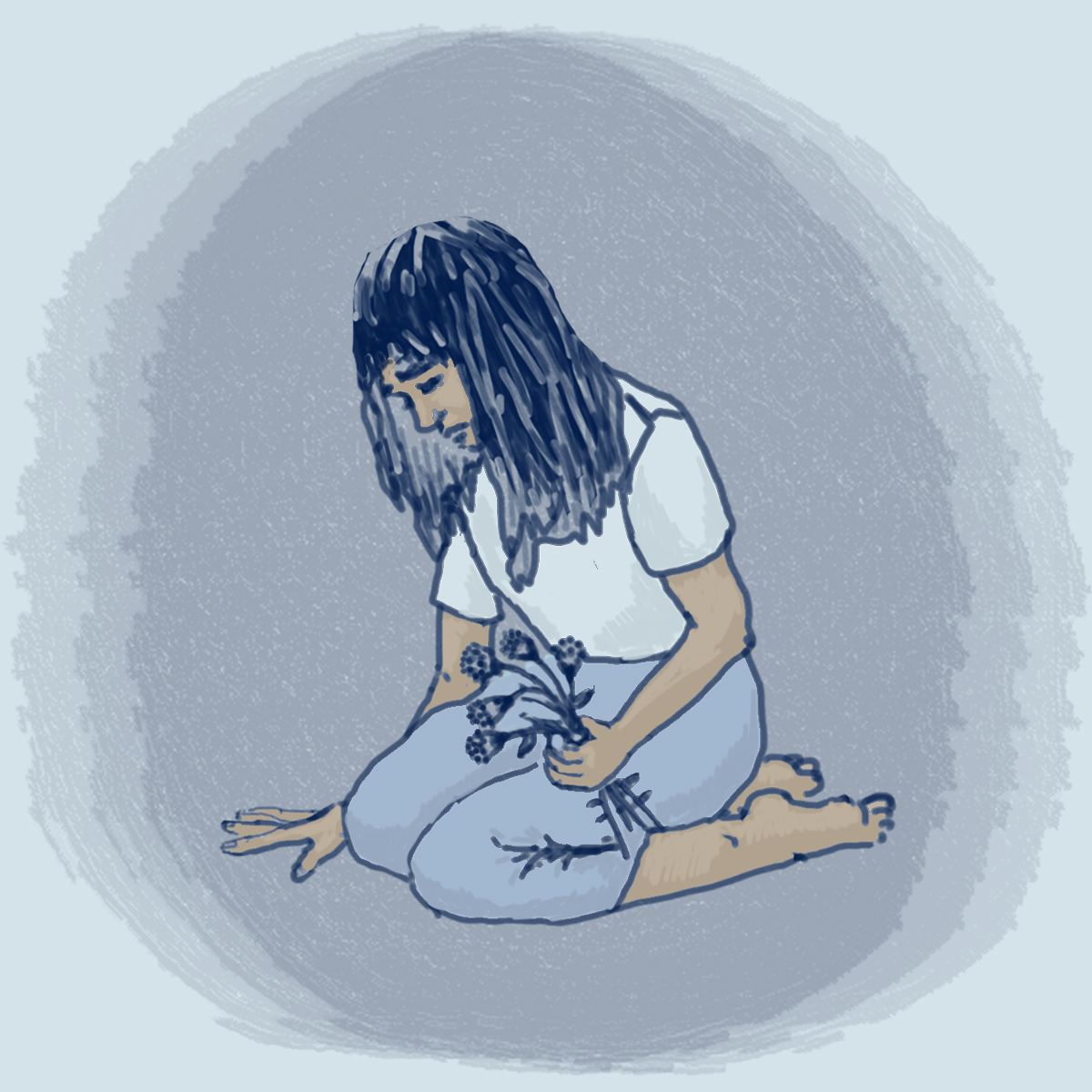
How Childhood Silence Creates Emotionally Detached Adults

Silence in childhood is often misunderstood. From the outside, a quiet child may appear obedient, mature, or “well-behaved,” and is often praised for not causing trouble or demanding attention. Adults may assume the child is emotionally strong or easy to manage. But inside, that silence can be a powerful survival strategy—one learned in environments where emotions were ignored, dismissed, punished, or simply never welcomed. The child learns, often unconsciously, that expressing feelings leads to discomfort, rejection, or conflict, while staying quiet keeps them safe and accepted.

Over time, this pattern becomes deeply ingrained. The child stops checking in with their own emotions and instead focuses on reading the room, pleasing others, or staying invisible. Emotional needs are pushed aside because they feel inconvenient or dangerous. As the child grows, the silence doesn’t disappear; it evolves. In adulthood, it often shows up as emotional detachment—difficulty identifying feelings, discomfort with vulnerability, or a sense of numbness in relationships. What once protected the child becomes a barrier to connection, intimacy, and emotional fulfillment later in life.

When Silence Becomes Safety

Many children learn early that expressing feelings leads to negative outcomes. Crying may invite ridicule or anger, asking for comfort may be called weakness, and sharing thoughts may bring criticism or punishment. In such environments, silence becomes protection. The child learns, often unconsciously, “If I don’t speak, I won’t be hurt.” This is not a choice, but an adaptive response of the nervous system trying to ensure safety.

Over time, the child becomes highly attuned to others’ moods and expectations. Instead of expressing emotions, they monitor their surroundings and adjust themselves. Anger is suppressed, sadness swallowed, fear ignored—creating inner tension beneath a calm exterior.

When feelings are repeatedly invalidated, the child may disconnect from their inner world altogether. This can lead to emotional numbness, self-doubt, or confusion about what they truly feel. Silence helps them survive, but at the cost of emotional expression.

In adulthood, this pattern often continues as conflict avoidance, people-pleasing, or difficulty asking for help. What once kept the child safe becomes automatic. Understanding this allows silence to be seen not as weakness, but as resilience—and a starting point for healing.

Emotional Neglect and the Missing Mirror

Healthy emotional development depends on mirroring—caregivers noticing a child’s emotions, naming them, and responding with empathy. When a child is upset and an adult says, “You’re sad, and that makes sense,” the child learns to recognize, trust, and regulate their inner experience. This process builds emotional clarity and a sense of being understood.

When mirroring is absent, children are left alone with feelings they don’t understand. They may feel tightness in their chest, restlessness, or heaviness, but have no words or safe space to express it. Instead of learning what they feel and why, they learn that emotions are confusing, invisible, or unimportant.

Over time, the nervous system adapts by pushing emotions out of awareness. The child becomes skilled at suppression rather than processing. This can result in emotional numbness, chronic self-doubt, or a disconnection from one’s own needs. Without a mirror, the child grows up unsure of their emotional reality—learning how to function, but not how to feel.

The Freeze Response

Chronic emotional invalidation often activates a freeze response in the nervous system. When a child repeatedly learns that expressing emotions leads to dismissal, punishment, or shame, neither fighting nor fleeing feels safe. Instead, the body chooses shutdown. This response may appear as quietness or calm, but internally it is a state of immobilization and emotional holding.

Over time, the child becomes disconnected from their emotional signals as a way to endure the environment. In adulthood, this early survival strategy may show up as emotional flatness, delayed or muted reactions, difficulty expressing needs, or an inability to access feelings even during major life events. What once protected the child can later limit emotional engagement—until it is gently recognized and addressed.

Growing Up Without a Voice

Adults who grew up in emotional silence often struggle to express needs or boundaries. They may feel uncomfortable sharing feelings, fear being “too much,” or believe their emotions don’t matter. Relationships can feel confusing—they crave closeness but pull away when intimacy requires vulnerability. Emotional detachment becomes a learned way to stay safe.

Mislabelled as Cold or Uncaring

Emotionally detached adults are often misunderstood. They may be labeled as distant, cold, or emotionally unavailable. In reality, many of them feel deeply but learned early that emotional closeness was unsafe. To avoid pain, disappointment, or rejection, they adapted by disconnecting from their feelings.

Detachment is not a lack of emotion—it is a protective strategy. It develops when emotions were once overwhelming, ignored, or punished. While this defense can create distance in relationships, it also reflects resilience: a nervous system that learned how to survive when emotional safety was missing. Recognizing this reframes detachment not as a flaw, but as a response that can be softened with safety, awareness, and support.

Healing the Silence

Healing begins with recognizing that silence once served a purpose—it was a form of protection. Meeting this pattern with self-compassion is essential, not self-judgment. The goal is not to erase the past, but to understand it.

With support through therapy, journaling, and emotionally safe relationships, emotional awareness can slowly be rebuilt. Learning to notice sensations, name feelings, tolerate discomfort, and express needs helps the nervous system relearn safety. Over time, what was once silence used for survival can become a conscious choice—allowing space for voice, connection, and emotional presence.

A Final Reflection

If you struggle with emotional detachment, it does not mean you are broken or incapable of connection. It means you adapted to an environment where silence felt safer than expression, and emotional distance was a form of self-protection. These patterns were learned in response to what you needed to survive—not because there is something wrong with you.

What was learned for survival can be gently unlearned with time. Through patience, support, and emotionally safe relationships, the nervous system can relearn that it is okay to feel, to express, and to be seen. Healing is not about forcing emotions to appear, but about creating enough safety for them to emerge naturally.

Your emotions were always valid. They were never absent or weak—they were simply waiting for a space where they would not be judged, dismissed, or punished. And in the right conditions, they can find their voice again.

FAQs about Emotional Detachment

  1. What is emotional detachment?
    Emotional detachment refers to a reduced ability or unwillingness to connect emotionally with oneself or others. It can be voluntary or a coping strategy developed over time.
  2. Is emotional detachment the same as emotional numbness?
    They overlap. Emotional detachment often includes emotional numbness (flat affect), where one feels disconnected from feelings.
  3. Why do people become emotionally detached?
    It can develop from early life trauma, chronic invalidation, neglect, high stress, or as a protective strategy during overwhelming experiences.
  4. Can emotional detachment be temporary?

Yes — it can be a short-term response to acute stress or loss, and it can also become chronic if repeatedly reinforced.

5. What are common signs of emotional detachment?
These include difficulty expressing emotions, feeling disconnected, lack of empathy, withdrawal from relationships, or appearing unaffected by situations others find emotional.

6. Is emotional detachment a mental health disorder?
Not by itself — it’s a symptom or response pattern that can be part of other conditions (e.g., depression, PTSD) but not a standalone diagnosis in most systems.

7. How does childhood neglect contribute?
When caregivers consistently fail to recognize or validate a child’s feelings, the child may learn to shut down emotional awareness as a survival strategy.

8. Can medication cause emotional detachment?
Some medications, particularly certain antidepressants, can alter emotional responsiveness as a side effect.

9. Can emotional detachment interfere with relationships?
Yes — it can make intimacy, empathy, trust, and communication more challenging.

10. Is emotional detachment always bad?

Not always — in some situations, detachment can help maintain boundaries or protect mental health temporarily.

11. How can someone start reconnecting with feelings?
Therapy, mindfulness practices, journaling, and safe emotional relationships can help rebuild emotional awareness and expression.

12. How long does recovery take?
There’s no fixed timeline — progress depends on individual history, support systems, and consistency of healing practices. Therapeutic work often unfolds over months to years.

13. Can emotional detachment be fully healed?
Many people experience significant improvement with the right support, learning new emotional skills and safety over time.

14. Should I see a professional therapist if I struggle with detachment?

Yes — especially if detachment affects your relationships, daily functioning, or sense of self. A mental health professional can guide personalized healing.

15. Is emotional detachment common?
It’s relatively common, especially among people who’ve experienced chronic stress, early neglect, or trauma — and you’re not alone in it.

Written by Baishakhi Das

Counselor | Mental Health Practitioner
B.Sc, M.Sc, PG Diploma in Counseling

Reference

Emotional detachment overview (Wikipedia) — definition, causes, and psychological context. Emotional detachment – Wikipedia

Healthline article — explains what emotional detachment is and how it can develop as a response to stress or trauma. Emotional detachment: What it is and how to overcome it (Healthline)

Verywell Mind guide — accessible explanation of emotional detachment as a coping mechanism and its effects on well-being. How to Identify Emotional Detachment and Overcome It (Verywell Mind)

Psychology Today article — discusses emotional detachment and how it shows up in behavior and relationships. What It Means to Be Emotionally Detached (Psychology Today)

Why You Shut Down Instead of Crying: A Trauma Response

This topic performs well due to rising searches around men’s mental health, workplace stress, and burnout recovery. Combining emotional insight with practical steps increases engagement and trust.

How Childhood Emotional Neglect Affects Adults

A Deep Psychological Explanation

https://res.cloudinary.com/psychwire/image/upload/v1594102052/pw-client-uploads/ih1hfuxdufzxk4cmmfbl.jpg

Childhood Emotional Neglect (CEN) remains one of the most overlooked yet deeply impactful psychological wounds. Unlike abuse, it centers not on harmful events, but on what caregivers failed to provide—emotional attunement, validation, and responsiveness.

Many adults experience emptiness, emotional confusion, relationship difficulties, or chronic self-doubt without recognizing these struggles as trauma. They often dismiss their pain because nothing “obviously bad” happened. However, the lack of emotional care shapes development in powerful and lasting ways.

This article explores how childhood emotional neglect influences adults, drawing on psychological theory and counseling practice to explain its long-term effects.

What Is Childhood Emotional Neglect?

Childhood Emotional Neglect (CEN) occurs when caregivers consistently do not respond to a child’s emotional needs, even while they meet physical and material needs. Rather than involving cruelty or intentional harm, emotional neglect stems from emotional absence—the care, attunement, and validation the child needed but did not receive.

Emotional neglect happens when caregivers regularly do not:

  • Notice a child’s emotions (sadness, fear, excitement, anger)

  • Respond with empathy and validation (“I see you,” “That makes sense”)

  • Help the child understand and regulate emotions, especially during distress

Over time, the child learns that caregivers ignore or minimize emotions and treat them as inconvenient. In response, the child turns feelings inward, suppresses emotional expression, and dismisses personal needs.

Emotional Neglect Is Often Missed

Importantly, childhood emotional neglect can exist even in families that appear:

  • Stable

  • Well-intentioned

  • Financially secure

  • Non-abusive

Caregivers may provide food, shelter, education, and discipline—yet lack emotional attunement. They may be emotionally unavailable due to stress, mental health struggles, generational patterns, or simply never having learned emotional skills themselves.

Because nothing “obviously bad” happened, emotional neglect often goes unrecognized—by parents, professionals, and even the child themselves.

A child in such an environment may think:

  • “I shouldn’t feel this way.”

  • “My feelings don’t matter.”

  • “I should handle things on my own.”

These beliefs form quietly and early, shaping emotional development without leaving clear memories.

The Invisible Nature of Emotional Neglect

Psychologist Jonice Webb famously describes childhood emotional neglect as “the invisible trauma.” Unlike abuse or overt neglect, it leaves:

  • There is no single defining event
  • There are no clear memories or narratives
  • The impact exists without visible evidence

Instead, it leaves long-term emotional consequences—such as emotional numbness, emptiness, difficulty identifying feelings, and struggles with connection in adulthood.

The pain of emotional neglect is not about what happened.
It is about what never happened when it mattered most.

A Key Understanding

Childhood emotional neglect does not mean caregivers did not love the child.
It means the child’s emotional world was not sufficiently seen, named, or supported.

And because emotional skills are learned through relationship, what was missed in childhood can still be learned later—with awareness, compassion, and the right support.

How Emotional Neglect Develops 

Emotional neglect does not usually occur because caregivers are intentionally harmful. More often, it develops in environments where caregivers are unable—not unwilling—to meet a child’s emotional needs.

Emotional neglect commonly arises when caregivers are:

  • Emotionally unavailable or chronically overwhelmed, leaving little space for emotional attunement

  • Depressed, anxious, or under severe stress, making it difficult to notice or respond to a child’s inner world

  • Focused on achievement, behavior, or performance rather than feelings and emotional expression

  • Uncomfortable with emotions, whether their own or the child’s, often dismissing feelings as weakness, drama, or inconvenience

In such environments, emotions are not explicitly rejected—but they are consistently unmet.

The Child’s Psychological Adaptation

Children are biologically wired to maintain connection with caregivers. When emotional needs are not responded to, children do not conclude that caregivers are failing. Instead, they turn the meaning inward.

Rather than blaming caregivers, the child adapts by adjusting their emotional expression and expectations. This adaptation is a survival response—not a conscious choice.

Over time, the child learns powerful internal messages such as:

  • “My feelings don’t matter.”

  • “I shouldn’t need help.”

  • “Something is wrong with me for feeling this way.”

These beliefs help the child reduce emotional expression to preserve attachment and avoid further emotional disappointment.

Emotional Learning Before Words

Crucially, these lessons are learned before language fully develops. They are not stored as clear thoughts or memories, but as felt experiences in the nervous system.

As a result, emotional neglect becomes part of the child’s:

  • Emotional regulation patterns

  • Self-worth

  • Comfort with vulnerability

  • Ability to seek support

Because this learning is pre-verbal, adults often struggle to explain why they feel emotionally numb, overly independent, or undeserving of care. The feelings exist without a story.

A Key Insight

Emotional neglect is not about what children are told—it is about what they repeatedly experience.

And what is learned through early emotional absence becomes part of emotional wiring—until it is gently recognized and healed later in life.

The Core Psychological Impact

1. Disconnection From Emotions

One of the most significant effects of childhood emotional neglect is emotional disconnection.

As adults, individuals may:

  • Struggle to identify what they feel

  • Feel emotionally numb or empty

  • Say “I don’t know” when asked about emotions

  • Suppress feelings automatically

This is not emotional weakness—it is a learned survival strategy.

2. Chronic Emptiness and “Something Is Missing”

Many adults affected by emotional neglect describe:

  • A persistent inner emptiness

  • A sense that life feels flat or unfulfilling

  • Difficulty enjoying achievements or relationships

Because emotions were never mirrored or validated, the inner emotional world feels underdeveloped, leading to a quiet but constant sense of lack.

3. Low Emotional Self-Worth

Emotional neglect teaches a child that:

  • Their inner experiences are unimportant

  • Needs are burdensome

  • Asking for support is unsafe

As adults, this shows up as:

  • Minimizing personal needs

  • Feeling undeserving of care

  • Guilt for wanting attention or reassurance

  • Difficulty receiving help

This is not low confidence—it is low emotional self-worth.

Effects on Adult Relationships

4. Difficulty With Intimacy and Vulnerability

Adults who experienced emotional neglect often struggle to:

  • Express needs clearly

  • Share emotions comfortably

  • Trust others with vulnerability

They may appear independent and self-sufficient, but internally feel disconnected or lonely.

Closeness can feel unfamiliar—or even unsafe.

5. Attraction to Emotionally Unavailable Partners

Because emotional absence was familiar in childhood, adults may feel drawn to:

  • Distant partners

  • Inconsistent relationships

  • One-sided emotional dynamics

This is not poor choice—it is nervous system familiarity. The body recognizes emotional distance as “normal.”

6. Fear of Being a Burden

Many adults with emotional neglect history:

  • Avoid asking for support

  • Downplay struggles

  • Over-function in relationships

  • Feel ashamed of emotional needs

They learned early that emotions were ignored, so they protect themselves by needing less.

Impact on Mental Health

Childhood emotional neglect is linked to:

  • Anxiety

  • Depression

  • Emotional numbness

  • Burnout

  • Perfectionism

  • Chronic self-criticism

  • Difficulty with self-compassion

Often, people seek therapy saying:

“Nothing terrible happened, but I don’t feel okay.”

That “nothing” is often emotional neglect.

Why Emotional Neglect Is Hard to Recognize

Emotional neglect is difficult to identify because:

  • There are no clear memories of harm

  • Caregivers may have meant well

  • Society minimizes emotional needs

  • The pain is internal, not visible

Many adults invalidate their own experiences, believing:

  • “Others had it worse.”

  • “I shouldn’t feel this way.”

This self-doubt is itself a consequence of neglect.

Healing From Childhood Emotional Neglect

Healing does not involve blaming caregivers. It involves meeting unmet emotional needs—now.

Psychological healing includes:

  • Learning emotional awareness

  • Naming and validating feelings

  • Building emotional self-compassion

  • Allowing needs without shame

  • Experiencing safe emotional relationships

  • Therapy that emphasizes emotional attunement

The goal is not to relive the past, but to re-parent the emotional self with care and consistency.

A Crucial Therapeutic Insight

Childhood emotional neglect does not mean you were unloved.
It means your emotional world was not fully seen.

And what was missed can still be learned.

Closing Reflection

Childhood emotional neglect shapes adults quietly, deeply, and invisibly. But awareness transforms invisibility into understanding—and understanding opens the door to healing.

You are not broken.
You were emotionally unsupported.
And support can still be built.

Frequently Asked Questions (FAQ)

1. What causes childhood emotional neglect?

Childhood emotional neglect develops when caregivers are emotionally unavailable, overwhelmed, or uncomfortable with emotions. It is often unintentional and linked to stress, mental health struggles, or generational patterns of emotional suppression.


2. Can emotional neglect happen in loving families?

Yes. Emotional neglect can occur in families that are loving, stable, and well-intentioned. A child may receive food, shelter, and education, yet lack emotional validation, attunement, and guidance.


3. Why don’t children blame caregivers for emotional neglect?

Children are biologically wired to maintain attachment. To preserve connection, they adapt by blaming themselves rather than questioning caregivers. This self-blame becomes internalized as emotional beliefs.


4. How does emotional neglect affect emotional development?

Emotional neglect interferes with the development of emotional awareness, regulation, and self-worth. Children learn to suppress feelings, minimize needs, and become emotionally self-reliant too early.


5. Why is emotional neglect hard to remember?

Because emotional neglect is about absence, not events. It is learned pre-verbally and stored in the nervous system rather than as clear memories, making it difficult to identify in adulthood.


6. Can emotional neglect be healed later in life?

Yes. Emotional skills can be learned at any age. Healing involves emotional awareness, self-compassion, safe relationships, and therapy that focuses on emotional attunement and regulation.


7. Is emotional neglect considered trauma?

Yes. Many psychologists consider emotional neglect a form of relational or developmental trauma, even though it may not involve overt abuse or single traumatic events.

Written by Baishakhi Das

Counselor | Mental Health Practitioner
B.Sc, M.Sc, PG Diploma in Counseling


Reference


How to Support a Man Who Is Struggling Mentally

Introduction: Supporting Men Requires Understanding, Not Fixing

When a man struggles mentally, the signs are often subtle, indirect, or misunderstood. He may not say, “I’m depressed” or “I’m anxious.” Instead, he may become irritable, withdrawn, emotionally distant, overworked, or physically unwell. Many well-meaning partners, family members, and friends feel confused—wanting to help but unsure how to support without pushing, judging, or making things worse.

Men are less likely to seek mental health support, yet they face higher risks of untreated depression, substance use, and suicide. According to the World Health Organization, men worldwide underutilize mental health services despite significant emotional burden.

This article is a comprehensive, trauma-informed guide on how to support a man who is struggling mentally—whether he is your partner, husband, brother, father, friend, or colleague—without becoming his therapist or losing yourself in the process.

Understanding How Men Experience Mental Health Struggles

Men Often Show Distress Differently

Men’s mental health struggles often look like:

  • Anger or irritability

  • Emotional numbness

  • Silence or withdrawal

  • Overworking

  • Risk-taking behaviors

  • Substance use

  • Physical complaints

These behaviors are frequently mistaken for lack of care, laziness, or attitude problems, when they are actually coping mechanisms for emotional pain.

Why Men Struggle to Ask for Help

1. Masculinity Conditioning

Many men grow up hearing:

  • “Don’t cry.”

  • “Be strong.”

  • “Handle it yourself.”

Over time, vulnerability becomes associated with weakness and shame.

2. Fear of Burdening Others

Men often believe their problems will:

  • Worry loved ones

  • Make them appear incompetent

  • Reduce respect

Silence feels safer than emotional exposure.

3. Limited Emotional Vocabulary

Many men were never taught to identify or express emotions, making it genuinely difficult to articulate what they’re experiencing.

The Most Important Rule: You Cannot Fix Him

Support is not about:

  • Forcing him to talk

  • Giving constant advice

  • Monitoring his emotions

Support is about safety, presence, and consistency.

Healing happens when a man feels:

  • Accepted

  • Not judged

  • Not rushed

  • Not controlled

Step 1: Recognize the Warning Signs Early

You may notice:

  • Personality changes

  • Increased anger or withdrawal

  • Loss of interest in things he once enjoyed

  • Sleep or appetite changes

  • Emotional numbness

  • Increased alcohol or substance use

Early recognition prevents crises.

Step 2: Create Emotional Safety Before Conversation

Before talking:

  • Regulate your own emotions

  • Let go of the need to “fix”

  • Be prepared to listen more than speak

Men open up when they feel safe—not cornered.

Step 3: How to Start the Conversation

Use Observation, Not Accusation

❌ “You’re always angry.”
✅ “I’ve noticed you seem more stressed lately, and I care about you.”

Lead With Care

“I’m not trying to push you. I just want to understand what you’re going through.”

This reduces defensiveness.

Step 4: How to Listen Without Making It Worse

1. Don’t Rush to Solve

Many men shut down when conversations turn into problem-solving sessions.

Instead of:
❌ “Just relax.”
Try:
✅ “That sounds really heavy.”

2. Validate Before Responding

Validation means:

  • Acknowledging feelings

  • Not minimizing

  • Not comparing

“It makes sense that you feel overwhelmed.”

3. Allow Silence

Silence often means processing—not resistance.

Step 5: Respect His Pace

Some men:

  • Open up slowly

  • Share in fragments

  • Need breaks from emotional talk

Pushing too hard can trigger shutdown.

Step 6: Support Without Becoming the Therapist

Healthy support includes:

  • Listening

  • Encouraging rest

  • Normalizing help

Unhealthy support includes:

  • Emotional rescuing

  • Constant checking

  • Neglecting your own needs

You are a supporter—not a mental health professional.

Step 7: Encourage Professional Help Gently

Many men fear therapy.

Reframe Therapy As:

  • Stress management

  • Skill-building

  • Mental fitness

Instead of:
❌ “You need therapy.”
Try:
✅ “Would you be open to talking to someone who helps people manage stress and pressure?”

The American Psychiatric Association emphasizes that therapy is effective for everyday stress, not only severe mental illness.

Step 8: When He Refuses Help

You cannot force change—but you can:

  • Keep communication open

  • Normalize mental health care

  • Set boundaries if behavior affects you

Support does not mean tolerating harm.

Step 9: Supporting Men With Trauma Histories

Men with childhood trauma may:

  • Struggle with trust

  • React defensively

  • Avoid vulnerability

Trauma-informed support includes:

  • Patience

  • Predictability

  • Non-judgment

  • Encouraging professional help

Step 10: Watch for Crisis Signs

Seek immediate professional help if you notice:

  • Talk of hopelessness or escape

  • Severe withdrawal

  • Heavy substance use

  • Reckless behavior

  • Self-harm thoughts

According to the National Institute of Mental Health, early intervention significantly improves outcomes.

Step 11: How Culture Affects Men’s Mental Health

In many cultures:

  • Men are expected to suppress emotions

  • Mental health is stigmatized

  • Help-seeking is discouraged

Breaking these patterns within families and relationships saves lives.

Step 12: Supporting Without Losing Yourself

Supporting someone mentally struggling can be exhausting.

You are allowed to:

  • Set emotional boundaries

  • Seek your own support

  • Take breaks

Two regulated nervous systems heal better than one overwhelmed one.

Step 13: What Real Progress Looks Like

Progress may be:

  • Less anger

  • Small emotional disclosures

  • Willingness to rest

  • Considering support

Healing is not linear.

Common Mistakes to Avoid

  • Minimizing feelings

  • Comparing struggles

  • Using ultimatums too early

  • Taking behavior personally

  • Expecting quick change

How Friends, Families & Colleagues Can Help

  • Check in without pressure

  • Normalize conversations

  • Avoid jokes about emotional weakness

  • Encourage balance and rest

Support does not require closeness—only care.

Conclusion: Support Is Presence, Not Perfection

Supporting a man who is struggling mentally is not about having the right words—it’s about creating safety, consistency, and dignity.

The most powerful messages you can offer are:

  • “You’re not weak.”

  • “You’re not a burden.”

  • “You don’t have to do this alone.”

When men feel emotionally safe, healing becomes possible.

Frequently Asked Questions (FAQ)

1. How can I tell if a man is struggling mentally?

Men often show mental distress through anger, withdrawal, emotional numbness, overworking, substance use, or physical complaints rather than sadness. Sudden personality changes, isolation, or irritability are important warning signs.


2. What is the best way to support a man emotionally?

The most effective support is listening without judgment, validating feelings, and creating emotional safety. Avoid trying to fix or control the situation. Consistent presence matters more than advice.


3. Should I push him to talk about his feelings?

No. Pressuring a man to open up can increase emotional shutdown. Let him know you’re available, respect his pace, and keep the door open for conversation without forcing it.


4. Is anger a sign of mental health problems in men?

Yes. In men, anger and irritability are often masked symptoms of depression, anxiety, or chronic stress rather than personality flaws.


5. How do I help without becoming his therapist?

You can support by listening, encouraging rest, and normalizing help—but you should not take responsibility for his healing. Professional help is important, and your own boundaries matter.


6. How can I encourage therapy without offending him?

Reframe therapy as skill-building or stress management, not weakness.
For example: “Would you be open to talking to someone who helps people handle pressure better?”
The American Psychiatric Association confirms therapy helps with everyday stress—not only severe illness.


7. What if he refuses professional help?

You cannot force someone to seek help. You can:

  • Normalize mental health care

  • Share resources gently

  • Maintain boundaries if behavior affects you
    Support does not mean tolerating harm.


8. When should I be seriously concerned and seek urgent help?

Immediate professional support is needed if you notice:

  • Talk of hopelessness or wanting to disappear

  • Severe withdrawal

  • Heavy substance use

  • Reckless behavior

  • Self-harm or suicidal thoughts

According to the National Institute of Mental Health, early intervention saves lives.


9. Can childhood trauma affect how men cope mentally?

Yes. Men with emotional neglect or abuse histories may struggle with trust, vulnerability, and emotional expression. Trauma-informed support and therapy are often essential.


10. How can I protect my own mental health while supporting him?

Set emotional boundaries, take breaks, seek your own support, and remember: you are a supporter, not a savior. Two regulated people heal better than one overwhelmed one.


11. Does cultural background affect men’s mental health struggles?

Yes. In many cultures, men are discouraged from expressing emotions or seeking help. Breaking these patterns within families and relationships creates long-term change.


12. What does real progress look like?

Progress is often slow and non-linear. Signs include:

  • Reduced anger

  • Small emotional sharing

  • Better rest

  • Openness to support
    Small changes matter.

Written by Baishakhi Das

Qualifications: B.Sc, M.Sc, PG Diploma in Counseling

Role: Counselor / Mental Health Practitioner

Reference

American Psychiatric Association. (2022). Diagnostic and Statistical Manual of Mental Disorders (5th ed., text rev.; DSM-5-TR).
American Psychiatric Publishing.
🔗 https://www.psychiatry.org/psychiatrists/practice/dsm

World Health Organization. (2022). Mental health of men and boys.
🔗 https://www.who.int/news-room/fact-sheets/detail/mental-health-of-men-and-boys

National Institute of Mental Health. (2023). Men and mental health.
🔗 https://www.nimh.nih.gov/health/topics/men-and-mental-health

Beck, J. S. (2011). Cognitive behavior therapy: Basics and beyond (2nd ed.).
Guilford Press.
🔗 https://www.guilford.com/books/Cognitive-Behavior-Therapy/Judith-S-Beck/9781609185046

Courtenay, W. H. (2000). Constructions of masculinity and their influence on men’s well-being.
Social Science & Medicine, 50(10), 1385–1401.
🔗 https://doi.org/10.1016/S0277-9536(99)00390-1

Signs of Depression in Men: What to Look For (and What to Do Next)

How Childhood Trauma Increases the Risk of Postpartum Depression

Introduction: When the Past Resurfaces After Birth

Pregnancy and childbirth are often described as new beginnings. Yet for many women, becoming a mother also awakens old emotional wounds. Memories, feelings, and bodily sensations linked to childhood trauma—long buried or managed—can resurface during the postpartum period.

Postpartum depression (PPD) is commonly associated with hormonal changes, sleep deprivation, and stress. However, a growing body of research shows that a woman’s early life experiences—especially childhood trauma—play a powerful role in shaping her vulnerability to postpartum mental health difficulties.

For women with a history of emotional neglect, abuse, loss, or chronic instability in childhood, the transition to motherhood can be psychologically complex. This article explores how childhood trauma increases the risk of postpartum depression, the underlying psychological and biological mechanisms, and how healing is possible with the right support.


Understanding Childhood Trauma

Childhood trauma refers to adverse experiences that overwhelm a child’s ability to cope and occur within relationships that were meant to provide safety and care.

Common forms of childhood trauma include:

  • Emotional neglect or emotional abuse

  • Physical abuse

  • Sexual abuse

  • Witnessing domestic violence

  • Parental substance abuse or mental illness

  • Chronic criticism or rejection

  • Early loss of a caregiver

  • Inconsistent or unpredictable caregiving

Trauma is not defined only by extreme events. Long-term emotional neglect—growing up without feeling seen, comforted, or protected—can be equally impactful.


What Is Postpartum Depression?

Postpartum depression is a mood disorder that occurs after childbirth and affects emotional, cognitive, and physical functioning. It goes beyond the temporary “baby blues” and can last for months if untreated.

Symptoms may include:

  • Persistent sadness or emotional numbness

  • Anxiety and intrusive thoughts

  • Feelings of worthlessness or guilt

  • Difficulty bonding with the baby

  • Fatigue and sleep disturbances

  • Loss of pleasure or interest

  • Thoughts of self-harm or hopelessness

Not all postpartum depression looks the same. For trauma survivors, symptoms often include emotional shutdown, hypervigilance, fear of failure, and intense shame, rather than just sadness.


Why Motherhood Reactivates Childhood Trauma

Motherhood is not only a biological transition—it is a relational one. It brings the woman into close emotional contact with themes of care, dependency, vulnerability, and attachment.

For trauma survivors, these themes often mirror unresolved childhood experiences.

Motherhood can reactivate trauma because:

  • Caring for a helpless baby mirrors one’s own unmet childhood needs

  • The mother’s attachment system is reactivated

  • The nervous system revisits early relational patterns

  • Old beliefs about safety, worth, and love resurface

This reactivation does not mean the woman is weak—it means her nervous system is responding to deeply encoded experiences.

Attachment Theory: The Bridge Between Trauma and PPD

Attachment theory helps explain why childhood trauma increases postpartum depression risk.

Children who grow up with emotionally unavailable, frightening, or inconsistent caregivers often develop insecure attachment patterns. These patterns shape how adults regulate emotions, seek support, and view themselves as caregivers.

In adulthood, insecure attachment may lead to:

  • Fear of abandonment or rejection

  • Difficulty trusting support

  • Harsh self-criticism

  • Feeling unworthy of care

  • Anxiety around closeness and dependency

When a woman becomes a mother, these attachment patterns are activated—often intensely.


Emotional Neglect and the Silent Risk Factor

Emotional neglect is one of the strongest predictors of postpartum depression, yet it is frequently overlooked.

Women who experienced emotional neglect may:

  • Struggle to identify their own emotions

  • Feel emotionally numb rather than sad

  • Have difficulty asking for help

  • Feel guilty for having needs

  • Believe they must handle everything alone

Postpartum depression in these women often goes unnoticed because they appear “high-functioning” on the outside.


Trauma, the Nervous System, and Postpartum Vulnerability

Childhood trauma shapes the nervous system’s stress response.

Trauma can lead to:

  • Chronic hyperarousal (anxiety, panic, irritability)

  • Hypoarousal (numbness, dissociation, shutdown)

  • Difficulty regulating emotions

  • Heightened sensitivity to stress

The postpartum period includes:

  • Sleep deprivation

  • Hormonal shifts

  • Constant caregiving demands

For a trauma-sensitized nervous system, this combination can easily tip into depression or anxiety.


Hormonal Changes Interacting With Trauma History

Postpartum hormonal changes are intense for all women, but trauma survivors may be more sensitive to them.

Trauma affects:

  • Estrogen sensitivity

  • Cortisol regulation

  • Oxytocin response (bonding hormone)

As a result:

  • Mood drops may feel more severe

  • Anxiety may feel uncontrollable

  • Bonding may feel emotionally blocked

  • Stress may feel constant

Hormones do not cause trauma-related PPD alone—but they amplify vulnerability.


Trauma, Shame, and the “Good Mother” Myth

Many trauma survivors carry deep shame rooted in childhood experiences.

Common trauma-based beliefs include:

  • “I’m not good enough”

  • “I will fail”

  • “I don’t deserve support”

Motherhood intensifies these beliefs due to societal pressure to be naturally nurturing, selfless, and joyful.

When reality doesn’t match the ideal, shame grows—fueling postpartum depression.


Fear of Repeating the Past

A powerful fear among trauma-survivor mothers is:

“What if I become like my parent?”

This fear can lead to:

  • Hypervigilance about parenting

  • Anxiety around making mistakes

  • Emotional withdrawal to avoid harm

  • Perfectionism and burnout

Ironically, the fear of harming the child emotionally is often a sign of deep care—not risk.


Bonding Difficulties and Trauma

Trauma survivors may struggle with bonding due to:

  • Emotional numbness

  • Fear of closeness

  • Dissociation during caregiving

  • Anxiety about attachment

This does not mean attachment is broken. Bonding is a process, not an instant emotional state.

With support, bonding can strengthen over time.


Trauma, Control, and Postpartum Anxiety

For many trauma survivors, control was a survival strategy in childhood.

After childbirth:

  • Loss of routine

  • Unpredictable infant needs

  • Bodily vulnerability

…can trigger intense anxiety and feelings of helplessness, often alongside depression.


Why Trauma-Related PPD Is Often Missed

Postpartum depression linked to childhood trauma is frequently underdiagnosed because:

  • Symptoms may appear as numbness, not sadness

  • Mothers may function outwardly well

  • Shame prevents disclosure

  • Cultural expectations silence distress

This highlights the importance of trauma-informed screening.


Long-Term Impact If Left Untreated

Untreated trauma-related postpartum depression can lead to:

  • Chronic depression or anxiety

  • Relationship difficulties

  • Ongoing parenting stress

  • Intergenerational trauma transmission

Early intervention protects both mother and child.

Healing Is Possible: Trauma-Informed Recovery

Recovery from postpartum depression in trauma survivors is absolutely possible.

Key components of healing include:

1. Trauma-Informed Therapy

Therapy helps mothers:

  • Understand trauma responses

  • Reduce shame and self-blame

  • Build emotional regulation

  • Strengthen secure attachment


2. Reframing Motherhood With Compassion

Healing involves replacing:

  • “I’m failing” → “I’m learning”

  • “Something is wrong with me” → “My system adapted to survive”


3. Building Safe Support

Trauma healing requires:

  • Safe relationships

  • Non-judgmental listening

  • Practical caregiving help


4. Nervous System Regulation

Gentle practices support emotional recovery:

  • Grounding exercises

  • Breathwork

  • Body-based therapies

  • Rest and reduced expectations


Breaking the Cycle: Intergenerational Healing

One of the most hopeful truths is this:

Awareness heals cycles.

A mother who understands her trauma and seeks support is already interrupting intergenerational patterns.

Healing does not require perfection—only presence and repair.


When to Seek Immediate Help

Urgent professional support is needed if there are:

  • Thoughts of self-harm

  • Severe emotional shutdown

  • Dissociation from reality

  • Fear of harming self or baby

These are medical conditions—not personal failures.


Conclusion: Trauma Does Not Define Motherhood

Childhood trauma increases the risk of postpartum depression—but it does not doom a woman to it, nor does it define her capacity to love or nurture.

Motherhood can reopen old wounds, but it can also become a powerful space for healing, growth, and re-parenting the self.

With trauma-informed care, compassion, and support, mothers can heal—and their children can thrive.


References

  1. World Health Organization (WHO). Maternal Mental Health.
    https://www.who.int/teams/mental-health-and-substance-use/promotion-prevention/maternal-mental-health

  2. National Institute of Mental Health (NIMH). Postpartum Depression.
    https://www.nimh.nih.gov/health/publications/postpartum-depression

  3. Grekin R, O’Hara MW. (2014). Prevalence and risk factors of postpartum depression: A meta-analysis. Clinical Psychology Review.

  4. Seng JS, et al. (2011). Childhood abuse history and postpartum depression. Journal of Affective Disorders.

  5. Madigan S, et al. (2019). Association between adverse childhood experiences and maternal mental health. The Lancet Psychiatry.

  6. Bifulco A, et al. (2002). Childhood neglect, adult attachment, and depression. British Journal of Psychiatry.

  7. Schore AN. (2015). Affect regulation and the origin of the self. W.W. Norton.

  8. O’Hara MW, McCabe JE. (2013). Postpartum depression: Current status and future directions. Annual Review of Clinical Psychology.

  9. Brummelte S, Galea LAM. (2016). Postpartum depression and stress. Hormones and Behavior.

  10. Felitti VJ, et al. (1998). Relationship of childhood abuse and household dysfunction to adult health. American Journal of Preventive Medicine.

  11. How Long Does Postpartum Depression Last? What Every Mother Needs to Know