
Introduction: When the Past Resurfaces After Birth
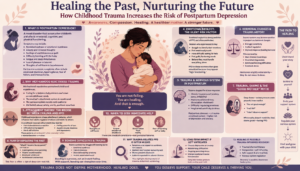
Pregnancy and childbirth are often described as new beginnings. However, for many women, becoming a mother can also awaken old emotional wounds. Memories, feelings, and bodily sensations associated with childhood trauma —even those that have been long buried or carefully managed—may resurface during the postpartum period.
Postpartum depression (PPD) is commonly associated with hormonal changes, sleep deprivation, and stress. However, a growing body of research suggests that a woman’s early life experiences, particularly childhood trauma, can also play a significant role in shaping her vulnerability to postpartum mental health difficulties. Therefore, understanding these early experiences is important when considering the factors that may contribute to PPD.
For women with a history of emotional neglect, abuse, loss, or chronic instability during childhood, the transition to motherhood can be psychologically complex. Moreover, the demands of caring for a newborn may bring unresolved emotions, attachment patterns, and beliefs about safety and self-worth to the surface. In this article, we explore how childhood trauma increases the risk of postpartum depression, the underlying psychological and biological mechanisms involved, and how healing is possible with appropriate, trauma-informed support.

Understanding Childhood Trauma
Childhood trauma refers to adverse experiences that overwhelm a child’s ability to cope, particularly when they occur within relationships that were meant to provide safety, stability, and care. In other words, trauma can develop not only from a single overwhelming event but also from repeated experiences that leave a child feeling unsafe, unsupported, or emotionally unprotected.
Common forms of childhood trauma include:
- Emotional neglect or emotional abuse
- Physical abuse
- Sexual abuse
- Witnessing domestic violence
- Parental substance abuse or mental illness
- Chronic criticism or rejection
- Early loss of a caregiver
- Inconsistent or unpredictable caregiving
Importantly, trauma is not defined only by extreme or easily identifiable events. For example, long-term emotional neglect—growing up without feeling seen, comforted, understood, or protected—can also have a profound and lasting impact. As a result, even when there is no obvious traumatic event to point to, the emotional effects of childhood adversity may continue into adulthood and influence how a person responds to relationships, stress, and caregiving.
What Is Postpartum Depression?
Postpartum depression is a mood disorder that occurs after childbirth and affects emotional, cognitive, and physical functioning. Unlike the temporary “baby blues,” postpartum depression can be more persistent and may last for months if left untreated. Therefore, recognizing the difference between common postpartum adjustment and depression is important for timely support.
Symptoms may include:
- Persistent sadness or emotional numbness
- Anxiety and intrusive thoughts
- Feelings of worthlessness or guilt
- Difficulty bonding with the baby
- Fatigue and sleep disturbances
- Loss of pleasure or interest
- Thoughts of self-harm or hopelessness
However, not all postpartum depression looks the same. For trauma survivors, symptoms may extend beyond sadness and can include emotional shutdown, hypervigilance, fear of failure, and intense shame. In addition, these trauma-related responses may sometimes make postpartum depression less obvious, particularly when a mother appears to be functioning well on the outside.
Why Motherhood Reactivates Childhood Trauma
Motherhood is not only a biological transition—it is also a deeply relational one. As a result, it brings a woman into close emotional contact with themes of care, dependency, vulnerability, and attachment. For trauma survivors, these themes may closely mirror unresolved childhood experiences and, consequently, bring previously managed emotional responses to the surface.
Motherhood can reactivate trauma because:
- Caring for a helpless baby may mirror one’s own unmet childhood needs
- The mother’s attachment system is reactivated
- The nervous system may revisit early relational patterns
- Old beliefs about safety, worth, and love may resurface
Importantly, this reactivation does not mean that a woman is weak or incapable of coping. Instead, it may reflect the way her nervous system is responding to deeply encoded experiences from earlier relationships. Therefore, understanding these responses through a trauma-informed lens can help reduce self-blame and create space for appropriate support and healing.
Attachment Theory: The Bridge Between Trauma and PPD
Attachment theory helps explain why childhood trauma can increase the risk of postpartum depression. More specifically, early relationships with caregivers can shape how a person understands safety, trust, emotional connection, and support. As a result, these early attachment experiences may influence how a woman responds to the demands and vulnerabilities of motherhood.
Children who grow up with emotionally unavailable, frightening, or inconsistent caregivers often develop insecure attachment patterns. Over time, these patterns can shape how adults regulate emotions, seek support, and view themselves as caregivers.
In adulthood, insecure attachment may lead to:
- Fear of abandonment or rejection
- Difficulty trusting support
- Harsh self-criticism
- Feeling unworthy of care
- Anxiety around closeness and dependency
When a woman becomes a mother, these attachment patterns may become activated—often intensely. Consequently, experiences that involve closeness, dependency, or caring for a vulnerable baby may bring unresolved attachment fears and emotional responses to the surface. Therefore, understanding attachment patterns can provide an important link between childhood trauma and postpartum emotional difficulties.
Emotional Neglect and the Silent Risk Factor
Emotional neglect is an important risk factor for postpartum depression, yet it is frequently overlooked. Unlike experiences that involve obvious or visible harm, emotional neglect can be difficult to recognize because it may involve what was consistently missing during childhood, such as emotional validation, comfort, protection, and responsive caregiving.
Women who experienced emotional neglect may:
- Struggle to identify their own emotions
- Feel emotionally numb rather than sad
- Have difficulty asking for help
- Feel guilty for having needs
- Believe they must handle everything alone
As a result, these patterns can become especially challenging during the postpartum period, when mothers often need emotional and practical support. Moreover, a woman who has learned to suppress her needs may be less likely to recognize her own distress or communicate that she needs help.
Postpartum depression in these women can therefore go unnoticed because they may appear “high-functioning” on the outside. However, outward functioning does not necessarily reflect internal emotional well-being. For this reason, looking beyond visible functioning and creating a safe, non-judgmental space for mothers to discuss their emotional experiences is essential.
Trauma, the Nervous System, and Postpartum Vulnerability
Childhood trauma can shape the nervous system’s stress response. As a result, people with a history of trauma may become more sensitive to stress and may have difficulty returning to a sense of safety after experiencing emotional or physical demands.
Trauma can lead to:
- Chronic hyperarousal (anxiety, panic, irritability)
- Hypoarousal (numbness, dissociation, shutdown)
- Difficulty regulating emotions
- Heightened sensitivity to stress
At the same time, the postpartum period brings several significant physical and emotional demands, including:
- Sleep deprivation
- Hormonal shifts
- Constant caregiving demands
Consequently, these challenges can place additional strain on a trauma-sensitized nervous system. For this reason, the combination of postpartum stressors and pre-existing trauma-related vulnerabilities may increase the risk of experiencing depression or anxiety during this period.
Hormonal Changes Interacting With Trauma History
Postpartum hormonal changes are intense for all women. However, women with a history of trauma may experience greater sensitivity to stress-related changes during this period. In addition, hormonal shifts do not occur in isolation; they interact with sleep disruption, caregiving demands, and pre-existing psychological vulnerabilities.
Trauma may affect:
- Estrogen sensitivity
- Cortisol regulation
- Oxytocin response (bonding hormone)
As a result, some women may experience:
- More severe mood changes
- Anxiety that feels difficult to control
- A sense that emotional bonding is blocked
- A persistent sense of stress or emotional strain
Importantly, hormones do not cause trauma-related PPD on their own. Rather, postpartum hormonal changes may interact with a history of trauma and other stressors, thereby amplifying an existing vulnerability to emotional difficulties.
Trauma, Shame, and the “Good Mother” Myth
Many trauma survivors carry deep shame rooted in childhood experiences. As a result, they may develop negative beliefs about their worth, abilities, and right to receive care. Over time, these beliefs can become especially powerful when the demands of motherhood create situations in which they feel they must constantly perform or meet unrealistic expectations.
Common trauma-based beliefs include:
- “I’m not good enough”
- “I will fail”
- “I don’t deserve support”
Moreover, motherhood can intensify these beliefs because of societal pressure to be naturally nurturing, selfless, and joyful. Consequently, when a mother’s real experience does not match this idealized image of the “good mother,” she may interpret normal struggles or difficult emotions as evidence that she is failing.
In turn, this gap between expectations and reality can deepen shame, self-criticism, and emotional distress, potentially contributing to postpartum depression. Therefore, challenging unrealistic expectations and replacing self-judgment with compassion can be an important part of trauma-informed postpartum support.
Fear of Repeating the Past
For many trauma-survivor mothers, one of the most powerful fears is: “What if I become like my parent?”
As a result, this fear can make mothers highly alert to their own parenting behaviors and emotional reactions. They may worry intensely about making mistakes because they fear repeating the patterns they experienced during childhood.
This fear can lead to:
- Hypervigilance about parenting
- Anxiety around making mistakes
- Emotional withdrawal to avoid causing harm
- Perfectionism and burnout
However, the presence of this fear does not automatically mean that a mother is likely to harm her child. In many cases, worrying deeply about repeating harmful patterns reflects a strong desire to protect the child and parent differently. Therefore, helping mothers distinguish between realistic parenting concerns and trauma-driven fear can reduce excessive guilt, anxiety, and perfectionism.
Childhood Trauma & Postpartum Depression: Bonding Difficulties and Trauma
Trauma survivors may struggle with bonding due to several emotional and psychological responses, including:
- Emotional numbness
- Fear of closeness
- Dissociation during caregiving
- Anxiety about attachment
However, experiencing these difficulties does not mean that attachment is broken or that a mother is incapable of developing a strong relationship with her baby. Instead, bonding is a process that develops over time rather than an instant emotional state. With appropriate support, mothers can gradually feel safer, more emotionally connected, and more confident in their caregiving relationship.
Childhood Trauma & Postpartum Depression: Trauma, Control, and Postpartum Anxiety
For many trauma survivors, control may have developed as a survival strategy during childhood. As a result, situations that involve uncertainty or a loss of control can feel particularly threatening later in life.
After childbirth, several changes can challenge a mother’s sense of control, including:
- Loss of routine
- Unpredictable infant needs
- Bodily vulnerability
Consequently, these experiences can trigger intense anxiety and feelings of helplessness, sometimes occurring alongside depressive symptoms. Therefore, understanding the role of control can help explain why the postpartum period may feel especially overwhelming for mothers with a history of trauma.
Childhood Trauma & Postpartum Depression: Why Trauma-Related PPD Is Often Missed
Postpartum depression linked to childhood trauma is frequently underrecognized because its presentation may not always match the commonly expected image of depression. For example, a mother may experience emotional numbness rather than obvious sadness, while continuing to function outwardly in her daily responsibilities.
Postpartum depression may be missed because:
- Symptoms may appear as numbness, not sadness
- Mothers may function outwardly well
- Shame may prevent disclosure
- Cultural expectations may silence distress
As a result, mothers may not receive appropriate assessment or support. For this reason, trauma-informed screening is particularly important, as it creates space to explore both current postpartum symptoms and relevant trauma history without judgment.
Childhood Trauma & Postpartum Depression: Long-Term Impact If Left Untreated
Untreated trauma-related postpartum depression can have effects that extend beyond the immediate postpartum period. Over time, it may contribute to:
- Chronic depression or anxiety
- Relationship difficulties
- Ongoing parenting stress
- Intergenerational trauma transmission
Therefore, early recognition and appropriate intervention are important for supporting maternal well-being and promoting healthier family relationships. In this way, timely support can benefit both mother and child.
Childhood Trauma & Postpartum Depression: Healing Is Possible, Trauma-Informed Recovery
Recovery from postpartum depression in trauma survivors is possible. Moreover, healing does not require a mother to erase her past; rather, it involves understanding her responses, developing healthier coping strategies, and building supportive relationships.
Key components of healing include:
1. Trauma-Informed Therapy
Trauma-informed therapy can help mothers:
- Understand trauma responses
- Reduce shame and self-blame
- Build emotional regulation
- Strengthen secure attachment
2. Reframing Motherhood With Compassion
Similarly, healing involves replacing harsh self-judgments with more compassionate and realistic perspectives:
- “I’m failing” → “I’m learning”
- “Something is wrong with me” → “My system adapted to survive”
3. Building Safe Support
Trauma healing requires a supportive environment that includes:
- Safe relationships
- Non-judgmental listening
- Practical caregiving help
In addition, receiving practical support can reduce the pressure on mothers to manage every responsibility alone.
4. Nervous System Regulation
Gentle practices can support emotional recovery, particularly when they are adapted to the mother’s individual needs:
- Grounding exercises
- Breathwork
- Body-based therapies
- Rest and reduced expectations
Over time, these approaches may help mothers develop greater emotional stability and a stronger sense of safety.
Breaking the Cycle: Intergenerational Healing
One of the most hopeful aspects of trauma recovery is that awareness can help interrupt harmful intergenerational patterns. Awareness can help heal cycles.
When a mother understands her trauma and seeks appropriate support, she is already taking steps toward changing patterns that may otherwise be repeated. In this way, healing can extend beyond the individual and influence the emotional environment in which a child grows.
Ultimately, healing does not require perfection—only presence, reflection, and repair.
Childhood Trauma & Postpartum Depression: When to Seek Immediate Help
Urgent professional support is needed if there are:
- Thoughts of self-harm
- Severe emotional shutdown
- Dissociation from reality
- Fear of harming self or baby
Importantly, these symptoms require professional attention and should not be dismissed as personal failures. If such symptoms are present, seeking urgent medical or mental health support is essential.
Conclusion: Trauma Does Not Define Motherhood
Childhood trauma increases the risk of postpartum depression—but it does not doom a woman to experiencing it, nor does it define her capacity to love or nurture. Instead, trauma history is one factor among many that can shape postpartum vulnerability.
Motherhood can reopen old wounds. At the same time, it can also become a powerful space for healing, growth, and re-parenting the self.
Ultimately, with trauma-informed care, compassion, and appropriate support, mothers can heal and develop healthier ways of relating to themselves and their children. In turn, this healing can create opportunities for children to grow within safer and more emotionally responsive relationships.
References
-
World Health Organization (WHO). Maternal Mental Health.
https://www.who.int/teams/mental-health-and-substance-use/promotion-prevention/maternal-mental-health -
National Institute of Mental Health (NIMH). Postpartum Depression.
https://www.nimh.nih.gov/health/publications/postpartum-depression -
Grekin R, O’Hara MW. (2014). Prevalence and risk factors of postpartum depression: A meta-analysis. Clinical Psychology Review.
-
Seng JS, et al. (2011). Childhood abuse history and postpartum depression. Journal of Affective Disorders.
-
Madigan S, et al. (2019). Association between adverse childhood experiences and maternal mental health. The Lancet Psychiatry.
-
Bifulco A, et al. (2002). Childhood neglect, adult attachment, and depression. British Journal of Psychiatry.
-
Schore AN. (2015). Affect regulation and the origin of the self. W.W. Norton.
-
O’Hara MW, McCabe JE. (2013). Postpartum depression: Current status and future directions. Annual Review of Clinical Psychology.
-
Brummelte S, Galea LAM. (2016). Postpartum depression and stress. Hormones and Behavior.
-
Felitti VJ, et al. (1998). Relationship of childhood abuse and household dysfunction to adult health. American Journal of Preventive Medicine.
- How Long Does Postpartum Depression Last? What Every Mother Needs to Know
Pingback: How Childhood Trauma Impacts Adult Romantic Relationships