Mental exhaustion is a state of profound psychological fatigue in which the mind feels persistently drained, overwhelmed, and unable to function at its usual cognitive or emotional capacity. Unlike ordinary tiredness, which improves with sleep or short periods of rest, mental exhaustion does not fully resolve with downtime alone. Instead, it reflects long-term depletion of mental and emotional resources caused by ongoing demands without adequate recovery.
This condition develops gradually and quietly. People often normalize early signs—such as reduced concentration, irritability, or emotional numbness—until emotional regulation, decision-making, memory, and even physical health are noticeably affected. By the time mental exhaustion is recognized, daily functioning, work performance, and relationships may already be strained.
In today’s fast-paced, high-demand world, mental exhaustion has become increasingly common. Constant connectivity, performance pressure, blurred work–life boundaries, and emotional responsibilities leave little space for genuine psychological rest. As a result, professionals, caregivers, parents, and individuals exposed to chronic stress are particularly vulnerable—especially when they feel responsible for others while neglecting their own emotional needs.
What Is Mental Exhaustion?
Mental exhaustion refers to the long-term depletion of cognitive and emotional energy resulting from prolonged stress, continuous pressure, or insufficient psychological recovery. When demands remain high for extended periods, the brain stays in a state of chronic overactivation, constantly alert and problem-focused. Over time, this leads to mental overload, followed by emotional shutdown, numbness, reduced concentration, and diminished efficiency.
Rather than feeling temporarily tired, individuals experiencing mental exhaustion often feel mentally stuck, emotionally drained, and unable to think clearly, even when they try to rest. Motivation may decline, decision-making becomes harder, and everyday tasks can feel disproportionately difficult.
If left unaddressed, mental exhaustion frequently serves as an early warning sign of deeper psychological conditions such as burnout, depression, or anxiety disorders. Recognizing it early is crucial, as timely intervention can prevent further emotional deterioration and support long-term mental wellbeing.
Common Causes of Mental Exhaustion
Mental exhaustion rarely has a single cause. It usually results from multiple, ongoing stressors combined with insufficient recovery.
1. Chronic Stress
Continuous exposure to stress—work pressure, financial worries, family conflict, or health concerns—keeps the nervous system in a constant state of alertness.
2. Work Overload and Role Pressure
Long working hours, unrealistic expectations, lack of control, or emotionally demanding roles (healthcare, teaching, counseling, caregiving) significantly increase risk.
3. Emotional Suppression
Constantly holding back emotions, people-pleasing, or avoiding conflict consumes immense mental energy over time.
4. Caregiving Responsibilities
Caring for children, elderly parents, or ill family members without emotional support often leads to silent exhaustion.
5. Poor Boundaries and Lack of Rest
Inability to disconnect from work, excessive screen time, irregular sleep, and absence of restorative breaks prevent mental recovery.
Symptoms of Mental Exhaustion
Mental exhaustion affects thoughts, emotions, behavior, and the body.
Emotional Symptoms
-
Emotional numbness or emptiness
-
Irritability and low frustration tolerance
-
Reduced motivation or interest
-
Feeling detached or overwhelmed
Cognitive Symptoms
-
Difficulty concentrating or making decisions
-
Racing or foggy thoughts
-
Memory problems
-
Reduced creativity and problem-solving ability
Physical Symptoms
-
Persistent fatigue even after rest
-
Headaches or body aches
-
Sleep disturbances
-
Frequent illness due to lowered immunity
Behavioral Symptoms
-
Withdrawal from social interaction
-
Procrastination or reduced productivity
-
Increased reliance on caffeine, sugar, or screens
-
Avoidance of responsibilities
Mental Exhaustion vs Normal Stress
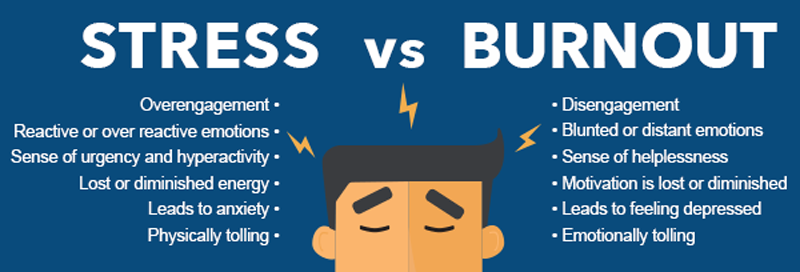
Stress is characterized by increased pressure, urgency, and mental activation. While it feels uncomfortable and overwhelming, energy and motivation are still available. The person remains engaged, problem-focused, and believes that effort, time, or rest will eventually bring relief.
Mental exhaustion, however, reflects a state of resource depletion. The mind no longer has sufficient emotional or cognitive energy to respond to demands. Instead of urgency, there is heaviness; instead of motivation, there is withdrawal. Even simple tasks may feel burdensome, and rest often feels unrefreshing.
-
Stress: Feeling pressured, tense, and overloaded—but still able to act
-
Mental Exhaustion: Feeling drained, disengaged, and unable to sustain effort
Stress says, “I need to push through—this will pass.”
Mental exhaustion says, “I don’t have the energy anymore—and I don’t know how to recover.”
Recognizing this shift is crucial. Treating mental exhaustion as if it were ordinary stress can delay recovery and increase the risk of burnout, emotional numbness, and psychological distress.
Psychological Impact if Ignored
When mental exhaustion is ignored or normalized, it can lead to:
-
Burnout
-
Anxiety disorders
-
Depressive symptoms
-
Emotional detachment in relationships
-
Reduced work performance and self-esteem
Early recognition is crucial to prevent long-term emotional and occupational damage.
Recovery from Mental Exhaustion
Recovery requires more than rest. It involves restoring emotional safety, cognitive balance, and psychological meaning.
1. Reduce Ongoing Stressors
Identify what is draining you consistently and explore realistic ways to reduce load, delegate, or set boundaries.
2. Restore Psychological Rest
Mental rest includes:
-
Quiet time without screens
-
Doing activities without productivity goals
-
Allowing the mind to wander
3. Reconnect with Emotions
Suppressed emotions drain energy. Journaling, therapy, or mindful reflection helps release emotional overload.
4. Rebuild Boundaries
Learn to say no without guilt. Protect time for rest, sleep, and personal needs.
5. Seek Professional Support
Counseling or therapy can help:
-
Identify hidden stress patterns
-
Process emotional exhaustion
-
Develop healthier coping strategies
Support is not a weakness—it is a recovery tool.
When to Seek Help
Consider professional support if:
-
Exhaustion lasts for weeks or months
-
Motivation and pleasure remain absent
-
Emotional numbness or hopelessness increases
-
Daily functioning is impaired
Early intervention significantly improves recovery outcomes.
Final Thoughts
Mental exhaustion is not laziness, weakness, or personal failure. It is a protective signal from the mind and nervous system indicating that emotional and cognitive resources have been depleted and recovery is overdue. When this signal is ignored, the system continues to operate in survival mode, increasing the risk of burnout and long-term psychological distress.
Listening to mental exhaustion early allows space for restoration rather than collapse. It helps prevent burnout, protects overall mental health, and supports the gradual return of emotional balance, clarity, and resilience.
Healing does not begin by pushing harder or doing more. It begins by slowing down, setting boundaries, and responding with awareness, compassion, and intentional care—so the mind can recover, not just endure.
Frequently Asked Questions (FAQ)
1. Is mental exhaustion the same as burnout?
No. Mental exhaustion is often an early stage or warning sign of burnout. While mental exhaustion involves cognitive and emotional depletion, burnout includes additional features such as cynicism, detachment, and reduced sense of effectiveness, especially in occupational roles.
2. Can mental exhaustion happen even if I’m sleeping enough?
Yes. Mental exhaustion is not just physical fatigue. Even with adequate sleep, ongoing emotional stress, constant mental load, unresolved worries, or lack of psychological rest can keep the brain in an overactivated state, preventing true recovery.
3. How long does mental exhaustion last?
The duration varies depending on severity and whether the underlying stressors are addressed. Without intervention, it can persist for weeks or months and may progress into burnout, anxiety, or depression. Early recognition significantly shortens recovery time.
4. Is mental exhaustion a mental illness?
Mental exhaustion itself is not classified as a mental disorder. However, if left unaddressed, it can increase vulnerability to clinically significant conditions such as depression, anxiety disorders, or burnout-related health problems.
5. Who is most at risk of mental exhaustion?
People at higher risk include:
-
Professionals in high-demand roles
-
Caregivers and parents
-
Healthcare and mental health workers
-
Individuals exposed to chronic stress
-
Those with poor work–life boundaries or limited emotional support
6. What helps recovery from mental exhaustion?
Recovery typically involves:
-
Reducing ongoing stressors
-
Restoring boundaries and psychological rest
-
Emotional expression and processing
-
Support from counseling or therapy when needed
Rest alone may not be sufficient unless accompanied by these changes.
7. When should I seek professional help?
Professional support is recommended if mental exhaustion:
-
Persists despite rest
-
Causes emotional numbness or hopelessness
-
Interferes with work, relationships, or daily functioning
-
Is accompanied by anxiety or depressive symptoms
Early help can prevent long-term emotional and occupational impairment.
Written by Baishakhi Das
Counselor | Mental Health Practitioner
Qualifications: B.Sc in Psychology | M.Sc | PG Diploma in Counseling
Reference
-
World Health Organization
Burn-out as an occupational phenomenon
https://www.who.int/news/item/28-05-2019-burn-out-an-occupational-phenomenon -
American Psychological Association (APA)
Stress and its effects on mental health
https://www.apa.org/topics/stress -
Maslach, C., & Leiter, M. P. (2016).
Understanding the burnout experience. World Psychiatry
https://onlinelibrary.wiley.com/doi/10.1002/wps.20311 -
National Institute of Mental Health (NIMH)
Stress and mental health
https://www.nimh.nih.gov/health/topics/stress -
Harvard Health Publishing
Understanding emotional and mental exhaustion
https://www.health.harvard.edu/mind-and-mood - Emotional Burnout: Symptoms You Shouldn’t Ignore