

Practical, science-backed tools for self-awareness, emotional regulation, and long-term mental health
Introduction: Why Men Need Mental Wellness Tracking Tools
Across cultures, many men are taught—directly or indirectly—to suppress emotions, endure stress silently, and equate vulnerability with weakness. As a result, mental health challenges in men often go unnoticed, unspoken, and untreated until they manifest as burnout, anger, addiction, relationship problems, or physical illness.
Tracking mental wellness is not about labeling or diagnosing oneself. It is about:
-
Building self-awareness
-
Identifying emotional patterns
-
Catching early warning signs
-
Supporting therapy or counseling when needed
-
Making informed lifestyle changes
With the rise of digital health, men now have access to simple, private, and practical tools that fit into busy schedules and reduce the stigma around mental health care.
This article explores the top 7 tools men can use to track their mental wellness, how each tool works, who it’s best for, and how to use them effectively in daily life.
What Does “Tracking Mental Wellness” Really Mean?
Mental wellness tracking involves regularly observing and recording:
-
Mood changes
-
Stress levels
-
Sleep patterns
-
Energy and motivation
-
Emotional triggers
-
Coping behaviors
Unlike physical fitness tracking, mental wellness tracking is subjective, reflective, and pattern-based. Over time, these patterns provide powerful insight into how thoughts, emotions, and lifestyle factors interact.
Tool 1: Mood Tracking Apps
What It Is
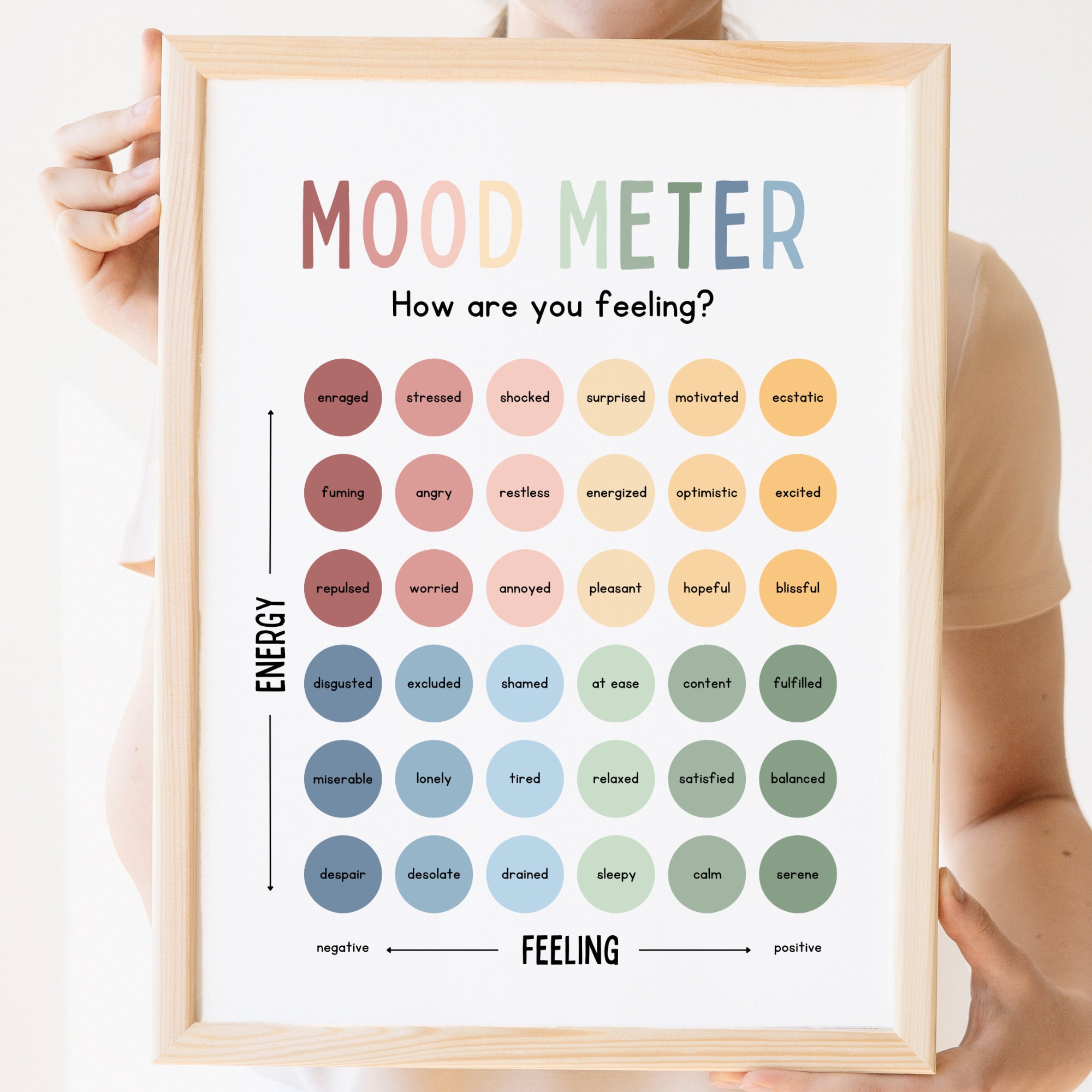
Mood tracking apps allow users to log emotions daily (or multiple times a day) using words, scales, emojis, or color codes.
Why It’s Powerful for Men
Many men struggle to name emotions beyond “fine,” “angry,” or “tired.” Mood trackers gently build emotional vocabulary and awareness without pressure.
What You Can Track
-
Daily mood ratings
-
Emotional intensity
-
Triggers (work stress, conflict, sleep loss)
-
Thoughts and physical sensations
Psychological Benefit
Mood tracking improves emotional literacy and helps identify:
-
Irritability patterns
-
Stress build-up
-
Early signs of anxiety or depression
How to Use Effectively
-
Track mood once or twice daily
-
Keep entries brief and honest
-
Review weekly summaries, not just daily logs
Best For
Men who feel emotionally disconnected, overwhelmed, or unsure what they’re feeling.
Tool 2: Sleep Tracking Tools
Why Sleep Is Central to Mental Health
Sleep quality directly affects:
-
Emotional regulation
-
Stress tolerance
-
Anger control
-
Focus and decision-making
Chronic sleep deprivation is strongly linked to depression, anxiety, and burnout in men.
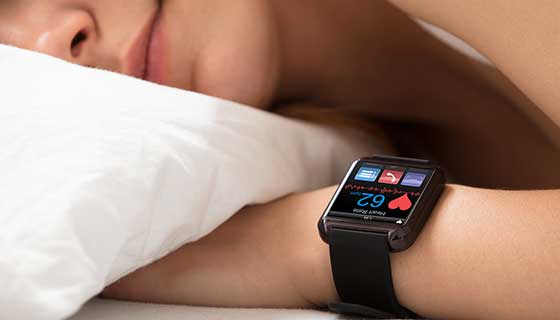
What Sleep Trackers Measure
-
Total sleep duration
-
Sleep stages (light, deep, REM)
-
Sleep consistency
-
Night awakenings
Psychological Insight
Many men report:
“I thought I was stressed because of work—but it was actually poor sleep.”
Sleep data often explains:
-
Mood swings
-
Low motivation
-
Increased irritability
How to Use Effectively
-
Focus on trends, not perfection
-
Pair sleep data with mood tracking
-
Adjust routines (caffeine, screen time, bedtime)
Best For
Men with fatigue, burnout, emotional reactivity, or work-related stress.
Tool 3: Journaling (Digital or Paper-Based)

Why Journaling Works
Journaling externalizes internal chaos. Writing thoughts down:
-
Reduces rumination
-
Improves emotional clarity
-
Activates problem-solving areas of the brain
Types of Journaling Useful for Men
-
Emotional journaling: “What am I feeling right now?”
-
Trigger journaling: “What triggered this reaction?”
-
Gratitude journaling: “What went okay today?”
-
Stress dump journaling: Unfiltered writing
Common Resistance
Many men say:
“I don’t know what to write.”
That’s okay. Journaling does not need to be poetic or deep.
Simple Prompts
-
-
What stood out emotionally for me today?
-
Which feeling did I push aside or ignore?
-
What would support me most right now?
-
Best For
Men dealing with overthinking, emotional numbness, or unexpressed stress.
Tool 4: Stress & Burnout Assessment Tools
What These Tools Do
Stress and burnout assessments help men quantify what often feels vague:
-
Chronic stress
-
Emotional exhaustion
-
Detachment
-
Reduced performance
Why Men Miss Burnout
Men often normalize stress:
“Everyone is stressed. This is just adulthood.”
Assessment tools make stress visible and measurable.
Common Indicators They Track
-
Energy levels
-
Cynicism or detachment
-
Motivation
-
Physical symptoms
Psychological Value
They help men:
-
Recognize burnout early
-
Validate their experience
-
Seek support before crisis
Best For
Men in high-pressure jobs, caregiving roles, or prolonged responsibility.
Tool 5: Mindfulness & Meditation Apps

Mindfulness for Men (Myth vs Reality)
Myth: Meditation means “clearing the mind.”
Reality: It means observing thoughts without reacting.
What These Tools Track
-
Consistency of practice
-
Stress reduction
-
Emotional regulation
-
Breathing patterns
Mental Health Benefits
-
Reduced anxiety
-
Better anger control
-
Improved focus
-
Increased emotional awareness
Best Practices
-
Start with 5 minutes
-
Use guided sessions
-
Focus on breath or body sensations
Best For
Men experiencing anxiety, anger, impulsivity, or emotional overload.
Tool 6: Physical Activity & Exercise Trackers

The Mind–Body Connection
Physical activity is one of the most effective natural antidepressants.
Exercise influences:
-
Dopamine
-
Serotonin
-
Endorphins
-
Stress hormones
What Exercise Trackers Reveal
-
Activity levels vs mood
-
Energy fluctuations
-
Stress reduction after workouts
Psychological Insight
Many men discover:
“On days I move my body, my mind is calmer.”
Best For
Men dealing with low mood, restlessness, anger, or mental fatigue.
Tool 7: Therapy & Mental Health Support Platforms

Why This Tool Matters
Self-tracking is powerful—but human support is irreplaceable.
Therapy platforms help men:
-
Access support privately
-
Reduce stigma
-
Work through deep-rooted patterns
What Can Be Tracked
-
Mood changes between sessions
-
Emotional progress
-
Behavioral shifts
-
Goal achievement
When to Use This Tool
-
Persistent low mood
-
Relationship problems
-
Trauma history
-
Anxiety or anger issues
Best For
Men seeking deeper insight, healing, and long-term change.
How to Combine These Tools Effectively
You don’t need all seven tools.
Beginner Combo
-
Mood tracker
-
Sleep tracker
Moderate Stress Combo
-
Mood tracker
-
Journaling
-
Mindfulness
High Burnout Combo
-
Sleep tracking
-
Stress assessment
-
Therapy support
Common Mistakes Men Make When Tracking Mental Health
-
Obsessing over numbers
-
Expecting quick fixes
-
Ignoring emotional data
-
Tracking without reflection
-
Avoiding help despite clear signs
Tracking is a guide, not a judgment.
Privacy & Confidentiality Concerns
Men often worry about:
-
Data privacy
-
Being judged
-
Weakness
Choose tools that:
-
Offer encryption
-
Allow anonymity
-
Give you control over data sharing
Mental Wellness Tracking Is Not Self-Diagnosis
These tools:
-
Support awareness
-
Complement therapy
-
Encourage early intervention
They do not replace professional diagnosis or treatment.
The Psychology Behind Why Tracking Works
Tracking works because it:
-
Activates self-observation
-
Reduces emotional avoidance
-
Builds accountability
-
Enhances insight
Awareness precedes change.
Conclusion: Strength Is Awareness, Not Silence
Tracking mental wellness is not about becoming hyper-focused on problems. It’s about knowing yourself well enough to respond, not react.
For men especially, these tools offer:
-
Privacy
-
Control
-
Practicality
-
Empowerment
🧠 Mental strength is not the absence of struggle—it is the ability to notice, understand, and address it.
FAQ Section
1. Why should men track their mental wellness?
Tracking mental wellness helps men identify stress patterns, emotional triggers, and early warning signs of burnout, anxiety, or depression before they become severe.
2. What are the best mental wellness tools for men?
Mood tracking apps, sleep trackers, journaling tools, stress assessments, mindfulness apps, fitness trackers, and therapy platforms are among the most effective tools.
3. Can mental wellness tracking replace therapy?
No. Tracking tools support self-awareness and early intervention but cannot replace professional mental health diagnosis or therapy.
4. How often should men track their mental health?
Tracking once or twice daily—or reviewing weekly patterns—is sufficient. Consistency matters more than frequency.
5. Are mental health tracking apps private and safe?
Most reputable tools offer encryption and privacy controls, but users should always review privacy policies and data-sharing settings.
6. What is the link between sleep tracking and mental health?
Sleep quality directly affects mood, stress tolerance, focus, and emotional regulation, making sleep tracking crucial for mental wellness.
7. Do mindfulness apps really help men?
Yes. Mindfulness tools improve emotional regulation, reduce anxiety and anger, and increase awareness without requiring long sessions or prior experience.
8. Which tool is best for work-related burnout?
A combination of sleep tracking, stress assessments, mood tracking, and therapy support works best for identifying and managing burnout.
9. Can physical activity trackers improve mental health?
Yes. Regular physical activity improves mood, reduces stress hormones, and enhances overall emotional wellbeing.
10. What is the first mental wellness tool men should start with?
Mood tracking is often the best starting point because it builds emotional awareness and helps identify patterns with minimal effort.
Written by Baishakhi Das
Counselor | Mental Health Practitioner
Qualifications: B.Sc Psychology | M.Sc | PG Diploma in Counseling
Reference
Mood tracking & mental health
https://www.verywellmind.com/mood-tracking-for-mental-health-4801171
Sleep and emotional wellbeing
https://www.sleepfoundation.org/how-sleep-affects-your-emotional-well-being
Journaling for mental health
https://www.psychologytoday.com/us/blog/mindful-anger/202306/the-therapeutic-power-journaling
Burnout & stress assessment tools
https://www.mindgarden.com/products/burnout-measure
Mindfulness and mental health benefits
https://www.apa.org/monitor/2019/01/mindfulness-practice
Physical activity & mental health
https://www.cdc.gov/physicalactivity/basics/pa-health/index.htm
10 Common Mental Health Challenges in Men—and How to Address Them