

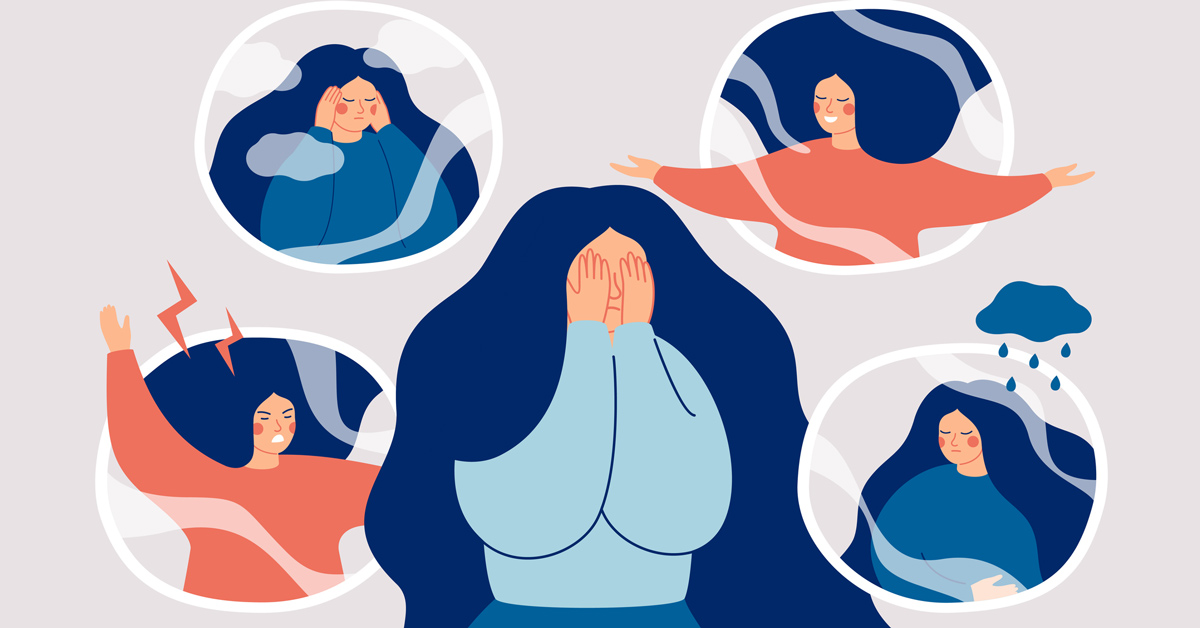
Understanding the unconscious ways we protect our minds
Introduction: Why Do We Need Defense Mechanisms?
Have you ever snapped at someone for a small mistake, avoided thinking about a painful memory, or convinced yourself that a bad situation “doesn’t matter anyway”? If yes, you’re not weak or irrational—you’re human.
Defense mechanisms are unconscious psychological strategies we use to protect ourselves from emotional pain, anxiety, guilt, shame, or inner conflict. They act like the mind’s emotional shock absorbers, helping us maintain psychological balance when reality feels too threatening.
The concept of defense mechanisms was first introduced by Sigmund Freud and later expanded by his daughter Anna Freud. While the theory emerged from psychoanalysis, modern psychology recognizes that everyone uses defense mechanisms, not just people with mental health conditions.
This article explores:
-
What defense mechanisms are
-
Why we use them
-
Common defense mechanisms in daily life
-
Real-life, relatable examples
-
When defense mechanisms help—and when they harm
-
How to build healthier awareness
What Are Defense Mechanisms? (In Simple Terms)
Defense mechanisms are automatic, unconscious reactions that reduce emotional distress when we face:
-
Threats to self-esteem
-
Internal conflicts (wants vs values)
-
Painful emotions (fear, anger, jealousy, guilt)
-
Traumatic memories
They do not change reality.
They change how we perceive or respond to reality.
🧠 Think of defense mechanisms as mental filters—not lies, but distortions that feel real in the moment.
Defense Mechanisms vs Coping Strategies
| Defense Mechanisms | Coping Strategies |
|---|---|
| Unconscious | Conscious |
| Automatic | Intentional |
| Avoid emotional pain | Manage emotional pain |
| Short-term relief | Long-term adaptation |
| Can become unhealthy | Usually healthy |
Example:
-
Defense: “I don’t care about that promotion anyway.”
-
Coping: “I feel disappointed. I’ll work on improving my skills.”
Why the Mind Uses Defense Mechanisms
Defense mechanisms help us:
-
Preserve self-esteem
-
Reduce anxiety
-
Avoid emotional overload
-
Function under stress
-
Protect our identity
In childhood, they are often necessary survival tools.
In adulthood, overuse or rigidity can create problems.
Common Defense Mechanisms in Daily Life (With Real Examples)
1. Denial – “This Isn’t Happening”
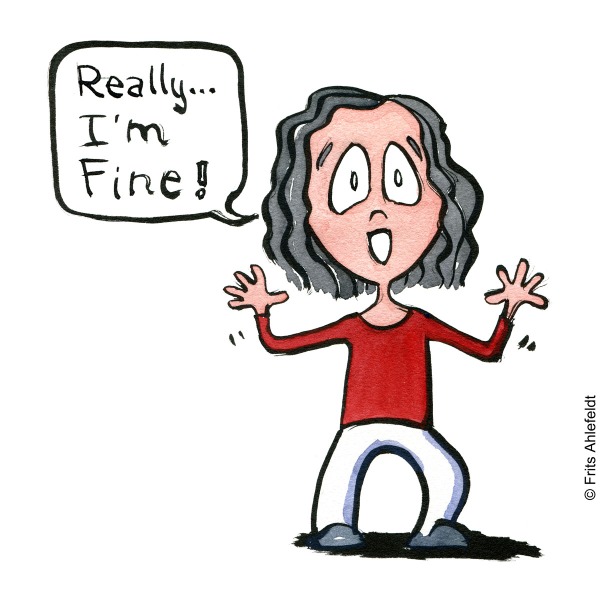
Definition: Refusing to accept reality or facts because they are too painful.
Daily-Life Examples:
-
Ignoring clear signs of relationship problems
-
Refusing to accept a medical diagnosis
-
A parent denying a child’s behavioral issues
-
Saying “I’m not stressed” while experiencing burnout symptoms
Why it happens:
Reality feels overwhelming, so the mind temporarily blocks it.
Healthy role:
Buys time to emotionally adjust.
Unhealthy when:
It delays help, treatment, or decision-making.
2. Repression – “I Don’t Remember That”
Definition: Unconsciously pushing painful memories out of awareness.
Examples:
-
Not remembering childhood emotional abuse
-
Forgetting traumatic incidents without effort
-
Feeling emotional reactions without knowing the cause
Key point:
Repression is not intentional forgetting—the memory is inaccessible.
Impact:
Repressed emotions often resurface as anxiety, unexplained fear, or physical symptoms.
3. Suppression – “I’ll Deal With This Later”
Definition: Consciously choosing to push thoughts aside temporarily.
Examples:
-
A doctor postponing personal grief during work hours
-
A parent staying calm during a crisis, processing emotions later
-
A student focusing on exams despite emotional distress
Difference from repression:
Suppression is intentional and often healthy.
4. Projection – “It’s Not Me, It’s You”
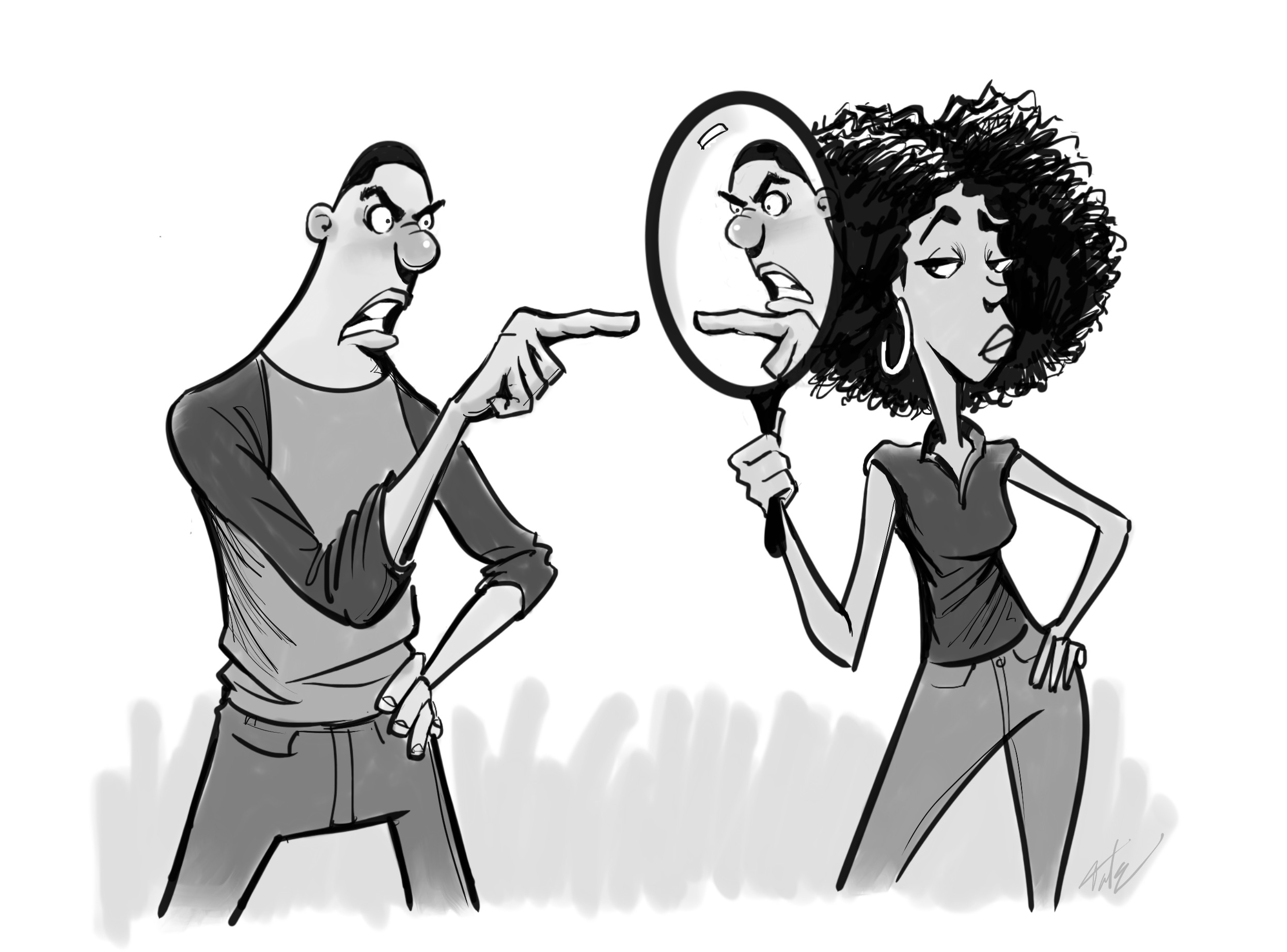
Definition: Attributing one’s own unwanted feelings to others.
Examples:
-
Accusing a partner of cheating while feeling tempted yourself
-
Calling others “selfish” when you feel guilty about your needs
-
Believing colleagues dislike you when you feel insecure
Why it happens:
Accepting the feeling feels threatening to self-image.
Relationship impact:
Creates conflict, mistrust, and misunderstandings.
5. Displacement – “Wrong Target”
Definition: Redirecting emotions from a threatening source to a safer one.
Examples:
-
Yelling at family after a bad day at work
-
Hitting objects when angry at authority figures
-
Snapping at children due to workplace stress
Why it happens:
The real source feels unsafe to confront.
Long-term risk:
Damages close relationships.
6. Rationalization – “It Makes Sense If You Think About It”
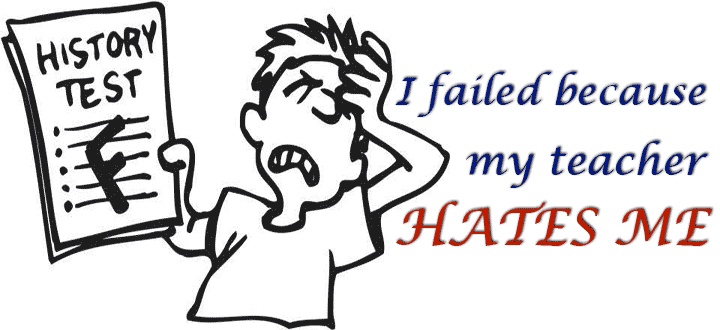
Definition: Creating logical explanations to justify emotionally driven behavior.
Examples:
-
“I failed because the exam was unfair.”
-
“I didn’t want that job anyway.”
-
“Everyone lies, so it’s okay.”
Function:
Protects self-esteem from failure or guilt.
Downside:
Blocks accountability and growth.
7. Intellectualization – “Let’s Make It Technical”
Definition: Avoiding emotions by focusing only on facts and logic.
Examples:
-
Discussing trauma in purely clinical terms
-
Talking statistics instead of feelings after a loss
-
Analyzing relationships without emotional engagement
Common in:
Highly educated, analytical individuals.
Hidden cost:
Emotional detachment and unresolved grief.
8. Reaction Formation – “The Opposite Act”
Definition: Expressing the opposite of unacceptable feelings.
Examples:
-
Being overly kind to someone you resent
-
Strong moral outrage hiding inner conflict
-
Excessive friendliness masking jealousy
Why it happens:
True feelings feel unacceptable or shameful.
9. Regression – “Going Backward Under Stress”

Definition: Reverting to earlier developmental behaviors during stress.
Examples:
-
Adults throwing tantrums
-
Childlike dependency during illness
-
Excessive crying when overwhelmed
Temporary regression: Normal under high stress
Chronic regression: Needs attention
10. Sublimation – The Healthiest Defense
Definition: Channeling unacceptable impulses into socially acceptable activities.
Examples:
-
Anger → sports or exercise
-
Aggression → competitive careers
-
Emotional pain → art, writing, activism
Why it’s healthy:
Transforms energy without denial or harm.
Defense Mechanisms in Relationships
-
Avoidance: Silent treatment
-
Projection: Blame-shifting
-
Denial: Ignoring red flags
-
Idealization: Seeing partner as “perfect”
-
Devaluation: Suddenly seeing partner as “all bad”
Unconscious defenses often repeat attachment patterns from childhood.
Defense Mechanisms at Work
-
Rationalization: Excusing poor performance
-
Displacement: Workplace anger taken home
-
Intellectualization: Ignoring burnout signs
-
Denial: Overworking despite health issues
Defense Mechanisms and Mental Health
Defense mechanisms are not disorders, but excessive reliance may contribute to:
-
Anxiety disorders
-
Depression
-
Relationship conflicts
-
Burnout
-
Psychosomatic symptoms
Therapy helps by:
-
Making defenses conscious
-
Replacing rigid defenses with flexible coping
-
Processing underlying emotions safely
How to Become Aware of Your Defense Mechanisms
Ask yourself:
-
What emotion am I avoiding right now?
-
Am I reacting or responding?
-
What feels threatened—my ego, safety, or identity?
-
What would happen if I allowed this feeling?
Awareness is not judgment—it’s freedom.
Healthy Alternatives to Rigid Defense Mechanisms
-
Emotional regulation skills
-
Mindfulness
-
Journaling
-
Therapy or counseling
-
Assertive communication
-
Self-compassion
When Defense Mechanisms Are Helpful—and When They Aren’t
Helpful when:
-
Used temporarily
-
Flexible and situation-appropriate
-
Allow later emotional processing
Harmful when:
-
Chronic and rigid
-
Distort reality consistently
-
Damage relationships or health
Conclusion: Defense Mechanisms Are Human, Not Weaknesses
Defense mechanisms are not flaws—they are survival strategies developed by the mind to protect us. The problem isn’t having them; it’s being ruled by them unconsciously.
When we gently bring awareness to our defenses, we gain:
-
Emotional clarity
-
Healthier relationships
-
Psychological resilience
-
Personal growth
🌱 Healing doesn’t mean removing defenses—it means choosing when you no longer need them.
FAQ Schema
1. What are defense mechanisms in psychology?
Defense mechanisms are unconscious psychological strategies used to protect a person from anxiety, emotional pain, or internal conflict by distorting or avoiding reality.
2. Are defense mechanisms good or bad?
Defense mechanisms are not inherently bad. They can be helpful in the short term, but when used excessively or rigidly, they may interfere with emotional growth and relationships.
3. What are common defense mechanisms used in daily life?
Common defense mechanisms include denial, projection, repression, rationalization, displacement, regression, intellectualization, and sublimation.
4. What is an example of denial as a defense mechanism?
Ignoring signs of stress or refusing to accept relationship problems despite clear evidence is a common example of denial in daily life.
5. How is projection used in everyday behavior?
Projection occurs when someone attributes their own unwanted feelings to others—for example, accusing someone else of anger when they themselves feel angry.
6. What is the difference between coping mechanisms and defense mechanisms?
Defense mechanisms are unconscious and automatic, while coping mechanisms are conscious and intentional strategies used to manage stress and emotions.
7. Can defense mechanisms affect relationships?
Yes. Defense mechanisms like projection, denial, and displacement can create misunderstandings, conflicts, and emotional distance in relationships.
8. Are defense mechanisms linked to mental health issues?
Excessive reliance on rigid defense mechanisms may contribute to anxiety, depression, burnout, and relationship difficulties, though they are not mental disorders themselves.
9. How can I become aware of my defense mechanisms?
Self-reflection, mindfulness, journaling, and therapy can help identify unconscious defense patterns and promote healthier emotional responses.
10. What is the healthiest defense mechanism?
Sublimation is considered the healthiest defense mechanism because it channels difficult emotions into positive and socially acceptable activities.
Written by Baishakhi Das
Counselor | Mental Health Practitioner
Qualifications: B.Sc in Psychology, M.Sc, PG Diploma in Counseling
Reference
-
Defense mechanisms explained (Simply Psychology) — Overview of defense mechanisms from psychoanalytic theory.
👉 Defense Mechanisms in Psychology Explained (+ Examples) — Simply Psychology -
Clinical description of defense mechanisms (NCBI / StatPearls) — Definitions and clinical relevance of defense mechanisms.
👉 Defense Mechanisms — StatPearls / NCBI Bookshelf -
Broad list and examples of defense mechanisms (PositivePsychology.com) — Types and descriptions with examples.
👉 13 Types of Defense Mechanisms in Psychology (+ Examples) -
Defense mechanisms overview (Psychology Today) — Unconscious strategies to protect against distress.
👉 Defense Mechanisms — Psychology Today -
Encyclopedic summary (Britannica) — Definition and psychoanalytic background of defense mechanisms.
👉 Defense Mechanism — Encyclopedia Britannica -
Structure of Personality: Id, Ego & Superego Explained Simply