


In the age of social media, relationships are no longer just personal; they’re also digital stories.
How couples choose to present their relationship online — subtly or boldly — reveals deeper psychological patterns, attachment styles, self-esteem levels, emotional boundaries, and social behaviors.
This has given rise to two major trends:
1. Soft Launch
A subtle, indirect hint about a partner without revealing full identity.
2. Hard Launch
A clear, bold, and public announcement of the relationship.
While these may appear to be simple social media choices, psychology shows there is much more beneath the surface.
This article explores:
-
What soft launch and hard launch truly mean
-
Why people choose one over the other
-
Psychological reasons behind both
-
Attachment styles associated
-
Red flags and green flags
-
Social pressure, validation, and insecurity dynamics
-
The impact on relationships
-
Therapist-backed insights
Let’s dive deep into the psychological world of relationship launches.
1. What Is a Soft Launch in Relationships?
A soft launch is a subtle, incomplete, or indirect reveal of a romantic partner on social media.
Examples:
-
Posting a picture of two plates on a table
-
Sharing a “from the passenger seat” view without showing the partner
-
A picture of only the partner’s hand
-
A mirror selfie with partner half-cropped
-
A boomerang of holding hands
-
Writing “Someone special took me out today 🖤”
The idea is to tease, hint, or slightly disclose — without fully confirming or labeling the relationship online.
Soft Launch = “I’m seeing someone, but I’m not ready to show everything yet.”
2. What Is a Hard Launch in Relationships?
A hard launch is a full, clear, and public announcement of a relationship.
Examples:
-
Posting a couple photo showing both faces
-
Caption: “My partner ❤️”
-
Announcing the relationship status openly
-
Posting multiple pictures together
-
Stories + feed posts clearly tagging the partner
-
Sharing moments, dates, vacations openly
Hard Launch = “This is my partner. We are together, and I’m proud to share it.”

3. Why Relationship Launches Matter in Modern Psychology
In earlier times, relationships were communicated through families and communities.
Today, social media is a public stage, and posting your partner is seen as:
-
A symbol of commitment
-
A sign of clarity
-
A gesture of security
-
An expression of pride
-
A message to others to respect boundaries
However, it is also influenced by:
-
Fear of judgment
-
Fear of heartbreak
-
Fear of repeating past mistakes
-
Fear of losing independence
-
Desire for validation
-
Privacy preferences
-
Attachment patterns
Thus, how we reveal our relationship tells a psychological story.
4. The Psychology Behind Soft Launch
Soft launching is not just “being private” — it often reflects deeper psychological motives.
Below are the real reasons people choose this path:
4.1. Fear of Judgment
Some people worry:
-
“What will others think?”
-
“My family will question me.”
-
“People will gossip.”
This is common among those with social anxiety, people-pleasing tendencies, or low self-esteem.
4.2. Fear of Failure or Past Relationship Trauma
People who have:
-
experienced heartbreak
-
faced public humiliation
-
dealt with cheating
-
gone through messy breakups
-
had unstable relationships
often avoid public announcements early on.
They want to protect themselves emotionally.
4.3. Ambiguous Relationship Status
Sometimes:
-
The relationship is new
-
They don’t know if the partner is serious
-
There’s confusion about labels
-
They’re still assessing compatibility
Soft launch becomes a safe middle ground.
4.4. Avoiding Pressure
Once you hard launch, people start asking:
-
“When is the wedding?”
-
“Are you serious?”
-
“How long have you been together?”
Soft launching avoids this pressure.
4.5. Privacy as a Value
Some people genuinely want:
-
Boundaries
-
Less external interference
-
To keep personal life private
Not everyone believes relationships must be displayed publicly.

4.6. Subtle Claiming
Soft launch also signals:
-
“I’m taken, but I value privacy.”
It marks territory without full exposure.
4.7. Testing the Waters
Some people soft launch to check their partner’s response:
-
Are they okay being shown?
-
Do they react possessively?
-
Do they appreciate the gesture?
It becomes a way to measure comfort.
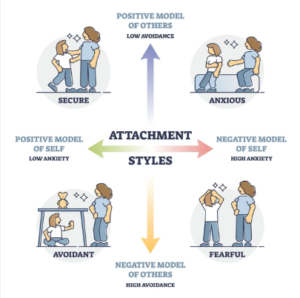
4.8. Attachment Style Connection
Soft launching is common in:
Avoidant Attachment Individuals
-
Need space
-
Fear losing independence
-
Dislike public displays
-
Prefer emotional distance
Anxious-Avoidant (Fearful Avoidant)
-
Want closeness but fear vulnerability
-
Soft launch feels “safe enough”
5. The Psychology Behind Hard Launch
Hard launches reveal a different psychological side.
Let’s explore the motives:
5.1. Security and Confidence
People who feel secure in the relationship are more willing to announce it.
They think:
-
“I know what I want.”
-
“I am proud of my partner.”
-
“I trust this bond.”
5.2. Desire for Commitment
Posting a hard launch can also be a way of saying:
-
“I’m ready for something serious.”
-
“This relationship is official.”
It helps strengthen relational security.
5.3. Public Validation
Some individuals crave external approval:
-
Likes
-
Comments
-
Compliments
-
Recognition
This is linked with external validation-based self-esteem.
5.4. Social Status and Pride
Some people view relationships as a symbol:
-
“Look at how happy we are.”
-
“I have a wonderful partner.”
There is a desire to express relationship pride.
5.5. Emotional Transparency
Hard launchers believe:
-
“If it’s real, there’s nothing to hide.”
-
“Authenticity matters.”
They value openness.
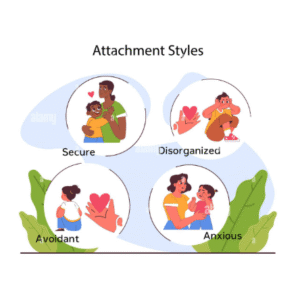
5.6. Attachment Style Connection
Hard launching is common among:
Secure Attachment Individuals
-
Comfortable with intimacy
-
Confident in relationship stability
-
No fear of judgment
Anxious Attachment
-
Want public reassurance
-
Use hard launch as proof of commitment
6. Soft Launch vs Hard Launch: The Key Differences (Psychological Comparison)
| Factor | Soft Launch | Hard Launch |
|---|---|---|
| Commitment Signals | Low–medium | High |
| Emotional Vulnerability | Low | High |
| Privacy Level | High | Low |
| Attachment Style | Avoidant, fearful | Secure, anxious |
| Social Pressure | Minimal | High |
| Confidence in Relationship | Developing | Strong |
| Public Validation Need | Low–medium | High |
| Fear of Rejection | High | Low |
7. What Soft Launch May Indicate About The Relationship
Soft launching your partner may mean:
✔ You’re still building trust
✔ You value privacy
✔ You have past trauma
✔ You’re unsure about the future
✔ You’re protecting the relationship from external pressure
✔ You want to avoid embarrassment if things go wrong
✔ You’re slowly introducing the relationship to the world
But it could also mean:
✘ You’re unsure about your feelings
✘ You’re not serious yet
✘ You’re keeping options open
✘ You fear commitment
✘ You’re not public about the partner to avoid responsibility
Soft launch becomes a mixed signal.
The motive matters.

8. What Hard Launch May Indicate About The Relationship
Hard launch often means:
✔ Confidence
✔ Clarity
✔ Commitment
✔ Stability
✔ Mutual agreement
✔ Relationship pride
But sometimes it may reflect:
✘ Need for validation
✘ Desire to show off
✘ Pressure on partner
✘ Overexposure
✘ Performing happiness
Hard launch is transparent, but not always healthy.
9. When Soft Launch Is Healthy
Soft launch is healthy when:
-
You are taking time
-
You want privacy
-
You’re healing past trauma
-
You want to avoid family pressure
-
You’re considering emotional boundaries
-
Both partners agree
-
You’re still in early dating stages
A 1–3 month soft launch is normal and healthy.
10. When Soft Launch Is a Red Flag
Soft launch may be toxic if:
❌ Only one partner is hidden
❌ The person hides your face but shows friends
❌ They flirt online despite posting “hints”
❌ They don’t want commitment
❌ They tell you “It’s too early” even after months
❌ They say “I’m private” but post everything else
❌ They don’t include you in their real life
This can indicate:
-
Secret relationships
-
Emotional unavailability
-
Cheating tendencies
-
Breadcrumbing
-
Commitment issues
-
Manipulation
-
Backup partner behavior
11. When Hard Launch Is Healthy
Hard launch is healthy when:
-
Both partners feel ready
-
There is mutual comfort
-
Relationship is stable
-
No one uses public pressure
-
Attachment is secure
-
You want to celebrate love openly
It strengthens emotional connection.

12. When Hard Launch Is a Red Flag
Hard launch becomes toxic when:
❌ It’s done too fast
❌ One partner forces the other
❌ Done only for validation
❌ Done to make ex jealous
❌ Done to rush commitment
❌ Done without emotional maturity
In such cases, it’s about ego — not love.
13. The Social Media Pressure Behind Launch Culture
Platforms like:
-
Instagram
-
Facebook
-
Snapchat
-
TikTok
create relationship display norms.
Today, being private often gets interpreted as:
-
“Are they hiding something?”
-
“Are they cheating?”
-
“Are they serious?”
But truth is — not everything needs to be online.
14. Gender Differences in Launch Behavior
Psychology research shows:
Women are more likely to interpret a soft launch as:
-
Lack of seriousness
-
Hiding the relationship
-
Low commitment
Men often see soft launch as:
-
Protecting privacy
-
Taking time
Meanwhile:
Hard Launch is more commonly initiated by:
-
Women seeking clarity
-
Men seeking emotional security
15. Cultural & Family Influence on Launch Behavior
In collectivist cultures (India, Bangladesh, Pakistan, East Asia):
-
Family judgment is high
-
Dating is stigmatized
-
Privacy is valued
-
Public relationships attract criticism
Thus soft launch is more common.
In western cultures, hard launch is common due to:
-
Dating openness
-
Lower family interference
-
Independence
16. How Partners Feel About Each Type
If your partner soft launches you:
They may feel:
-
Uncertain
-
Protective
-
Nervous
-
Slow-paced
If your partner hard launches you:
They likely feel:
-
Proud
-
Secure
-
Committed
17. How to Decide: Soft or Hard Launch?
Ask yourself:
-
Are we stable?
-
Are we both comfortable?
-
Are we ready for public pressure?
-
Are there unresolved insecurities?
-
Is this relationship serious?
-
What do I want vs what does society expect?
There is no universal answer — it depends on the relationship stage and both partners’ emotional maturity.

18. Therapist-Backed Recommendation
Most relationship therapists recommend:
✔ Start with a soft launch
✔ Move to a hard launch once relationship is stable
✔ Avoid launching in the first 1–2 months
✔ Discuss boundaries with your partner
✔ Don’t force each other
✔ Don’t use launches to prove love
Healthy relationships grow offline before going online.
19. Final Conclusion: Launch Choices Are Psychological Windows
Soft launch and hard launch are not just social media trends.
They reveal your:
-
Attachment style
-
Self-esteem
-
Relationship security
-
Fear of judgment
-
Emotional maturity
-
Trauma history
-
Desire for validation
-
Personal boundaries
Ultimately:
A relationship is healthy when both partners feel safe, respected, and valued — whether it’s posted or not.
Launching is optional.
Love is not.
Reference
-
American Psychological Association – Social Media & Relationships
https://www.apa.org/news/press/releases/social-media-relationships -
Psychology Today – Attachment Theory
https://www.psychologytoday.com/us/basics/attachment-theory -
Verywell Mind – Relationship Psychology
https://www.verywellmind.com/relationship-psychology-4157199 -
Harvard Health – Emotional Health & Connection
https://www.health.harvard.edu/mind-and-mood/why-connection-matters -
National Institute of Mental Health (NIMH)
https://www.nimh.nih.gov/ - How Childhood Trauma Affects Romantic Relationships
- Signs of a Toxic Relationship: A Complete Guide to Identifying Unhealthy Love
- How Childhood Emotional Neglect Affects Adults: A Deep Psychological Exploration
- Feel Free to Contact Us
One Reply to “Soft Launch vs Hard Launch Relationships: The Psychology Behind It ”