
In the age of social media, relationships are no longer private affairs — they’re part of how we build identity, signal belonging, and manage impressions. How couples choose to introduce (or not introduce) their romance online — a quiet “soft launch” of subtle clues, versus a full “hard launch” with public declarations and staged photos — reflects more than momentary preference. These choices reveal underlying attachment styles, levels of self-esteem, emotional boundaries, and social motives. They also shape how a relationship is perceived by friends, family, and strangers — and can influence relationship satisfaction, conflict, and social support.
This post explores the psychology behind soft and hard launches: what each strategy communicates, why people pick one over the other, and the benefits and risks for relationship health. We’ll link these patterns to attachment theory, validation-seeking behavior, impression management, and digital boundary-setting — plus practical guidance for couples who want to use social media intentionally rather than reactively.
Soft launch (relationship):
A subtle, indirect social-media signal that you’re romantically involved without explicitly naming or fully revealing your partner. Examples include cropped or blurred photos, paired emojis, ambiguous captions, or sharing moments where the partner is present but not identified. Soft launches often preserve privacy, test audience reaction, or avoid commitment signals.
Hard launch (relationship):
A clear, public declaration of a romantic relationship on social media. Examples include tagged photos, “official” couple captions, anniversary posts, or announcing the relationship in stories or status updates. Hard launches communicate commitment, claim social recognition, and invite support or scrutiny.
What Is a Soft Launch in Relationships?
A soft launch is a subtle, incomplete, or indirect reveal of a romantic partner on social media. People use soft launches to hint at a new connection while preserving privacy, testing reactions, or avoiding the pressure of an official announcement.
Common soft-launch examples:
- Posting a picture of two plates on a table.
- Sharing a “from the passenger seat” view without showing the partner.
- A photo of only the partner’s hand.
- Mirror selfie with the partner half-cropped.
- A boomerang of holding hands.
- Caption like “Someone special took me out today ”.
Takeaway: Soft Launch = “I’m seeing someone, but I’m not ready to show everything yet.” It signals interest while keeping options and privacy open.
What Is a Hard Launch in Relationships?
A hard launch is a full, clear, and public announcement of a relationship on social media. People use hard launches to claim the relationship publicly, celebrate commitment, or align social identity with a partner.
Common hard-launch examples:
- Posting a couple photo showing both faces.
- Caption: “My partner” or “Officially taken.”
- Announcing relationship status in bios, stories, or posts.
- Posting multiple pictures together across feed and stories.
- Tagging the partner in posts from dates, vacations, or family events.
Takeaway: Hard Launch = “This is my partner. We are together, and I’m proud to share it.” It signals commitment and invites social recognition and support.

Why Relationship Launches Matter in Modern Psychology
Relationship launches do more than announce a partner — they act as social signals that shape both internal experiences and external responses. Below are psychological mechanisms and consequences that explain why these online choices matter.
Social signaling and identity
Status and commitment signaling: Posting a partner publicly serves as a social badge that signals availability (or lack of it), relationship status, and commitment level to your social network. This influences how others treat you and how you see yourself.
Identity work: People integrate relationship roles into their self-concept. Public displays help weave a partner into one’s social identity, reinforcing “we” rather than “I.”
Attachment and emotion regulation
- Attachment activation: Posting behavior often indexes attachment style. Anxiously attached people may post for reassurance and to reduce separation anxiety; avoidant individuals may avoid public displays to maintain autonomy; securely attached people tend to balance privacy with occasional public sharing.
- Regulation of affect: Social posts can be used to soothe anxiety (seeking likes/comments), amplify joy (sharing milestones), or mask insecurity (curating idealized images).
Interpersonal and relational effects
Commitment and investment signals: A hard launch can strengthen perceived investment, increasing partner trust and relationship stability. Conversely, inconsistent or secretive posting (soft launch followed by silence) can create ambiguity and conflict.
Social reinforcement and feedback loops: Positive responses (likes, supportive comments) can boost relationship satisfaction, while negative or absent feedback can trigger doubt, jealousy, or rumination.
Boundary-setting and consent: How and when partners post about each other reflects negotiation of boundaries; violating a partner’s posting preferences can harm trust.
Self-esteem, validation, and impression management
External validation: For some, social approval functions as a validation system for self-worth and relationship legitimacy. This can be adaptive (social support) or maladaptive (dependence on online affirmation).
Impression management: People curate images to project desired traits (happy, successful, loyal). This can lead to dissonance between online portrayal and private reality, increasing stress or inauthenticity.
Fear, risk perception, and past experiences
Risk assessment: Decisions to soft or hard launch are shaped by fear of judgment, fear of heartbreak, and previous relational trauma. Those with relationship histories of betrayal or stigma (e.g., non-traditional relationships) may delay public acknowledgment.
Privacy and autonomy concerns: Some people with high value on independence or privacy opt for soft launches to protect personal boundaries or minimize audience scrutiny.
Social context and cultural norms
- Audience effects: Different platforms and social circles create norms that influence posting choices. Younger cohorts or certain cultures may favor more public displays, while others value discretion.
- Social comparison: Viewing peers’ relationship posts can influence one’s own posting strategy and satisfaction, fueling competition, and performance pressure.
Behavioral and mental health implications
Short-term mood changes: Posting and receiving feedback trigger dopamine-driven reward responses, which can create momentary boosts in mood.
Long-term effects: Overreliance on external validation can worsen anxiety and depressive symptoms if online responses aren’t consistent. Public relationship issues can also amplify stress and lead to more interpersonal conflict.
Red flags for clinicians: Excessive need for public validation, chronic secrecy, or using posts to manipulate partner perception are behaviors therapists consider when assessing relationship health.
Practical psychological takeaways
Intentionality matters: Couples who discuss posting preferences tend to report less conflict about social media.
Match expectations: Clarity about what posts mean to each partner reduces ambiguity and mistrust.
Use posts as communication, not replacement: Social media should complement, not substitute for direct relational communication.

What the Psychology Behind Soft Launches Really Says
Soft launching isn’t merely “being private.” It often reflects complex motivations tied to past experience, emotion regulation, identity, and relationship strategy. Below are deeper psychological reasons people choose this path, with brief explanations and what each might look like in behavior.
Fear of judgment
Why: Anticipated negative evaluation activates social anxiety and self-protective behavior.
How it shows up: Vague posts, curated photos that hide faces, delayed tagging.
Takeaway: Soft launches can be a way to avoid scrutiny while still signaling a romantic change.
Fear of failure or past relationship trauma
Why: Previous betrayals, humiliations, or messy breakups sensitize people to risk and public pain.
How it shows up: Waiting longer to post, selectively sharing only safe moments, avoiding declarations.
Takeaway: Soft launching functions as emotional risk management—testing the waters before full exposure.
Ambiguous relationship status
Why: Early-stage relationships or unclear commitments create uncertainty about how to present the bond.
How it shows up: Teasing hints, private jokes in captions, mixed messaging across platforms.
Takeaway: Soft launches preserve flexibility while allowing for tentative recognition.
Avoiding pressure and enforced milestones
Why: Public declarations invite questions and expectations (engagement, merging families, social roles).
How it shows up: Deliberate withholding to keep conversations private and slow down external timelines.
Takeaway: Soft launches help couples manage social tempo and postpone unwanted pressure.
Privacy as an explicit value
Why: For some, personal boundaries and autonomy are core values unconnected to insecurity.
How it shows up: Minimal posting about relationships, strict audience segmentation (close friends lists).
Takeaway: Soft launching can be a principled stance about where intimacy belongs—offline.
Subtle claiming and boundary signaling
Why: People want to mark relational status without broadcasting details—an intermediate territorial signal.
How it shows up: Photos that imply partnership (two coffee cups), ambiguous captions, wearing a partner’s jacket in a post.
Takeaway: Soft launches assert “I’m taken” while keeping control over narrative and privacy.
Testing the waters and gauging reactions
Why: People use social responses as a low-risk feedback loop to learn how a partner or social circle will react.
How it shows up: Posting a cropped photo to see partner’s mood, noting partner’s silence or enthusiasm, tracking comments/likes.
Takeaway: Soft launches are behavioral experiments that inform next steps in disclosure.
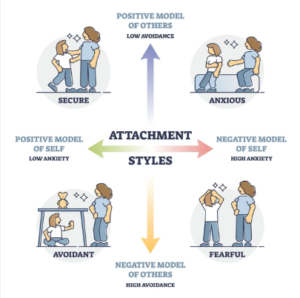
Attachment-style connections
Avoidant attachment: Soft launches fit avoidant preferences—maintain autonomy, minimize intimacy signals, and reduce perceived threat of engulfment.
Anxious-avoidant (fearful-avoidant): These individuals want closeness but fear rejection. Soft launches provide ambiguous closeness that reduces vulnerability while allowing connection.
Anxious attachment: While anxious individuals may prefer reassurance through visibility, some anxiously attached people choose soft launches early on if they suspect instability—using hints to solicit subtle reassurance without full exposure.
Secure attachment: Securely attached people vary: some prefer open acknowledgment; others value privacy for its own sake and will communicate boundaries clearly rather than relying on ambiguity.
Behavioral and relational consequences
- Ambiguity can prompt curiosity, but prolonged ambiguity may create insecurity in partners seeking clarity.
- Soft launches can protect an individual’s emotional safety but may hinder social support—fewer explicit posts can mean less visible validation from friends/family.
- When used strategically and communicated about, soft launches can be healthy boundary-setting; when used to hide or manipulate, they become a relational red flag.
Therapist-backed framing
Therapists often encourage couples to discuss motives behind posting choices: Are you protecting yourself, avoiding conflict, or manipulating impressions?
A simple conversational script: “I like keeping some parts of my life private. What level of sharing feels safe for you right now?” helps transform posts from passive signals into active negotiation.
What the Psychology Behind Hard Launches Really Says
Hard launches reveal different motivations than soft launches. They often communicate clarity, commitment, and a desire to integrate the relationship into one’s public identity. Below are common psychological drivers, how they show up, and what they mean for relationship dynamics.
Security and confidence
Why: Feeling secure in oneself and in the partner reduces fear of judgment or loss.
How it shows up: Confident, unambiguous couple photos, consistent tagging, celebrating milestones openly.
What it signals: Stable self-worth and trust in the relationship.
Consequence: Can increase perceived legitimacy and partner reassurance.
Desire for commitment
Why: A public announcement functions as a commitment device—making the relationship socially acknowledged and harder to deny.
How it shows up: “Official” captions, changing relationship status, introducing the partner to family via posts.
What it signals: Readiness to move the relationship forward, signal to social network and partner that the bond is intended to last.
Consequence: Can strengthen investment and mutual expectations, but may create pressure if partners are not aligned.
Public validation and self-esteem regulation
Why: External approval (likes, comments) provides social proof that the relationship is valued and desirable.
How it shows up: Posts crafted to maximize engagement, monitoring reactions, celebrating engagement/anniversaries publicly.
What it signals: Reliance on social feedback to affirm relationship worth.
Consequence: Short-term boosts in mood and confidence; overreliance risks fragility if online response is muted.
Social status, identity, and pride
Why: Relationships contribute to social capital; showcasing a partner can signal status, compatibility, or lifestyle alignment.
How it shows up: High-quality couple photos, event posts together, synchronized profiles.
What it signals: Pride in partnership and desire to present a cohesive social identity.
Consequence: Positive social reinforcement, but potential for performative displays that emphasize image over authenticity.
Emotional transparency and authenticity
Why: Belief that authenticity builds trust and that closeness should be visible rather than concealed.
How it shows up: Frequent couple updates, candid captions about feelings, open acknowledgement of relationship milestones.
What it signals: Comfort with vulnerability and a preference for openness.
Consequence: Can foster intimacy and reduce ambiguity; if not matched by private communication, may lead to superficial public intimacy.
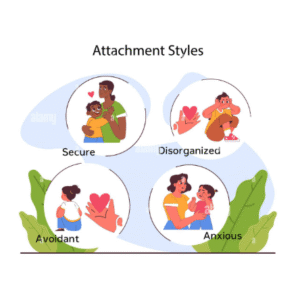
Attachment-style connections
Secure attachment: Often comfortable with hard launches because they trust the relationship and value shared identity. They can use public displays while still respecting mutual boundaries.
Anxious attachment: May use hard launches to secure reassurance and reduce insecurity by making the relationship visible and “official.” This can provide temporary relief but may maintain dependence on others’ reactions.
Avoidant attachment: Less likely to hard launch; if they do, it may be strategic (e.g., social status) rather than emotionally driven.
Disorganized/fearful-avoidant: May alternate between dramatic public displays and retreat, creating inconsistency that confuses partners.
Behavioral and relational consequences
- Positive: Hard launches can validate partners, increase social support, and create shared narratives that strengthen the relationship.
- Negative: If used primarily for performative reasons (status, image management), public displays can mask private dissatisfaction and invite external scrutiny or jealousy.
- Misalignment risk: When partners differ in posting preferences, unilateral hard launches can feel coercive or disrespectful to privacy boundaries.
Therapist-backed guidance
Check-in script: “I’d like to post about us because I feel proud. How do you feel about being more public?” promotes mutual consent.
Boundary negotiation: Agree on what kinds of posts are OK (tags, captions, frequency) and on handling sensitive content (family events, fights).
Reflect on motives: Ask whether posting is about celebrating your bond or seeking external proof; being honest reduces performative pressure.
6. Soft Launch vs Hard Launch: The Key Differences (Psychological Comparison)
| Factor | Soft Launch | Hard Launch |
|---|---|---|
| Commitment Signals | Low–medium | High |
| Emotional Vulnerability | Low | High |
| Privacy Level | High | Low |
| Attachment Style | Avoidant, fearful | Secure, anxious |
| Social Pressure | Minimal | High |
| Confidence in Relationship | Developing | Strong |
| Public Validation Need | Low–medium | High |
| Fear of Rejection | High | Low |
What a Soft Launch May Indicate About the Relationship
Healthy/neutral reasons (what a soft launch commonly signals)
- You’re still building trust. You want to make sure the bond is stable before sharing it widely.
- Value privacy. You prefer intimacy to stay within a close circle rather than be public.
- You have past trauma. Previous heartbreaks or public humiliation make you cautious about exposure.
- Are you unsure about the future. Early-stage dating often calls for tentative disclosure while assessing compatibility.
- You’re protecting the relationship from external pressure. You want to avoid premature expectations from family/friends.
- Want to reduce embarrassment risk. Keeping the relationship low-key minimizes public fallout if it ends.
- You’re slowly introducing the relationship. A gradual reveal gives both partners time to adjust socially.
Possible warning signs (when a soft launch may indicate problems)
- You’re unsure about your feelings. Persistent vagueness may reflect ambivalence, not just prudence.
- Are you not serious yet. Repeatedly avoiding clear acknowledgment can mean low commitment.
- You’re keeping options open. Ambiguity may function to preserve alternatives rather than protect privacy.
- Fear commitment. Prolonged secrecy can be a strategy to avoid deeper responsibilities.
- You avoid public responsibility for the partner. Not acknowledging a partner publicly can be a way to avoid accountability for the relationship’s status.
Why the motive matters
Intent determines impact: A soft launch done to protect safety or privacy is different from one used to manipulate or string someone along.
Duration matters: Short-term soft launching while a relationship stabilizes is often harmless; long-term ambiguity with no conversations is more likely to undermine trust.
Conversation prompts to clarify motives
- “I’ve noticed we haven’t posted much about each other. Is that because you prefer privacy or because you’re unsure about us?”
- “How would you feel if I posted a photo of us together? What would that mean to you?”
- “Do you want our relationship to be visible to friends/family now, later, or not at all?”
Quick guidance for readers
Talk first: Ask rather than assume what a soft launch means for your partner.
Check alignment: If one partner desires visibility and the other doesn’t, negotiate boundaries and timelines.
Watch patterns: Occasional privacy is normal; ongoing secrecy without discussion can be a red flag.

What a Hard Launch May Indicate
Healthy signals: Confidence, clarity, commitment, stability, mutual agreement, relationship pride.
Caution signs: Seeking validation, showing off, pressuring a partner, overexposure, performing happiness.
Tip: Check your motive before posting.
When a Soft Launch Is Healthy
Signs: Delaying public posts to build trust, prioritizing privacy, healing past trauma, avoiding family pressure, both partners agree, early-stage dating (1–3 months).
Tip: Set a timeline and revisit it.
When a Soft Launch Is a Red Flag
Red flags: Only one partner hidden, selective “privacy,” repeated “too early” without progress, flirting publicly, exclusion from partner’s real life.
Possible issues: Emotional unavailability, breadcrumbing, cheating, manipulation.
Tip: Ask for clarity—“Why aren’t we more visible?”
When a Hard Launch Is Healthy
Signs: Mutual readiness, consent on what to share, private stability matches public posts, no coercion, celebrating together.
Tip: Quick pre-post check: “Are we both okay with this?”

When a Hard Launch Is a Red Flag
Red flags: rushed announcements, coercion, posting for validation, to make an ex jealous, to force commitment, or without emotional maturity.
If motives are ego-driven rather than mutual, the launch may harm the relationship.
The Social Media Pressure Behind Launch Culture
Platforms (Instagram, Facebook, Snapchat, TikTok) create display norms that turn privacy into suspicion. People often assume “hidden = hiding something,” but many relationships don’t need public validation.
Gender Differences in Launch Behavior
Trends: women more often read soft launches as low commitment; men more often interpret them as privacy or caution. Women may initiate hard launches for clarity; men may do so for emotional security. These are tendencies, not rules.
Cultural and Family Influence on Launch Behavior
Collectivist cultures (e.g., South Asia, East Asia) face stronger family scrutiny and stigma around dating, so soft launches are more common. In more individualistic Western contexts, public relationship displays (hard launches) are more accepted.
How Partners Typically Feel
Soft-launchers often feel uncertain, protective, cautious, or slow-paced.
Hard-launchers often feel proud, secure, committed, and ready to celebrate publicly.
How to Decide: Soft or Hard Launch
Ask: Are we stable? Do both partners consent? Can we handle public pressure? Are there unresolved insecurities? Is this about us or about others’ expectations?
There’s no one right choice—aligning motives and communicating boundaries matters most.

Therapist‑Backed Recommendation
- Start cautiously: begin with a soft launch and wait until the relationship feels stable before going public.
- Give it time: avoid major public announcements in the first 1–2 months.
- Discuss boundaries: agree on what and when to share (tags, captions, stories).
- Mutual consent: never force a partner into visibility; both should feel comfortable.
- Check motives: don’t use launches to prove love, punish an ex, or seek validation.
- Prioritize offline growth: build trust and communication in private before broadcasting it online.
Conclusion
Soft launches and hard launches are more than social-media trends — they reveal deeper things about us: attachment style, self‑esteem, relationship security, fear of judgment, emotional maturity, trauma history, need for validation, and personal boundaries. Ultimately, a relationship is healthy when both partners feel safe, respected, and valued — whether it’s posted or not. Launching is optional. Love is not.
Reference
-
American Psychological Association – Social Media & Relationships
https://www.apa.org/news/press/releases/social-media-relationships -
Psychology Today – Attachment Theory
https://www.psychologytoday.com/us/basics/attachment-theory -
Verywell Mind – Relationship Psychology
https://www.verywellmind.com/relationship-psychology-4157199 -
Harvard Health – Emotional Health & Connection
https://www.health.harvard.edu/mind-and-mood/why-connection-matters -
National Institute of Mental Health (NIMH)
https://www.nimh.nih.gov/ - How Childhood Trauma Affects Romantic Relationships
- Signs of a Toxic Relationship: A Complete Guide to Identifying Unhealthy Love
- How Childhood Emotional Neglect Affects Adults: A Deep Psychological Exploration
- Feel Free to Contact Us
This article is written for knowledge purposes, aiming to help readers understand the topic better and gain useful insights for learning and awareness.
Pingback: How to Build Mental Toughness for Career Growth
“Such an informative piece. The examples make the psychological concept much easier to understand.”
“A very insightful article. The explanation is simple, clear, and easy to relate to.”
Excellent educational content. I liked the practical approach and the emphasis on understanding the psychology behind everyday experiences.
Really enjoyed reading this. The article presents an important psychological concept in a simple and relatable way.
A well-structured and informative article. The discussion provides a useful perspective while keeping the psychological concepts accessible to general readers.
An interesting perspective on an important psychological topic. Looking forward to reading more articles like this.
Very helpful content. The way the topic was broken down into simple points made it much easier to understand.
This was a thoughtful and engaging article. Clear explanation without making the topic unnecessarily complicated.