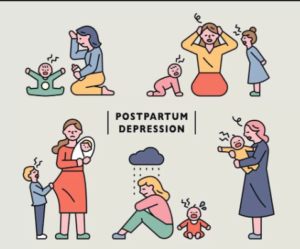
Introduction: When Depression Doesn’t Look Like Sadness
When people think of postpartum depression, they often imagine a new mother crying endlessly, overwhelmed with sadness and despair. But what if there are no tears? What if instead of sadness, there is nothing—no joy, no sorrow, no emotional response at all?
Many women experiencing postpartum depression do not cry. They feel emotionally numb, disconnected, empty, or “flat.” This version of depression is often misunderstood, misdiagnosed, or dismissed—both by others and by the mothers themselves.
Emotional numbness after childbirth can be just as serious as visible sadness. It quietly affects bonding, self-identity, relationships, and mental health, often without drawing attention or support.
This article explores postpartum depression without crying—why emotional numbness happens, how it feels, how it differs from typical sadness, and what healing looks like.
What Is Emotional Numbness?
Emotional numbness is a state in which a person feels disconnected from their emotions. Instead of feeling sadness, happiness, excitement, or love, there is a sense of emptiness or emotional “shutdown.”
A mother experiencing emotional numbness may say:
-
“I feel nothing, even when I should feel happy.”
-
“I’m functioning, but I’m not feeling.”
-
“I love my baby, but I don’t feel connected.”
-
“I’m not sad—I’m just blank.”
This emotional flatness is not a lack of love or care. It is a psychological response, often linked to depression, trauma, chronic stress, or nervous system overload.
Postpartum Depression Is Not One-Size-Fits-All
Postpartum depression exists on a spectrum. While some mothers experience intense sadness, others experience anxiety, anger, intrusive thoughts—or emotional numbness.
Depression without crying often includes:
-
Emotional detachment
-
Loss of pleasure (anhedonia)
-
Feeling robotic or on autopilot
-
Lack of emotional reaction to events
-
Difficulty bonding with the baby
-
Low motivation without visible sadness
Because these symptoms do not match the “classic” image of depression, many women do not realize they are depressed.

Why Crying Is Not Always Present in Depression
Crying is one way the nervous system releases emotional distress—but it is not the only way. In some cases, the system becomes overwhelmed and shuts emotions down instead.
Several factors explain why postpartum depression may appear without tears:
1. Emotional Shutdown as a Survival Response
After childbirth, a woman’s body and mind experience intense changes—hormonal shifts, sleep deprivation, pain, responsibility, and identity transformation.
When emotional pain feels too much to process, the brain may choose numbness as protection. This is not weakness; it is survival.
2. Chronic Stress and Nervous System Exhaustion
Persistent stress activates the fight-or-flight response. Over time, the system can collapse into a freeze or shutdown state, where emotions become muted.
This is common when:
-
Sleep deprivation is severe
-
Support is lacking
-
Expectations are overwhelming
-
The mother feels she must “hold it together”
3. Suppressed Emotions and Social Conditioning
Many women are taught to be strong, responsible, and self-sacrificing—especially after becoming mothers.
Thoughts like:
-
“I shouldn’t complain”
-
“Other mothers handle this”
-
“I should be grateful”
…can lead to emotional suppression. Over time, suppressed emotions don’t disappear—they go numb.
Emotional Numbness vs Baby Blues
Baby blues typically involve:
-
Tearfulness
-
Mood swings
-
Emotional sensitivity
-
Symptoms resolving within two weeks
Emotional numbness linked to postpartum depression:
-
Lasts weeks or months
-
Feels flat rather than sad
-
Does not improve on its own
-
Interferes with bonding and identity
Because numbness is quieter than crying, it often goes unnoticed.
How Emotional Numbness Feels in Daily Life
A mother experiencing postpartum emotional numbness may:
-
Care for the baby efficiently but feel disconnected
-
Go through daily routines on autopilot
-
Feel indifferent toward things she once enjoyed
-
Struggle to feel love, excitement, or pride
-
Feel guilty for not feeling “happy enough”
-
Experience internal emptiness that is hard to describe
Outwardly, she may appear calm, capable, and functional—making it even harder for others to recognize her pain.
Impact on Mother–Baby Bonding
One of the most painful aspects of emotional numbness is its effect on bonding.
Many mothers fear:
-
“Something is wrong with me”
-
“I’m a bad mother”
-
“I don’t feel the connection everyone talks about”
Bonding is not always instant. Emotional numbness does not mean attachment will not form. It means the mother’s emotional system is currently overwhelmed.
With support and treatment, emotional connection can grow naturally over time.
Guilt, Shame, and Silent Suffering
Emotional numbness often brings intense guilt:
-
Guilt for not feeling joyful
-
Guilt for wanting space
-
Guilt for feeling disconnected
Because society idealizes motherhood as blissful, mothers with numbness often suffer silently, believing their experience is abnormal or unacceptable.
This shame prevents help-seeking and deepens isolation.
Who Is More Likely to Experience Postpartum Emotional Numbness?
Certain factors increase vulnerability:
-
History of depression, anxiety, or trauma
-
Emotional suppression coping style
-
High responsibility and perfectionism
-
Limited emotional support
-
Difficult childbirth experiences
-
Unplanned or complicated pregnancies
-
Sleep deprivation and burnout
Emotional numbness is especially common in mothers who are “high-functioning” and used to being strong for others.
Emotional Numbness vs Detachment
It’s important to distinguish emotional numbness from intentional emotional distancing.
Numbness is involuntary. The mother wants to feel but cannot.
Detachment is often a coping strategy or protective withdrawal.
In postpartum depression, numbness is not a choice—it is a symptom.
How Emotional Numbness Affects Identity
Motherhood brings a profound identity shift. When emotional numbness is present, women may feel:
-
Lost or unfamiliar with themselves
-
Disconnected from their old identity
-
Uncertain about who they are now
-
Emotionally “smaller” or muted
This identity confusion can be deeply distressing, especially for women who were emotionally expressive before childbirth.
Partners and Family Often Miss the Signs
Because emotional numbness lacks visible distress, partners may think:
-
“She’s handling it well”
-
“She seems calm”
-
“She’s not depressed—she’s just tired”
This misunderstanding can lead to emotional neglect, increasing the mother’s sense of isolation.
When Emotional Numbness Becomes Dangerous
While numbness may feel less alarming than sadness, it can still be serious.
Warning signs that require professional help include:
-
Persistent numbness lasting weeks or months
-
Feeling disconnected from reality
-
Loss of interest in the baby or life
-
Thoughts of disappearing or not existing
-
Feeling emotionally dead or hollow
-
Functioning without meaning or presence
Emotional numbness can coexist with suicidal thoughts—even without tears.
Healing Emotional Numbness in Postpartum Depression
Recovery is possible. Emotional numbness is not permanent.
1. Professional Mental Health Support
Therapy provides a safe space to reconnect with emotions gradually. Approaches often focus on:
-
Emotional awareness
-
Nervous system regulation
-
Processing suppressed feelings
-
Identity adjustment
Medication may also be helpful when numbness is part of clinical depression.
2. Normalizing the Experience
Understanding that numbness is a common response to overwhelm reduces shame. When mothers stop judging themselves, emotional access slowly returns.
3. Gentle Reconnection With the Body
Emotions live in the body. Gentle practices help restore emotional flow:
-
Mindful breathing
-
Stretching or walking
-
Warm showers
-
Body-based grounding exercises
No pressure to “feel better”—just to feel safe.
4. Rest and Reduced Expectations
Emotional recovery requires rest. Reducing pressure to be perfect allows the nervous system to come out of survival mode.
5. Safe Emotional Expression
Talking without being fixed or judged helps emotions resurface naturally. Writing, therapy, or trusted conversations are powerful tools.
What Loved Ones Can Do
Partners and family can help by:
-
Listening without trying to solve
-
Validating numbness as real distress
-
Encouraging professional help
-
Sharing caregiving responsibilities
-
Avoiding guilt-inducing comments
Presence matters more than advice.

You Are Not a Bad Mother
Emotional numbness does not mean:
-
You don’t love your baby
-
You are incapable of bonding
-
You are broken
-
You have failed as a mother
It means your system is overwhelmed and asking for care.
When to Seek Immediate Help
Seek urgent support if:
-
You feel disconnected from reality
-
You have thoughts of harming yourself
-
You feel emotionally dead or hopeless
-
Daily functioning becomes impossible
Help is not a weakness—it is protection.
Conclusion: Depression Doesn’t Always Cry
Postpartum depression does not always scream or sob. Sometimes it whispers through numbness, silence, and emotional absence.
If you are not crying but feel empty, disconnected, or flat—you are not fine, and you are not alone.
Healing begins with recognition, compassion, and support. Emotions can return. Connection can grow. And motherhood does not require constant joy to be real or meaningful.
You deserve care—even when your pain is quiet.
Reference
-
World Health Organization – Maternal Mental Health
https://www.who.int/teams/mental-health-and-substance-use/promotion-prevention/maternal-mental-health -
Postpartum Support International (PPD Help & Helpline)
https://www.postpartum.net -
National Institute of Mental Health – Postpartum Depression
https://www.nimh.nih.gov/health/publications/postpartum-depression -
UNICEF – Mental Health After Childbirth
https://www.unicef.org/parenting/mental-health -
NHS – Postnatal Depression Overview
https://www.nhs.uk/mental-health/conditions/post-natal-depression/overview/ - How Long Does Postpartum Depression Last? What Every Mother Needs to Know