Mental Exhaustion: Causes, Symptoms, and Recovery

https://www.betterup.com/hs-fs/hubfs/Blog%20Images/1.Listicle%20infographic.png?name=1.Listicle+infographic.png&width=2480

Mental exhaustion is a state of profound psychological fatigue in which the mind feels persistently drained, overwhelmed, and unable to function at its usual cognitive or emotional capacity. Unlike ordinary tiredness, which improves with sleep or short periods of rest, mental exhaustion does not fully resolve with downtime alone. Instead, it reflects long-term depletion of mental and emotional resources caused by ongoing demands without adequate recovery.

This condition develops gradually and quietly. People often normalize early signs—such as reduced concentration, irritability, or emotional numbness—until emotional regulation, decision-making, memory, and even physical health are noticeably affected. By the time mental exhaustion is recognized, daily functioning, work performance, and relationships may already be strained.

In today’s fast-paced, high-demand world, mental exhaustion has become increasingly common. Constant connectivity, performance pressure, blurred work–life boundaries, and emotional responsibilities leave little space for genuine psychological rest. As a result, professionals, caregivers, parents, and individuals exposed to chronic stress are particularly vulnerable—especially when they feel responsible for others while neglecting their own emotional needs.

What Is Mental Exhaustion?

Mental exhaustion refers to the long-term depletion of cognitive and emotional energy resulting from prolonged stress, continuous pressure, or insufficient psychological recovery. When demands remain high for extended periods, the brain stays in a state of chronic overactivation, constantly alert and problem-focused. Over time, this leads to mental overload, followed by emotional shutdown, numbness, reduced concentration, and diminished efficiency.

Rather than feeling temporarily tired, individuals experiencing mental exhaustion often feel mentally stuck, emotionally drained, and unable to think clearly, even when they try to rest. Motivation may decline, decision-making becomes harder, and everyday tasks can feel disproportionately difficult.

If left unaddressed, mental exhaustion frequently serves as an early warning sign of deeper psychological conditions such as burnout, depression, or anxiety disorders. Recognizing it early is crucial, as timely intervention can prevent further emotional deterioration and support long-term mental wellbeing.

Common Causes of Mental Exhaustion

Mental exhaustion rarely has a single cause. It usually results from multiple, ongoing stressors combined with insufficient recovery.

1. Chronic Stress

Continuous exposure to stress—work pressure, financial worries, family conflict, or health concerns—keeps the nervous system in a constant state of alertness.

2. Work Overload and Role Pressure

Long working hours, unrealistic expectations, lack of control, or emotionally demanding roles (healthcare, teaching, counseling, caregiving) significantly increase risk.

3. Emotional Suppression

Constantly holding back emotions, people-pleasing, or avoiding conflict consumes immense mental energy over time.

4. Caregiving Responsibilities

Caring for children, elderly parents, or ill family members without emotional support often leads to silent exhaustion.

5. Poor Boundaries and Lack of Rest

Inability to disconnect from work, excessive screen time, irregular sleep, and absence of restorative breaks prevent mental recovery.

Symptoms of Mental Exhaustion

Mental exhaustion affects thoughts, emotions, behavior, and the body.

Emotional Symptoms

  • Emotional numbness or emptiness

  • Irritability and low frustration tolerance

  • Reduced motivation or interest

  • Feeling detached or overwhelmed

Cognitive Symptoms

  • Difficulty concentrating or making decisions

  • Racing or foggy thoughts

  • Memory problems

  • Reduced creativity and problem-solving ability

Physical Symptoms

  • Persistent fatigue even after rest

  • Headaches or body aches

  • Sleep disturbances

  • Frequent illness due to lowered immunity

Behavioral Symptoms

  • Withdrawal from social interaction

  • Procrastination or reduced productivity

  • Increased reliance on caffeine, sugar, or screens

  • Avoidance of responsibilities

Mental Exhaustion vs Normal Stress

Stress is characterized by increased pressure, urgency, and mental activation. While it feels uncomfortable and overwhelming, energy and motivation are still available. The person remains engaged, problem-focused, and believes that effort, time, or rest will eventually bring relief.

Mental exhaustion, however, reflects a state of resource depletion. The mind no longer has sufficient emotional or cognitive energy to respond to demands. Instead of urgency, there is heaviness; instead of motivation, there is withdrawal. Even simple tasks may feel burdensome, and rest often feels unrefreshing.

  • Stress: Feeling pressured, tense, and overloaded—but still able to act

  • Mental Exhaustion: Feeling drained, disengaged, and unable to sustain effort

Stress says, “I need to push through—this will pass.”
Mental exhaustion says, “I don’t have the energy anymore—and I don’t know how to recover.”

Recognizing this shift is crucial. Treating mental exhaustion as if it were ordinary stress can delay recovery and increase the risk of burnout, emotional numbness, and psychological distress.

Psychological Impact if Ignored

When mental exhaustion is ignored or normalized, it can lead to:

  • Burnout

  • Anxiety disorders

  • Depressive symptoms

  • Emotional detachment in relationships

  • Reduced work performance and self-esteem

Early recognition is crucial to prevent long-term emotional and occupational damage.

Recovery from Mental Exhaustion

Recovery requires more than rest. It involves restoring emotional safety, cognitive balance, and psychological meaning.

1. Reduce Ongoing Stressors

Identify what is draining you consistently and explore realistic ways to reduce load, delegate, or set boundaries.

2. Restore Psychological Rest

Mental rest includes:

  • Quiet time without screens

  • Doing activities without productivity goals

  • Allowing the mind to wander

3. Reconnect with Emotions

Suppressed emotions drain energy. Journaling, therapy, or mindful reflection helps release emotional overload.

4. Rebuild Boundaries

Learn to say no without guilt. Protect time for rest, sleep, and personal needs.

5. Seek Professional Support

Counseling or therapy can help:

  • Identify hidden stress patterns

  • Process emotional exhaustion

  • Develop healthier coping strategies

Support is not a weakness—it is a recovery tool.

When to Seek Help

Consider professional support if:

  • Exhaustion lasts for weeks or months

  • Motivation and pleasure remain absent

  • Emotional numbness or hopelessness increases

  • Daily functioning is impaired

Early intervention significantly improves recovery outcomes.

Final Thoughts

Mental exhaustion is not laziness, weakness, or personal failure. It is a protective signal from the mind and nervous system indicating that emotional and cognitive resources have been depleted and recovery is overdue. When this signal is ignored, the system continues to operate in survival mode, increasing the risk of burnout and long-term psychological distress.

Listening to mental exhaustion early allows space for restoration rather than collapse. It helps prevent burnout, protects overall mental health, and supports the gradual return of emotional balance, clarity, and resilience.

Healing does not begin by pushing harder or doing more. It begins by slowing down, setting boundaries, and responding with awareness, compassion, and intentional care—so the mind can recover, not just endure.

Frequently Asked Questions (FAQ)

1. Is mental exhaustion the same as burnout?

No. Mental exhaustion is often an early stage or warning sign of burnout. While mental exhaustion involves cognitive and emotional depletion, burnout includes additional features such as cynicism, detachment, and reduced sense of effectiveness, especially in occupational roles.


2. Can mental exhaustion happen even if I’m sleeping enough?

Yes. Mental exhaustion is not just physical fatigue. Even with adequate sleep, ongoing emotional stress, constant mental load, unresolved worries, or lack of psychological rest can keep the brain in an overactivated state, preventing true recovery.


3. How long does mental exhaustion last?

The duration varies depending on severity and whether the underlying stressors are addressed. Without intervention, it can persist for weeks or months and may progress into burnout, anxiety, or depression. Early recognition significantly shortens recovery time.


4. Is mental exhaustion a mental illness?

Mental exhaustion itself is not classified as a mental disorder. However, if left unaddressed, it can increase vulnerability to clinically significant conditions such as depression, anxiety disorders, or burnout-related health problems.


5. Who is most at risk of mental exhaustion?

People at higher risk include:

  • Professionals in high-demand roles

  • Caregivers and parents

  • Healthcare and mental health workers

  • Individuals exposed to chronic stress

  • Those with poor work–life boundaries or limited emotional support


6. What helps recovery from mental exhaustion?

Recovery typically involves:

  • Reducing ongoing stressors

  • Restoring boundaries and psychological rest

  • Emotional expression and processing

  • Support from counseling or therapy when needed

Rest alone may not be sufficient unless accompanied by these changes.


7. When should I seek professional help?

Professional support is recommended if mental exhaustion:

  • Persists despite rest

  • Causes emotional numbness or hopelessness

  • Interferes with work, relationships, or daily functioning

  • Is accompanied by anxiety or depressive symptoms

Early help can prevent long-term emotional and occupational impairment.

Written by Baishakhi Das

Counselor | Mental Health Practitioner
Qualifications: B.Sc in Psychology | M.Sc  | PG Diploma in Counseling

Reference 

  1. World Health Organization
    Burn-out as an occupational phenomenon
    https://www.who.int/news/item/28-05-2019-burn-out-an-occupational-phenomenon

  2. American Psychological Association (APA)
    Stress and its effects on mental health
    https://www.apa.org/topics/stress

  3. Maslach, C., & Leiter, M. P. (2016).
    Understanding the burnout experience. World Psychiatry
    https://onlinelibrary.wiley.com/doi/10.1002/wps.20311

  4. National Institute of Mental Health (NIMH)
    Stress and mental health
    https://www.nimh.nih.gov/health/topics/stress

  5. Harvard Health Publishing
    Understanding emotional and mental exhaustion
    https://www.health.harvard.edu/mind-and-mood

  6. Emotional Burnout: Symptoms You Shouldn’t Ignore


Top 7 Tools Men Can Use to Track Their Mental Wellness

Introduction

Mental wellness is not just about the absence of mental illness—it is about emotional balance, self-awareness, resilience, and the ability to cope with daily stressors. For many men, mental health is often deprioritized due to social expectations, demanding schedules, and the belief that they must handle everything on their own.

Men are statistically less likely to seek therapy early, yet they experience high levels of stress, burnout, emotional suppression, and untreated anxiety or depression. This gap has led to a growing interest in self-monitoring and digital mental wellness tools, which allow men to track their mental health privately, consistently, and at their own pace.

Mental wellness tools do not replace professional therapy—but they support awareness, early detection, emotional regulation, and healthy habits. This article explores the top 7 tools men can use to track their mental wellness, explaining how each tool works, why it matters psychologically, and how to use it effectively in daily life.

Why Tracking Mental Wellness Matters for Men

Mental wellness tracking helps men:

  • Recognize emotional patterns early

  • Identify stress triggers

  • Monitor mood and energy fluctuations

  • Reduce emotional suppression

  • Build healthier coping strategies

From a psychological perspective, self-monitoring increases emotional insight, which is the first step toward emotional regulation and behavioral change.

  • Normalizes emotional experiences

  • Reduces stigma around mental health

  • Encourages proactive self-care

  • Supports therapy or counseling when needed

Tool 1: Mood Tracking Apps

https://www.verywellmind.com/thmb/-U0xVf9OJvB7JNgmbS9BRUXCL6o%3D/1500x0/filters%3Ano_upscale%28%29%3Amax_bytes%28150000%29%3Astrip_icc%28%29/Daylio-a12eaa51dd2647e78a9305c2f070b710.jpg?utm_source=chatgpt.com

What Is a Mood Tracker?

Mood tracking apps allow users to log emotions daily using:

  • Emojis or mood scales

  • Emotion labels

  • Short notes or reflections

Over time, these apps generate patterns showing emotional highs, lows, and trends.

Why Mood Tracking Is Helpful for Men

Many men struggle to name or express emotions due to emotional conditioning. Mood trackers help by:

  • Expanding emotional vocabulary

  • Making emotions visible and measurable

  • Reducing emotional avoidance

  • Encouraging reflection without judgment

 Mood tracking asks, “How do I feel today?”

How to Use It Effectively

  • Track mood once or twice daily

  • Add brief notes about triggers

  • Review weekly or monthly patterns

  • Avoid judging “good” or “bad” emotions

Mood awareness improves emotional regulation and stress management.

Tool 2: Stress & Burnout Assessment Tools

What Are Stress Assessment Tools?

These tools use short questionnaires to measure:

  • Stress levels

  • Burnout risk

  • Emotional exhaustion

  • Work-life imbalance

They are often based on validated psychological scales.

Why This Tool Is Important

Men often normalize stress until it becomes burnout. Stress assessment tools:

  • Offer objective feedback

  • Identify early warning signs

  • Reduce denial and minimization

  • Encourage timely action

Psychologically, naming stress reduces its intensity.

How to Use It

  • Take assessments monthly or quarterly

  • Track changes over time

  • Use results to adjust workload or routines

  • Share insights with a counselor if needed

These tools are especially useful for working professionals.

Tool 3: Sleep Tracking Devices or Apps

https://oaksintcare.org/wp-content/uploads/2024/12/VitalRoleofSleep.png?utm_source=chatgpt.com

Why Sleep Is a Mental Health Indicator

Sleep is deeply linked to:

  • Mood regulation

  • Stress tolerance

  • Anxiety and depression

  • Cognitive performance

Poor sleep often worsens emotional reactivity.

How Sleep Tracking Helps Men

Sleep trackers monitor key sleep indicators, including:

  • Total sleep duration

  • Overall sleep quality

  • Night awakenings

  • Sleep consistency

This data helps men recognize how stress, screen time, caffeine, or work pressure affect sleep.

How to Use Sleep Data Wisely

  • Focus on trends, not perfection

  • Adjust bedtime routines gradually

  • Pair data with relaxation practices

  • Avoid obsessing over numbers

Better sleep improves emotional resilience.

Tool 4: Journaling & Reflection Tools

What Is Mental Health Journaling?

Journaling tools allow men to:

  • Write thoughts and emotions

  • Reflect on daily experiences

  • Process stress privately

Digital journals reduce the pressure of “writing perfectly.”

Why Journaling Works Psychologically

Journaling supports:

  • Emotional processing

  • Reduced rumination

  • Self-awareness

  • Problem-solving

For men who find talking difficult, writing becomes a safe emotional outlet.

How to Journal Effectively

  • Write for 5–10 minutes daily

  • Use prompts like:

    • “What stressed me today?”

    • “What helped me cope?”

  • Be honest, not polished

Journaling is one of the most evidence-supported self-help tools.

Tool 5: Mindfulness & Meditation Apps

https://cdn.prod.website-files.com/61258807d2d4f9553cc9d3e6/6646132ec0fbfec684c3113d_The%20Best%20Meditations%20for%20Stress%20Relief%C2%A0.webp?utm_source=chatgpt.com

What These Tools Do

Mindfulness apps guide users through:

  • Breathing exercises

  • Body scans

  • Short meditations

  • Stress-reduction practices

Sessions can be as short as 2–10 minutes.

Why Mindfulness Is Effective for Men

Mindfulness helps men:

  • Slow down impulsive reactions

  • Improve emotional control

  • Reduce anger and anxiety

  • Increase focus

It trains the brain to respond instead of react.

How to Start Without Resistance

  • Begin with short sessions

  • Focus on breathing, not “emptying the mind”

  • Practice consistency over duration

  • Use during work breaks or before sleep

Mindfulness is a skill, not a personality trait.

Tool 6: Habit & Routine Tracking Tools

What Are Habit Trackers?

Habit trackers monitor:

  • Exercise

  • Sleep routines

  • Water intake

  • Screen limits

  • Self-care habits

They visualize consistency and progress.

Why Habits Matter for Mental Wellness

Mental health improves when:

  • Daily structure is predictable

  • Self-care becomes routine

  • Small wins build confidence

For men, habits provide action-based self-care, which often feels more accessible than emotional talk.

How to Use Habit Trackers Well

  • Track only 2–3 habits at first

  • Keep goals realistic

  • Focus on consistency, not streaks

  • Review weekly progress

Healthy habits stabilize mood and energy.

Tool 7: Mental Health Screening & Therapy Platforms

https://menstherapy.online/wp-content/uploads/2025/11/MTO-Square-Logo-White-Background.png?utm_source=chatgpt.com

What These Platforms Offer

These tools provide:

  • Mental health screenings

  • Self-assessment questionnaires

  • Access to online counseling

  • Educational resources

They lower barriers to help-seeking.

Why This Matters for Men

Men often delay professional support due to:

  • Stigma

  • Time constraints

  • Privacy concerns

Digital platforms offer:

  • Confidential access

  • Flexible scheduling

  • Reduced initial resistance

Early screening prevents escalation.

How to Use Responsibly

  • Use screenings as guidance, not diagnosis

  • Seek professional help if symptoms persist

  • Combine tools with offline support when possible

Technology can bridge the gap to care.

How to Choose the Right Tools for Yourself

Not every tool suits everyone. Consider:

  • Your comfort with technology

  • Time availability

  • Emotional awareness level

  • Current stress load

Start with one or two tools, then expand gradually.

Common Mistakes to Avoid

  • Tracking obsessively

  • Expecting instant emotional change

  • Using tools instead of seeking help

  • Comparing progress with others

Tools support wellness; they do not replace human connection.

Integrating Tools into Daily Life

  • Link tracking to existing routines

  • Keep it simple and flexible

  • Review data weekly, not constantly

  • Focus on self-compassion

Consistency matters more than intensity.

When to Seek Professional Support

Tools are helpful, but consider professional help if:

  • Emotional distress persists

  • Mood worsens over time

  • Functioning is affected

  • Thoughts of hopelessness arise

Mental health care is a strength, not a failure.

Conclusion

Mental wellness tracking empowers men to understand themselves better—emotionally, mentally, and behaviorally. From mood trackers and journaling tools to sleep monitors and mindfulness apps, these tools offer accessible, private, and practical ways to support mental health.

Tracking does not mean fixing everything alone. It means paying attention, recognizing patterns, and choosing healthier responses. When combined with support, self-awareness, and compassion, mental wellness tools can play a powerful role in helping men live more balanced, resilient, and emotionally healthy lives.

Frequently Asked Questions (FAQ)

Top 7 Tools Men Can Use to Track Their Mental Wellness


1. What does it mean to track mental wellness?

Tracking mental wellness means regularly monitoring your mood, stress levels, sleep, habits, and emotional patterns to better understand how your mental health changes over time.


2. Why is mental wellness tracking important for men?

Many men suppress emotions or delay seeking help. Tracking tools increase self-awareness, help identify stress or burnout early, and provide a private way to engage with mental health.


3. Can mental wellness tools replace therapy or counseling?

No. These tools support self-awareness and early intervention but do not replace professional mental health care. They work best when combined with counseling if needed.


4. Which mental wellness tool should men start with?

Most men find mood trackers or sleep tracking tools easiest to begin with, as they require minimal effort and provide immediate insights into emotional and physical patterns.


5. How often should mental wellness be tracked?

Consistency matters more than frequency. Tracking once daily or a few times a week is enough to notice patterns without becoming overwhelming.


6. Are mood tracking apps useful if I don’t know how to label emotions?

Yes. Mood tracking apps often use emojis or simple emotion words, helping men gradually expand emotional awareness without pressure.


7. How does sleep tracking help mental health?

Sleep quality directly affects mood, stress tolerance, focus, and emotional regulation. Tracking sleep helps identify habits or stressors that impact mental wellness.


8. Is journaling effective for men who don’t like talking about feelings?

Yes. Journaling provides a private, judgment-free space to process thoughts and emotions, making it especially helpful for men who struggle with verbal expression.


9. Do mindfulness and meditation apps really reduce stress?

Research shows that short, consistent mindfulness practices improve emotional regulation, reduce anxiety, and lower stress—especially when practiced regularly.


10. How do habit trackers support mental wellness?

Habit trackers build structure and routine, which stabilize mood and energy. Small, consistent habits like exercise, hydration, or breaks support overall mental health.


11. Are online mental health screenings accurate?

Screenings are helpful for awareness, not diagnosis. They indicate whether professional support may be beneficial and should not be used as a final conclusion.


12. Can these tools help with burnout prevention?

Yes. Stress assessments, mood tracking, and habit monitoring help detect early warning signs of burnout, allowing timely adjustments before exhaustion becomes severe.


13. What are common mistakes men make when using mental health tools?

Common mistakes include tracking obsessively, expecting instant change, ignoring emotional insights, or using tools as a substitute for seeking help.


14. How can men stay consistent with mental wellness tools?

Link tools to existing routines, keep tracking simple, avoid perfectionism, and focus on self-compassion rather than streaks or scores.


15. When should a man seek professional mental health support?

Professional help is important if emotional distress persists, daily functioning is affected, mood worsens over time, or feelings of hopelessness or isolation increase.


About the Author

Baishakhi Das is a Counselor and Mental Health Practitioner with academic training in psychology and human development. She works with men experiencing stress, burnout, emotional suppression, and mental health challenges, focusing on practical, evidence-based strategies for emotional well-being.

Reference 


  1. World Health Organization. (2022). Mental health of men and boys.
    https://www.who.int/publications/i/item/9789240044149

  2. American Psychological Association. (2023). Technology and mental health.
    https://www.apa.org/monitor/2023/07/technology-mental-health

  3. National Institute of Mental Health. (2023). Caring for your mental health.
    https://www.nimh.nih.gov/health/topics/caring-for-your-mental-health

  4. Torous, J., et al. (2021). Digital mental health and COVID-19: Using technology today to accelerate the curve on access and quality tomorrow. JMIR Mental Health, 7(3).
    https://doi.org/10.2196/18848

  5. Mohr, D. C., et al. (2017). The behavioral intervention technology model. Journal of Medical Internet Research, 19(6).
    https://doi.org/10.2196/jmir.7787

  6. Courtenay, W. H. (2000). Constructions of masculinity and their influence on men’s well-being. Social Science & Medicine, 50(10), 1385–1401.
    https://doi.org/10.1016/S0277-9536(99)00390-1

  7. How to Build Daily Habits for Better Mental Health

How to Handle Work Stress Without Burning Out

https://docsmedicalgroup.com/docsurgentcare/wp-content/uploads/sites/2/2024/05/How-To-Manage-Work-Stress-and-Avoid-Burnout-6-Tips-From-Trusted-Primary-Care-Doctor-in-Fairfield-CT.jpg?utm_source=chatgpt.com

Introduction

In today’s fast-paced, achievement-driven world, work stress has become almost unavoidable. Long working hours, constant deadlines, financial pressure, job insecurity, multitasking, and digital overload have blurred the boundary between professional and personal life.

As a result, many individuals experience mental exhaustion, emotional depletion, and physical fatigue—often without realizing they are gradually moving toward burnout.

Although closely related, stress and burnout are not the same. Stress is characterized by feeling overwhelmed while remaining engaged, whereas burnout involves prolonged emotional, mental, and physical exhaustion accompanied by a gradual loss of motivation, productivity, and sense of purpose.

The good news is that burnout is preventable. With the right awareness, mindset, and practical strategies, work stress can be managed effectively without reaching a breaking point.

This article offers a psychology-based, practical guide on how to handle work stress without burning out—suitable for working professionals, managers, caregivers, freelancers, and anyone struggling to balance work and well-being.

Understanding Work Stress

What Is Work Stress?

Work stress arises when the demands of a job exceed an individual’s capacity to manage them successfully.  It can stem from:

  • Heavy workload

  • Tight deadlines

  • Lack of control or autonomy

  • Poor work-life balance

  • Job insecurity

  • Workplace conflict

  • High expectations or perfectionism

Occasional stress is normal and can even enhance performance. However, chronic unmanaged stress gradually impacts mental health, physical health, and emotional stability.

Stress vs Burnout: Know the Difference

Understanding the difference is crucial for early intervention.

Work Stress

  • You feel pressured and overwhelmed

  • You may still care about your work

  • Energy fluctuates

  • Motivation is present but strained

Burnout

  • Emotional numbness or detachment

  • Feeling hopeless or trapped

  • Constant exhaustion

  • Reduced performance and meaning

  • Cynicism toward work

Recognizing stress early allows you to take action before burnout develops.

Early Warning Signs You Should Not Ignore

Burnout does not happen overnight. It builds gradually through warning signs such as:

Emotional Signs

  • Irritability and frustration

  • Feeling emotionally drained

  • Anxiety or low mood

  • Reduced motivation

Cognitive Signs

  • Difficulty concentrating

  • Overthinking work issues

  • Forgetfulness

  • Negative self-talk

Physical Signs

  • Headaches

  • Muscle tension

  • Sleep disturbances

  • Frequent illness

Behavioral Signs

  • Procrastination

  • Withdrawal from others

  • Increased caffeine or screen use

  • Working excessively without rest

Recognizing these signs early is the first step toward prevention.

Why Burnout Happens (Psychological Perspective)

Burnout often develops when:

  • Effort is high but rewards are low

  • There is a lack of recognition

  • Boundaries are unclear

  • Control is limited

  • Values conflict with work demands

Psychologically, burnout is linked to:

  • Chronic stress activation

  • Emotional suppression

  • Lack of recovery time

  • Identity tied only to productivity

Therefore, managing stress requires both external changes and internal mindset shifts.

1. Set Clear Boundaries Between Work and Personal Life

One of the most effective ways to prevent burnout is by creating clear boundaries.

How to Do This

  • Define work hours and stick to them

  • Avoid checking emails late at night

  • Create a separate workspace at home

  • Communicate availability clearly

Why it works:
Boundaries protect your mental energy and allow your nervous system to recover.

2. Learn to Prioritize, Not Multitask

Multitasking increases mental fatigue and reduces efficiency. Instead, prioritize tasks based on importance and urgency.

Practical Tips

  • Use a daily task list with 3 key priorities

  • Break large tasks into smaller steps

  • Focus on one task at a time

  • Accept that everything cannot be done at once

Psychological benefit:
Prioritization reduces cognitive overload and decision fatigue.

3. Redefine Productivity (Quality Over Quantity)

Many professionals equate productivity with long hours. However, productivity is about effective output, not exhaustion.

Healthy Productivity Means

  • Working with focus, not fear

  • Taking breaks to maintain efficiency

  • Allowing rest without guilt

When productivity is defined realistically, stress naturally reduces.

4. Practice Emotional Regulation at Work

Work stress often intensifies due to unprocessed emotions such as frustration, fear, or anger.

Simple Emotional Regulation Techniques

  • Pause and take 5 deep breaths

  • Label the emotion: “I feel overwhelmed”

  • Ground yourself by noticing your surroundings

  • Avoid reacting immediately during conflict

Result:
Better emotional control prevents impulsive decisions and emotional burnout.

5. Take Micro-Breaks Throughout the Day

Rest does not always mean long holidays. Short, intentional breaks are powerful.

Examples of Micro-Breaks

  • Stretching for 2 minutes

  • Stepping away from the screen

  • Drinking water mindfully

  • Brief breathing exercises

These breaks reset the nervous system and improve focus.

6. Manage Perfectionism and Unrealistic Expectations

Perfectionism is a major contributor to burnout. Constantly trying to meet unrealistic standards drains emotional energy.

Healthy Mindset Shifts

  • Progress is better than perfection

  • Mistakes are part of learning

  • Self-worth is not equal to performance

Letting go of perfectionism allows sustainable growth.

7. Improve Sleep and Physical Health

Stress and sleep are deeply connected. Poor sleep increases stress sensitivity.

Tips for Better Sleep

  • Maintain a consistent sleep schedule

  • Reduce screen exposure before bed

  • Avoid excessive caffeine

  • Practice relaxation techniques

Physical movement, even light exercise, helps regulate stress hormones.

8. Build Supportive Workplace Relationships

Social support acts as a buffer against stress.

How to Strengthen Support

  • Communicate openly with colleagues

  • Ask for help when needed

  • Share workload concerns respectfully

  • Avoid isolation

Feeling understood at work reduces emotional exhaustion.

9. Learn to Say No Without Guilt

Overcommitment is a fast track to burnout.

Assertive Communication Examples

  • “I don’t have the capacity right now.”

  • “Can we prioritize this for later?”

  • “I need to focus on existing deadlines.”

Saying no is not a failure—it is self-respect.

10. Create Meaning Beyond Work

When identity is limited only to work, stress becomes overwhelming.

Protective Factors

  • Hobbies

  • Creative activities

  • Relationships

  • Spiritual or reflective practices

Meaning outside work creates emotional balance and resilience.

11. Use Stress-Reduction Techniques Regularly

Stress management is most effective when practiced consistently, not only during crisis.

Effective Techniques

  • Mindfulness

  • Journaling

  • Progressive muscle relaxation

  • Guided breathing

Even 10 minutes a day can significantly reduce stress levels.

12. Recognize When You Need Professional Help

Sometimes, self-help is not enough—and that is okay.

Consider Professional Support If

  • Stress feels unmanageable

  • Emotional numbness persists

  • Anxiety or depression develops

  • Work impacts daily functioning

Counseling helps identify patterns, strengthen coping skills, and restore emotional balance.

Long-Term Strategies for Burnout Prevention

  • Regular self-check-ins

  • Annual leave without guilt

  • Career alignment with values

  • Ongoing skill development

  • Emotional self-awareness

Burnout prevention is a long-term lifestyle practice, not a one-time solution.

Conclusion

Work stress is a reality of modern life, but burnout does not have to be. By recognizing early warning signs, setting healthy boundaries, regulating emotions, redefining productivity, and prioritizing mental health, it is possible to manage work stress without sacrificing well-being.

Remember, rest is not a reward for exhaustion—it is a requirement for sustainability. Taking care of your mental health is not a weakness; it is the foundation of long-term success and fulfillment.

Frequently Asked Questions (FAQ)

How to Handle Work Stress Without Burning Out


1. What is work stress?

Work stress occurs when job demands exceed a person’s ability to cope. It can be caused by heavy workload, tight deadlines, lack of control, job insecurity, or poor work–life balance.


2. What is burnout and how is it different from stress?

Stress involves feeling overwhelmed but still engaged and motivated. Burnout, on the other hand, is a state of chronic emotional, mental, and physical exhaustion marked by detachment, reduced performance, and loss of meaning at work.


3. What are the early signs of burnout?

Early signs include constant fatigue, irritability, lack of motivation, difficulty concentrating, sleep problems, emotional numbness, and feeling disconnected from work or colleagues.


4. Can work stress be managed without quitting the job?

Yes. Most work stress can be managed through healthy boundaries, prioritization, emotional regulation, realistic expectations, proper rest, and supportive communication—without changing jobs.


5. Why is setting boundaries important for preventing burnout?

Boundaries protect mental and emotional energy. Without clear limits on work hours and availability, the nervous system does not get enough time to recover, increasing the risk of burnout.


6. How does perfectionism contribute to burnout?

Perfectionism creates constant pressure to perform flawlessly, leading to self-criticism, fear of failure, and emotional exhaustion. Over time, this significantly increases burnout risk.


7. Do short breaks really help with work stress?

Yes. Micro-breaks help reset the nervous system, improve focus, and reduce mental fatigue. Even 2–5 minutes of rest can lower stress levels during the workday.


8. How does poor sleep affect work stress?

Lack of sleep increases emotional reactivity, reduces concentration, and weakens stress tolerance. Poor sleep and work stress often reinforce each other, accelerating burnout.


9. Is it okay to say no at work for mental health reasons?

Yes. Saying no respectfully is a form of self-care. Overcommitting may temporarily please others but often leads to long-term stress, reduced performance, and burnout.


10. Can emotional regulation reduce workplace stress?

Absolutely. Skills like pausing, deep breathing, labeling emotions, and responding instead of reacting help manage stress, prevent conflict, and reduce emotional exhaustion.


11. How does social support at work reduce burnout?

Supportive colleagues and supervisors provide emotional validation, shared problem-solving, and a sense of belonging, all of which buffer against stress and burnout.


12. Is burnout only related to workload?

No. Burnout is also linked to lack of recognition, value conflicts, poor control over work, emotional suppression, and identity being tied solely to productivity.


13. When should someone seek professional help for work stress?

Professional support is recommended if stress becomes unmanageable, symptoms persist for weeks, emotional numbness develops, or work stress affects daily functioning and relationships.


14. Can counseling help with burnout recovery?

Yes. Counseling helps identify stress patterns, improve coping strategies, strengthen emotional regulation, rebuild boundaries, and restore balance and motivation.


15. What is the most important step in preventing burnout?

Self-awareness. Regularly checking in with your emotional, mental, and physical state allows early intervention before stress turns into burnout.

About the Author

Baishakhi Das is a Counselor and Mental Health Practitioner with academic training in psychology and human development. She works with individuals experiencing work stress, emotional exhaustion, anxiety, and burnout, focusing on practical coping strategies and emotional resilience.

Reference

How to Build Daily Habits for Better Mental Health

A practical, psychology-based guide for everyday emotional well-being

Written by Baishakhi Das

Qualifications: B.Sc, M.Sc, P.G. Diploma in Counseling
Role: Counselor / Mental Health Practitioner

Introduction: Why Daily Habits Matter More Than Motivation

Many people wait for motivation to feel better mentally. But mental health doesn’t improve through motivation alone—it improves through daily habits. Small, consistent actions shape how our brain responds to stress, emotions, and challenges.

Research in psychology shows that our brain thrives on routine and predictability. When daily habits support emotional regulation, mental clarity, and physical well-being, mental health becomes more stable and resilient over time.

This article explains how to build simple, realistic daily habits that support mental health—without overwhelming your schedule or relying on willpower alone.

Understanding Mental Health as a Daily Practice

Mental health is not just the absence of mental illness. It includes:

  • Emotional balance

  • Stress tolerance

  • Self-awareness

  • Healthy coping skills

  • Sense of purpose

Just like physical health requires daily care (eating, moving, sleeping), mental health also requires daily maintenance.

Why Habits Are More Effective Than Occasional Self-Care

Occasional self-care (like a holiday or spa day) can feel good temporarily, but habits:

  • Rewire the brain through repetition

  • Reduce emotional reactivity

  • Create a sense of control and safety

  • Prevent burnout and emotional overload

Habits work because they become automatic, requiring less mental effort over time.

1. Start with One Small Habit (Not a Full Routine)

A common mistake is trying to change everything at once.

Instead of:
❌ “I will meditate, exercise, journal, eat clean, and sleep early every day”

Try:
✅ “I will practice one small habit daily”

Examples:

  • 5 minutes of deep breathing

  • Writing one sentence about your mood

  • A 10-minute walk

Consistency matters more than intensity.

2. Morning Habits That Set the Emotional Tone

a) Begin the Day Without Rushing

Waking up in panic or rushing increases cortisol (stress hormone).

Healthy alternatives:

  • Wake up 10 minutes earlier

  • Sit quietly for a few moments

  • Take slow, deep breaths

This signals safety to your nervous system.

b) Avoid Phone Use Immediately After Waking

Checking messages or social media instantly puts your brain in reactive mode.

Instead:

  • Stretch

  • Drink water

  • Practice mindful breathing

Your brain deserves a calm start.

3. Emotional Awareness as a Daily Habit

Many people struggle mentally because they ignore or suppress emotions.

Simple Emotional Check-In (2 minutes)

Ask yourself:

    • How am I feeling at this moment?

    • What happened that affected my mood?

    • What do I need right now?

Naming emotions reduces their intensity and prevents emotional buildup.

4. Movement as Mental Medicine

You don’t need intense workouts to support mental health.

Why movement helps:

  • Releases endorphins

  • Reduces anxiety and depression

  • Improves sleep and focus

Simple daily movement habits:

  • Walking

  • Stretching

  • Yoga

  • Light home exercises

Even 10–15 minutes daily can significantly improve mood.

5. Journaling: A Powerful Daily Mental Health Tool

https://www.potawatomi.org/wp-content/uploads/Journaling-Intranet-1013x675.jpg?utm_source=chatgpt.com

Journaling helps process emotions safely.

You don’t need to write pages. Try:

  • “Today I felt ___ because ___.”

  • “One thing that stressed me today was ___.”

  • “One thing I’m grateful for is ___.”

This practice:

  • Reduces overthinking

  • Improves emotional clarity

  • Strengthens self-awareness

6. Building Healthy Thought Habits

Mental health is strongly influenced by thinking patterns.

Replace:

❌ “I’m failing at everything”
With:
✅ “I’m struggling right now, and that’s human”

This is not toxic positivity—it’s balanced thinking, a core principle of cognitive psychology.

7. Daily Digital Boundaries for Mental Peace

Excessive screen time overstimulates the brain.

Healthy digital habits:

  • No phone during meals

  • One screen-free hour before bed

  • Limiting negative news consumption

Mental silence is restorative.

8. Sleep: The Foundation of Mental Health

Sleep affects:

  • Mood regulation

  • Anxiety levels

  • Emotional control

  • Cognitive functioning

Simple sleep-supporting habits:

  • Fixed sleep and wake time

  • No screens 30 minutes before bed

  • Dim lighting at night

Good sleep is not optional—it’s essential mental care.

9. Social Connection as a Daily Habit

Mental health improves through safe human connection.

This doesn’t require long conversations:

  • A short check-in with a friend

  • A meaningful message

  • Sitting with family without distractions

Connection regulates the nervous system and reduces loneliness.

10. Self-Compassion: The Most Important Habit

Many people are kind to others but harsh toward themselves.

Practice daily self-compassion:

  • Speak to yourself kindly

  • Accept imperfections

  • Allow rest without guilt

Self-compassion reduces anxiety, shame, and emotional exhaustion.

11. When Habits Feel Hard: Be Gentle, Not Critical

Missing a habit does NOT mean failure.

Mental health habits are:

  • Flexible

  • Adaptable

  • Human

Progress is not linear.

12. When Daily Habits Are Not Enough

Habits support mental health, but they don’t replace professional care.

Seek professional help if you experience:

  • Persistent sadness

  • Panic attacks

  • Emotional numbness

  • Trauma symptoms

  • Thoughts of hopelessness

Reaching out is a sign of strength and self-awareness.

How to Create Your Personal Mental Health Habit Plan

  1. Choose one habit

  2. Attach it to an existing routine

  3. Keep it short

  4. Practice daily

  5. Review weekly

Sustainable habits create lasting mental wellness.

Final Thoughts

Better mental health is not built in one day.
It is built through small, daily choices.

You don’t need perfection.
You need patience, consistency, and compassion toward yourself.

Your mind deserves care—every single day.

📌 Disclaimer

This article is for educational purposes only and is not a substitute for professional mental health diagnosis or treatment.

Frequently Asked Questions (FAQ): Building Daily Habits for Better Mental Health

1. What are daily mental health habits?

Daily mental health habits are small, consistent actions that support emotional balance, stress management, and psychological well-being. Examples include mindful breathing, journaling, regular sleep routines, physical movement, and emotional check-ins.


2. How long does it take for mental health habits to work?

Most people begin to notice small improvements within 2–3 weeks of consistency. Lasting mental health benefits usually develop over 6–8 weeks, as the brain adapts to new routines through repetition.


3. How many habits should I start with?

Start with one habit only. Trying to build multiple habits at once often leads to overwhelm and inconsistency. Once one habit feels natural, you can slowly add another.


4. What is the easiest daily habit for better mental health?

One of the easiest and most effective habits is 2–5 minutes of slow, deep breathing. It calms the nervous system, reduces anxiety, and improves emotional regulation almost immediately.


5. Can daily habits really improve anxiety and stress?

Yes. Daily habits reduce anxiety by:

  • Regulating the nervous system

  • Lowering stress hormones

  • Creating predictability and emotional safety

Habits like movement, sleep routines, and thought awareness significantly reduce chronic stress.


6. What if I miss a day? Does that mean I failed?

No. Missing a day is normal. Mental health habits are about progress, not perfection. The key is returning to the habit without self-criticism.


7. How does journaling help mental health?

Journaling helps by:

  • Processing emotions safely

  • Reducing overthinking

  • Increasing self-awareness

  • Improving emotional clarity

Even writing for 2–3 minutes daily can be beneficial.


8. Is physical exercise necessary for mental health?

Exercise helps, but it doesn’t have to be intense. Simple activities like walking, stretching, or yoga support mental health by releasing mood-regulating chemicals in the brain.


9. How important is sleep for mental health habits?

Sleep is foundational. Poor sleep increases anxiety, irritability, and emotional instability. A consistent sleep routine is one of the most powerful daily habits for mental health improvement.


10. Can digital habits affect mental health?

Yes. Excessive screen time overstimulates the brain and increases stress. Healthy digital habits—like limiting social media or screen-free time before bed—support emotional calm and focus.


11. How can I build habits if I feel unmotivated or depressed?

When motivation is low:

  • Keep habits very small

  • Focus on consistency, not energy

  • Attach habits to existing routines

Action often comes before motivation, not after.


12. Are daily habits enough for serious mental health issues?

Daily habits are supportive but not a replacement for professional care. If symptoms are persistent or severe, therapy or counseling is strongly recommended.


13. How can self-compassion improve mental health habits?

Self-compassion reduces shame and pressure, making habits easier to maintain. Being kind to yourself increases emotional resilience and long-term consistency.


14. Can children or teenagers also build mental health habits?

Yes. Simple habits like emotional check-ins, structured routines, and mindful breaks are highly beneficial for children and adolescents when practiced consistently.


15. What is the biggest mistake people make when building mental health habits?

The biggest mistake is trying to change everything at once. Sustainable mental health improvement comes from small, realistic, daily actions.


16. When should I seek professional help instead of relying on habits?

Seek professional help if you experience:

  • Persistent sadness or anxiety

  • Panic attacks

  • Emotional numbness

  • Trauma-related symptoms

  • Thoughts of self-harm or hopelessness

Reaching out is a sign of strength.


17. How do I create my own mental health habit plan?

Start with:

  1. One habit

  2. One fixed time

  3. One clear goal

  4. Gentle consistency

Mental health improves through patience and practice.

Reference 

How to Practice Self-Care as a Busy Man

A realistic, psychology-backed guide for men who juggle work, family, responsibilities, and expectations

Introduction: Why Self-Care Is Not a Luxury for Busy Men

In today’s fast-paced world, being a “busy man” is often worn like a badge of honor. Long work hours, financial responsibilities, family roles, social expectations, and the pressure to remain emotionally strong can leave little room for rest or reflection. Many men believe self-care is time-consuming, selfish, or unmanly. In reality, self-care is a survival skill, not a spa day.

Research from organizations like World Health Organization and National Institute of Mental Health shows that chronic stress, untreated anxiety, and emotional suppression significantly increase risks for depression, cardiovascular disease, substance use, and burnout in men.

Self-care does not mean abandoning responsibilities. It means building sustainable habits that protect your mental, emotional, and physical health—so you can show up better for work, relationships, and yourself.

This article is written specifically for busy men—professionals, fathers, partners, caregivers—who think they don’t have time for self-care. You do. And you don’t need to change your entire life to practice it.

1. Understanding Self-Care Through a Male Lens

What Self-Care Really Means

Self-care is the intentional practice of behaviors that maintain and improve well-being. It includes:

  • Physical health

  • Mental clarity

  • Emotional regulation

  • Social connection

  • Meaning and purpose

For men, self-care often looks different from mainstream portrayals. It may be:

  • Taking a quiet walk instead of talking

  • Fixing something with focus

  • Exercising alone

  • Learning a new skill

  • Sitting in silence

Self-care is not one-size-fits-all.

Why Men Often Avoid Self-Care

Common psychological barriers include:

  • Gender conditioning: “Men should be strong, not vulnerable.”

  • Productivity guilt: Rest feels unproductive.

  • Emotional avoidance: Feelings are uncomfortable.

  • Time scarcity: Everything else feels more urgent.

Understanding these barriers helps you work with yourself, not against yourself.

2. The Cost of Neglecting Self-Care

When self-care is ignored, the body and mind eventually demand attention—often in unhealthy ways.

Psychological Consequences

  • Chronic irritability and anger

  • Emotional numbness

  • Anxiety and panic symptoms

  • Depression masked as fatigue or workaholism

Physical Consequences

  • High blood pressure

  • Poor sleep

  • Weakened immunity

  • Digestive issues

Relational Consequences

  • Emotional distance in relationships

  • Conflict escalation

  • Withdrawal or avoidance

Self-care is preventive mental health.

3. Micro Self-Care: Small Habits That Fit Busy Schedules

https://www.uhhospitals.org/-/media/images/blog/2024/02/man-practices-breathing-1472399571-blog-mainarticleimage.jpg?h=450&hash=93760D0A2E7BD633BF3DD6B6296ECECC&la=en&w=720&utm_source=chatgpt.com
You don’t need hours. You need minutes, practiced consistently.

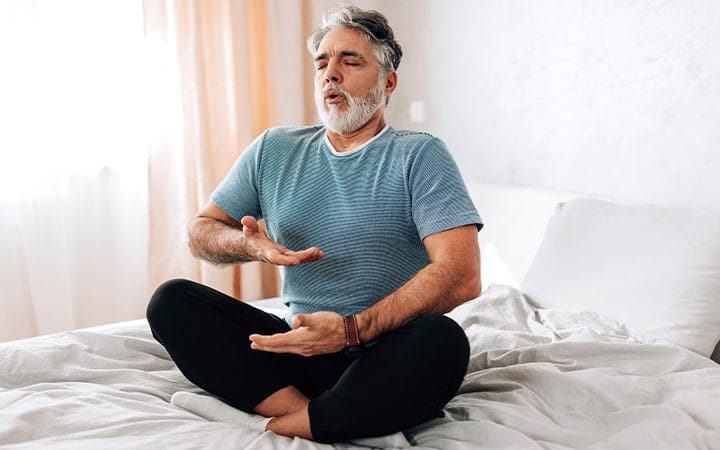
1. Two-Minute Breathing Reset

  • Inhale for 4 seconds

  • Hold for 4

  • Exhale for 6

  • Repeat for 2 minutes

This activates the parasympathetic nervous system, reducing stress hormones.

2. Mental Check-In (Once a Day)

Ask yourself:

  • What am I feeling right now?

  • What do I need most today?

Naming emotions reduces their intensity.

3. Body Awareness Break

Stand up every 90 minutes:

  • Roll shoulders

  • Stretch neck

  • Relax jaw

Stress is stored in the body—movement releases it.

4. Physical Self-Care Without Extreme Fitness

Redefining Exercise

You don’t need:

  • A perfect body

  • Daily gym sessions

  • Extreme discipline

You need consistent movement.

Effective options for busy men:

  • 20-minute brisk walks

  • Home bodyweight workouts

  • Climbing stairs

  • Stretching before bed

Sleep: The Most Ignored Self-Care Tool

Men often sacrifice sleep for work or screens.

Healthy sleep basics:

  • Fixed sleep and wake time

  • No screens 30 minutes before bed

  • Dark, cool room

  • Reduce caffeine after afternoon

Sleep deprivation worsens anxiety, irritability, and decision-making.

5. Emotional Self-Care: The Skill Men Are Rarely Taught

https://dayoneapp.com/wp-content/uploads/2023/06/emotinoal-journaling.jpg?utm_source=chatgpt.com
Emotional Suppression vs Regulation

Many men suppress emotions because they were never taught how to process them.

Suppression leads to:

  • Anger outbursts

  • Emotional shutdown

  • Psychosomatic symptoms

Regulation means:

  • Recognizing feelings

  • Allowing them without judgment

  • Expressing them safely

Simple Emotional Practices

  • Journaling: Write freely for 5 minutes

  • Label emotions: “I feel overwhelmed, not weak”

  • Music processing: Let music help release emotions

Emotional self-care is not weakness—it’s emotional intelligence.

6. Mental Self-Care: Protecting Your Cognitive Energy

Reduce Mental Overload

Your brain is not designed for constant stimulation.

Mental self-care strategies:

  • Single-task instead of multitask

  • Schedule “no-thinking” breaks

  • Limit doom-scrolling

Cognitive Boundaries

Learn to say:

  • “Not today.”

  • “I’ll think about this later.”

  • “This can wait.”

Boundaries protect mental health as much as physical safety.

7. Self-Care at Work: Thriving Without Burning Out

https://workplace.msu.edu/wp-content/uploads/2021/04/workday-break.jpg?utm_source=chatgpt.com
Workplace Self-Care Is Essential

Ignoring stress at work spills into home life.

Practical steps:

  • Take full lunch breaks

  • Step away from your desk

  • Clarify unrealistic expectations

  • Use vacation time

Redefining Success

Success is not:

  • Constant availability

  • Chronic exhaustion

True success includes sustainability.

8. Relationship Self-Care: You Can’t Pour From an Empty Cup

Communicating Needs

Men are often expected to “just handle it.”

Try:

  • “I’m overwhelmed and need quiet time.”

  • “I’m not okay today.”

  • “I need support, not solutions.”

Healthy Solitude vs Isolation

Solitude restores energy.
Isolation drains it.

Choose intentional alone time, not emotional withdrawal.

9. Digital Self-Care in a Hyperconnected World

Technology Fatigue

Constant notifications keep your nervous system activated.

Digital self-care ideas:

  • No phone during meals

  • One screen-free hour daily

  • Remove non-essential apps

Mental space is a form of self-respect.

10. Self-Care for Fathers and Family Men

https://www.bigdaddykreativ.ca/wp-content/uploads/2017/07/father-and-young-son-outdoors-on-sunny-day-sittin-2025-02-10-13-20-21-utc.jpg?utm_source=chatgpt.com

Being strong for your family includes caring for yourself.

Children learn emotional regulation by observing you.

Model:

  • Healthy stress management

  • Emotional expression

  • Rest without guilt

Self-care makes you a better role model, not a selfish one.

11. Spiritual and Purpose-Based Self-Care

Self-care is not only about stress reduction; it’s about meaning.

Purpose-based practices:

  • Prayer or meditation

  • Nature connection

  • Gratitude reflection

  • Service without overgiving

Meaning buffers stress and builds resilience.

12. When Self-Care Is Not Enough: Seeking Professional Help

Self-care is not a replacement for therapy.

Consider professional support if you experience:

  • Persistent sadness or anger

  • Panic attacks

  • Emotional numbness

  • Substance dependence

  • Thoughts of hopelessness

Organizations like American Psychiatric Association emphasize that early intervention prevents long-term mental health issues.

Asking for help is an act of responsibility.

13. Creating a Sustainable Self-Care Plan

Step 1: Identify One Area

Physical, emotional, mental, relational, or spiritual.

Step 2: Choose One Small Habit

Example:

  • 5-minute walk

  • One boundary at work

  • One honest conversation

Step 3: Schedule It

What gets scheduled gets done.

Step 4: Review Weekly

Adjust, don’t abandon.

Consistency beats intensity.

Common Myths About Men and Self-Care

Myth Reality
Self-care is selfish It improves relationships
Men don’t need emotional care Men experience emotions deeply
I don’t have time You can’t afford not to
Therapy is weakness It’s skill-building

Final Thoughts: Redefining Strength Through Self-Care

Strength is not endurance without rest.
Strength is self-awareness, adaptability, and sustainability.

As a busy man, you carry many roles. Self-care ensures those roles don’t consume you.

You don’t need perfection.
You need permission—to pause, to feel, to care for yourself.

Because a well-cared-for man is not only more productive—
he is more present, grounded, and alive.

Frequently Asked Questions (FAQ): Self-Care for Busy Men

1. What does self-care really mean for men?

Self-care for men means maintaining physical, mental, emotional, and social well-being in a practical and sustainable way. It’s not about luxury or indulgence—it’s about managing stress, regulating emotions, staying healthy, and preventing burnout so you can function effectively in daily life.


2. Why do many busy men struggle with self-care?

Many men grow up with beliefs such as:

  • “I must always be strong”

  • “Rest is laziness”

  • “Others’ needs come first”

Busy schedules, work pressure, financial responsibilities, and emotional suppression make self-care feel unnecessary or impossible—until stress shows up as anger, exhaustion, or health issues.


3. Is self-care selfish for men with family responsibilities?

No. Self-care is protective, not selfish. When men neglect themselves, stress spills into relationships through irritability, withdrawal, or emotional unavailability. Caring for yourself helps you be a better partner, father, and provider.


4. How much time does self-care require each day?

Self-care does not require hours. Even:

  • 5 minutes of deep breathing

  • 10 minutes of walking

  • 5 minutes of journaling

can significantly reduce stress if practiced consistently. Micro self-care is ideal for busy men.


5. What are simple self-care habits for men with hectic work schedules?

Some realistic habits include:

  • Taking short movement breaks at work

  • Eating at least one mindful meal daily

  • Setting a fixed sleep time

  • Reducing screen use before bed

  • Saying no to one unnecessary commitment

Small habits done daily are more effective than occasional big efforts.


6. How does self-care help with anger and irritability in men?

Unexpressed stress and emotions often turn into anger. Self-care helps by:

  • Calming the nervous system

  • Improving emotional awareness

  • Reducing physical tension

Practices like exercise, breathing, and emotional check-ins reduce emotional overload and impulsive reactions.


7. Is exercise necessary for self-care, or are there alternatives?

Exercise helps, but self-care is broader than fitness. Alternatives include:

  • Stretching

  • Walking

  • Adequate sleep

  • Healthy eating

  • Mental breaks

The goal is movement and regulation, not physical perfection.


8. How can men practice emotional self-care if they find it difficult to talk?

Emotional self-care doesn’t always require talking. Men can:

  • Write privately in a journal

  • Use music to process emotions

  • Spend time alone mindfully

  • Name emotions internally

Emotional processing can be quiet and private—it doesn’t have to be verbal.


9. What role does sleep play in self-care for men?

Sleep is one of the most powerful self-care tools. Poor sleep increases:

  • Anxiety

  • Irritability

  • Poor concentration

  • Health risks

Improving sleep quality often improves mood, energy, and emotional control without any other changes.


10. How can men practice self-care without feeling guilty?

Guilt comes from outdated beliefs that rest equals weakness. Reframe self-care as:

  • Maintenance, not indulgence

  • Responsibility, not escape

  • Strength-building, not avoidance

When self-care is seen as essential, guilt naturally reduces.


11. Can self-care improve work performance?

Yes. Self-care improves:

  • Focus and decision-making

  • Emotional regulation under pressure

  • Productivity and creativity

  • Long-term career sustainability

Burnout reduces performance; self-care protects it.


12. How does self-care affect relationships?

Men who practice self-care:

  • Communicate more clearly

  • Are less reactive

  • Feel more emotionally available

  • Experience fewer conflicts

Healthy relationships require emotionally regulated individuals.


13. Is digital detox part of self-care for busy men?

Absolutely. Constant notifications keep the brain in a stress state. Digital self-care includes:

  • Limiting social media

  • No-phone time before bed

  • Screen-free meals

Mental silence is a powerful form of rest.


14. When should a man seek professional mental health support?

Self-care is helpful, but professional support is needed if you experience:

  • Persistent sadness or anger

  • Panic attacks

  • Emotional numbness

  • Substance dependence

  • Thoughts of hopelessness

Seeking help is a sign of self-awareness and responsibility—not weakness.


15. How can a man build a long-term self-care routine?

Start simple:

  1. Choose one area (sleep, stress, emotions)

  2. Pick one small habit

  3. Schedule it

  4. Review weekly

Self-care should be sustainable, flexible, and realistic, not perfection-driven.


16. Can fathers practice self-care without neglecting their children?

Yes. In fact, children benefit when fathers model:

  • Healthy stress management

  • Emotional expression

  • Balanced routines

Self-care teaches children emotional intelligence by example.


17. What is the biggest myth about self-care for men?

The biggest myth is:
“Strong men don’t need self-care.”

In reality, strong men understand their limits, protect their health, and seek balance.

Written by Baishakhi Das

Qualifications: B.Sc, M.Sc, PG Diploma in Counseling

Role: Counselor / Mental Health Practitioner

Reference

How to Manage Anxiety as a Man: Practical Steps That Actually Work

Introduction: Why Men Experience Anxiety Differently

Anxiety is one of the most common mental health concerns worldwide, yet it remains deeply misunderstood among men. While women are more frequently diagnosed with anxiety disorders, research consistently shows that men experience anxiety at nearly equal rates—but express, cope with, and seek help for it very differently.

Men are often socialized to be strong, silent, independent, and emotionally controlled. From childhood, many boys hear messages like “don’t cry,” “man up,” or “handle it yourself.” These expectations don’t erase anxiety; they simply push it underground. As a result, male anxiety often shows up in ways that are easily overlooked or misinterpreted—such as irritability, anger, workaholism, substance use, emotional withdrawal, or physical symptoms.

This article explores:

  • How anxiety manifests uniquely in men

  • Why traditional coping advice often fails men

  • Evidence-based, practical strategies that actually work

  • When and how men can seek help without shame

Managing anxiety is not about becoming “less emotional.” It is about becoming more regulated, self-aware, and resilient.

Understanding Anxiety in Men

What Is Anxiety?

Anxiety is the body’s natural stress response, designed to protect us from danger. When functioning properly, it helps us stay alert and prepared. However, when anxiety becomes chronic, excessive, or disproportionate, it interferes with daily functioning and mental well-being.

Common anxiety disorders include:

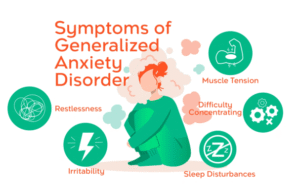
  • Generalized Anxiety Disorder (GAD)

  • Panic Disorder

  • Social Anxiety Disorder

  • Health Anxiety

  • Performance Anxiety

  • Trauma-related anxiety

In men, anxiety frequently goes undiagnosed because symptoms may not match stereotypical descriptions.

How Anxiety Commonly Shows Up in Men

Men are less likely to say “I feel anxious.” Instead, anxiety often appears indirectly.

1. Irritability and Anger

Many men experience anxiety as constant frustration, short temper, or sudden anger outbursts. This is not a personality flaw—it’s a fight-or-flight response stuck in “on” mode.

2. Physical Symptoms

Men often report:

  • Chest tightness

  • Digestive issues

  • Headaches

  • Muscle tension

  • Fatigue

  • Sleep disturbances

These symptoms are frequently investigated medically, while the underlying anxiety remains untreated.

3. Overworking and Perfectionism

Using work as an escape is socially rewarded, but chronic overworking can be a sign of anxiety driven by fear of failure, inadequacy, or loss of control.

4. Emotional Withdrawal

Rather than expressing worry, men may shut down emotionally, avoid conversations, or isolate themselves.

5. Risk-Taking or Substance Use

Alcohol, nicotine, or risky behaviors are sometimes used to numb anxiety temporarily, often worsening it long-term.

Why Men Struggle to Seek Help for Anxiety

Cultural Expectations of Masculinity

Many men fear that acknowledging anxiety means weakness. Unfortunately, this belief delays treatment and increases suffering.

Lack of Emotional Language

Men are often not taught how to identify or verbalize emotions, making it harder to recognize anxiety early.

Fear of Being Judged

Men may worry about being perceived as unreliable, weak, or incapable—especially in professional or family roles.

Preference for Self-Reliance

While independence can be healthy, emotional self-isolation increases anxiety severity.

Practical Steps That Actually Work for Managing Anxiety

1. Reframe Anxiety as a Nervous System Issue (Not a Personal Failure)

Anxiety is not a character flaw. It is a physiological and psychological response shaped by genetics, life experiences, and stress exposure.

Understanding this reduces shame and increases willingness to engage in treatment.

Anxiety is not weakness—it’s a nervous system asking for regulation.

Body-Based Strategies: Regulating the Nervous System

2. Controlled Breathing Techniques

Breathing directly affects the autonomic nervous system.

Box Breathing (Highly Effective for Men):

  • Inhale for 4 seconds

  • Hold for 4 seconds

  • Exhale for 4 seconds

  • Hold for 4 seconds
    Repeat for 3–5 minutes.

This technique is widely used by military and law enforcement for stress control.

3. Physical Exercise (But the Right Kind)

Exercise is one of the most effective anxiety treatments.

Best options:

  • Strength training

  • Walking

  • Swimming

  • Yoga or stretching

  • Martial arts

Avoid overtraining, which can worsen anxiety by increasing cortisol.

4. Sleep Regulation

Poor sleep intensifies anxiety symptoms.

Key rules:

  • Fixed sleep and wake times

  • No screens 60 minutes before bed

  • Reduce caffeine after noon

  • Avoid alcohol as a sleep aid

Sleep is not optional—it is foundational to mental health.

Cognitive Strategies: Working with the Mind

5. Identify Anxiety-Driven Thought Patterns

Common patterns in men:

  • “If I fail, I’m worthless.”

  • “I must always be in control.”

  • “I can’t show weakness.”

  • “Something bad is going to happen.”

These thoughts feel true—but they are learned mental habits, not facts.

6. Cognitive Behavioral Techniques (CBT)

CBT helps men:

  • Identify distorted thinking

  • Challenge catastrophic beliefs

  • Develop realistic perspectives

Example:

Thought: “If I mess up this presentation, my career is over.”
Reframe: “One performance does not define my competence.”

CBT is one of the most evidence-based treatments for anxiety.

7. Reduce Overthinking Through Action

Men often respond better to action-oriented strategies than emotional processing alone.

Helpful techniques:

  • Write worries down, then schedule “worry time”

  • Break problems into small, actionable steps

  • Focus on what is controllable

Emotional Regulation Without Losing Masculinity

8. Redefine Emotional Strength

Emotional strength is not emotional suppression—it is emotional regulation.

Healthy regulation includes:

  • Naming emotions

  • Tolerating discomfort

  • Expressing feelings safely

  • Asking for support when needed

These skills increase confidence, not reduce it.

9. Journaling (Structured, Not Emotional Dumping)

Men often resist journaling—but structured formats work well.

Try:

  • “What stressed me today?”

  • “What is within my control?”

  • “What action can I take?”

Five minutes is enough.

Social Support: You Don’t Have to Do It Alone

10. Build One Safe Connection

Men do not need large emotional circles—one safe person is enough.

This could be:

  • A friend

  • A partner

  • A sibling

  • A therapist

Connection reduces anxiety by calming the nervous system.

11. Therapy Is a Tool, Not a Weakness

Therapy provides:

  • Skills, not dependency

  • Structure, not judgment

  • Confidentiality, not exposure

Men often prefer:

  • Goal-oriented therapy

  • CBT or solution-focused approaches

  • Clear strategies and progress tracking

Seeking help is a strategic decision, not an emotional failure.

Lifestyle Factors That Reduce Anxiety Long-Term

12. Limit Alcohol and Nicotine

Both temporarily reduce anxiety but increase baseline anxiety levels over time.

13. Nutrition and Anxiety

  • Stable blood sugar reduces anxiety

  • High caffeine increases symptoms

  • Balanced meals support nervous system health

14. Reduce Digital Overload

Constant notifications keep the brain in a stress loop.

Simple rule:

  • Phone-free first and last hour of the day

When Anxiety Requires Professional Help

Seek professional support if:

  • Anxiety lasts more than 6 months

  • Panic attacks occur

  • Sleep is consistently disturbed

  • Work or relationships suffer

  • You feel emotionally numb or hopeless

Medication may be helpful for some men and is not a failure—it is a medical intervention.

Breaking the Stigma: A New Definition of Masculinity

True strength includes:

  • Self-awareness

  • Emotional responsibility

  • Adaptability

  • Seeking help when needed

Men who manage anxiety effectively often report:

  • Better relationships

  • Improved performance

  • Increased confidence

  • Greater life satisfaction

Conclusion: Managing Anxiety Is a Skill—Not a Personality Trait

Anxiety does not define a man. How he responds to it does.

Managing anxiety is not about eliminating fear—it is about learning to function despite it, regulate it, and grow stronger through it.

Men deserve mental health support just as much as anyone else.

You are not weak for feeling anxious.
You are human—and capable of learning how to manage it.

(FAQ): Managing Anxiety in Men

1. How do men manage anxiety effectively?

Men manage anxiety most effectively by combining nervous system regulation (breathing, exercise, sleep) with cognitive strategies like CBT, structured problem-solving, and emotional awareness. Seeking support from a trusted person or therapist also significantly reduces symptoms.

2. What are common signs of anxiety in men?

Common signs of anxiety in men include irritability, anger, restlessness, overthinking, muscle tension, sleep problems, digestive issues, and emotional withdrawal. Many men experience anxiety physically rather than emotionally, which can delay recognition and treatment.

3. Why do men experience anxiety differently from women?

Men are often socialized to suppress emotions and appear strong, which causes anxiety to manifest through behavioral or physical symptoms rather than verbal emotional expression. Cultural expectations around masculinity also reduce help-seeking behavior in men.

4. Can anxiety in men cause anger or aggression?

Yes. Anxiety activates the body’s fight-or-flight response, which in men often presents as anger, irritability, or aggression. This does not mean the person is violent—it indicates unregulated anxiety and heightened stress hormones.

5. What coping strategies work best for men with anxiety?

Men often benefit from:

  • Structured breathing techniques

  • Strength training or physical activity

  • Cognitive Behavioral Therapy (CBT)

  • Action-based problem solving

  • Limited alcohol and caffeine intake

  • Consistent sleep routines

These strategies help regulate both the mind and nervous system.

6. Is therapy effective for men with anxiety?

Yes. Therapy—especially CBT, solution-focused therapy, and trauma-informed approaches—is highly effective for men. Therapy provides practical tools, emotional regulation skills, and a non-judgmental space to understand anxiety patterns.

7. Can men manage anxiety without medication?

Many men successfully manage anxiety without medication through therapy, lifestyle changes, stress management techniques, and emotional regulation skills. However, medication can be helpful in moderate to severe cases and should not be seen as a weakness.

8. How does masculinity affect anxiety in men?

Traditional masculinity norms often discourage emotional expression and vulnerability, increasing internalized stress and untreated anxiety. Redefining masculinity to include emotional awareness and help-seeking improves mental health outcomes.

9. When should a man seek professional help for anxiety?

A man should seek professional help if anxiety:

  • Lasts longer than six months

  • Causes panic attacks

  • Interferes with work or relationships

  • Affects sleep or physical health

  • Leads to emotional numbness or substance use

Early intervention leads to better recovery.

10. Is anxiety a sign of weakness in men?

No. Anxiety is a biological and psychological response, not a weakness. Learning to manage anxiety shows self-awareness, emotional intelligence, and strength. Seeking help is a responsible and proactive decision.

References

American Psychiatric Association. (2022).
Diagnostic and Statistical Manual of Mental Disorders (5th ed., text rev.; DSM-5-TR).
American Psychiatric Publishing.
🔗 https://www.psychiatry.org/psychiatrists/practice/dsm

Beck, J. S. (2011).
Cognitive behavior therapy: Basics and beyond (2nd ed.). Guilford Press.
🔗 https://www.guilford.com/books/Cognitive-Behavior-Therapy/Judith-Beck/9781609185046

Courtenay, W. H. (2000).
Constructions of masculinity and their influence on men’s well-being.
Social Science & Medicine, 50(10), 1385–1401.
🔗 https://doi.org/10.1016/S0277-9536(99)00390-1

Mahalik, J. R., et al. (2007).
Gender role conflict and psychological distress in men.
Journal of Counseling Psychology, 54(2), 163–175.
🔗 https://doi.org/10.1037/0022-0167.54.2.163

National Institute of Mental Health. (2023).
Anxiety Disorders.
🔗 https://www.nimh.nih.gov/health/topics/anxiety-disorders

World Health Organization. (2022).
Mental health of men and boys.
🔗 https://www.who.int/news-room/fact-sheets/detail/mental-health-of-men-and-boys

Signs of Depression: Understanding the Silent Struggle