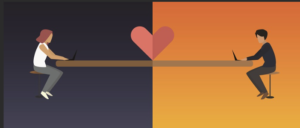
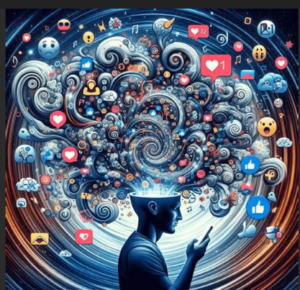
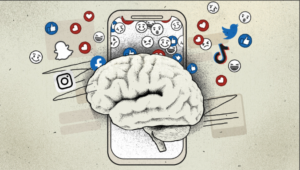
Modern dating blurs lines between casual and serious, emotional and physical, freedom and ambiguity. A growing number of people find themselves stuck in a situationship — a space where intimacy exists without commitment, emotions exist without clarity, and connection exists without security.
A situationship is an almost-relationship — emotionally charged enough to feel meaningful, but unclear enough to keep you uncertain.
It is often not intentional, but psychological patterns, attachment wounds, and modern dating culture push people into these undefined emotional entanglements.
This article explores in-depth the psychology of situationships, the hidden red flags, and why so many people miss them until they’re deeply attached.
What Is a Situationship? (A Deeper Understanding)
While a situationship is often defined as “a romantic or sexual relationship without labels,” the psychological experience is much deeper:
✔ It mimics a relationship but lacks security.
You share emotions, affection, intimacy, yet feel unclaimed.
✔ It offers companionship without accountability.
They want access to you, but not responsibility toward you.
✔ It creates emotional dependence without commitment.
You attach, hoping things will evolve — but nothing changes.
✔ It makes you feel chosen in moments but forgotten in between.
A rollercoaster of attention and absence.
Situationships are not always toxic — some people genuinely need time to build trust.
But when unclear boundaries turn into patterned inconsistency, red flags start appearing.
Why Situationships Form (Psychological + Social Causes)
2.1. Fear of Commitment
Many people avoid labels because:
-
They fear emotional responsibilities
-
They fear failure or heartbreak
-
They fear losing freedom
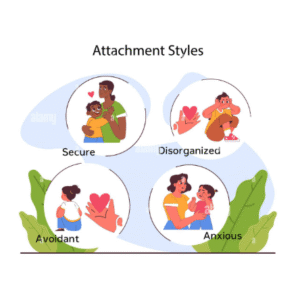
This is common in dismissive avoidant attachment individuals.
2.2. Loneliness + Convenience
A situationship fills emotional gaps temporarily:
-
Companionship
-
Physical affection
-
Validation
It’s easier than opening up to someone new.
2.3. Emotional Unavailability
They want intimacy without vulnerability.
Affection without accountability.
Bonding without responsibility.
2.4. Lack of Relationship Skills
Some people:
-
Don’t know how to communicate
-
Don’t know how to build healthy relationships
-
Fear conflict
-
Avoid difficult conversations
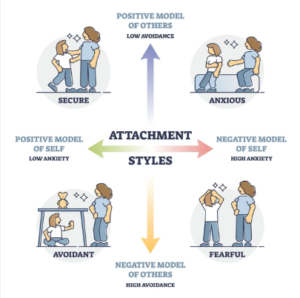
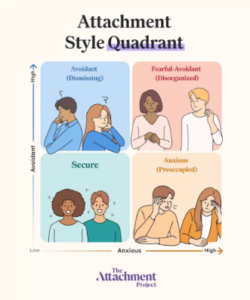
2.5. Avoidant + Anxious Attachment Dynamics
A perfect ground for a push–pull dynamic:
-
One person avoids closeness
-
The other anxiously chases it
Situationships thrive in this cycle.
2.6. Modern Dating Culture
Apps create:
-
Infinite options
-
Reduced patience
-
Fear of choosing the “wrong” person
-
Overly casual attitudes toward intimacy
In such an environment, “situations” feel safer than “relationships.”
Why Situationships Feel So Deep (Psychology Behind Emotional Intensity)
Situationships often feel more intense than real relationships. Why?
3.1. Intermittent Reinforcement
This is the same psychological pattern found in gambling addiction.
-
You get affection unpredictably
-
You start craving the next “high”
-
Your brain releases dopamine irregularly
This makes the bond feel addictive.
3.2. Fantasy Bonding
You fall for:
-
Their potential
-
What you imagine
-
What you hope it will become
-
The “ideal future” you create in your mind
Fantasy keeps people stuck longer than reality.
3.3. Chemistry Without Clarity
Uncertainty heightens psychological arousal.
Your brain mistakes:
-
Anxiety for excitement
-
Unpredictability for passion
-
Mixed signals for emotional intensity
3.4. Ego Validation
When someone gives you attention inconsistently:
-
You try harder
-
You attach more
-
You equate their approval with self-worth
This creates emotional dependency.
Hidden Situationship Red Flags Most People Don’t Notice
These are the subtle emotional warning signs that creep in silently and destroy your peace.
🚩 Red Flag 1: You Never Know Where You Stand
You constantly wonder:
-
“Are we together?”
-
“Do they like me?”
-
“Am I the only one?”
Confusion is NOT normal.
Confusion is communication.
A secure person will make you feel secure — not anxious.
🚩 Red Flag 2: They Want Relationship Benefits Without the Relationship
They expect:
-
Emotional support
-
Physical intimacy
-
Loyalty
-
Understanding
-
Time
-
Availability
But without offering:
-
Commitment
-
Exclusivity
-
Partnership
-
Responsibility
This is exploitation disguised as “vibing.”
🚩 Red Flag 3: They Only Meet You on Their Terms
Patterns include:
-
Late-night meet-ups
-
Last-minute plans
-
Canceling frequently
-
Making no effort to plan
-
Expecting flexibility but not giving any
This shows you’re not a priority — just a convenience.
🚩 Red Flag 4: They Avoid Any Conversation About Labels
Whenever you ask simple questions like:
-
“Where is this going?”
-
“Are we exclusive?”
-
“Do you see future potential?”
They respond with:
-
“Why ruin the vibe?”
-
“Let’s just enjoy the moment.”
-
“Do we really need labels?”
This is emotional avoidance, not compatibility.
🚩 Red Flag 5: Inconsistent Communication Patterns
Examples:
-
Days of intense texting → suddenly disappears
-
Sweet messages → dry replies
-
Hours-long conversations → cold distance
Consistency reflects care.
Inconsistency reflects confusion.
🚩 Red Flag 6: You Feel Like a Secret
If you notice:
-
They don’t post you
-
They avoid introducing you to friends
-
They hide you from social circle
-
They avoid public affection
It means they’re not ready to integrate you into their real life.
🚩 Red Flag 7: They Are Emotionally Unavailable
Signs include:
-
They avoid vulnerability
-
They shut down during serious talks
-
They use humor to deflect intimacy
-
They keep conversations shallow
-
They can’t express emotions
Emotional intimacy is a two-way street — if you’re the only one opening up, you’re in trouble.
🚩 Red Flag 8: They Don’t Ask Personal Questions
If they never ask:
-
What scares you
-
What excites you
-
Your goals
-
Your past
-
Your preferences
…it shows lack of emotional investment.
🚩 Red Flag 9: You Make Excuses For Their Behavior
This is classic cognitive dissonance.
You hear yourself saying:
-
“They’re just busy.”
-
“They’re not good at texting.”
-
“It’ll get better.”
-
“They’re scared of relationships.”
Excessive excuse-making is a huge red flag of emotional manipulation.
🚩 Red Flag 10: They Keep You “On Hold”
They say:
-
“Not now.”
-
“Maybe later.”
-
“Let’s see how things go.”
You wait.
You hope.
You invest.
They simply enjoy the benefits.
🚩 Red Flag 11: Physical Intimacy Replaces Emotional Effort
They offer:
-
Touch
-
Kisses
-
Sex
-
Physical closeness
But avoid:
-
Emotional transparency
-
Future planning
-
Vulnerability
-
Difficult conversations
This creates a false sense of closeness.
🚩 Red Flag 12: Your Emotional Needs Are a “Problem”
When you express needs, they say:
-
“You’re too emotional.”
-
“You’re overthinking.”
-
“Why are you acting like we’re dating?”
These responses are dismissive and manipulative.
🚩 Red Flag 13: You Feel Jealous But Have No Right to Be
You see them:
-
Liking others’ posts
-
Flirting online
-
Talking to multiple people
-
Not respecting boundaries
But you can’t say anything because you’re not official.
🚩 Red Flag 14: They Keep You in a “Gray Zone” On Purpose
The gray zone benefits them because:
-
You’re loyal
-
You’re available
-
You’re emotionally invested
-
You’re convenient
But they give nothing in return.
🚩 Red Flag 15: You’re More Anxious Than Happy
Situationship anxiety is real:
-
Overthinking
-
Checking their social media
-
Waiting for replies
-
Feeling empty after seeing them
-
Feeling unsure all the time
Healthy relationships do not activate anxiety — they calm it.
🚩 Red Flag 16: Your Self-Esteem Slowly Declines
Signs include:
-
Feeling unworthy
-
Comparing yourself to others
-
Feeling not good enough
-
Doubting your attractiveness
-
Seeking approval constantly
Situationships damage self-worth gradually and silently.
🚩 Red Flag 17: They Keep You as a Back-Up Option
This happens when:
-
They want freedom to explore
-
They fear loneliness
-
They keep you emotionally hooked
You become their “emotional cushion” while they look for someone else.
🚩 Red Flag 18: You Are Not Growing — Just Waiting
Waiting for:
-
Clarity
-
Commitment
-
Consistency
This stagnation kills emotional well-being.

Psychological Damage Situationships Create (In Depth)
1. Emotional Exhaustion
The constant confusion drains mental energy.
2. Anxiety + Hypervigilance
You start reading between lines for signs of rejection.
3. Attachment Dysregulation
Your attachment system becomes activated, creating dependency.
4. Loss of Self-Respect
You tolerate what you wouldn’t normally accept.
5. Fear of Real Relationships
You learn to expect unpredictability.
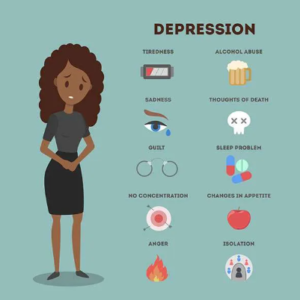
6. Depression
Feeling unwanted becomes internalized.
7. Trauma Bonding
The inconsistency becomes addictive.
Why People Stay Even After Seeing Red Flags
People stay due to:
Hope of Change
Believing “effort” will turn the situation into a relationship.
Fear of Loss
Walking away feels like losing potential.
Emotional Investment
“The more I invest, the harder it is to leave.”
Scarcity Mindset
Believing you won’t find someone better.
Loneliness
Being partially loved feels better than being alone.
Low Self-Esteem
Feeling unworthy of a healthy relationship.
Trauma Patterns
Recreating familiar childhood dynamics.
When You Should Leave a Situationship
Leave when:
-
Your needs are dismissed
-
They refuse clarity
-
You feel anxious more than happy
-
You’re losing your self-worth
-
You see no consistency
-
You feel you’re begging for basic things
-
You’re emotionally drained
Your peace is more important than someone’s potential.
How to Heal and Break Free (Therapist-Backed Guide)
Step 1: Accept the Reality You Avoided
Stop trying to make excuses.
Step 2: Identify Your Attachment Triggers
Are you anxious, avoidant, or fearful?
Step 3: Cut Off Emotional Breadcrumbs
No “checking their story.”
No “just one more text.”
Step 4: Rebuild Self-Worth
Affirm:
-
“I deserve clarity.”
-
“I deserve consistency.”
-
“I deserve real love.”
Step 5: Re-evaluate Your Dating Standards
Redefine what you will and won’t accept.
Step 6: Seek Secure Connections
Build connections where your needs matter.
Step 7: Take Time for Emotional Detox
Reflect, journal, heal.

Final Thoughts: You Deserve More Than a Situationship
A situationship is not failure — it’s a lesson.
It teaches you:
-
What you truly desire
-
What you can’t tolerate
-
What your patterns are
-
What you deserve
Remember:
If someone wants you, you won’t have to guess.
If someone values you, you won’t feel confused.
If someone chooses you, it will be clear.
You deserve commitment, not crumbs.
You deserve clarity, not confusion.
You deserve real love — not an almost relationship.
Reference
-
APA – Relationship & Attachment Research
https://www.apa.org/monitor/2019/02/attachment
-
Verywell Mind – Breadcrumbing Definition
https://www.verywellmind.com/what-is-breadcrumbing-5218333
-
Psychology Today – Avoidant Attachment
https://www.psychologytoday.com/us/basics/attachment-theory/avoidant-attachment
-
Harvard Health – Emotional Health & Connection
https://www.health.harvard.edu/mind-and-mood/why-connection-matters
-
National Institute of Mental Health (NIMH)
https://www.nimh.nih.gov/ - How Childhood Emotional Neglect Affects Adults: A Deep Psychological Exploration
- Contact Us