

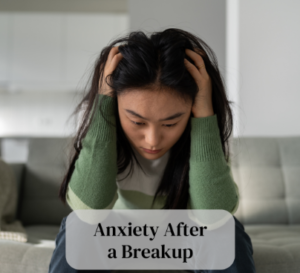
Breakups hurt — sometimes more than we expect. Even if the relationship was short, complicated, or unhealthy, the emotional shock that follows can be overwhelming. People often say, “It’s over, move on,” as if healing is a switch you can turn off. But psychologically, breakups affect the brain, the nervous system, self-worth, and even identity.
One of the most common yet least discussed reactions after a breakup is breakup anxiety — the intense emotional distress, fear, uncertainty, overthinking, and mental chaos that emerges during or after the end of a relationship.
This article explores:
-
What breakup anxiety really is
-
The psychology behind it
-
Why it triggers such intense emotional pain
-
How attachment styles influence breakup trauma
-
The physical and neurological impact
-
Signs you may be experiencing breakup anxiety
-
How to cope, heal, and rebuild emotionally
Let’s dive deep into understanding why breakup anxiety happens — and how you can truly move forward.
What Is Breakup Anxiety?
Breakup anxiety refers to the overwhelming emotional and physical stress that occurs when a relationship ends.
It can feel like:
-
Heart racing
-
Chest tightness
-
Constant overthinking
-
Fear of the future
-
Sleeplessness
-
Loss of appetite
-
Obsessive thoughts
-
Feeling emotionally unsafe
This anxiety is not a sign of weakness — it’s a biological and psychological response to emotional loss.
Breakup anxiety is essentially your mind and body reacting to:
-
Loss of attachment
-
Loss of identity
-
Loss of routine
-
Loss of emotional safety
-
Fear of abandonment
-
Pain of rejection
Breakups affect the same areas of the brain that respond to physical pain — which explains why the emotional distress feels physically heavy.
Why Breakup Anxiety Feels So Intense
Breakups challenge every layer of human psychology.
2.1. Loss of Attachment
Humans are wired for connection.
Romantic bonds activate the brain’s reward system.
When the bond breaks, the brain enters withdrawal — similar to addiction withdrawal.
2.2. Fear of Abandonment
Breakups often activate long-buried attachment wounds, especially if:
-
You were abandoned in childhood
-
You lacked emotional security growing up
-
You fear losing loved ones
This triggers anxiety, insecurity, and panic.
2.3. Loss of Identity
Couples often build:
-
Shared routines
-
Shared dreams
-
Shared identity
When it ends, you may question:
-
“Who am I now?”
-
“What is my life without them?”
Identity loss creates anxiety and emotional confusion.
2.4. Loss of Emotional Safety
Your partner may have been your:
-
Comfort
-
Safe place
-
Confidence
-
Emotional support
Their absence feels like emotional freefall.
2.5. Uncertainty About the Future
Breakups disrupt long-term plans.
The brain dislikes uncertainty — it triggers anxiety.
2.6. Rejection Wounds Self-Esteem
Even if the breakup was mutual, rejection impacts:
-
Self-worth
-
Confidence
-
Sense of being lovable
The brain interprets rejection as danger — activating fear and anxiety.
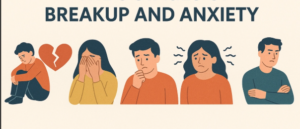
The Neurobiology of Breakup Anxiety
Breakups don’t just hurt emotionally — they affect the brain and body.
3.1. Dopamine Withdrawal
Love increases dopamine.
Breakups cause a sudden dopamine drop → like addiction withdrawal.
Symptoms:
-
Shaking
-
Panic
-
Craving the person
-
Feeling empty
-
Mood swings
3.2. Cortisol Surge
Breakups trigger stress hormones (cortisol), causing:
-
Heart palpitations
-
Overthinking
-
Insomnia
-
Loss of appetite
3.3. Amygdala Activation
The brain’s fear center becomes overactive → creating anxiety and irrational fears.
3.4. Nervous System Dysregulation
After a breakup, the body switches to:
-
Fight
-
Flight
-
Freeze
-
Fawn
This explains emotional numbness, panic, or clinginess.
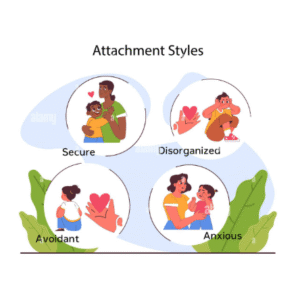
Attachment Styles and Breakup Anxiety
Your childhood attachment style heavily influences how you handle breakups.
4.1. Anxious Attachment
People with anxious attachment experience the highest breakup anxiety.
Symptoms include:
-
Obsessive thoughts
-
Constant checking (social media, messages)
-
Panic attacks
-
Fear of being alone
-
Hoping for reconciliation
-
Difficulty letting go
They fear abandonment deeply.
4.2. Avoidant Attachment
Avoidants look calm outside but struggle internally.
Patterns include:
-
Emotional shutdown
-
Suppression of feelings
-
Rebound relationships
-
Self-isolation
-
Numbness
They may appear unaffected, but internal anxiety is real.
4.3. Fearful-Avoidant Attachment
This group experiences extreme emotional chaos.
Symptoms:
-
Wanting closeness but fearing it
-
Panic + withdrawal cycles
-
Trauma triggers
Breakup anxiety is intense and confusing.
4.4. Secure Attachment
Secure individuals feel pain but cope in healthy ways:
-
Balanced emotions
-
Healthy processing
-
Understanding loss without self-blame
They grieve, but anxiety doesn’t overwhelm their identity.
Signs You’re Experiencing Breakup Anxiety
Many people mistake breakup anxiety for heartbreak.
But anxiety has clear patterns.
Emotional Symptoms:
-
Feeling overwhelmed
-
Extreme sadness
-
Hopelessness
-
Irrational fears
-
Emotional panic
Mental Symptoms:
-
Constant overthinking
-
Analysis paralysis
-
Obsessing over the past
-
Imagining worst-case scenarios
-
Inability to focus
Behavioral Symptoms:
-
Checking their social media
-
Re-reading old chats
-
Trying to reconnect
-
Stalking their activities
-
Avoiding social interaction
Physical Symptoms:
-
Chest pain
-
Headaches
-
Nausea
-
Shaky hands
-
Insomnia
-
Change in appetite
Breakup anxiety often feels like emotional survival mode.
The Hidden Layers of Breakup Anxiety People Overlook
Many don’t realize breakup anxiety goes deeper than lost love.
6.1. It Reopens Old Wounds
Breakups trigger:
-
Childhood trauma
-
Repressed emotions
-
Abandonment wounds
-
Past relationship pain
This magnifies anxiety.
6.2. You Grieve Not Just the Person — but the Dream
You grieve:
-
The future you imagined
-
The identity you built together
-
The version of yourself that existed with them
-
The comfort of companionship
This loss can be more painful than the breakup itself.
6.3. Loss of Routine Disrupts Stability
Humans love predictable patterns.
Breakups shatter routine → creating chaos.
6.4. Self-Blame Intensifies Anxiety
You may think:
-
“I wasn’t enough.”
-
“I should’ve tried harder.”
-
“I’m unlovable.”
Self-blame is a major anxiety trigger.
6.5. Fear of Starting Over
The idea of:
-
Opening up again
-
Trusting someone new
-
Dating again
…can be terrifying.

Why Moving On Feels Impossible (Psychological Reasons)
Breakups disrupt:
-
Emotional dependency
-
Identity attachment
-
Neurochemical bonding
-
Social routines
-
Sense of belonging
This makes healing gradual, not instant.
You’re not “weak” — you’re human.
How to Heal Breakup Anxiety (Deep, Therapist-Backed Guide)
Healing breakup anxiety needs emotional, psychological, and behavioral strategies.
Phase 1: Immediate Grounding (First Few Days)
1. Allow the Pain
Suppressing emotions causes long-term anxiety.
Cry.
Write.
Express.
Grieve.
Feel.
2. Break the Dependency Cycle
Do not check:
-
Their social media
-
Old texts
-
Call logs
-
Photos
These re-trigger anxiety.
3. Remove Emotional Triggers
Delete:
-
Messages
-
Videos
-
Gifts
-
Reminders
Your nervous system needs peace.
4. Use Grounding Techniques
Try:
-
4-7-8 breathing
-
Body scanning
-
Deep pressure techniques
-
Mindfulness
These calm anxiety fast.
Phase 2: Emotional Processing (Next Few Weeks)
1. Journal the Truth
Write:
-
What hurt you
-
What you learned
-
What was missing
-
What you deserve
2. Challenge Distorted Thoughts
Replace:
-
“I’ll never find love again”
With: -
“I will love differently next time.”
3. Avoid Romanticizing the Past
The brain idealizes what it lost — that’s not reality.
4. Let Yourself Detach Slowly
Emotional detachment is not coldness — it’s healing.
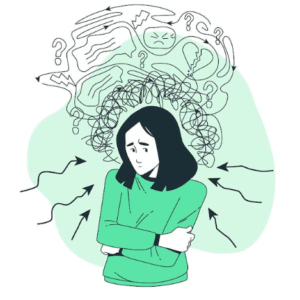
Phase 3: Rebuilding Self-Worth
Breakups shake confidence.
1. Affirm Your Value
Say:
-
“I am worthy of healthy love.”
-
“I am enough.”
2. Rebuild Routine
Stability reduces anxiety.
3. Reconnect with Friends + Support
Loneliness increases attachment anxiety.
4. Engage in Self-Discovery
Ask:
-
“Who am I without them?”
-
“What makes me feel alive?”
5. Build Emotional Independence
Learn to self-soothe.
Phase 4: Long-Term Healing
1. Work on Attachment Style
Secure attachment is a skill.
Learn emotional regulation and communication.
2. Break Trauma Bonds
Learn signs of trauma-driven attraction.
3. Create New Dreams
Your life doesn’t end with one relationship.
4. Open Your Heart Slowly
Healing does not mean closing forever.
It means loving better next time.
When to Seek Professional Help
Get support if:
-
Anxiety is uncontrollable
-
Panic attacks increase
-
Depression develops
-
You cannot function normally
-
You feel worthless
-
You have thoughts of self-harm
Therapists help rewire emotional patterns.
Final Thoughts: Healing Is Not Linear — But It’s Possible
Breakup anxiety is not shameful — it’s a reflection of how deeply you loved, invested, and cared.
Healing takes time, compassion, and patience.
Every setback is progress.
Every tear is release.
Every step forward is recovery.
Remember:
A breakup is an ending — but also a beginning.
Your story does not end here.
Your heart will love again, stronger and wiser.
Reference
-
American Psychological Association – Stress & Anxiety
https://www.apa.org/topics/anxiety
-
Verywell Mind – Why Breakups Hurt
https://www.verywellmind.com/why-breakups-hurt-4178373
-
Harvard Health – Emotional Pain & the Brain
https://www.health.harvard.edu/mind-and-mood/emotional-pain-is-real
-
NIMH – Understanding Anxiety Disorders
https://www.nimh.nih.gov/health/topics/anxiety-disorders
-
Psychology Today – Attachment & Relationships
https://www.psychologytoday.com/us/basics/attachment - How Childhood Emotional Neglect Affects Adults: A Deep Psychological Exploration
- Situationship Red Flags People Don’t Notice
- Why Modern Relationships Fail: Attachment Theory Explained
- Contact Us
One Reply to “Breakup Anxiety: Why It Happens & How to Heal ”