


Introduction: “Will I Ever Feel Like Myself Again?”
One of the most painful questions mothers silently carry after childbirth is not always “Why do I feel this way?” but rather:
“How long is this going to last?”
Postpartum depression (PPD) can make time feel distorted. Days blur together, exhaustion feels endless, and hope can feel far away. Many mothers fear that what they’re experiencing is permanent—that they will never return to their old selves or fully enjoy motherhood.
This fear is understandable, especially when postpartum depression is misunderstood, minimized, or ignored. Some are told, “It will pass,” while others hear, “You should be over this by now.” Both responses can feel invalidating and confusing.
The truth is nuanced and hopeful: postpartum depression has a timeline, but it is not the same for everyone. With the right understanding and support, recovery is not only possible—it is expected.
This article explains how long postpartum depression lasts, what affects its duration, what recovery actually looks like, and when to seek help—so mothers can replace fear with clarity and compassion.
Understanding Postpartum Depression
What Is Postpartum Depression?
Postpartum depression is a mood disorder that can develop anytime within the first year after childbirth. It affects emotional well-being, thinking patterns, physical energy, self-esteem, and relationships.
Unlike temporary mood changes after birth, postpartum depression:
-
Persists over time
-
Interferes with daily functioning
-
Does not improve with rest alone
-
Often worsens without support
It is not a personal failure—it is a medical and psychological condition.
When Does Postpartum Depression Start?
A common misconception is that postpartum depression begins immediately after delivery. In reality, onset varies widely.
PPD may begin:
-
Within the first 2 weeks
-
At 1–3 months postpartum
-
At 6 months or later
-
Even close to the baby’s first birthday
Because of this delayed onset, many mothers do not associate their symptoms with childbirth at all.
So, How Long Does Postpartum Depression Last?
The Short Answer
Postpartum depression can last:
-
A few weeks with early support
-
Several months without treatment
-
A year or longer if left untreated
There is no fixed expiration date—but there is a clear pattern:
👉 Earlier support = faster recovery
Typical Duration Based on Support
1. With Early Recognition and Support
When postpartum depression is identified early and treated appropriately:
-
Symptoms often improve within 8–12 weeks
-
Many mothers feel significantly better within 3–6 months
-
Emotional stability gradually returns
Early intervention shortens the course and reduces severity.
2. Without Professional Help
When postpartum depression is ignored, minimized, or normalized:
-
Symptoms may persist 6–12 months or longer
-
Emotional distress may deepen
-
Anxiety and guilt often increase
-
Depression may become chronic
Untreated postpartum depression can evolve into major depressive disorder.
3. With Severe or Complicated Depression
In cases involving:
-
Past trauma
-
Severe anxiety
-
Relationship stress
-
Lack of support
-
Hormonal sensitivity
Recovery may take longer—but it is still possible with consistent care.
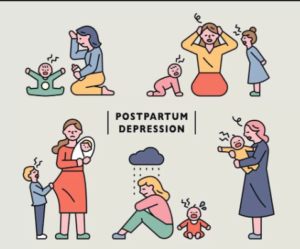
Why the Duration of Postpartum Depression Varies
Postpartum depression is not caused by one factor alone. Its duration depends on multiple interacting influences.
1. Hormonal Sensitivity and Recovery
After childbirth, levels of estrogen and progesterone drop sharply. For some women, this hormonal shift stabilizes quickly. For others, the brain remains sensitive for months.
Women with higher hormonal sensitivity may experience:
-
Longer mood instability
-
Prolonged emotional symptoms
-
Slower recovery without support
This is biological—not a lack of resilience.
2. Sleep Deprivation and Ongoing Exhaustion
Chronic sleep loss:
-
Worsens mood regulation
-
Increases anxiety
-
Reduces coping ability
When sleep deprivation continues for months, depression often lasts longer.
Sleep is not a luxury—it is a mental health necessity.
3. Emotional Support (or Lack of It)
Mothers who feel:
-
Emotionally heard
-
Practically supported
-
Validated without judgment
tend to recover faster.
Those who feel:
-
Criticized
-
Alone
-
Expected to “manage”
often experience prolonged symptoms.
4. Relationship Stress
Conflict with a partner, lack of emotional intimacy, or feeling misunderstood can extend postpartum depression.
Depression thrives in isolation and emotional invalidation.
5. Cultural Pressure and Silence
In many cultures, including India, mothers are expected to:
-
Adjust quietly
-
Be grateful
-
Prioritize everyone else
When emotional pain is silenced, healing is delayed.
6. Past Mental Health History
Women with a history of:
-
Depression
-
Anxiety
-
Trauma
-
Childhood emotional neglect
may experience postpartum depression that lasts longer without targeted support.
This is not relapse—it is vulnerability resurfacing during a sensitive life phase.
Postpartum Depression vs Baby Blues: Duration Matters
| Feature | Baby Blues | Postpartum Depression |
|---|---|---|
| Onset | 2–5 days postpartum | Anytime within 1 year |
| Duration | Up to 2 weeks | Weeks to months |
| Intensity | Mild mood swings | Persistent distress |
| Recovery | Spontaneous | Needs support |
If symptoms last beyond two weeks or worsen, it is not baby blues.
What Recovery from Postpartum Depression Really Looks Like
Recovery is gradual, not sudden.
It does not mean:
-
Feeling happy all the time
-
Loving motherhood instantly
-
Never feeling tired or overwhelmed
Recovery does look like:
-
Emotional intensity decreasing
-
Fewer bad days
-
Better coping on difficult days
-
Improved sleep and clarity
-
Reduced guilt and self-blame
Healing happens in layers.
Common Fear: “What If This Never Ends?”
This fear is extremely common in postpartum depression—and it is a symptom of depression itself, not a prediction.
Depression distorts time and hope. With proper support, most women recover fully.
How Treatment Affects Duration
1. Therapy
Psychological therapies significantly shorten recovery time.
Effective approaches include:
-
Cognitive Behavioral Therapy (CBT)
-
Interpersonal Therapy (IPT)
-
Trauma-informed counseling
Therapy helps by:
-
Challenging depressive thought patterns
-
Processing identity changes
-
Improving emotional regulation
2. Medication (When Needed)
For moderate to severe postpartum depression:
-
Antidepressants may be recommended
-
Many are safe during breastfeeding under medical supervision
Medication does not change who you are—it helps stabilize brain chemistry so healing can begin.
3. Lifestyle and Nervous System Support
Recovery is faster when therapy is combined with:
-
Adequate rest
-
Nutritional support
-
Gentle movement
-
Reduced expectations
-
Help with caregiving
Healing is holistic.
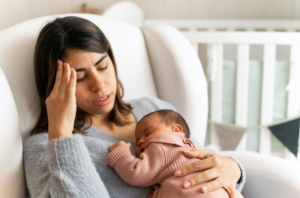
What Happens If Postpartum Depression Is Left Untreated?
Without support, postpartum depression may:
-
Last longer
-
Become more severe
-
Affect self-esteem
-
Strain relationships
-
Increase risk of chronic depression
Early care prevents long-term consequences.
Does Postpartum Depression Ever Come Back?
Some women experience:
-
Lingering low mood
-
Recurrence during future pregnancies
-
Sensitivity during major life transitions
This does not mean failure. It means awareness and early support matter.
Knowing your vulnerability helps protect your mental health in the future.
How Long Does Postpartum Anxiety Last?
Postpartum anxiety often accompanies depression and may:
-
Last as long as depression
-
Persist even after mood improves
Anxiety requires targeted treatment alongside depression care.
When Should You Seek Help Based on Duration?
Seek professional help if:
-
Symptoms last longer than 2 weeks
-
Emotional distress is worsening
-
Daily functioning is affected
-
Sleep and appetite are severely disturbed
-
You feel emotionally numb or hopeless
Seek urgent help immediately if there are:
-
Thoughts of self-harm
-
Thoughts of harming the baby
-
Feeling unable to cope at all
Reassurance for Mothers: What You’re Feeling Has a Timeline
Postpartum depression:
-
Is time-limited
-
Is treatable
-
Does not define your motherhood
-
Does not last forever
Many mothers who once felt lost later describe recovery as:
“I slowly started feeling like myself again.”
How Families Can Support Recovery
Family support shortens recovery time by:
-
Validating emotions
-
Reducing pressure
-
Helping with practical tasks
-
Encouraging professional help
Listening without fixing is powerful medicine.
Conclusion: Healing Is a Process, Not a Deadline
There is no “correct” timeline for healing from postpartum depression.
Some mothers recover in weeks. Others take months. All timelines are valid.
What matters most is this:
-
You do not have to suffer in silence
-
You do not have to wait it out
-
You deserve support
Postpartum depression does not last forever—but support makes it end sooner and heal deeper.
If you are struggling right now, know this:
This phase is not permanent. Help works. Healing happens.
Reference
-
World Health Organization (WHO) – Maternal Mental Health
🔗 https://www.who.int/teams/mental-health-and-substance-use/promotion-prevention/maternal-mental-health
Anchor text: maternal mental health after childbirth -
American Psychological Association (APA) – Postpartum Depression
🔗 https://www.apa.org/monitor/2019/02/postpartum-depression
Anchor text: clinical overview of postpartum depression -
NHS – Postnatal Depression
🔗 https://www.nhs.uk/mental-health/conditions/post-natal-depression/overview/
Anchor text: postnatal depression timeline and treatment -
Postpartum Depression: Signs New Mothers Often Ignore
- Contact Us
5 Replies to “How Long Does Postpartum Depression Last? What Every Mother Needs to Know”