Psychology Theories Everyone Uses Without Knowing

We often assume psychology theories belong only in textbooks, therapy rooms, or university lectures—something abstract and academic. In reality, psychological theories are deeply woven into everyday life. They quietly shape how we think, feel, behave, make decisions, relate to others, and even how we talk to ourselves.

From motivating ourselves to get out of bed, justifying our mistakes, reacting to praise or criticism, to comparing our lives on social media—psychology is constantly at work. These processes operate automatically, guiding our coping styles, emotional reactions, and relationship patterns without us consciously noticing them.

Psychological theories don’t exist only in clinics or research papers; they function in homes, classrooms, workplaces, friendships, and romantic relationships. We use them daily—often unknowingly—to manage stress, handle failure, seek approval, and make sense of our experiences.

1. Cognitive Dissonance Theory

(Leon Festinger)

Cognitive Dissonance Theory explains the mental discomfort or psychological tension we experience when our beliefs, values, or attitudes conflict with our actions or decisions. Human beings naturally strive for internal consistency, so when this balance is disturbed, it creates unease that we feel compelled to reduce.

Everyday examples:

  • “I know smoking is harmful, but it helps me relax.”
  • “I shouldn’t eat junk food… but I had a stressful day.”
  • “This job makes me unhappy, but at least it pays the bills.”

Instead of changing the behavior—which often requires effort, discipline, or discomfort—we tend to adjust our thoughts to justify what we’ve already done. We may downplay the risks, exaggerate the benefits, or create rational explanations that make our actions feel acceptable.

This theory explains why people defend unhealthy habits, remain in unsatisfying relationships, or justify poor decisions after the fact. Cognitive dissonance acts as a psychological self-protection mechanism, helping us preserve our self-image and reduce guilt or anxiety. While this coping strategy is very human and often unconscious, becoming aware of it can help individuals make more intentional and healthier choices over time.

2. Social Comparison Theory

(Leon Festinger)

Social Comparison Theory suggests that human beings have a natural tendency to evaluate themselves by comparing their abilities, achievements, opinions, and appearance with others. When objective standards are unclear, we look to people around us to understand how well we are doing and where we stand.

Everyday examples:

  • Checking Instagram and thinking, “Everyone else is doing better than me.”
  • Feeling inadequate after seeing others’ success, beauty, or lifestyle
  • Feeling proud or confident when you perform better than your peers

These comparisons can be upward (comparing with someone perceived as better) or downward (comparing with someone perceived as worse). While downward comparison may temporarily boost self-esteem, upward comparison often leads to feelings of inadequacy, envy, or self-doubt—especially on social media, where people usually display only their best moments.

This theory helps explain why social media has such a powerful impact on self-esteem, anxiety, body image, and life satisfaction. Constant exposure to curated and idealized lives can distort reality, making individuals feel they are falling behind, even when they are doing well. Understanding Social Comparison Theory encourages more mindful media consumption and greater self-compassion in an increasingly comparison-driven world.

3. Operant Conditioning

(B. F. Skinner)

Operant Conditioning explains how our behavior is shaped and maintained by its consequences. According to this theory, actions followed by rewards are more likely to be repeated, while actions followed by punishment or negative consequences are less likely to occur again. Over time, these patterns strongly influence habits, motivation, and learning.

Everyday examples:

  • Studying harder after receiving praise, good grades, or recognition
  • Avoiding certain behaviors after being scolded or criticized
  • Checking your phone repeatedly because notifications, likes, or messages feel rewarding

Rewards do not always have to be tangible; verbal praise, attention, approval, or digital feedback can be powerful reinforcers. Similarly, punishment may be direct (scolding, penalties) or indirect (loss of privilege, social disapproval).

This theory is widely used—often unconsciously—in parenting, education, and workplaces, where rewards are used to encourage desired behavior and punishments to discourage unwanted actions. It is also heavily applied in app and social media design, where notifications, streaks, and likes are carefully structured to reinforce repeated engagement. Understanding Operant Conditioning helps explain why certain habits are hard to break and how behavior can be shaped more intentionally and ethically.

4. Attachment Theory

(John Bowlby)

Attachment Theory explains how our earliest emotional bonds—especially with primary caregivers—form an internal blueprint for how we relate to others throughout life. These early experiences shape our expectations about closeness, safety, trust, and emotional support.

Everyday examples:

  • Fear of abandonment or rejection in close relationships
  • Difficulty trusting others or opening up emotionally
  • Becoming overly dependent on partners for reassurance
  • Withdrawing or becoming emotionally distant when intimacy increases

Over time, these patterns develop into attachment styles (secure or insecure), which influence how individuals handle intimacy, conflict, and emotional expression. For example, someone with an anxious attachment style may seek constant reassurance, while someone with an avoidant style may value independence to the point of emotional distance.

Attachment Theory helps explain recurring relationship patterns and emotional reactions that often feel automatic. Our attachment style strongly influences romantic relationships, friendships, parenting behaviors, and emotional regulation, especially under stress. Becoming aware of one’s attachment patterns can be a powerful step toward healthier relationships and improved emotional well-being.

5. Defense Mechanisms

(Sigmund Freud)

https://www.earlyyears.tv/wp-content/uploads/2025/04/Defense-Mechanisms-1.png
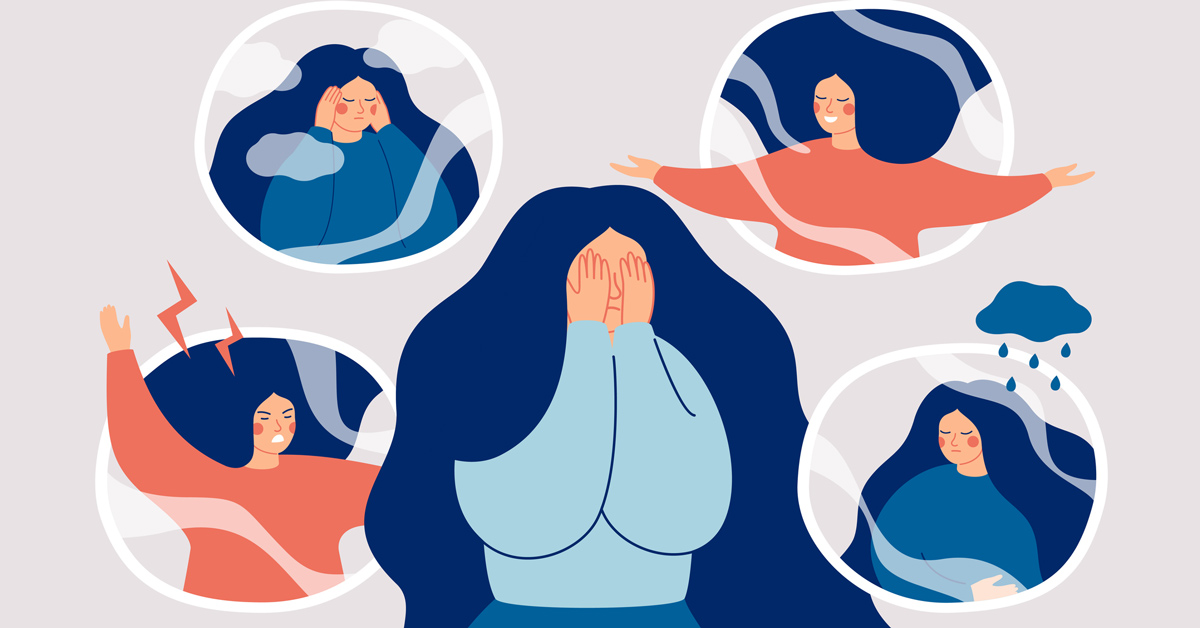
Defense mechanisms are unconscious psychological strategies we use to protect ourselves from emotional pain, anxiety, guilt, or threats to our self-esteem. They work automatically—often without our awareness—helping us maintain a sense of psychological balance during stressful or uncomfortable situations.

Everyday examples:

  • Rationalization: “I failed because the exam was unfair.”
    (Making excuses to avoid feelings of failure or inadequacy)
  • Projection: Accusing others of feelings or traits we struggle to accept in ourselves
    (e.g., calling someone “angry” when we are the ones feeling angry)
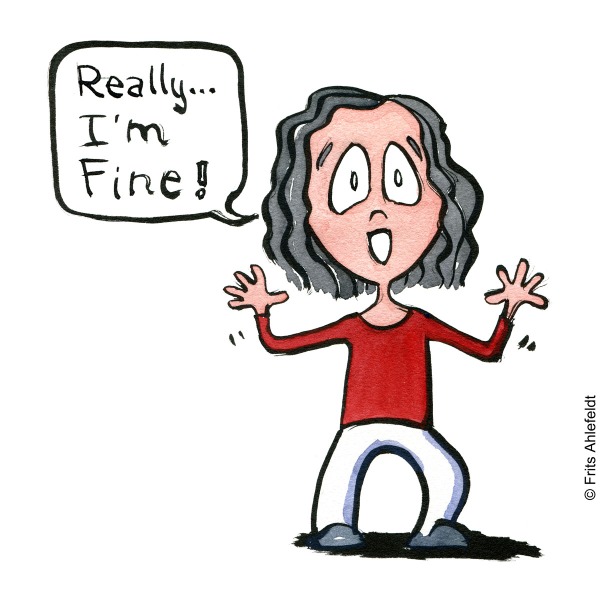
  • Denial: Ignoring painful truths or realities
    (e.g., refusing to accept problems in a relationship or health issue)

Defense mechanisms are not inherently bad—in fact, they help us cope during emotionally overwhelming moments and protect us from immediate distress. However, when used excessively or rigidly, they can prevent self-awareness, honest reflection, and emotional growth.

Understanding defense mechanisms allows individuals to recognize their emotional reactions with greater clarity, take responsibility for their feelings, and move toward healthier coping strategies. Awareness is the first step from unconscious defense to conscious growth.

6. Self-Fulfilling Prophecy

(Robert K. Merton)

https://www.simplypsychology.org/wp-content/uploads/self-fulfilling-prophecy.jpg

The Self-Fulfilling Prophecy explains how our beliefs, expectations, or predictions about a situation can directly influence our behavior in ways that cause those beliefs to come true. In other words, what we expect often shapes how we act—and how we act shapes the outcome.

Everyday examples:

  • Believing “I’m bad at interviews” → feeling anxious and underconfident → giving short or hesitant answers → performing poorly
  • Believing “I can improve” → preparing more, staying motivated → performing better → achieving success

These expectations work subtly. Negative beliefs can lead to self-doubt, avoidance, or reduced effort, while positive beliefs can increase confidence, persistence, and resilience. Over time, repeated experiences reinforce the original belief, strengthening the cycle.

The Self-Fulfilling Prophecy plays a powerful role in education, workplace performance, relationships, and mental health. Expectations—whether our own or those placed on us by others—can limit or unlock potential. Becoming aware of this process helps individuals challenge negative self-beliefs and consciously adopt expectations that support growth and well-being.

7. Maslow’s Hierarchy of Needs

(Abraham Maslow)

https://upload.wikimedia.org/wikipedia/commons/9/95/Maslow%27s_Hierarchy_of_Needs_Pyramid_%28original_five-level_model%29.png

Maslow’s Hierarchy of Needs explains human motivation as a structured progression of needs, arranged from the most basic requirements for survival to the highest level of personal growth and fulfillment. According to Maslow, people are generally motivated to satisfy lower-level needs before they can focus on higher-level psychological and self-actualization needs.

Everyday examples:

  • Struggling to focus on dreams, creativity, or personal growth when financial security, health, or safety is unstable
  • Prioritizing a stable job and income before pursuing passion projects
  • Seeking respect, confidence, purpose, and meaning once basic needs like food, shelter, and safety are met

The hierarchy typically includes physiological needs, safety, love and belonging, esteem, and finally self-actualization. When lower needs remain unmet for long periods, individuals may experience stress, frustration, or burnout, even if they appear successful externally.

This theory helps explain motivation, burnout, life priorities, and emotional exhaustion. It reminds us that lack of motivation is often not laziness, but a signal that more fundamental needs require attention. Understanding this hierarchy encourages empathy toward ourselves and others, especially during times of struggle.

8. Confirmation Bias
https://www.simplypsychology.org/wp-content/uploads/confirmation-bias2.jpg

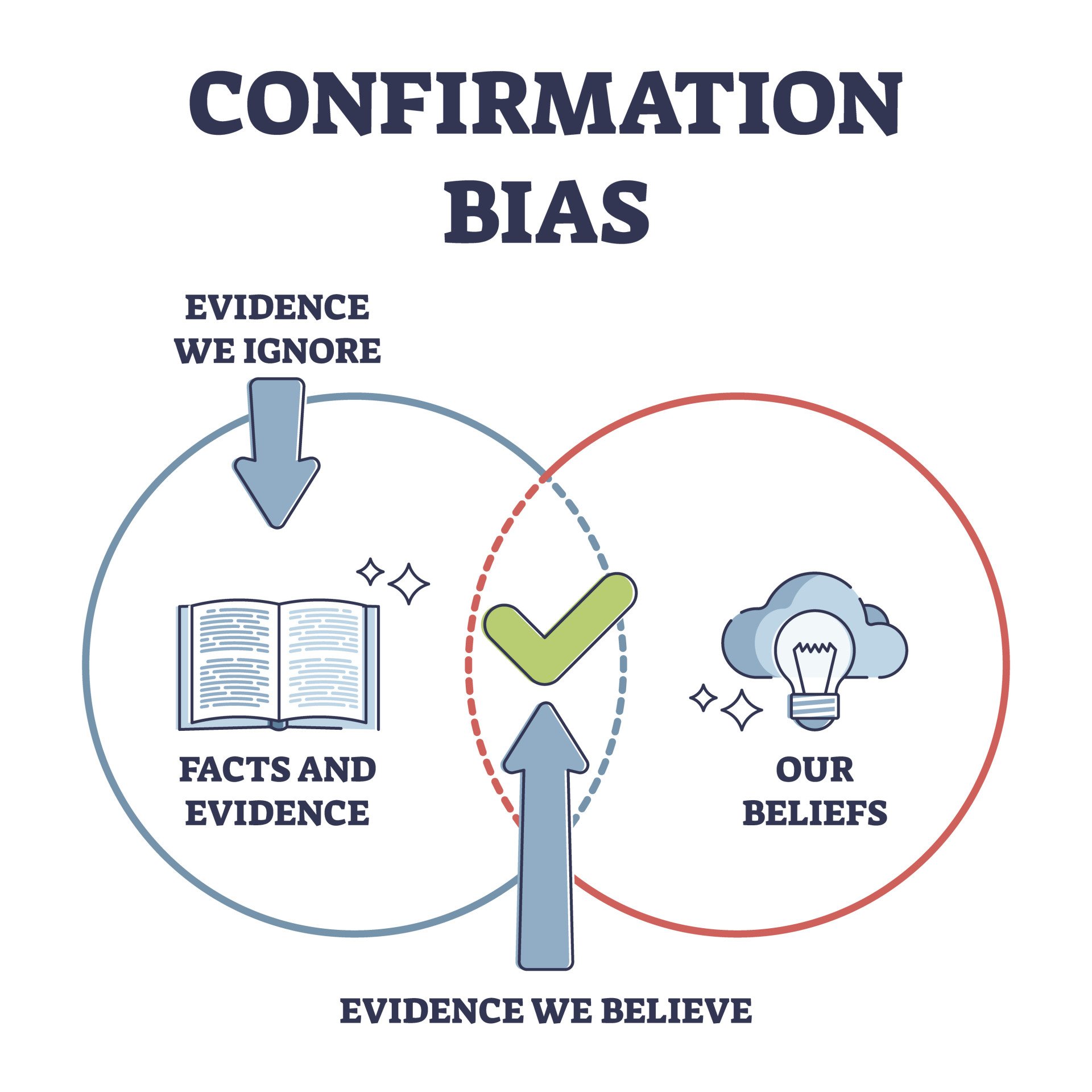
Confirmation bias refers to our natural tendency to seek out, interpret, and remember information that supports our existing beliefs, while ignoring, dismissing, or minimizing information that challenges them. This happens automatically and often without conscious awareness.

Everyday examples:

  • Reading news articles or watching videos that match our political or social opinions
  • Paying attention only to comments that agree with us while ignoring constructive criticism
  • Rejecting feedback that contradicts our self-image or long-held beliefs

Because confirmation bias feels comfortable, it protects our sense of certainty and identity. However, it can also limit learning, distort reality, and deepen misunderstandings. In arguments, people may selectively use facts that support their side, making productive dialogue difficult. In relationships, this bias can lead to unfair assumptions, where we only notice behaviors that confirm our negative expectations about others.

Confirmation bias plays a major role in conflicts, polarization, decision-making errors, and rigid thinking. Becoming aware of this bias encourages open-mindedness, critical thinking, and healthier communication. Actively considering alternative viewpoints is one of the most effective ways to reduce its impact and grow psychologically.

Why This Matters

Understanding these psychological theories is not just an academic exercise—it has practical value in everyday life. When we become aware of the hidden forces influencing our thoughts and behaviors, we gain the ability to respond more consciously rather than react automatically.

By understanding these theories, we can:

  • Become more self-aware: Recognize why we think, feel, or behave in certain ways, especially in stressful or emotional situations. This awareness helps us identify patterns that may be holding us back.
  • Improve relationships: Understanding concepts like attachment, defense mechanisms, and social comparison allows for greater empathy, clearer communication, and healthier emotional boundaries.
  • Reduce emotional reactivity: Awareness helps us pause, reflect, and regulate our emotions instead of reacting impulsively based on fear, insecurity, or past experiences.
  • Make healthier choices: When we understand how beliefs, rewards, and expectations shape behavior, we can challenge unhelpful thought patterns and make decisions aligned with our long-term well-being.

Psychology isn’t just something we study in books or classrooms—it’s something we live every day. The more we understand it, the better equipped we are to navigate life with insight, compassion, and intentionality.

Final Thought

Once you begin to recognize these psychological theories in your daily life, you start viewing your thoughts, emotions, and behaviors with greater clarity and compassion. Instead of judging yourself harshly for your reactions or habits, you begin to understand the deeper patterns and processes shaping them.

Awareness doesn’t mean perfection or constant self-correction. It simply means becoming curious about why we do what we do—why certain situations trigger us, why we repeat familiar patterns, and why change can feel difficult. This understanding creates space for self-acceptance, emotional growth, and more mindful choices.

When we understand ourselves better, we respond to life with patience rather than criticism, intention rather than impulse. In this way, psychology becomes not just a field of study, but a tool for living more consciously and compassionately every day.

Frequently Asked Questions (FAQ)

1. What does it mean to use psychology theories unconsciously?
It means we apply psychological principles in daily life without realizing there is a scientific theory behind our thoughts or behaviors.

2. Are psychology theories only useful for therapists or psychologists?
No. These theories are relevant to everyone because they explain everyday behavior, emotions, relationships, and decision-making.

3. Why do people justify their mistakes instead of changing behavior?


This is explained by Cognitive Dissonance Theory, which helps reduce mental discomfort when actions conflict with beliefs.

4. Why does social media affect self-esteem so strongly?
Because of Social Comparison Theory, where people compare themselves to others—often unrealistically.

5. How do rewards influence habits?
According to Operant Conditioning, behaviors followed by rewards are more likely to be repeated.

6. Can childhood experiences affect adult relationships?


Yes. Attachment Theory explains how early bonds shape emotional patterns in adulthood.

7. Are defense mechanisms unhealthy?
Not always. They help cope with stress, but overuse can block self-awareness and growth.

8. Why do negative beliefs often come true?
This happens due to the Self-Fulfilling Prophecy, where expectations influence behavior and outcomes.

9. Why is motivation low during stress or burnout?


Maslow’s Hierarchy of Needs explains that unmet basic needs reduce motivation for higher goals.

10. Why do people ignore opinions that challenge them?
Because of Confirmation Bias, which favors information that supports existing beliefs.

11. Can understanding psychology improve relationships?
Yes. It increases empathy, communication, and emotional regulation.

12. Is awareness enough to change behavior?
Awareness is the first step; consistent effort and reflection lead to lasting change.

13. Are these theories scientifically proven?


Most are supported by extensive research, though interpretations may evolve over time.

14. Can psychology theories help with mental health?
Yes. They form the foundation of counseling, therapy, and self-help approaches.

15. How can I apply these theories consciously?
By reflecting on your thoughts, questioning assumptions, and responding intentionally rather than automatically.

Written by Baishakhi Das

Counselor | Mental Health Practitioner
B.Sc, M.Sc, PG Diploma in Counseling


Reference

  1. American Psychological Association (APA)
    https://www.apa.org

  2. Simply Psychology – Psychology Theories Explained
    https://www.simplypsychology.org

  3. McLeod, S. A. (2023). Psychology Theories. Simply Psychology
    https://www.simplypsychology.org/psychology-theories.html

  4. Maslow, A. H. (1943). A Theory of Human Motivation
    https://psychclassics.yorku.ca/Maslow/motivation.htm

  5. Festinger, L. (1957). A Theory of Cognitive Dissonance
    https://doi.org/10.1037/10318-000

  6. Group Behavior & Conformity Theory

This topic performs well due to rising searches around men’s mental health, workplace stress, and burnout recovery. Combining emotional insight with practical steps increases engagement and trust.
Defense Mechanisms in Daily Life

https://mentalhealthhotline.org/wp-content/uploads/2023/09/MHH-emotional-defense.jpg

Understanding the unconscious ways we protect our minds

Introduction: Why Do We Need Defense Mechanisms?

Have you ever snapped at someone for a small mistake, avoided thinking about a painful memory, or convinced yourself that a bad situation “doesn’t matter anyway”? If yes, you’re not weak or irrational—you’re human.

Defense mechanisms are unconscious psychological strategies we use to protect ourselves from emotional pain, anxiety, guilt, shame, or inner conflict. They act like the mind’s emotional shock absorbers, helping us maintain psychological balance when reality feels too threatening.

The concept of defense mechanisms was first introduced by Sigmund Freud and later expanded by his daughter Anna Freud. While the theory emerged from psychoanalysis, modern psychology recognizes that everyone uses defense mechanisms, not just people with mental health conditions.

This article explores:

  • What defense mechanisms are

  • Why we use them

  • Common defense mechanisms in daily life

  • Real-life, relatable examples

  • When defense mechanisms help—and when they harm

  • How to build healthier awareness

What Are Defense Mechanisms? (In Simple Terms)

Defense mechanisms are automatic, unconscious reactions that reduce emotional distress when we face:

  • Threats to self-esteem

  • Internal conflicts (wants vs values)

  • Painful emotions (fear, anger, jealousy, guilt)

  • Traumatic memories

They do not change reality.
They change how we perceive or respond to reality.

🧠 Think of defense mechanisms as mental filters—not lies, but distortions that feel real in the moment.

Defense Mechanisms vs Coping Strategies

Defense Mechanisms Coping Strategies
Unconscious Conscious
Automatic Intentional
Avoid emotional pain Manage emotional pain
Short-term relief Long-term adaptation
Can become unhealthy Usually healthy

Example:

  • Defense: “I don’t care about that promotion anyway.”

  • Coping: “I feel disappointed. I’ll work on improving my skills.”

Why the Mind Uses Defense Mechanisms

Defense mechanisms help us:

  • Preserve self-esteem

  • Reduce anxiety

  • Avoid emotional overload

  • Function under stress

  • Protect our identity

In childhood, they are often necessary survival tools.
In adulthood, overuse or rigidity can create problems.

Common Defense Mechanisms in Daily Life (With Real Examples)

1. Denial – “This Isn’t Happening”

https://museumofpsychology.org/wp-content/uploads/2020/04/di00383-illustration-really-im-fine-denial-frits-ahlefeldt.jpg?w=600

Definition: Refusing to accept reality or facts because they are too painful.

Daily-Life Examples:

  • Ignoring clear signs of relationship problems

  • Refusing to accept a medical diagnosis

  • A parent denying a child’s behavioral issues

  • Saying “I’m not stressed” while experiencing burnout symptoms

Why it happens:
Reality feels overwhelming, so the mind temporarily blocks it.

Healthy role:
Buys time to emotionally adjust.

Unhealthy when:
It delays help, treatment, or decision-making.

2. Repression – “I Don’t Remember That”

Definition: Unconsciously pushing painful memories out of awareness.

Examples:

  • Not remembering childhood emotional abuse

  • Forgetting traumatic incidents without effort

  • Feeling emotional reactions without knowing the cause

Key point:
Repression is not intentional forgetting—the memory is inaccessible.

Impact:
Repressed emotions often resurface as anxiety, unexplained fear, or physical symptoms.

3. Suppression – “I’ll Deal With This Later”

Definition: Consciously choosing to push thoughts aside temporarily.

Examples:

  • A doctor postponing personal grief during work hours

  • A parent staying calm during a crisis, processing emotions later

  • A student focusing on exams despite emotional distress

Difference from repression:
Suppression is intentional and often healthy.

4. Projection – “It’s Not Me, It’s You”

https://valtate.com/wp-content/uploads/2020/05/7_final1.jpg

Definition: Attributing one’s own unwanted feelings to others.

Examples:

  • Accusing a partner of cheating while feeling tempted yourself

  • Calling others “selfish” when you feel guilty about your needs

  • Believing colleagues dislike you when you feel insecure

Why it happens:
Accepting the feeling feels threatening to self-image.

Relationship impact:
Creates conflict, mistrust, and misunderstandings.

5. Displacement – “Wrong Target”

Definition: Redirecting emotions from a threatening source to a safer one.

Examples:

  • Yelling at family after a bad day at work

  • Hitting objects when angry at authority figures

  • Snapping at children due to workplace stress

Why it happens:
The real source feels unsafe to confront.

Long-term risk:
Damages close relationships.

6. Rationalization – “It Makes Sense If You Think About It”

https://instituteofclinicalhypnosis.com/wp-content/uploads/2014/11/Rationalization.png

Definition: Creating logical explanations to justify emotionally driven behavior.

Examples:

  • “I failed because the exam was unfair.”

  • “I didn’t want that job anyway.”

  • “Everyone lies, so it’s okay.”

Function:
Protects self-esteem from failure or guilt.

Downside:
Blocks accountability and growth.

7. Intellectualization – “Let’s Make It Technical”

Definition: Avoiding emotions by focusing only on facts and logic.

Examples:

  • Discussing trauma in purely clinical terms

  • Talking statistics instead of feelings after a loss

  • Analyzing relationships without emotional engagement

Common in:
Highly educated, analytical individuals.

Hidden cost:
Emotional detachment and unresolved grief.

8. Reaction Formation – “The Opposite Act”

Definition: Expressing the opposite of unacceptable feelings.

Examples:

  • Being overly kind to someone you resent

  • Strong moral outrage hiding inner conflict

  • Excessive friendliness masking jealousy

Why it happens:
True feelings feel unacceptable or shameful.

9. Regression – “Going Backward Under Stress”

https://www.earlyyears.tv/wp-content/uploads/2025/04/Defense-Mechanisms-1.png

Definition: Reverting to earlier developmental behaviors during stress.

Examples:

  • Adults throwing tantrums

  • Childlike dependency during illness

  • Excessive crying when overwhelmed

Temporary regression: Normal under high stress
Chronic regression: Needs attention

10. Sublimation – The Healthiest Defense

Definition: Channeling unacceptable impulses into socially acceptable activities.

Examples:

  • Anger → sports or exercise

  • Aggression → competitive careers

  • Emotional pain → art, writing, activism

Why it’s healthy:
Transforms energy without denial or harm.

Defense Mechanisms in Relationships

  • Avoidance: Silent treatment

  • Projection: Blame-shifting

  • Denial: Ignoring red flags

  • Idealization: Seeing partner as “perfect”

  • Devaluation: Suddenly seeing partner as “all bad”

Unconscious defenses often repeat attachment patterns from childhood.

Defense Mechanisms at Work

  • Rationalization: Excusing poor performance

  • Displacement: Workplace anger taken home

  • Intellectualization: Ignoring burnout signs

  • Denial: Overworking despite health issues

Defense Mechanisms and Mental Health

Defense mechanisms are not disorders, but excessive reliance may contribute to:

  • Anxiety disorders

  • Depression

  • Relationship conflicts

  • Burnout

  • Psychosomatic symptoms

Therapy helps by:

  • Making defenses conscious

  • Replacing rigid defenses with flexible coping

  • Processing underlying emotions safely

How to Become Aware of Your Defense Mechanisms

Ask yourself:

  • What emotion am I avoiding right now?

  • Am I reacting or responding?

  • What feels threatened—my ego, safety, or identity?

  • What would happen if I allowed this feeling?

Awareness is not judgment—it’s freedom.

Healthy Alternatives to Rigid Defense Mechanisms

  • Emotional regulation skills

  • Mindfulness

  • Journaling

  • Therapy or counseling

  • Assertive communication

  • Self-compassion

When Defense Mechanisms Are Helpful—and When They Aren’t

Helpful when:

  • Used temporarily

  • Flexible and situation-appropriate

  • Allow later emotional processing

Harmful when:

  • Chronic and rigid

  • Distort reality consistently

  • Damage relationships or health

Conclusion: Defense Mechanisms Are Human, Not Weaknesses

Defense mechanisms are not flaws—they are survival strategies developed by the mind to protect us. The problem isn’t having them; it’s being ruled by them unconsciously.

When we gently bring awareness to our defenses, we gain:

  • Emotional clarity

  • Healthier relationships

  • Psychological resilience

  • Personal growth

🌱 Healing doesn’t mean removing defenses—it means choosing when you no longer need them.

FAQ Schema


1. What are defense mechanisms in psychology?

Defense mechanisms are unconscious psychological strategies used to protect a person from anxiety, emotional pain, or internal conflict by distorting or avoiding reality.


2. Are defense mechanisms good or bad?

Defense mechanisms are not inherently bad. They can be helpful in the short term, but when used excessively or rigidly, they may interfere with emotional growth and relationships.


3. What are common defense mechanisms used in daily life?

Common defense mechanisms include denial, projection, repression, rationalization, displacement, regression, intellectualization, and sublimation.


4. What is an example of denial as a defense mechanism?

Ignoring signs of stress or refusing to accept relationship problems despite clear evidence is a common example of denial in daily life.


5. How is projection used in everyday behavior?

Projection occurs when someone attributes their own unwanted feelings to others—for example, accusing someone else of anger when they themselves feel angry.


6. What is the difference between coping mechanisms and defense mechanisms?

Defense mechanisms are unconscious and automatic, while coping mechanisms are conscious and intentional strategies used to manage stress and emotions.


7. Can defense mechanisms affect relationships?

Yes. Defense mechanisms like projection, denial, and displacement can create misunderstandings, conflicts, and emotional distance in relationships.


8. Are defense mechanisms linked to mental health issues?

Excessive reliance on rigid defense mechanisms may contribute to anxiety, depression, burnout, and relationship difficulties, though they are not mental disorders themselves.


9. How can I become aware of my defense mechanisms?

Self-reflection, mindfulness, journaling, and therapy can help identify unconscious defense patterns and promote healthier emotional responses.


10. What is the healthiest defense mechanism?

Sublimation is considered the healthiest defense mechanism because it channels difficult emotions into positive and socially acceptable activities.

Written by Baishakhi Das

Counselor | Mental Health Practitioner
Qualifications: B.Sc in Psychology, M.Sc, PG Diploma in Counseling

Reference

Structure of Personality: Id, Ego & Superego Explained Simply

Introduction

Impulsive actions often leave us wondering why we didn’t think twice.
Guilt has a way of appearing even in complete privacy.
These experiences point to an inner conflict between what we want and what we believe we should do.

To answer these questions, Sigmund Freud proposed one of the most influential models of personality in psychology—the structural model of personality, consisting of the Id, Ego, and Superego.

Freud believed that human personality is not a single, unified system. Instead, personality is shaped through a dynamic interaction of three mental forces; together, they constantly negotiate and influence behavior.These forces operate largely outside conscious awareness and shape our thoughts, emotions, decisions, behavior, and even mental health.

This article explains the Id, Ego, and Superego in simple language, with real-life examples, clinical relevance, and everyday applications, making it useful for students, counselors, educators, and general readers.

Freud’s Structural Model of Personality: An Overview

Freud introduced the structural model in his work The Ego and the Id (1923). According to him:

  • Personality develops through inner conflict

  • Behavior is the result of interaction, not dominance of one part

  • Psychological problems arise when these parts are imbalanced

The three components are:

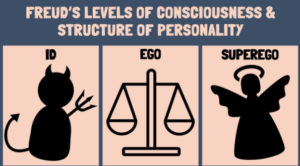
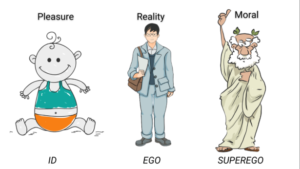
  1. Id – “I want it now”

  2. Ego – “Let’s think logically”

  3. Superego – “This is right or wrong”

They are not physical structures of the brain but theoretical constructs that help explain human behavior.

The Id: The Primitive Core of Personality

What Is the Id?

The Id is the oldest and most primitive part of personality. It is present from birth and operates entirely in the unconscious mind.

The id follows the pleasure principle, meaning:

“Seek pleasure, avoid pain, and satisfy desires immediately.”

The id does not care about:

  • Morality

  • Social rules

  • Consequences

  • Reality

Key Characteristics of the Id

  • Completely unconscious

  • Irrational and impulsive

  • Demands instant gratification

  • Driven by biological instincts

Freud believed the id contains two major instinctual drives:

  • Life instincts (Eros) – hunger, thirst, sex, survival

  • Death instincts (Thanatos) – aggression, destruction

Real-Life Examples of the Id

  • A baby crying loudly until it is fed

  • Eating junk food despite knowing it’s unhealthy

  • Sudden anger and shouting without thinking

  • Impulsive spending without planning

In adulthood, id-driven behavior may appear as:

  • Addictions

  • Aggression

  • Risk-taking

  • Poor impulse control

Id and Mental Health

When the id dominates personality:

  • The person may act recklessly

  • Difficulty delaying gratification

  • Problems with authority and rules

  • Higher risk of antisocial behavior

The id itself is not “bad”—it provides energy and motivation—but without regulation, it becomes destructive.

The Ego: The Rational Decision-Maker

What Is the Ego?

The Ego develops from the id during early childhood. It acts as the mediator between the id’s demands, the superego’s moral pressure, and external reality.

The ego follows the reality principle, which means:

“How can I satisfy this desire in a realistic and socially acceptable way?”

Functions of the Ego

  • Logical thinking

  • Problem-solving

  • Planning and decision-making

  • Delaying gratification

  • Reality testing

The ego operates at all three levels:

  • Conscious

  • Preconscious

  • Unconscious

Everyday Examples of the Ego

  • Feeling hungry (id) but waiting until lunchtime

  • Wanting to shout at your boss but choosing calm communication

  • Saving money instead of spending impulsively

The ego says:

“Not now.”
“Let’s find a better way.”
“Think about consequences.”

Ego Strength and Mental Health

A healthy ego leads to:

  • Emotional balance

  • Good coping skills

  • Problem-solving ability

  • Healthy relationships

A weak ego may result in:

  • Anxiety

  • Poor decision-making

  • Dependence on defense mechanisms

  • Emotional instability

The Superego: The Moral Judge

What Is the Superego?

The Superego represents moral values, conscience, and societal rules. It develops around the age of 4–6 years through parental guidance, cultural norms, and social expectations.

The superego strives for perfection, not pleasure or practicality.

Components of the Superego

  1. Conscience

    • Punishes wrongdoing

    • Produces guilt, shame, anxiety

  2. Ego Ideal

    • Rewards good behavior

    • Produces pride, self-worth

Examples of the Superego

  • Feeling guilty for lying

  • Feeling ashamed after hurting someone

  • Wanting to be a “good person”

  • Avoiding temptation due to moral values

The superego says:

“This is wrong.”
“You should not do this.”
“Be better.”

Superego and Psychological Problems

An overly strict superego may cause:

  • Excessive guilt

  • Low self-esteem

  • Anxiety disorders

  • Depression

  • Perfectionism

A weak superego may lead to:

  • Lack of empathy

  • Moral indifference

  • Rule-breaking behavior

Interaction Between Id, Ego, and Superego

Personality is shaped by constant conflict among these three systems.

Example: Eating Cake on a Diet

  • Id: “Eat it now!”

  • Superego: “It’s unhealthy. Don’t do it.”

  • Ego: “I’ll have a small piece today and exercise later.”
    In this way,
    healthy behavior emerges as the ego creates balance between desire and self-control.

Defense Mechanisms: Ego’s Tools for Balance

When inner conflicts create anxiety, therefore, the ego unconsciously relies on defense mechanisms to protect the individual. unconsciously to protect the individual.

Common defense mechanisms include:

  • Repression

  • Denial

  • Projection

  • Rationalization

  • Displacement

  • Regression

  • Sublimation

Example:

  • Anger at your boss → shouting at family (displacement)

Defense mechanisms are normal, but excessive use can lead to emotional problems.

Clinical Importance in Counseling & Therapy

Understanding the id–ego–superego helps counselors:

  • Identify unconscious conflicts

  • Understand resistance and defense patterns

  • Explore guilt, shame, and impulse control

  • Address childhood-based emotional struggles

In psychodynamic therapy, strengthening the ego is often a key therapeutic goal.

Criticism of the Structural Model

Despite its influence, Freud’s model is criticized for:

  • Lack of scientific testing

  • Overemphasis on unconscious processes

  • Cultural and gender bias

  • Abstract concepts difficult to measure

However, it remains foundational in personality theory and psychotherapy.

Modern Relevance of Id, Ego & Superego

Even today, Freud’s model is used to:

  • Understand emotional conflicts

  • Explain impulsive vs controlled behavior

  • Analyze moral guilt and anxiety

  • Interpret dreams and slips of speech

  • Support psychodynamic counseling

Many modern therapies have evolved but still rely on these core ideas.

Simple Summary Table

Component Key Function Operates On Example
Id Pleasure Unconscious “I want it now”
Ego Reality All levels “Let’s think”
Superego Morality Mostly unconscious “This is wrong”

Conclusion

Freud’s structural model—Id, Ego, and Superego—offers a powerful way to understand human behavior, emotional conflict, and personality development. While the id provides energy, the superego provides values, and the ego maintains balance.

Mental well-being depends not on eliminating any part, but on creating harmony among all three.

Understanding this model helps us become more self-aware, emotionally regulated, and psychologically resilient.

Frequently Asked Questions (FAQ)

Structure of Personality: Id, Ego & Superego Explained Simply


1. What is the structure of personality according to Freud?

According to Sigmund Freud, personality is made up of three interacting components: Id, Ego, and Superego. These parts work together to shape thoughts, emotions, behavior, and decision-making.


2. What is the Id in simple words?

The Id is the impulsive part of personality that wants immediate pleasure. It operates unconsciously and follows the pleasure principle, meaning it seeks instant satisfaction without considering consequences.


3. Is the Id bad or unhealthy?

No. The id is not bad; it provides basic motivation and energy for survival. Problems occur only when the id dominates behavior without control from the ego and superego.


4. What is the Ego and why is it important?

The Ego is the rational decision-maker. It follows the reality principle and balances the demands of the id, the rules of the superego, and real-life situations. A strong ego is essential for emotional stability and mental health.


5. What is the Superego?

The Superego represents moral values, conscience, and societal rules learned from parents and culture. It guides behavior by creating feelings of guilt, shame, pride, or self-approval.


6. What happens if the Superego is too strong?

An overly strong superego can lead to:

  • Excessive guilt

  • Low self-esteem

  • Anxiety or depression

  • Perfectionism

Such individuals may be very self-critical and fear making mistakes.


7. What happens if the Ego is weak?

A weak ego may struggle to manage inner conflicts, leading to:

  • Anxiety

  • Poor decision-making

  • Emotional outbursts

  • Overuse of defense mechanisms


8. How do Id, Ego, and Superego work together?

They constantly interact:

  • Id: “I want this now.”

  • Superego: “This is wrong.”

  • Ego: “Let’s find a realistic and acceptable solution.”

Healthy personality results from effective balance among the three.


9. What are defense mechanisms?

Defense mechanisms are unconscious strategies used by the ego to reduce anxiety caused by conflicts between the id and superego. Examples include repression, denial, projection, rationalization, and sublimation.


10. Are defense mechanisms normal?

Yes. Everyone uses defense mechanisms. They become problematic only when used excessively or rigidly, interfering with healthy emotional functioning.


11. How is this theory useful in counseling and therapy?

Understanding id, ego, and superego helps therapists:

  • Identify unconscious conflicts

  • Understand guilt, shame, and impulse control

  • Work with childhood experiences

  • Strengthen ego functioning

This is especially useful in psychodynamic counseling.


12. Is Freud’s structure of personality scientifically proven?

Freud’s model is largely theoretical and not easily testable through experiments. However, it remains influential for understanding personality, emotions, and therapeutic processes.


13. Is the Id–Ego–Superego theory still relevant today?

Yes. While modern psychology has evolved, this model is still used to explain emotional conflicts, moral struggles, impulsive behavior, and inner tension in both clinical and everyday contexts.


14. Can this theory be explained to students easily?

Yes. Using simple examples like hunger, anger, or temptation makes the id–ego–superego model easy to understand for school, college, and competitive exams.


15. What is the main idea of Freud’s structure of personality?

The core idea is that human behavior results from a constant inner conflict between desire (id), morality (superego), and reality (ego). Mental health depends on how well the ego manages this balance.

Written by Baishakhi Das
Qualifications: B.Sc, M.Sc, PG Diploma in Counseling
Role: Counselor / Mental Health Practitioner

Reference

Psychoanalytic Theory: Freud’s View of the Human Mind

https://www.simplypsychology.org/wp-content/uploads/Freud_Iceberg.jpeg?utm_source=chatgpt.com

Introduction

The Psychoanalytic Theory, developed by Sigmund Freud, is one of the most influential and controversial theories in the history of psychology. Freud’s ideas reshaped how humanity understands the human mind, behavior, emotions, personality, and mental illness. At a time when psychological science was still in its infancy, Freud dared to suggest that much of human behavior is driven by unconscious forces, hidden desires, unresolved childhood conflicts, and instinctual drives.

Freud proposed that the mind is not fully accessible to conscious awareness and that our thoughts, feelings, and actions are often shaped by mental processes operating outside our awareness. This radical idea challenged traditional views of rationality and free will and laid the foundation for modern psychotherapy.

Although many of Freud’s ideas have been debated, modified, or criticized, his psychoanalytic framework continues to influence clinical practice, personality theory, literature, art, and popular culture. This article explores Freud’s view of the human mind in depth—covering its structure, levels of consciousness, instinctual drives, personality development, defense mechanisms, and lasting impact.

Historical Background of Psychoanalytic Theory

Freud was born in 1856 in Austria and trained as a neurologist. While treating patients with hysteria and unexplained physical symptoms, Freud observed that many psychological problems could not be explained by organic causes alone. Working with Josef Breuer, he noticed that patients experienced relief when they talked freely about painful memories—a process later known as catharsis.

From these observations, Freud developed psychoanalysis, both as a theory of personality and a method of therapy. He believed that psychological symptoms arise from unresolved unconscious conflicts, often rooted in early childhood experiences.

https://upload.wikimedia.org/wikipedia/commons/3/36/Sigmund_Freud%2C_by_Max_Halberstadt_%28cropped%29.jpg?utm_source=chatgpt.com

Freud’s Topographical Model: Levels of Consciousness

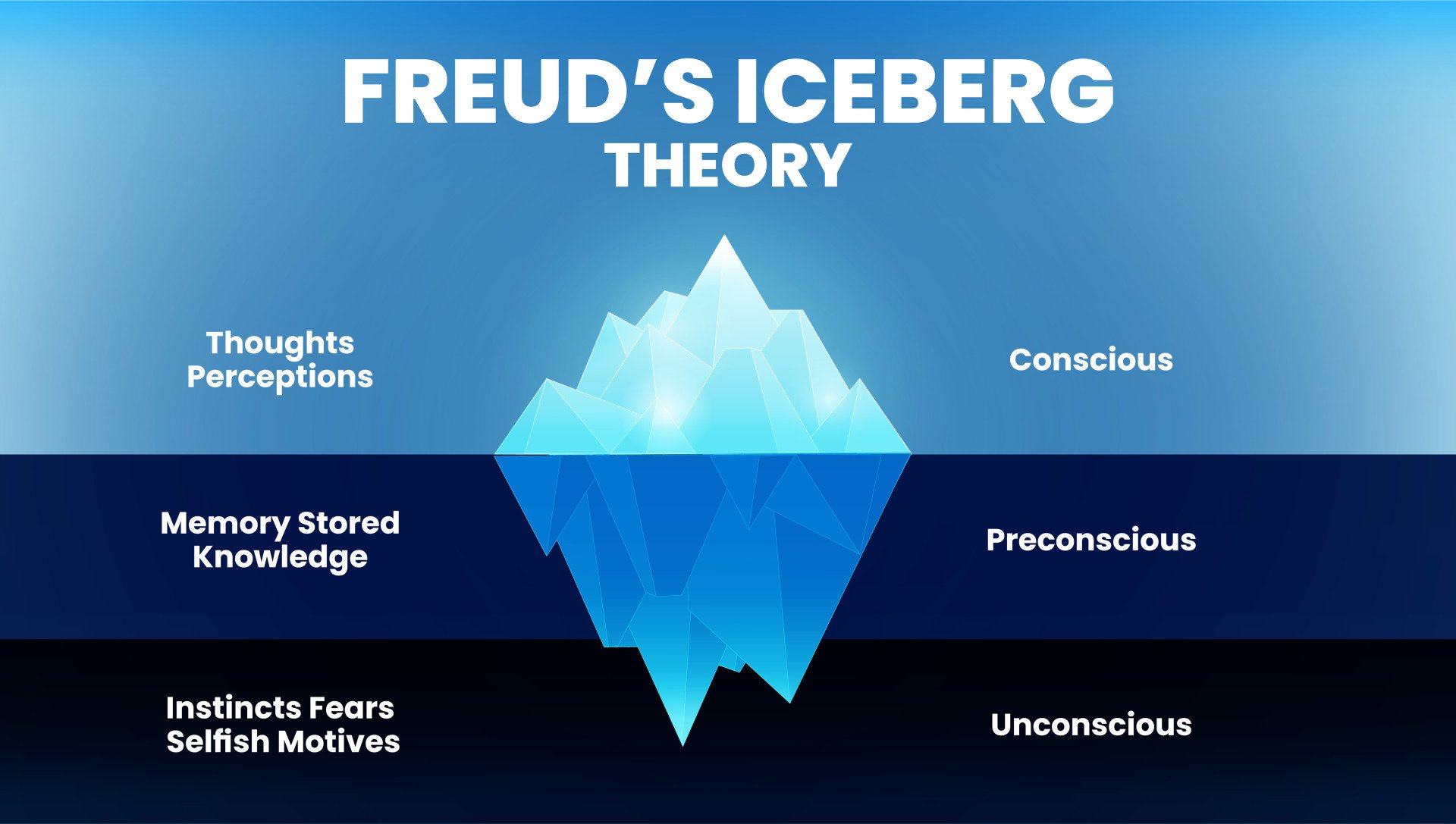
Freud divided the human mind into three levels of awareness:

1. Conscious Mind

The conscious mind includes thoughts, feelings, perceptions, and sensations that we are aware of at any given moment. For example, reading this article, feeling tired, or being aware of anxiety before an exam all belong to conscious awareness.

2. Preconscious Mind

The preconscious contains information that is not currently in awareness but can be easily brought into consciousness. Memories such as your phone number or yesterday’s lunch exist in the preconscious until needed.

3. Unconscious Mind

The unconscious is the most influential and mysterious part of the mind. It contains repressed memories, unresolved conflicts, traumatic experiences, forbidden desires, and instinctual urges. Freud believed that the unconscious mind strongly influences behavior, emotions, dreams, and slips of the tongue (Freudian slips).

The unconscious mind is symbolically represented by the iceberg model, where only a small portion (conscious) is visible above the surface, while the larger mass (unconscious) remains hidden beneath.

The Structural Model of Personality

Freud later refined his theory and introduced the structural model, which explains how personality functions through three interacting components:

1. Id

The id is the most primitive part of personality, present from birth. It operates entirely in the unconscious and follows the pleasure principle, seeking immediate gratification of instincts and desires.

Characteristics of the id:

  • Irrational and impulsive

  • Seeks pleasure and avoids pain

  • Contains sexual (libido) and aggressive instincts

Example: A child crying loudly for food without considering social rules is acting from the id.

2. Ego

The ego develops during early childhood and operates across the conscious, preconscious, and unconscious levels. It follows the reality principle, balancing the demands of the id with the constraints of reality.

Functions of the ego:

  • Logical thinking

  • Decision-making

  • Problem-solving

  • Delaying gratification

The ego acts as a mediator between instinctual urges and societal expectations.

3. Superego

The superego represents internalized moral standards and social rules, largely derived from parents and culture. It develops around the age of five.

Components of the superego:

  • Conscience: punishes behavior with guilt

  • Ego ideal: rewards behavior with pride

The superego strives for perfection and can be overly harsh, leading to feelings of shame or inferiority.

Psychic Energy and Instincts

Freud believed that human behavior is motivated by instinctual energies:

Life Instincts (Eros)

These instincts promote survival, growth, and pleasure. The energy associated with life instincts is called libido, primarily expressed through sexual and affectionate behaviors.

Death Instincts (Thanatos)

Freud later proposed death instincts, which drive aggressive, destructive, and self-destructive behaviors. These instincts may be directed outward as aggression or inward as self-harm.

Psychosexual Stages of Development

One of Freud’s most debated contributions is his theory of psychosexual development, which proposes that personality develops through a series of stages centered on erogenous zones.

1. Oral Stage (0–1 year)

Pleasure is focused on the mouth (sucking, biting).
Fixation may lead to dependency, smoking, overeating, or oral aggression.

2. Anal Stage (1–3 years)

Pleasure focuses on bowel control.
Fixation may result in:

  • Anal-retentive traits: perfectionism, rigidity

  • Anal-expulsive traits: messiness, impulsivity

3. Phallic Stage (3–6 years)

Focus on genital pleasure.
Key concepts:

  • Oedipus Complex: boys’ unconscious desire for the mother and rivalry with the father

  • Electra Complex: girls’ emotional attachment to the father

Resolution leads to identification with the same-sex parent.

4. Latency Stage (6–puberty)

Sexual urges are dormant. Energy is redirected toward learning, friendships, and skill development.

5. Genital Stage (adolescence onward)

Mature sexual interests develop. Successful navigation leads to balanced relationships and productivity.

Defense Mechanisms: Ego’s Protective Strategies

Defense mechanisms are unconscious strategies used by the ego to reduce anxiety caused by internal conflicts.

Common defense mechanisms include:

  • Repression: Blocking distressing thoughts from awareness

  • Denial: Refusing to accept reality

  • Projection: Attributing one’s own feelings to others

  • Displacement: Redirecting emotions to a safer target

  • Rationalization: Justifying unacceptable behavior

  • Regression: Reverting to earlier developmental behaviors

  • Sublimation: Channeling impulses into socially acceptable activities

Defense mechanisms are normal but become problematic when overused.

Dream Analysis: The Royal Road to the Unconscious

Freud believed that dreams provide insight into unconscious desires. He distinguished between:

  • Manifest content: the literal storyline of the dream

  • Latent content: the hidden psychological meaning

Dreams use symbols, condensation, and displacement to disguise unacceptable wishes.

Psychoanalysis as Therapy

Freud developed psychoanalysis as a therapeutic method aimed at making the unconscious conscious. Key techniques include:

  • Free association

  • Dream interpretation

  • Analysis of resistance

  • Transference analysis

The goal is insight, emotional release, and resolution of inner conflicts.

Criticism of Freud’s Theory

Despite its influence, Freud’s theory has faced criticism:

  • Overemphasis on sexuality

  • Lack of scientific testability

  • Gender bias

  • Cultural limitations

Modern psychology has moved toward evidence-based approaches, yet many core ideas remain influential.

Legacy and Modern Relevance

Freud’s work inspired later theorists such as Carl Jung, Alfred Adler, and Erik Erikson. Contemporary therapies like psychodynamic therapy continue to draw from psychoanalytic principles.

Conclusion

Freud’s psychoanalytic theory offers a profound, if complex, understanding of the human mind. By emphasizing unconscious processes, childhood experiences, and internal conflict, Freud transformed psychology from the study of behavior alone into an exploration of inner life. While not without flaws, Freud’s view of the human mind remains a cornerstone of psychological thought, reminding us that beneath conscious awareness lies a vast and powerful mental world shaping who we are.

Frequently Asked Questions (FAQ)

Psychoanalytic Theory: Freud’s View of the Human Mind


1. What is Psychoanalytic Theory?

Psychoanalytic theory is a psychological framework proposed by Sigmund Freud that explains human behavior in terms of unconscious motives, childhood experiences, and inner psychological conflicts. It emphasizes that much of our mental life operates outside conscious awareness.


2. Why is the unconscious mind important in Freud’s theory?

Freud believed the unconscious mind stores repressed memories, unresolved conflicts, and instinctual desires that strongly influence behavior, emotions, dreams, and mental health. Even though we are unaware of these contents, they shape our everyday actions.


3. What are the three levels of consciousness according to Freud?

Freud divided the mind into:

  • Conscious: thoughts and feelings we are aware of

  • Preconscious: information that can be easily recalled

  • Unconscious: hidden desires, memories, and conflicts


4. What are the id, ego, and superego?

They are the three components of personality:

  • Id: instinctual, pleasure-seeking, unconscious

  • Ego: rational, reality-oriented decision-maker

  • Superego: moral conscience and internalized social rules

Personality develops through the constant interaction of these three systems.


5. What is the pleasure principle and reality principle?

  • The pleasure principle (id) seeks immediate gratification of desires.

  • The reality principle (ego) delays gratification and considers social norms and consequences.


6. What are psychosexual stages of development?

Freud proposed that personality develops through five stages:

  1. Oral

  2. Anal

  3. Phallic

  4. Latency

  5. Genital

Unresolved conflicts at any stage may lead to fixation, affecting adult personality.


7. What is fixation in psychoanalytic theory?

Fixation occurs when an individual becomes stuck at a particular psychosexual stage due to unresolved conflict, leading to specific personality traits or behavioral patterns in adulthood.


8. What are defense mechanisms?

Defense mechanisms are unconscious strategies used by the ego to reduce anxiety caused by conflicts between the id, ego, and superego. Common examples include repression, denial, projection, displacement, regression, rationalization, and sublimation.


9. Are defense mechanisms always unhealthy?

No. Defense mechanisms are normal and necessary for psychological functioning. However, excessive or rigid use of certain defenses can contribute to emotional difficulties and mental health problems.


10. What role do dreams play in Freud’s theory?

Freud viewed dreams as the “royal road to the unconscious.” He believed dreams express hidden desires through symbols.

  • Manifest content: what we remember

  • Latent content: the hidden meaning


11. What is psychoanalysis as a therapy?

Psychoanalysis is a long-term therapeutic approach that aims to uncover unconscious conflicts through techniques such as free association, dream analysis, and transference, helping individuals gain insight and emotional healing.


12. What is transference in psychoanalysis?

Transference occurs when a client projects feelings from past relationships (often with parents) onto the therapist. Analyzing transference helps reveal unresolved emotional conflicts.


13. Why is Freud’s theory criticized?

Major criticisms include:

  • Overemphasis on sexuality

  • Lack of scientific testing

  • Gender bias

  • Cultural limitations

Despite this, Freud’s ideas remain historically and clinically influential.


14. Is Freud’s psychoanalytic theory still relevant today?

Yes. While modern psychology has evolved, psychoanalytic concepts continue to influence psychodynamic therapy, personality studies, trauma work, and understanding unconscious processes.


15. How is psychoanalytic theory useful in counseling?

It helps counselors understand:

  • Deep-rooted emotional patterns

  • Childhood trauma effects

  • Repeated relationship conflicts

  • Defense mechanisms and resistance

This insight supports long-term emotional growth and self-awareness.

Reference