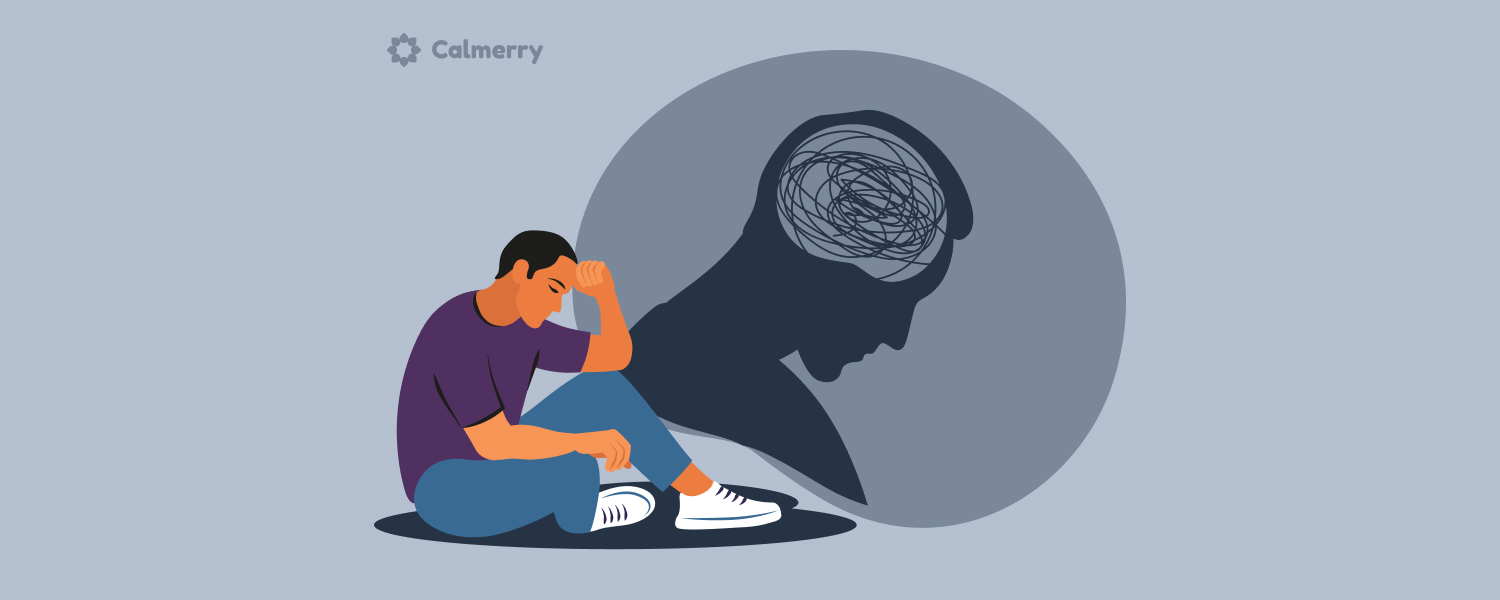
In the age of social media, Instagram has evolved far beyond a simple photo-sharing platform. It functions as a digital stage where individuals consciously and unconsciously perform their identities, carefully curate their lifestyles, and present idealized versions of themselves. Moments of success, beauty, happiness, productivity, and social belonging are selectively highlighted, while struggles, failures, and emotional vulnerabilities are often hidden from view. As a result, Instagram becomes a powerful space where self-worth is frequently measured through external indicators such as likes, followers, comments, and online validation.
While Instagram undeniably offers opportunities for connection, creativity, self-expression, and community building, its immersive and comparison-driven nature can also contribute to anxiety, self-doubt, and emotional distress. Continuous exposure to polished images and seemingly perfect lives can distort users’ perception of reality, leading them to believe that others are happier, more successful, or more attractive. Over time, this perception may erode self-esteem, increase feelings of inadequacy, and create pressure to meet unrealistic standards.
A key psychological framework that helps explain this phenomenon is Social Comparison Theory, which suggests that individuals evaluate their own worth, abilities, and life progress by comparing themselves with others—especially in the absence of objective benchmarks. Instagram intensifies this natural tendency by providing an endless stream of comparison targets, making upward comparison almost unavoidable. Consequently, what begins as casual scrolling can gradually transform into a psychologically taxing experience, shaping emotions, self-concept, and mental well-being in subtle yet profound ways.
Understanding Social Comparison Theory
Social Comparison Theory, proposed by Leon Festinger in 1954, suggests that human beings have an innate psychological drive to evaluate themselves. In situations where objective standards are unclear or unavailable, individuals naturally compare their abilities, appearance, achievements, opinions, and life circumstances with those of others to understand where they stand. These comparisons play a crucial role in shaping self-concept, self-esteem, motivation, and emotional well-being.
In everyday life, social comparison can be adaptive—it helps people learn, grow, and set goals. However, when comparisons become frequent, unrealistic, or biased, they can negatively impact mental health. Social media platforms like Instagram provide constant and highly visible opportunities for such comparisons, often without contextual balance.
Types of Social Comparison
1. Upward Social Comparison
Upward comparison occurs when individuals compare themselves with people they perceive as more successful, attractive, happier, or accomplished.
Example:
Comparing your own daily life, body image, or career progress with an influencer’s carefully curated “perfect” lifestyle.
Psychological Impact:
- Can be motivating in some cases
- Often leads to feelings of inadequacy, envy, low self-esteem, anxiety, and self-criticism, especially when the comparison target feels unattainable
2. Downward Social Comparison
Downward comparison involves comparing oneself with people who are perceived as worse off in some way.
Example:
Feeling a sense of relief or reassurance after seeing someone else struggle more than you.
Psychological Impact:
- May temporarily boost self-esteem
- Can create false reassurance or avoidance of personal growth
Social Comparison in the Context of Instagram
Instagram predominantly promotes upward social comparison due to its emphasis on idealized images, success narratives, beauty standards, and lifestyle achievements. Users are repeatedly exposed to selectively positive portrayals of others’ lives, while their own lived experiences include stress, uncertainty, and imperfections. This imbalance strengthens comparison-based self-evaluation and has significant implications for mental health, including increased anxiety, depressive symptoms, body dissatisfaction, and chronic self-doubt.
In this way, Instagram does not create the need for comparison—but it amplifies it, making Social Comparison Theory especially relevant in understanding Instagram-related anxiety and emotional distress.
Instagram Anxiety: A Psychological Perspective
Instagram anxiety refers to the emotional distress and psychological discomfort that arise from excessive or emotionally invested engagement with Instagram. This form of anxiety is not caused merely by screen time, but by how individuals interact with the platform—particularly through constant comparison, self-monitoring, and validation-seeking behaviors. On Instagram, users are repeatedly exposed to idealized portrayals of beauty, success, relationships, and happiness, which can gradually distort their perception of self and reality.
From a psychological standpoint, Instagram anxiety develops when users begin to evaluate their worth through external metrics such as likes, views, comments, and follower counts. Over time, emotional well-being becomes closely tied to online feedback, making individuals vulnerable to mood fluctuations, insecurity, and chronic self-doubt.
Common Psychological Effects
Instagram anxiety can manifest in multiple emotional and cognitive ways:
- Low self-esteem and body dissatisfaction
Continuous exposure to idealized bodies and faces can lead to negative body image, self-criticism, and dissatisfaction with one’s appearance. - Fear of Missing Out (FOMO)
Seeing others constantly socializing, traveling, or achieving milestones may create a fear of being left behind or living an unfulfilled life. - Performance anxiety
Persistent thoughts such as “Am I interesting enough?”, “Will this post get likes?” reflect pressure to perform and present a socially desirable identity. - Validation dependence
Emotional reliance on likes, views, and comments can create a cycle where self-worth rises and falls based on online engagement. - Depressive thoughts and feelings of inadequacy
Repeated comparison may lead to feelings of failure, helplessness, and a belief that one is “not good enough.”
Counseling Perspective: Externalized Self-Worth
From a counseling and clinical psychology perspective, Instagram anxiety is strongly linked to externalized self-worth—a condition in which an individual’s sense of value depends primarily on others’ approval rather than internal acceptance and self-compassion. When validation becomes external, individuals lose a stable internal anchor for self-esteem, increasing vulnerability to anxiety, mood disturbances, and emotional exhaustion.
The Role of Upward Comparison in Anxiety
Upward social comparison on Instagram plays a central role in maintaining and intensifying anxiety. It often leads to:
- Cognitive distortions
Examples include overgeneralization and mind-reading, such as “Everyone else is happier than me” or “My life is boring compared to theirs.” - Negative self-schemas
Deep-seated beliefs like “I’m not successful enough,” “I’m unattractive,” or “I’m falling behind” become reinforced through repeated comparison. - Emotional consequences
Persistent exposure to perceived superiority in others can evoke shame, envy, frustration, sadness, and hopelessness, gradually eroding emotional resilience.
Research Evidence and Vulnerable Populations
Research consistently shows that frequent exposure to idealized images and lifestyles on Instagram is associated with higher levels of anxiety and depressive symptoms, particularly among adolescents and young adults. This age group is especially vulnerable due to ongoing identity formation, sensitivity to peer evaluation, and reliance on social feedback for self-definition.
In summary, Instagram anxiety is not merely a byproduct of technology, but a psychological response to comparison-driven digital environments. Understanding its mechanisms is essential for promoting healthier social media use, strengthening internal self-worth, and supporting emotional well-being in the digital age.
Who Is Most Vulnerable?
While Instagram can affect users across age groups, certain populations are psychologically more vulnerable to Instagram-related anxiety due to developmental, personality, or clinical factors:
- Adolescents (identity formation stage)
Adolescence is a critical period for identity development and self-concept formation. During this stage, peer approval and social belonging hold heightened importance. Constant comparison on Instagram can intensify identity confusion, body image concerns, and fear of rejection. - Individuals with low self-esteem
People who already struggle with self-worth are more likely to engage in upward comparison and interpret others’ success as personal failure, reinforcing negative self-beliefs. - People with perfectionistic traits
Perfectionism drives unrealistic standards and fear of imperfection. Exposure to curated, flawless online images can heighten self-criticism, performance pressure, and chronic dissatisfaction. - Those with a history of anxiety or depression
Pre-existing mental health conditions increase sensitivity to comparison, rejection cues, and validation-seeking behaviors, making Instagram a potential trigger for symptom exacerbation. - Content creators and influencers
Despite appearing confident, creators are often under constant pressure to maintain engagement, relevance, and audience approval. Algorithm changes, fluctuating reach, and performance metrics can significantly impact their emotional well-being.
Clinical and Counseling Implications
From a mental health perspective, Instagram anxiety is not merely a “social media problem”, but a psychological vulnerability amplified by digital environments. The platform acts as a catalyst that intensifies existing cognitive patterns, emotional sensitivities, and self-esteem issues rather than creating them in isolation.
For counselors and clinicians, it is essential to assess:
- Patterns of comparison and validation dependence
- Emotional reactions to online feedback
- The role of social media in maintaining anxiety or depressive symptoms
Therapeutic Approaches Include
- Cognitive Behavioral Therapy (CBT)
Helps individuals identify and challenge comparison-based automatic thoughts (e.g., “I am not good enough”), cognitive distortions, and maladaptive beliefs linked to self-worth. - Mindfulness-Based Interventions
Encourage present-moment awareness and non-judgmental observation of thoughts, reducing compulsive scrolling and automatic comparison responses. - Self-Compassion Training
Supports a shift from harsh self-judgment to acceptance, kindness, and emotional resilience, strengthening internal sources of self-worth. - Digital Hygiene
Involves setting healthy boundaries around social media use, such as time limits, intentional unfollowing, and conscious engagement, to reduce psychological overload.
Understanding vulnerability factors and integrating targeted therapeutic strategies can help individuals develop a healthier relationship with Instagram, protecting mental well-being while still benefiting from digital connection and creativity.
Healthy Ways to Use Instagram
Developing a mindful and intentional relationship with Instagram can significantly reduce anxiety and protect emotional well-being. Rather than complete avoidance, psychological research and counseling practice emphasize balanced use and self-awareness.
To reduce anxiety while using Instagram:
- Unfollow accounts that trigger comparison
Pay attention to how you feel after viewing certain profiles. If an account consistently evokes envy, inadequacy, or self-criticism, unfollowing or muting it is an act of emotional self-care—not avoidance. - Limit screen time intentionally
Set clear time boundaries to prevent mindless scrolling. Short, purposeful engagement reduces exposure to comparison cues and helps maintain emotional regulation. - Follow realistic, educational, or mental-health-positive content
Curate your feed with creators who promote authenticity, psychological awareness, body neutrality, and emotional honesty. Your digital environment shapes your mental state. - Remind yourself: Instagram is edited, life is not
Photos and reels often involve filters, selective angles, editing, and staged moments. Reframing Instagram as a highlight reel rather than reality helps counter distorted self-evaluations. - Focus on connection, not validation
Engage with Instagram as a tool for communication, learning, and creative expression rather than a measure of self-worth. Posting and interacting with intention reduces dependence on likes and views.
From a counseling perspective, healthy Instagram use involves strengthening internal validation, increasing self-compassion, and practicing conscious digital habits. When individuals shift from comparison to connection, Instagram becomes less anxiety-provoking and more psychologically sustainable.
Conclusion
Social Comparison Theory provides a powerful psychological lens for understanding why Instagram can be both highly engaging and emotionally harmful. The platform taps into a natural human tendency to compare, but magnifies it through constant exposure to idealized images, success narratives, and visible metrics of approval. When comparison becomes chronic, automatic, and predominantly upward, and when self-worth is increasingly outsourced to digital validation, anxiety becomes a predictable psychological outcome rather than an individual weakness.
Promoting awareness, psychological resilience, and mindful social media usage is therefore essential—not only at the individual level, but also within families, educational institutions, and mental health systems. Helping individuals recognize comparison patterns, challenge distorted beliefs, and strengthen internal sources of self-worth can significantly reduce the emotional impact of Instagram-related stress.
Ultimately, Instagram itself is not the enemy; unconscious comparison is. When users develop emotional insight, self-compassion, and internal validation, they regain agency over their digital experiences. In doing so, Instagram can shift from being a source of anxiety to a tool for connection, creativity, and balanced self-expression—supporting healthier digital well-being in an increasingly online world.
Frequently Asked Questions (FAQ)
1. What is Social Comparison Theory?
Social Comparison Theory explains how people evaluate their own abilities, appearance, and worth by comparing themselves with others, especially when objective standards are unclear.
2. How is Social Comparison Theory connected to Instagram use?
Instagram provides constant access to others’ curated lives, making comparison frequent, automatic, and often biased toward idealized standards.
3. What is Instagram anxiety?
Instagram anxiety refers to emotional distress—such as worry, self-doubt, and low mood—arising from comparison, validation-seeking, and pressure to present a perfect online identity.
4. Why does Instagram mainly promote upward comparison?
Because users typically post highlights, achievements, and polished images, viewers are more likely to compare themselves with people who appear “better off.”
5. Can Instagram anxiety affect self-esteem?
Yes. Repeated upward comparison can lower self-esteem by reinforcing beliefs of inadequacy and failure.
6. What role do likes and followers play in anxiety?
Likes and followers act as external validation cues. When self-worth depends on these metrics, emotional well-being becomes unstable.
7. Is Instagram anxiety common among adolescents?
Yes. Adolescents are particularly vulnerable due to identity formation, peer sensitivity, and a strong need for social approval.
8. Can adults also experience Instagram anxiety?
Absolutely. Adults may experience anxiety related to career success, relationships, parenting standards, body image, and social status.
9. Are influencers immune to Instagram anxiety?
No. Influencers often face high performance pressure, algorithm dependency, and fear of losing relevance, which can increase anxiety.
10. Does time spent on Instagram matter more than how it’s used?
Research suggests how Instagram is used (passive scrolling vs. active, intentional use) matters more than total time spent.
11. How does Instagram anxiety relate to depression?
Chronic comparison and feelings of inadequacy can contribute to depressive thoughts, hopelessness, and reduced life satisfaction.
12. What are common cognitive distortions linked to Instagram anxiety?
Overgeneralization (“Everyone is happier than me”), mind-reading (“They’re judging me”), and catastrophizing (“I’m failing at life”).
13. Can therapy help with Instagram-related anxiety?
Yes. Approaches like CBT, mindfulness, and self-compassion training are effective in addressing comparison-based distress.
14. Should people completely quit Instagram to protect mental health?
Not necessarily. Mindful use, boundary setting, and conscious content curation are often more sustainable than total avoidance.
15. What is the key to healthy Instagram use?
Developing internal validation, emotional awareness, and conscious comparison habits—using Instagram for connection, not self-worth measurement.
Written by Baishakhi Das
Counselor | Mental Health Practitioner
B.Sc, M.Sc, PG Diploma in Counseling
Reference
-
Festinger, L. (1954). A Theory of Social Comparison Processes
https://psycnet.apa.org/record/1955-03805-001 -
American Psychological Association – Social Media & Mental Health
https://www.apa.org/monitor/2022/03/feature-minimize-instagram-effects -
JED Foundation – Understanding Social Comparison on Social Media
https://jedfoundation.org/resource/understanding-social-comparison-on-social-media/ -
HelpGuide – Social Media and Mental Health
https://www.helpguide.org/mental-health/wellbeing/social-media-and-mental-health -
Nesi, J., & Prinstein, M. (2015). Social Media and Adolescent Mental Health
https://www.ncbi.nlm.nih.gov/pmc/articles/PMC4183915/ -
Fardouly et al. (2018). Social Media and Body Image Concerns
https://www.sciencedirect.com/science/article/pii/S0191886917305247 -
Royal Society for Public Health – #StatusOfMind Report
https://www.rsph.org.uk/our-work/campaigns/status-of-mind.html -
Nature – Social Media Use and Mental Health Research
https://www.nature.com/articles/s41562-020-00996-6 - Triangular Theory of Love – Robert Sternberg
This topic performs well due to rising searches around men’s mental health, workplace stress, and burnout recovery. Combining emotional insight with practical steps increases engagement and trust.
 Introduction