10 Common Mental Health Challenges in Men—and How to Address Them

https://calmerry.com/wp-content/uploads/2021/05/depression-in-men.jpg?utm_source=chatgpt.com
Introduction

Mental health challenges in men are often hidden, minimized, or misunderstood. Social expectations frequently teach men to be strong, silent, and self-reliant. As a result, emotional distress is commonly suppressed rather than expressed. Many men struggle silently—until symptoms appear as anger, withdrawal, substance use, physical complaints, or burnout.

Research consistently shows that men are less likely to seek psychological help, yet they face significant mental health risks, including higher suicide rates and untreated emotional distress. Understanding the unique ways mental health challenges present in men is crucial for early support, prevention, and recovery.

This article explores 10 common mental health challenges in men and provides practical, psychologically grounded ways to address them, suitable for individuals, families, counselors, and mental health educators.

Why Men’s Mental Health Often Goes Unnoticed

Men are often conditioned to:

  • Hide vulnerability

  • Avoid emotional expression

  • View help-seeking as weakness

  • Prioritize responsibility over self-care

As a result, mental health symptoms may look different in men than in women—often showing up as irritability, aggression, risk-taking, workaholism, or emotional shutdown rather than sadness or tearfulness.

Recognizing these patterns is the first step toward change.

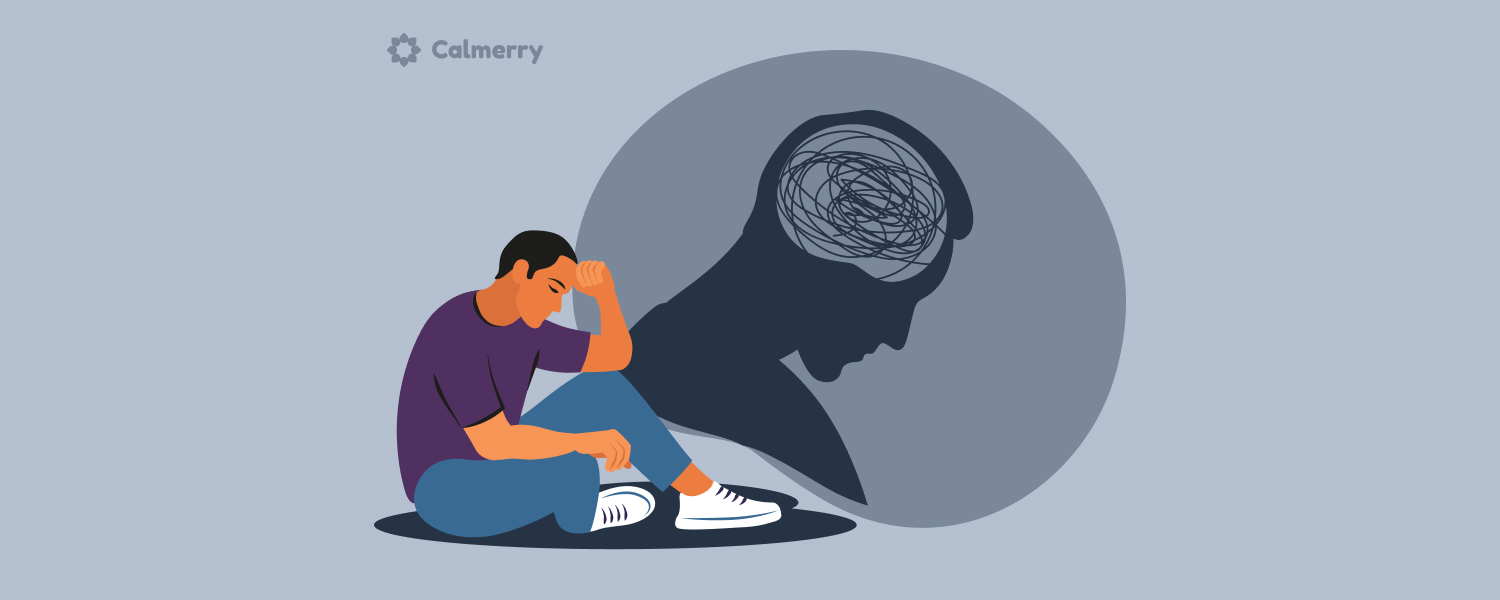
1. Depression in Men

How It Commonly Appears

Depression in men is often underdiagnosed because it may not look like classic sadness.

Common signs include:

  • Persistent irritability or anger

  • Emotional numbness

  • Loss of interest in work or relationships

  • Fatigue and sleep disturbances

  • Withdrawal and isolation

Men may describe feeling “empty,” “tired,” or “burnt out” rather than “sad.”

How to Address It

  • Normalize emotional expression without judgment

  • Encourage routine and structure

  • Promote physical activity and sleep hygiene

  • Seek counseling or therapy early

  • Challenge beliefs that emotions equal weakness

2. Anxiety Disorders

How It Commonly Appears

Anxiety in men often manifests as:

  • Restlessness

  • Overthinking

  • Muscle tension

  • Difficulty relaxing

  • Avoidance of situations

Some men mask anxiety through overworking or controlling behavior.

How to Address It

  • Learn grounding and breathing techniques

  • Reduce caffeine and stimulants

  • Practice stress-management strategies

  • Cognitive-behavioral therapy (CBT) is highly effective

  • Normalize anxiety as a human experience

3. Anger and Emotional Dysregulation

Why It Happens

Many men were taught that anger is the only acceptable emotion, while sadness or fear were discouraged. As a result, emotional pain often gets expressed as anger.

Signs include:

  • Frequent irritability

  • Explosive reactions

  • Difficulty calming down

  • Relationship conflicts

How to Address It

  • Identify underlying emotions beneath anger

  • Learn emotional labeling skills

  • Practice pause-and-response techniques

  • Therapy focused on emotional regulation can help

  • Develop healthy outlets (exercise, journaling, conversation)

4. Stress and Work-Related Burnout

https://hbr.org/resources/images/article_assets/2022/10/A_Nov22_03_Men-mental-health_1341999505.jpg?utm_source=chatgpt.com

Why Men Are Vulnerable

Many men tie self-worth closely to:

  • Career success

  • Financial responsibility

  • Productivity

Chronic work stress can lead to:

  • Emotional exhaustion

  • Detachment

  • Reduced motivation

  • Physical health problems

How to Address It

  • Set realistic work boundaries

  • Redefine productivity beyond constant output

  • Take regular breaks and leave

  • Develop identity beyond work

  • Seek support before burnout becomes severe

5. Substance Use and Addiction

Why It’s Common

Men are more likely to use substances to:

  • Numb emotional pain

  • Manage stress

  • Avoid vulnerability

This may include alcohol, smoking, drugs, or behavioral addictions (gaming, gambling).

How to Address It

  • Address underlying emotional distress

  • Reduce shame around seeking help

  • Encourage non-judgmental conversations

  • Combine therapy with lifestyle changes

  • Seek specialized addiction support if needed

6. Loneliness and Social Isolation

How It Develops

As men age, friendships often reduce due to:

  • Work pressure

  • Family responsibilities

  • Emotional withdrawal

Loneliness in men is strongly linked to depression and poor physical health.

How to Address It

  • Rebuild social connections intentionally

  • Encourage shared activities rather than only “talk”

  • Maintain friendships outside work

  • Normalize emotional closeness among men

7. Relationship and Intimacy Difficulties

Common Challenges

Men may struggle with:

  • Emotional expression

  • Vulnerability

  • Communication

  • Fear of rejection

Unresolved emotional patterns often affect romantic relationships.

How to Address It

  • Learn emotional communication skills

  • Explore attachment patterns

  • Couples counseling when needed

  • Practice active listening

  • Address fears of intimacy gradually

8. Trauma and Unresolved Childhood Experiences

Why It’s Often Overlooked

Men may minimize past trauma, especially:

  • Childhood abuse

  • Emotional neglect

  • Bullying

  • Family violence

Unprocessed trauma can lead to anger, avoidance, or emotional shutdown.

How to Address It

  • Trauma-informed therapy

  • Safe emotional expression

  • Understanding triggers

  • Gradual processing of past experiences

  • Building emotional safety

9. Low Self-Esteem and Identity Struggles

Common Sources

  • Unrealistic masculine ideals

  • Comparison and performance pressure

  • Failure or job loss

  • Relationship breakdown

Low self-esteem in men may show as defensiveness or withdrawal.

How to Address It

  • Separate self-worth from achievement

  • Identify strengths beyond productivity

  • Practice self-compassion

  • Challenge negative self-beliefs

  • Work with a counselor if patterns persist

10. Suicide Risk and Hopelessness

https://sp-ao.shortpixel.ai/client/q_glossy%2Cret_img%2Cw_300/https%3A//mindthemen.co.uk/wp-content/uploads/2019/11/mind-the-men-asset_logo-300x300.png?utm_source=chatgpt.com

Critical Reality

Men are at higher risk of suicide, often due to:

  • Untreated depression

  • Emotional isolation

  • Reluctance to seek help

Warning signs may include:

  • Withdrawal

  • Talking about feeling like a burden

  • Risk-taking behavior

  • Sudden calm after distress

How to Address It

  • Take warning signs seriously

  • Encourage immediate professional support

  • Maintain open, non-judgmental communication

  • Crisis intervention when needed

  • Community and family support are vital


Breaking the Stigma Around Men’s Mental Health

True strength lies in:

  • Emotional awareness

  • Asking for help

  • Setting boundaries

  • Choosing healing over silence

When men are allowed to be emotionally human, mental health outcomes improve dramatically.


How Families and Society Can Support Men

  • Encourage emotional conversations

  • Avoid shaming vulnerability

  • Model healthy coping

  • Promote mental health education

  • Normalize therapy and counseling

Supportive environments save lives.

Conclusion

Men experience mental health challenges just as deeply as anyone else—often in quieter, less visible ways. Depression, anxiety, anger, burnout, addiction, and loneliness are not personal failures; they are human responses to stress, expectations, and unmet emotional needs.

Addressing men’s mental health requires awareness, compassion, early support, and cultural change. With the right tools and support, men can heal, grow, and thrive emotionally.

Mental health care is not a weakness—it is a responsibility toward oneself and those who depend on us.

Frequently Asked Questions (FAQ)

10 Common Mental Health Challenges in Men—and How to Address Them


1. Why are mental health issues in men often overlooked?

Men are often socialized to suppress emotions and appear strong or self-reliant. As a result, distress may show up as anger, withdrawal, substance use, or overworking rather than openly expressed sadness or anxiety—making it easier to miss.


2. What are the most common mental health challenges men face?

Common challenges include depression, anxiety, anger and emotional dysregulation, work-related burnout, substance use, loneliness, relationship difficulties, unresolved trauma, low self-esteem, and increased suicide risk.


3. How does depression look different in men?

Depression in men may appear as irritability, emotional numbness, fatigue, sleep problems, withdrawal, or loss of interest in work or relationships rather than visible sadness or crying.


4. Is anger a sign of poor mental health in men?

Anger can be a sign of underlying emotional distress. Many men were taught to express anger instead of sadness or fear, so unresolved pain may surface as irritability or outbursts.


5. Why do many men avoid seeking mental health support?

Common barriers include stigma, fear of being judged, beliefs that asking for help is a weakness, lack of emotional language, and limited awareness of mental health resources.


6. How does work stress affect men’s mental health?

Men often tie self-worth to productivity and financial responsibility. Chronic work stress can lead to burnout, emotional exhaustion, irritability, physical health issues, and reduced motivation.


7. Are substance use and addiction linked to men’s mental health?

Yes. Many men use substances such as alcohol or drugs to cope with stress, emotional pain, or unresolved trauma. Addressing the underlying emotional issues is essential for recovery.


8. How does loneliness impact men psychologically?

Loneliness increases the risk of depression, anxiety, substance use, and poor physical health. As men age, social connections may decrease, making isolation a significant mental health risk.


9. What role does childhood trauma play in men’s mental health?

Unresolved childhood trauma—such as abuse, neglect, or emotional invalidation—can affect emotional regulation, relationships, self-esteem, and coping strategies in adulthood.


10. Why is suicide risk higher in men?

Men are less likely to seek help and more likely to use lethal means. Untreated depression, emotional isolation, and social pressure contribute significantly to increased suicide risk.


11. How can men start improving their mental health?

Small steps help, such as:

  • Acknowledging emotions

  • Talking to someone trusted

  • Reducing harmful coping behaviors

  • Practicing stress management

  • Seeking professional support when needed


12. Is therapy effective for men?

Yes. Therapy provides a safe, confidential space to understand emotions, improve coping skills, address trauma, and build healthier relationships. Many men benefit greatly once they engage.


13. How can families and partners support men’s mental health?

Supportive listening, avoiding judgment, encouraging help-seeking, validating emotions, and reducing stigma can make a significant difference.


14. Are mental health struggles a sign of weakness?

No. Mental health challenges are human experiences, not personal failures. Seeking help reflects self-awareness, responsibility, and strength.


15. What is the most important message about men’s mental health?

Men deserve emotional support, understanding, and care just like anyone else. Breaking silence and stigma is essential for prevention, healing, and long-term well-being.


About the Author

Baishakhi Das is a Counselor and Mental Health Practitioner with formal training in psychology and human development. She works with men facing stress, emotional suppression, relationship issues, trauma, and burnout, focusing on practical coping strategies and emotional resilience.

Reference 

How to Practice Self-Care as a Busy Man

A realistic, psychology-backed guide for men who juggle work, family, responsibilities, and expectations

Introduction: Why Self-Care Is Not a Luxury for Busy Men

In today’s fast-paced world, being a “busy man” is often worn like a badge of honor. Long work hours, financial responsibilities, family roles, social expectations, and the pressure to remain emotionally strong can leave little room for rest or reflection. Many men believe self-care is time-consuming, selfish, or unmanly. In reality, self-care is a survival skill, not a spa day.

Research from organizations like World Health Organization and National Institute of Mental Health shows that chronic stress, untreated anxiety, and emotional suppression significantly increase risks for depression, cardiovascular disease, substance use, and burnout in men.

Self-care does not mean abandoning responsibilities. It means building sustainable habits that protect your mental, emotional, and physical health—so you can show up better for work, relationships, and yourself.

This article is written specifically for busy men—professionals, fathers, partners, caregivers—who think they don’t have time for self-care. You do. And you don’t need to change your entire life to practice it.

1. Understanding Self-Care Through a Male Lens

What Self-Care Really Means

Self-care is the intentional practice of behaviors that maintain and improve well-being. It includes:

  • Physical health

  • Mental clarity

  • Emotional regulation

  • Social connection

  • Meaning and purpose

For men, self-care often looks different from mainstream portrayals. It may be:

  • Taking a quiet walk instead of talking

  • Fixing something with focus

  • Exercising alone

  • Learning a new skill

  • Sitting in silence

Self-care is not one-size-fits-all.

Why Men Often Avoid Self-Care

Common psychological barriers include:

  • Gender conditioning: “Men should be strong, not vulnerable.”

  • Productivity guilt: Rest feels unproductive.

  • Emotional avoidance: Feelings are uncomfortable.

  • Time scarcity: Everything else feels more urgent.

Understanding these barriers helps you work with yourself, not against yourself.

2. The Cost of Neglecting Self-Care

When self-care is ignored, the body and mind eventually demand attention—often in unhealthy ways.

Psychological Consequences

  • Chronic irritability and anger

  • Emotional numbness

  • Anxiety and panic symptoms

  • Depression masked as fatigue or workaholism

Physical Consequences

  • High blood pressure

  • Poor sleep

  • Weakened immunity

  • Digestive issues

Relational Consequences

  • Emotional distance in relationships

  • Conflict escalation

  • Withdrawal or avoidance

Self-care is preventive mental health.

3. Micro Self-Care: Small Habits That Fit Busy Schedules

https://www.uhhospitals.org/-/media/images/blog/2024/02/man-practices-breathing-1472399571-blog-mainarticleimage.jpg?h=450&hash=93760D0A2E7BD633BF3DD6B6296ECECC&la=en&w=720&utm_source=chatgpt.com
You don’t need hours. You need minutes, practiced consistently.

1. Two-Minute Breathing Reset

  • Inhale for 4 seconds

  • Hold for 4

  • Exhale for 6

  • Repeat for 2 minutes

This activates the parasympathetic nervous system, reducing stress hormones.

2. Mental Check-In (Once a Day)

Ask yourself:

  • What am I feeling right now?

  • What do I need most today?

Naming emotions reduces their intensity.

3. Body Awareness Break

Stand up every 90 minutes:

  • Roll shoulders

  • Stretch neck

  • Relax jaw

Stress is stored in the body—movement releases it.

4. Physical Self-Care Without Extreme Fitness

Redefining Exercise

You don’t need:

  • A perfect body

  • Daily gym sessions

  • Extreme discipline

You need consistent movement.

Effective options for busy men:

  • 20-minute brisk walks

  • Home bodyweight workouts

  • Climbing stairs

  • Stretching before bed

Sleep: The Most Ignored Self-Care Tool

Men often sacrifice sleep for work or screens.

Healthy sleep basics:

  • Fixed sleep and wake time

  • No screens 30 minutes before bed

  • Dark, cool room

  • Reduce caffeine after afternoon

Sleep deprivation worsens anxiety, irritability, and decision-making.

5. Emotional Self-Care: The Skill Men Are Rarely Taught

https://dayoneapp.com/wp-content/uploads/2023/06/emotinoal-journaling.jpg?utm_source=chatgpt.com
Emotional Suppression vs Regulation

Many men suppress emotions because they were never taught how to process them.

Suppression leads to:

  • Anger outbursts

  • Emotional shutdown

  • Psychosomatic symptoms

Regulation means:

  • Recognizing feelings

  • Allowing them without judgment

  • Expressing them safely

Simple Emotional Practices

  • Journaling: Write freely for 5 minutes

  • Label emotions: “I feel overwhelmed, not weak”

  • Music processing: Let music help release emotions

Emotional self-care is not weakness—it’s emotional intelligence.

6. Mental Self-Care: Protecting Your Cognitive Energy

Reduce Mental Overload

Your brain is not designed for constant stimulation.

Mental self-care strategies:

  • Single-task instead of multitask

  • Schedule “no-thinking” breaks

  • Limit doom-scrolling

Cognitive Boundaries

Learn to say:

  • “Not today.”

  • “I’ll think about this later.”

  • “This can wait.”

Boundaries protect mental health as much as physical safety.

7. Self-Care at Work: Thriving Without Burning Out

https://workplace.msu.edu/wp-content/uploads/2021/04/workday-break.jpg?utm_source=chatgpt.com
Workplace Self-Care Is Essential

Ignoring stress at work spills into home life.

Practical steps:

  • Take full lunch breaks

  • Step away from your desk

  • Clarify unrealistic expectations

  • Use vacation time

Redefining Success

Success is not:

  • Constant availability

  • Chronic exhaustion

True success includes sustainability.

8. Relationship Self-Care: You Can’t Pour From an Empty Cup

Communicating Needs

Men are often expected to “just handle it.”

Try:

  • “I’m overwhelmed and need quiet time.”

  • “I’m not okay today.”

  • “I need support, not solutions.”

Healthy Solitude vs Isolation

Solitude restores energy.
Isolation drains it.

Choose intentional alone time, not emotional withdrawal.

9. Digital Self-Care in a Hyperconnected World

Technology Fatigue

Constant notifications keep your nervous system activated.

Digital self-care ideas:

  • No phone during meals

  • One screen-free hour daily

  • Remove non-essential apps

Mental space is a form of self-respect.

10. Self-Care for Fathers and Family Men

https://www.bigdaddykreativ.ca/wp-content/uploads/2017/07/father-and-young-son-outdoors-on-sunny-day-sittin-2025-02-10-13-20-21-utc.jpg?utm_source=chatgpt.com

Being strong for your family includes caring for yourself.

Children learn emotional regulation by observing you.

Model:

  • Healthy stress management

  • Emotional expression

  • Rest without guilt

Self-care makes you a better role model, not a selfish one.

11. Spiritual and Purpose-Based Self-Care

Self-care is not only about stress reduction; it’s about meaning.

Purpose-based practices:

  • Prayer or meditation

  • Nature connection

  • Gratitude reflection

  • Service without overgiving

Meaning buffers stress and builds resilience.

12. When Self-Care Is Not Enough: Seeking Professional Help

Self-care is not a replacement for therapy.

Consider professional support if you experience:

  • Persistent sadness or anger

  • Panic attacks

  • Emotional numbness

  • Substance dependence

  • Thoughts of hopelessness

Organizations like American Psychiatric Association emphasize that early intervention prevents long-term mental health issues.

Asking for help is an act of responsibility.

13. Creating a Sustainable Self-Care Plan

Step 1: Identify One Area

Physical, emotional, mental, relational, or spiritual.

Step 2: Choose One Small Habit

Example:

  • 5-minute walk

  • One boundary at work

  • One honest conversation

Step 3: Schedule It

What gets scheduled gets done.

Step 4: Review Weekly

Adjust, don’t abandon.

Consistency beats intensity.

Common Myths About Men and Self-Care

Myth Reality
Self-care is selfish It improves relationships
Men don’t need emotional care Men experience emotions deeply
I don’t have time You can’t afford not to
Therapy is weakness It’s skill-building

Final Thoughts: Redefining Strength Through Self-Care

Strength is not endurance without rest.
Strength is self-awareness, adaptability, and sustainability.

As a busy man, you carry many roles. Self-care ensures those roles don’t consume you.

You don’t need perfection.
You need permission—to pause, to feel, to care for yourself.

Because a well-cared-for man is not only more productive—
he is more present, grounded, and alive.

Frequently Asked Questions (FAQ): Self-Care for Busy Men

1. What does self-care really mean for men?

Self-care for men means maintaining physical, mental, emotional, and social well-being in a practical and sustainable way. It’s not about luxury or indulgence—it’s about managing stress, regulating emotions, staying healthy, and preventing burnout so you can function effectively in daily life.


2. Why do many busy men struggle with self-care?

Many men grow up with beliefs such as:

  • “I must always be strong”

  • “Rest is laziness”

  • “Others’ needs come first”

Busy schedules, work pressure, financial responsibilities, and emotional suppression make self-care feel unnecessary or impossible—until stress shows up as anger, exhaustion, or health issues.


3. Is self-care selfish for men with family responsibilities?

No. Self-care is protective, not selfish. When men neglect themselves, stress spills into relationships through irritability, withdrawal, or emotional unavailability. Caring for yourself helps you be a better partner, father, and provider.


4. How much time does self-care require each day?

Self-care does not require hours. Even:

  • 5 minutes of deep breathing

  • 10 minutes of walking

  • 5 minutes of journaling

can significantly reduce stress if practiced consistently. Micro self-care is ideal for busy men.


5. What are simple self-care habits for men with hectic work schedules?

Some realistic habits include:

  • Taking short movement breaks at work

  • Eating at least one mindful meal daily

  • Setting a fixed sleep time

  • Reducing screen use before bed

  • Saying no to one unnecessary commitment

Small habits done daily are more effective than occasional big efforts.


6. How does self-care help with anger and irritability in men?

Unexpressed stress and emotions often turn into anger. Self-care helps by:

  • Calming the nervous system

  • Improving emotional awareness

  • Reducing physical tension

Practices like exercise, breathing, and emotional check-ins reduce emotional overload and impulsive reactions.


7. Is exercise necessary for self-care, or are there alternatives?

Exercise helps, but self-care is broader than fitness. Alternatives include:

  • Stretching

  • Walking

  • Adequate sleep

  • Healthy eating

  • Mental breaks

The goal is movement and regulation, not physical perfection.


8. How can men practice emotional self-care if they find it difficult to talk?

Emotional self-care doesn’t always require talking. Men can:

  • Write privately in a journal

  • Use music to process emotions

  • Spend time alone mindfully

  • Name emotions internally

Emotional processing can be quiet and private—it doesn’t have to be verbal.


9. What role does sleep play in self-care for men?

Sleep is one of the most powerful self-care tools. Poor sleep increases:

  • Anxiety

  • Irritability

  • Poor concentration

  • Health risks

Improving sleep quality often improves mood, energy, and emotional control without any other changes.


10. How can men practice self-care without feeling guilty?

Guilt comes from outdated beliefs that rest equals weakness. Reframe self-care as:

  • Maintenance, not indulgence

  • Responsibility, not escape

  • Strength-building, not avoidance

When self-care is seen as essential, guilt naturally reduces.


11. Can self-care improve work performance?

Yes. Self-care improves:

  • Focus and decision-making

  • Emotional regulation under pressure

  • Productivity and creativity

  • Long-term career sustainability

Burnout reduces performance; self-care protects it.


12. How does self-care affect relationships?

Men who practice self-care:

  • Communicate more clearly

  • Are less reactive

  • Feel more emotionally available

  • Experience fewer conflicts

Healthy relationships require emotionally regulated individuals.


13. Is digital detox part of self-care for busy men?

Absolutely. Constant notifications keep the brain in a stress state. Digital self-care includes:

  • Limiting social media

  • No-phone time before bed

  • Screen-free meals

Mental silence is a powerful form of rest.


14. When should a man seek professional mental health support?

Self-care is helpful, but professional support is needed if you experience:

  • Persistent sadness or anger

  • Panic attacks

  • Emotional numbness

  • Substance dependence

  • Thoughts of hopelessness

Seeking help is a sign of self-awareness and responsibility—not weakness.


15. How can a man build a long-term self-care routine?

Start simple:

  1. Choose one area (sleep, stress, emotions)

  2. Pick one small habit

  3. Schedule it

  4. Review weekly

Self-care should be sustainable, flexible, and realistic, not perfection-driven.


16. Can fathers practice self-care without neglecting their children?

Yes. In fact, children benefit when fathers model:

  • Healthy stress management

  • Emotional expression

  • Balanced routines

Self-care teaches children emotional intelligence by example.


17. What is the biggest myth about self-care for men?

The biggest myth is:
“Strong men don’t need self-care.”

In reality, strong men understand their limits, protect their health, and seek balance.

Written by Baishakhi Das

Qualifications: B.Sc, M.Sc, PG Diploma in Counseling

Role: Counselor / Mental Health Practitioner

Reference

How to Support a Man Who Is Struggling Mentally

Introduction: Supporting Men Requires Understanding, Not Fixing

When a man struggles mentally, the signs are often subtle, indirect, or misunderstood. He may not say, “I’m depressed” or “I’m anxious.” Instead, he may become irritable, withdrawn, emotionally distant, overworked, or physically unwell. Many well-meaning partners, family members, and friends feel confused—wanting to help but unsure how to support without pushing, judging, or making things worse.

Men are less likely to seek mental health support, yet they face higher risks of untreated depression, substance use, and suicide. According to the World Health Organization, men worldwide underutilize mental health services despite significant emotional burden.

This article is a comprehensive, trauma-informed guide on how to support a man who is struggling mentally—whether he is your partner, husband, brother, father, friend, or colleague—without becoming his therapist or losing yourself in the process.

Understanding How Men Experience Mental Health Struggles

Men Often Show Distress Differently

Men’s mental health struggles often look like:

  • Anger or irritability

  • Emotional numbness

  • Silence or withdrawal

  • Overworking

  • Risk-taking behaviors

  • Substance use

  • Physical complaints

These behaviors are frequently mistaken for lack of care, laziness, or attitude problems, when they are actually coping mechanisms for emotional pain.

Why Men Struggle to Ask for Help

1. Masculinity Conditioning

Many men grow up hearing:

  • “Don’t cry.”

  • “Be strong.”

  • “Handle it yourself.”

Over time, vulnerability becomes associated with weakness and shame.

2. Fear of Burdening Others

Men often believe their problems will:

  • Worry loved ones

  • Make them appear incompetent

  • Reduce respect

Silence feels safer than emotional exposure.

3. Limited Emotional Vocabulary

Many men were never taught to identify or express emotions, making it genuinely difficult to articulate what they’re experiencing.

The Most Important Rule: You Cannot Fix Him

Support is not about:

  • Forcing him to talk

  • Giving constant advice

  • Monitoring his emotions

Support is about safety, presence, and consistency.

Healing happens when a man feels:

  • Accepted

  • Not judged

  • Not rushed

  • Not controlled

Step 1: Recognize the Warning Signs Early

You may notice:

  • Personality changes

  • Increased anger or withdrawal

  • Loss of interest in things he once enjoyed

  • Sleep or appetite changes

  • Emotional numbness

  • Increased alcohol or substance use

Early recognition prevents crises.

Step 2: Create Emotional Safety Before Conversation

Before talking:

  • Regulate your own emotions

  • Let go of the need to “fix”

  • Be prepared to listen more than speak

Men open up when they feel safe—not cornered.

Step 3: How to Start the Conversation

Use Observation, Not Accusation

❌ “You’re always angry.”
✅ “I’ve noticed you seem more stressed lately, and I care about you.”

Lead With Care

“I’m not trying to push you. I just want to understand what you’re going through.”

This reduces defensiveness.

Step 4: How to Listen Without Making It Worse

1. Don’t Rush to Solve

Many men shut down when conversations turn into problem-solving sessions.

Instead of:
❌ “Just relax.”
Try:
✅ “That sounds really heavy.”

2. Validate Before Responding

Validation means:

  • Acknowledging feelings

  • Not minimizing

  • Not comparing

“It makes sense that you feel overwhelmed.”

3. Allow Silence

Silence often means processing—not resistance.

Step 5: Respect His Pace

Some men:

  • Open up slowly

  • Share in fragments

  • Need breaks from emotional talk

Pushing too hard can trigger shutdown.

Step 6: Support Without Becoming the Therapist

Healthy support includes:

  • Listening

  • Encouraging rest

  • Normalizing help

Unhealthy support includes:

  • Emotional rescuing

  • Constant checking

  • Neglecting your own needs

You are a supporter—not a mental health professional.

Step 7: Encourage Professional Help Gently

Many men fear therapy.

Reframe Therapy As:

  • Stress management

  • Skill-building

  • Mental fitness

Instead of:
❌ “You need therapy.”
Try:
✅ “Would you be open to talking to someone who helps people manage stress and pressure?”

The American Psychiatric Association emphasizes that therapy is effective for everyday stress, not only severe mental illness.

Step 8: When He Refuses Help

You cannot force change—but you can:

  • Keep communication open

  • Normalize mental health care

  • Set boundaries if behavior affects you

Support does not mean tolerating harm.

Step 9: Supporting Men With Trauma Histories

Men with childhood trauma may:

  • Struggle with trust

  • React defensively

  • Avoid vulnerability

Trauma-informed support includes:

  • Patience

  • Predictability

  • Non-judgment

  • Encouraging professional help

Step 10: Watch for Crisis Signs

Seek immediate professional help if you notice:

  • Talk of hopelessness or escape

  • Severe withdrawal

  • Heavy substance use

  • Reckless behavior

  • Self-harm thoughts

According to the National Institute of Mental Health, early intervention significantly improves outcomes.

Step 11: How Culture Affects Men’s Mental Health

In many cultures:

  • Men are expected to suppress emotions

  • Mental health is stigmatized

  • Help-seeking is discouraged

Breaking these patterns within families and relationships saves lives.

Step 12: Supporting Without Losing Yourself

Supporting someone mentally struggling can be exhausting.

You are allowed to:

  • Set emotional boundaries

  • Seek your own support

  • Take breaks

Two regulated nervous systems heal better than one overwhelmed one.

Step 13: What Real Progress Looks Like

Progress may be:

  • Less anger

  • Small emotional disclosures

  • Willingness to rest

  • Considering support

Healing is not linear.

Common Mistakes to Avoid

  • Minimizing feelings

  • Comparing struggles

  • Using ultimatums too early

  • Taking behavior personally

  • Expecting quick change

How Friends, Families & Colleagues Can Help

  • Check in without pressure

  • Normalize conversations

  • Avoid jokes about emotional weakness

  • Encourage balance and rest

Support does not require closeness—only care.

Conclusion: Support Is Presence, Not Perfection

Supporting a man who is struggling mentally is not about having the right words—it’s about creating safety, consistency, and dignity.

The most powerful messages you can offer are:

  • “You’re not weak.”

  • “You’re not a burden.”

  • “You don’t have to do this alone.”

When men feel emotionally safe, healing becomes possible.

Frequently Asked Questions (FAQ)

1. How can I tell if a man is struggling mentally?

Men often show mental distress through anger, withdrawal, emotional numbness, overworking, substance use, or physical complaints rather than sadness. Sudden personality changes, isolation, or irritability are important warning signs.


2. What is the best way to support a man emotionally?

The most effective support is listening without judgment, validating feelings, and creating emotional safety. Avoid trying to fix or control the situation. Consistent presence matters more than advice.


3. Should I push him to talk about his feelings?

No. Pressuring a man to open up can increase emotional shutdown. Let him know you’re available, respect his pace, and keep the door open for conversation without forcing it.


4. Is anger a sign of mental health problems in men?

Yes. In men, anger and irritability are often masked symptoms of depression, anxiety, or chronic stress rather than personality flaws.


5. How do I help without becoming his therapist?

You can support by listening, encouraging rest, and normalizing help—but you should not take responsibility for his healing. Professional help is important, and your own boundaries matter.


6. How can I encourage therapy without offending him?

Reframe therapy as skill-building or stress management, not weakness.
For example: “Would you be open to talking to someone who helps people handle pressure better?”
The American Psychiatric Association confirms therapy helps with everyday stress—not only severe illness.


7. What if he refuses professional help?

You cannot force someone to seek help. You can:

  • Normalize mental health care

  • Share resources gently

  • Maintain boundaries if behavior affects you
    Support does not mean tolerating harm.


8. When should I be seriously concerned and seek urgent help?

Immediate professional support is needed if you notice:

  • Talk of hopelessness or wanting to disappear

  • Severe withdrawal

  • Heavy substance use

  • Reckless behavior

  • Self-harm or suicidal thoughts

According to the National Institute of Mental Health, early intervention saves lives.


9. Can childhood trauma affect how men cope mentally?

Yes. Men with emotional neglect or abuse histories may struggle with trust, vulnerability, and emotional expression. Trauma-informed support and therapy are often essential.


10. How can I protect my own mental health while supporting him?

Set emotional boundaries, take breaks, seek your own support, and remember: you are a supporter, not a savior. Two regulated people heal better than one overwhelmed one.


11. Does cultural background affect men’s mental health struggles?

Yes. In many cultures, men are discouraged from expressing emotions or seeking help. Breaking these patterns within families and relationships creates long-term change.


12. What does real progress look like?

Progress is often slow and non-linear. Signs include:

  • Reduced anger

  • Small emotional sharing

  • Better rest

  • Openness to support
    Small changes matter.

Written by Baishakhi Das

Qualifications: B.Sc, M.Sc, PG Diploma in Counseling

Role: Counselor / Mental Health Practitioner

Reference

American Psychiatric Association. (2022). Diagnostic and Statistical Manual of Mental Disorders (5th ed., text rev.; DSM-5-TR).
American Psychiatric Publishing.
🔗 https://www.psychiatry.org/psychiatrists/practice/dsm

World Health Organization. (2022). Mental health of men and boys.
🔗 https://www.who.int/news-room/fact-sheets/detail/mental-health-of-men-and-boys

National Institute of Mental Health. (2023). Men and mental health.
🔗 https://www.nimh.nih.gov/health/topics/men-and-mental-health

Beck, J. S. (2011). Cognitive behavior therapy: Basics and beyond (2nd ed.).
Guilford Press.
🔗 https://www.guilford.com/books/Cognitive-Behavior-Therapy/Judith-S-Beck/9781609185046

Courtenay, W. H. (2000). Constructions of masculinity and their influence on men’s well-being.
Social Science & Medicine, 50(10), 1385–1401.
🔗 https://doi.org/10.1016/S0277-9536(99)00390-1

Signs of Depression in Men: What to Look For (and What to Do Next)

How to Talk to Your Partner About Men’s Mental Health

Introduction: Why This Conversation Matters More Than Ever

Talking about mental health is difficult for many couples—but when it comes to men’s mental health, the silence is often deeper and more dangerous. Across cultures, men are taught to be strong, self-reliant, and emotionally controlled. While these traits may be valued socially, they often prevent men from expressing emotional pain, stress, trauma, or vulnerability within intimate relationships.

As a result, many partners sense that something is wrong—irritability, withdrawal, overworking, emotional distance—but don’t know how to start the conversation without triggering defensiveness or shutdown.

According to the World Health Organization, men are less likely to seek mental health support yet face higher risks of suicide, substance use, and untreated psychological distress. Partners often become the first—and sometimes only—point of emotional contact.

This article is a comprehensive guide on how to talk to your partner about men’s mental health with empathy, safety, and effectiveness, without blame, pressure, or fear.

Understanding Men’s Mental Health in Relationships

Men Often Show Distress Differently

Many men do not express distress through tears or verbal sadness. Instead, mental health struggles may appear as:

  • Anger or irritability

  • Emotional numbness

  • Avoidance or silence

  • Overworking

  • Substance use

  • Reduced intimacy

These behaviors are often misunderstood as lack of care or emotional unavailability, when they are actually coping mechanisms.

Why Men Struggle to Talk About Their Mental Health

1. Masculinity Conditioning

Men are frequently taught:

  • “Don’t cry”

  • “Handle it yourself”

  • “Be strong for others”

Over time, emotional suppression becomes habitual, making emotional conversations feel unsafe or unfamiliar.

2. Fear of Judgment or Failure

Men often fear that opening up will make them appear:

  • Weak

  • Inadequate

  • Less masculine

  • A burden

This fear is especially strong in romantic relationships, where men may feel pressure to be emotionally stable providers.

3. Lack of Emotional Language

Many men were never taught how to identify or name emotions. When asked “How are you feeling?”, the honest answer may be “I don’t know.”

Why Partners Hesitate to Start the Conversation

Partners often fear:

  • Making things worse

  • Triggering anger or shutdown

  • Being blamed

  • Overstepping boundaries

Silence, however, often allows mental health struggles to deepen.

Preparing Yourself Before the Conversation

Before you talk to your partner, it’s important to regulate yourself first.

Ask Yourself:

  • Am I calm or emotionally charged?

  • Am I trying to help or to fix/control?

  • Can I listen without interrupting or correcting?

Your emotional state sets the tone.

Choose the Right Time and Environment

Avoid starting this conversation:

  • During arguments

  • When your partner is exhausted

  • In public or rushed settings

Choose:

  • A calm, private space

  • A time without distractions

  • A moment of relative emotional safety

How to Start the Conversation (What to Say)

Use Observation, Not Accusation

Instead of:
❌ “You’re always angry lately.”

Say:
✅ “I’ve noticed you’ve seemed more stressed and distant recently, and I care about you.”

Express Care, Not Concern as Criticism

Men may hear concern as judgment. Balance it with reassurance.

Example:

“I’m not trying to change you or push you. I just want to understand what you’re going through.”

Normalize Struggle

Let your partner know that stress and emotional difficulty are human, not failures.

“A lot of people struggle silently. You don’t have to handle everything alone.”

How to Listen When He Opens Up

1. Don’t Rush to Fix

Many partners instinctively offer solutions. While well-intentioned, this can shut men down.

Instead of:
❌ “You should just relax more.”

Try:
✅ “That sounds really heavy. I can see why you’d feel that way.”

2. Validate Feelings, Even If You Don’t Agree

Validation does not mean agreement—it means acknowledgment.

“I may not fully understand it, but I believe that this feels real and difficult for you.”

3. Allow Silence

Men often need time to process emotions. Silence doesn’t mean failure—it often means thinking.

What Not to Say

Avoid:

  • “Others have it worse.”

  • “Just think positive.”

  • “You’re overreacting.”

  • “Why don’t you just talk?”

These statements unintentionally minimize emotional experience.

When He Doesn’t Want to Talk

Sometimes your partner may say:

  • “I’m fine.”

  • “I don’t want to talk about it.”

Respect this boundary while keeping the door open.

Example:

“That’s okay. I’m here whenever you want to talk—now or later.”

Consistency builds trust.

Talking About Therapy Without Triggering Defensiveness

Many men associate therapy with weakness or failure.

Reframe Therapy As:

  • Skill-building

  • Stress management

  • Mental fitness

Instead of:
❌ “You need therapy.”

Try:
✅ “Would you be open to talking to someone who helps people manage stress and pressure?”

The American Psychiatric Association emphasizes that therapy is effective for everyday stress, not just severe mental illness.

Supporting Without Becoming the Therapist

Partners can support—but should not replace—professional help.

Healthy support includes:

  • Listening

  • Encouragement

  • Emotional safety

Unhealthy support includes:

  • Constant monitoring

  • Emotional rescuing

  • Self-neglect

When Mental Health Affects the Relationship

Mental health struggles may impact:

  • Communication

  • Intimacy

  • Conflict patterns

Address both compassionately:

“I know you’re struggling—and I also want us to feel connected. Can we work on this together?”

Signs That Professional Help Is Needed

Encourage professional help if you notice:

  • Persistent anger or numbness

  • Increased substance use

  • Withdrawal from daily life

  • Sleep loss

  • Hopelessness or talk of escape

According to the National Institute of Mental Health, early intervention significantly improves outcomes.

If Your Partner Has Childhood Trauma

Men with histories of emotional neglect or abuse may:

  • Struggle with trust

  • Avoid vulnerability

  • Become defensive

Patience, consistency, and trauma-informed therapy are crucial.

Cultural Factors & Men’s Mental Health

In many cultures, including South Asian contexts:

  • Men are expected to suppress emotions

  • Mental health is stigmatized

  • Seeking help is discouraged

Breaking this pattern within relationships creates generational change.

Taking Care of Yourself as a Partner

Supporting someone with mental health struggles can be emotionally taxing.

You are allowed to:

  • Set boundaries

  • Seek your own support

  • Take breaks

A healthy relationship requires two regulated nervous systems, not one rescuer.

Building a Safe Emotional Culture in the Relationship

You can foster openness by:

  • Modeling emotional expression

  • Appreciating vulnerability

  • Avoiding ridicule or dismissal

  • Celebrating emotional honesty

Safety is built over time, not in one conversation.

What Progress Actually Looks Like

Progress may be:

  • Small emotional disclosures

  • Less defensiveness

  • Willingness to consider support

  • Improved communication

Healing is not linear.

Conclusion: Love Speaks Through Safety

Talking to your partner about men’s mental health is not about forcing vulnerability—it’s about creating safety where vulnerability can emerge naturally.

The most powerful messages you can offer are:

  • “You’re not weak.”

  • “You’re not alone.”

  • “I’m here—with you.”

When men feel emotionally safe, they don’t just open up—they begin to heal.

Frequently Asked Questions (FAQ)

1. Why is it so hard for men to talk about their mental health with their partner?

Many men are raised to believe that expressing emotional pain equals weakness. Social conditioning around masculinity teaches men to suppress vulnerability, making emotional conversations feel unsafe, unfamiliar, or threatening—even with a loving partner.


2. How can I bring up my partner’s mental health without upsetting him?

Start with care, not criticism. Use observations instead of accusations and choose a calm moment. For example:
“I’ve noticed you seem more stressed lately, and I care about how you’re feeling.”
This reduces defensiveness and creates emotional safety.


3. What if my partner shuts down or says “I’m fine”?

Respect the boundary without withdrawing support. Let him know the door is open:
“That’s okay. I’m here whenever you want to talk.”
Consistency and patience often matter more than one deep conversation.


4. Should I push my partner to open up if he avoids talking?

No. Pressure can increase emotional shutdown. Men often open up gradually when they feel safe and unjudged. Gentle check-ins and emotional availability are more effective than pushing.


5. How can I listen without turning into a therapist?

Focus on listening and validating, not fixing. You don’t need solutions—presence matters more. Reflect what you hear and avoid interrupting or giving advice unless asked.


6. Is it normal if my partner shows stress as anger or withdrawal?

Yes. Men often express distress through irritability, silence, overworking, or emotional distance rather than sadness. These behaviors are common coping responses, not intentional rejection.


7. How do I suggest therapy without making him feel weak?

Reframe therapy as support or skill-building, not failure.
Instead of “You need therapy,” try:
“Would you be open to talking to someone who helps people manage stress and pressure?”
The American Psychiatric Association notes that therapy is effective for everyday stress, not only severe mental illness.


8. What if my partner refuses professional help completely?

You can’t force change—but you can:

  • Model healthy emotional behavior

  • Normalize mental health support

  • Share resources gently

  • Set boundaries if the relationship is affected

Sometimes seeing emotional safety over time reduces resistance.


9. How can mental health struggles affect intimacy and communication?

Stress, depression, or anxiety can reduce emotional and physical intimacy, increase misunderstandings, and trigger conflict. Addressing mental health compassionately often improves connection and trust.


10. When should I be seriously concerned about my partner’s mental health?

Seek professional help urgently if you notice:

  • Persistent anger or numbness

  • Heavy substance use

  • Withdrawal from daily life

  • Sleep loss for weeks

  • Expressions of hopelessness or wanting to escape

According to the National Institute of Mental Health, early intervention significantly improves recovery outcomes.


11. Can my partner’s childhood experiences affect how he handles emotions now?

Yes. Men who experienced emotional neglect, criticism, or trauma may struggle with vulnerability and trust. These patterns are protective responses, not personal failures, and often benefit from trauma-informed support.


12. How do I support my partner without neglecting my own mental health?

Supporting someone does not mean sacrificing yourself. Set emotional boundaries, seek your own support if needed, and remember that you are a partner—not a therapist.


13. What if my partner’s mental health struggles start hurting the relationship?

It’s okay to express both compassion and needs:
“I understand you’re struggling, and I also want us to work on how this affects us.”
Healthy relationships balance empathy with mutual responsibility.


14. Can talking openly about mental health actually strengthen a relationship?

Yes. Couples who communicate openly about emotional struggles often develop deeper trust, emotional safety, and resilience. Vulnerability—when met with respect—strengthens connection.


15. What is the most important thing I can offer my partner?

Emotional safety.
Knowing he won’t be judged, rushed, or dismissed makes it easier for him to open up over time.

Written by Baishakhi Das

Qualifications: B.Sc, M.Sc, PG Diploma in Counseling

Role: Counselor / Mental Health Practitioner

Reference

American Psychiatric Association. (2022). Diagnostic and Statistical Manual of Mental Disorders (5th ed., text rev.; DSM-5-TR).
American Psychiatric Publishing.
🔗 https://www.psychiatry.org/psychiatrists/practice/dsm

World Health Organization. (2022). Mental health of men and boys.
🔗 https://www.who.int/news-room/fact-sheets/detail/mental-health-of-men-and-boys

National Institute of Mental Health. (2023). Men and mental health.
🔗 https://www.nimh.nih.gov/health/topics/men-and-mental-health

Beck, J. S. (2011). Cognitive behavior therapy: Basics and beyond (2nd ed.).
Guilford Press.
🔗 https://www.guilford.com/books/Cognitive-Behavior-Therapy/Judith-S-Beck/9781609185046

Courtenay, W. H. (2000). Constructions of masculinity and their influence on men’s well-being.
Social Science & Medicine, 50(10), 1385–1401.
🔗 https://doi.org/10.1016/S0277-9536(99)00390-1

Signs of Depression in Men: What to Look For (and What to Do Next)

Why Men Avoid Therapy — and How to Break the Silence

Introduction: The Silent Struggle of Men

Across cultures and generations, men are taught one powerful lesson early in life: be strong, don’t complain, handle it yourself. While this belief may appear empowering on the surface, it has quietly contributed to a global mental health crisis among men.

Men experience stress, trauma, anxiety, depression, and burnout just as deeply as women—but they are far less likely to seek therapy or psychological support. Instead, distress often surfaces indirectly through anger, emotional withdrawal, substance use, relationship breakdowns, or physical illness.

According to the World Health Organization, men are significantly less likely to access mental health services, yet they account for higher suicide rates worldwide. This paradox raises a critical question:
Why do men avoid therapy—and how can we break this silence?

This article explores the psychological, cultural, and biological reasons behind men’s resistance to therapy and outlines practical, compassionate ways to normalize help-seeking behavior.

Understanding Therapy Avoidance in Men

Therapy Is Not the Problem—Perception Is

Men do not avoid therapy because it is ineffective. They avoid it because of what therapy represents in many societies:

  • Vulnerability

  • Emotional exposure

  • Admission of weakness

  • Loss of control

From a young age, many men internalize the belief that emotions should be managed privately—or not at all.

Cultural Conditioning & Masculinity Norms

“Real Men Don’t Cry”

Traditional masculinity emphasizes:

  • Emotional control

  • Independence

  • Stoicism

  • Self-reliance

While these traits can be adaptive in short-term crises, they become harmful when emotional suppression becomes chronic.

Research by Courtenay (2000) shows that men who strongly conform to traditional masculine norms experience poorer mental health outcomes and are less likely to seek help.

Emotional Suppression & the Male Nervous System

Suppressing emotions does not eliminate them—it stores them in the body.

Men who avoid emotional expression often experience:

  • Chronic muscle tension

  • High blood pressure

  • Digestive issues

  • Sleep disturbances

  • Emotional numbness

Neuroscience shows that unprocessed emotions keep the nervous system in a prolonged fight-or-flight state, increasing stress hormones like cortisol.

Childhood Socialization: Where Silence Begins

Many men grew up in environments where:

  • Crying was punished or mocked

  • Emotional needs were dismissed

  • Vulnerability was unsafe

Boys who experienced emotional neglect, harsh parenting, or abuse often learned to survive by disconnecting from emotions. Therapy later in life may feel unfamiliar, threatening, or overwhelming—not because they don’t need it, but because they were never taught how to feel safely.

Fear of Losing Control

For many men, therapy triggers a fear of:

  • Being overwhelmed by emotions

  • Losing composure

  • Appearing incompetent

Men are often rewarded for control and problem-solving, not emotional processing. Therapy challenges this identity by asking men to pause, reflect, and feel, which can feel deeply uncomfortable at first.

Stigma, Shame & Social Judgment

Despite growing mental health awareness, stigma remains strong.

Common beliefs include:

  • “Therapy is for weak people”

  • “Others have it worse”

  • “I should be able to handle this”

  • “Talking won’t change anything”

The American Psychiatric Association emphasizes that shame is one of the biggest barriers to mental health treatment, especially among men.

Men Express Distress Differently

Men often do not present with classic symptoms of depression or anxiety.

Instead, distress may appear as:

  • Anger or irritability

  • Emotional shutdown

  • Risk-taking behaviors

  • Overworking

  • Substance use

Because these symptoms don’t match common mental health narratives, many men—and even professionals—fail to recognize them as psychological distress.

Therapy Myths That Keep Men Away

Myth 1: Therapy Is Just Talking

Reality: Modern therapy is skill-based, goal-oriented, and practical.

Myth 2: Therapy Makes You Weak

Reality: Therapy builds emotional regulation, resilience, and self-awareness.

Myth 3: Men Don’t Benefit From Therapy

Reality: Evidence-based therapies like CBT show strong outcomes for men in managing stress, trauma, and depression.

According to Beck (2011), Cognitive Behavioral Therapy helps clients identify and modify thought patterns that drive emotional distress—making it particularly effective for men who prefer structured approaches.

How Therapy Actually Helps Men

Therapy helps men:

  • Understand emotional triggers

  • Regulate anger and stress

  • Improve relationships

  • Heal unresolved trauma

  • Develop healthier coping strategies

It is not about dwelling on the past—it is about changing how the mind and nervous system respond in the present.

Breaking the Silence: How Men Can Begin

1. Reframe Therapy as Skill-Building

Therapy is not a confession—it’s training for the mind.

2. Start With the Body

Many men find it easier to begin with:

  • Stress management

  • Sleep issues

  • Anger control
    Physical entry points often lead naturally to emotional work.

3. Choose the Right Therapist

Men often respond better to:

  • Structured approaches

  • Clear goals

  • Practical tools

A good therapeutic fit matters more than gender.

How Families & Society Can Help

Normalize Emotional Expression

  • Avoid shaming boys for crying

  • Validate emotional experiences

  • Model healthy coping

Change the Language

Replace:

  • “Man up”
    With:

  • “Talk it out”

Small shifts create generational change.

The Cost of Silence

When men avoid therapy, the cost shows up as:

  • Broken relationships

  • Poor physical health

  • Addiction

  • Burnout

  • Suicide

The National Institute of Mental Health reports that men are less likely to receive mental health treatment but more likely to die by suicide—highlighting the urgent need to break the silence.

Therapy Is Not the End of Masculinity—It’s Its Evolution

Modern strength includes:

  • Emotional awareness

  • Self-reflection

  • Asking for help

  • Healing instead of suppressing

Men don’t need to abandon masculinity—they need to expand it.

Conclusion: Redefining Strength

Men avoid therapy not because they are incapable of healing—but because they were taught not to need it.

Breaking the silence requires:

  • Cultural change

  • Emotional education

  • Safe spaces for vulnerability

  • Compassion—for self and others

Therapy is not about becoming someone else.
It is about becoming whole.

Frequently Asked Questions (FAQ)

1. Why are men less likely to seek therapy?

Men are often socialized to suppress emotions and value self-reliance, making help-seeking feel like weakness.

2. Is therapy effective for men?

Yes. Evidence-based therapies like CBT are highly effective for men dealing with stress, trauma, and depression.

3. Do men experience mental health issues differently?

Yes. Men often express distress through anger, withdrawal, or physical symptoms rather than sadness.

4. Can therapy help men who struggle to talk about emotions?

Absolutely. Therapy helps men gradually build emotional awareness and regulation skills.

5. What is the biggest barrier preventing men from therapy?

Shame and fear of judgment are the most significant barriers.

6. Is therapy only for serious mental illness?

No. Therapy is helpful for everyday stress, relationship issues, burnout, and personal growth.

7. How can partners encourage men to seek therapy?

By avoiding blame, normalizing support, and framing therapy as growth rather than failure.

8. Are online therapy options effective for men?

Yes. Many men prefer online therapy due to privacy, flexibility, and reduced stigma.

References

    1. American Psychiatric Association. (2022). Diagnostic and Statistical Manual of Mental Disorders (5th ed., text rev.).
      Available through the official APA website (DSM-5-TR overview).
      https://www.psychiatry.org/psychiatrists/practice/dsm

    2. World Health Organization. (2022). Mental health of men and boys.
      WHO resources highlight men’s help-seeking behavior, suicide risk, and sociocultural factors. World Health Organization
      https://www.who.int/health-topics/mental-health

    3. National Institute of Mental Health. (2023). Men and mental health.
      Authoritative mental health topic page discussing how mental disorders affect men and related statistics. National Institute of Mental Health
      https://www.nimh.nih.gov/health/topics/men-and-mental-health

    4. Beck, J. S. (2011). Cognitive Behavior Therapy: Basics and Beyond. Guilford Press.
      Structured introduction to evidence-based CBT methods that help address thoughts and emotions.
      https://www.guilford.com/books/Cognitive-Behavior-Therapy/Judith-S-Beck/9781609185046

    5. Courtenay, W. H. (2000). Constructions of masculinity and their influence on men’s well-being. Social Science & Medicine, 50(10), 1385–1401.
      Classic research article on how masculine norms affect men’s health behaviors.
      https://doi.org/10.1016/S0277-9536(99)00390-1

    6. Maslach, C., & Leiter, M. P. (2016). Understanding the burnout experience. World Psychiatry, 15(2), 103–111.
      Seminal article explaining how burnout develops and what it entails.
      https://doi.org/10.1002/wps.20311

    7. Signs of Depression in Men: What to Look For (and What to Do Next)

Stress & Men: Daily Habits to Reduce Burnout

Introduction: Why Men’s Stress Often Goes Unnoticed

Stress is not gender-neutral in how it is expressed, experienced, or treated. While everyone experiences stress, men are significantly less likely to talk about it, seek help, or even recognize burnout until it becomes severe. Cultural expectations around masculinity—such as being strong, silent, emotionally controlled, and financially responsible—often push men to suppress stress rather than process it.

Burnout in men frequently shows up not as sadness, but as irritability, anger, emotional withdrawal, addictions, physical illness, or relationship conflicts. By the time many men seek support, stress has already affected their health, work performance, and family life.

The good news? Burnout is preventable and reversible, especially when small, consistent daily habits are practiced. This article explores the psychology of stress in men and offers evidence-based daily habits that can significantly reduce burnout.

Understanding Stress & Burnout in Men

What Is Stress?

Stress is the body’s response to perceived demands or threats. Short-term stress can enhance performance, but chronic stress keeps the nervous system in survival mode, damaging both mental and physical health.

What Is Burnout?

Burnout is a state of emotional, mental, and physical exhaustion caused by prolonged stress. It includes:

  • Emotional numbness

  • Cynicism or detachment

  • Reduced motivation

  • Low self-worth

  • Physical fatigue

Why Men Are at Higher Risk of Hidden Burnout

Men often:

  • Externalize stress (anger, risk-taking)

  • Avoid emotional expression

  • Delay seeking help

  • Link self-worth to productivity and income

According to World Health Organization, men globally have higher rates of substance use, suicide, and untreated mental health conditions, all closely linked to chronic stress.

Common Signs of Burnout in Men

Burnout in men may look different from textbook depression or anxiety.

Emotional Signs

  • Irritability and short temper

  • Emotional shutdown

  • Feeling empty or disconnected

  • Loss of interest in relationships

Behavioral Signs

  • Overworking or complete disengagement

  • Increased alcohol, smoking, or screen use

  • Avoiding family or friends

  • Risky behaviors

Physical Signs

  • Chronic fatigue

  • Headaches, body pain

  • Sleep disturbances

  • High blood pressure, diabetes, heart issues

Many men seek medical help for physical symptoms without realizing stress is the root cause.

The Psychology Behind Men’s Burnout

1. Masculinity Norms & Emotional Suppression

Research shows that men socialized to suppress emotions experience higher physiological stress responses. Emotional suppression increases cortisol levels and weakens emotional regulation.

2. Role Overload

Men often juggle:

  • Financial pressure

  • Career expectations

  • Family responsibilities

  • Social comparison

When identity becomes tied only to achievement, failure or stagnation triggers shame and burnout.

3. Childhood Conditioning

Men who grew up with emotional neglect, harsh criticism, or abuse may:

  • Struggle to identify emotions

  • Use avoidance as coping

  • Experience chronic hypervigilance

This makes adult stress more intense and persistent.

Daily Habits That Reduce Stress & Burnout in Men

Burnout recovery does not require drastic life changes. Daily micro-habits, practiced consistently, are far more effective.

1. Morning Grounding (10 Minutes That Set the Tone)

Most men start their day with:

  • Phone notifications

  • News

  • Work stress

This immediately activates the stress response.

Healthy Alternative:

  • 3 minutes of slow breathing (inhale 4 sec, exhale 6 sec)

  • 2 minutes of body awareness

  • 5 minutes of intention-setting

Psychological benefit:
Regulates the nervous system and improves emotional control throughout the day.

2. Physical Movement (Not Just Exercise)

Men often associate stress relief only with intense workouts. While helpful, gentle daily movement is equally important.

Effective options:

  • 20–30 min walking

  • Stretching

  • Yoga or mobility exercises

According to National Institute of Mental Health, regular movement reduces anxiety, improves sleep, and lowers stress hormones.

3. Emotional Labeling: Name It to Tame It

Many men say, “I’m fine” when they’re overwhelmed.

Daily Habit:

Once a day, ask:

  • What am I actually feeling?

  • Where do I feel it in my body?

Use simple words: angry, tired, disappointed, anxious.

Why it works:
Emotional labeling activates the prefrontal cortex, reducing emotional overload.

4. Boundaries With Work

Burnout thrives where boundaries don’t exist.

Daily Boundary Practices:

  • Fixed work end time

  • No emails after a certain hour

  • One non-negotiable break

The American Psychiatric Association emphasizes that chronic overwork significantly increases anxiety, depression, and cardiovascular risk in men.

5. Nutrition That Supports Stress Regulation

Stress depletes essential nutrients.

Stress-reducing nutrition habits:

  • Eat protein in the morning

  • Reduce caffeine after noon

  • Stay hydrated

  • Include magnesium-rich foods (nuts, seeds, greens)

Blood sugar instability can mimic anxiety symptoms, especially in men with diabetes or hypertension.

6. Sleep as a Non-Negotiable Habit

Men often sacrifice sleep for work or screen time.

Daily sleep hygiene:

  • Same sleep/wake time

  • No screens 60 min before bed

  • Dark, cool room

Sleep deprivation increases:

  • Irritability

  • Emotional numbness

  • Poor decision-making

7. Reducing Screen & Doom-Scrolling Stress

Constant exposure to negative news and social comparison increases stress hormones.

Daily habit:

  • Social media time limits

  • No phone during meals

  • One screen-free hour daily

This significantly improves emotional presence and concentration.

8. Connection Without Pressure

Men often bond through activities rather than conversation—and that’s okay.

Daily connection habits:

  • Short walk with a friend

  • Playing with children

  • Shared hobbies

Human connection buffers stress, even without deep emotional discussion.

9. Journaling (Without Overthinking It)

Men often resist journaling because it feels emotional or complex.

Simple format:

  • One stressful event

  • One thought

  • One alternative thought

This CBT-based method reduces cognitive overload and rumination.

10. Asking for Help Is a Strength

Therapy is not weakness—it is skill-building for emotional resilience.

Men benefit greatly from:

  • CBT for stress & burnout

  • Trauma-informed therapy

  • Counseling focused on masculinity & identity

Early support prevents burnout from turning into depression or health crises.

Long-Term Benefits of Daily Stress Habits

Men who practice these habits consistently report:

  • Better emotional control

  • Improved relationships

  • Increased work satisfaction

  • Reduced anger and irritability

  • Better physical health

Burnout recovery is not about escaping responsibility—it’s about sustaining yourself within it.

When Stress Needs Professional Attention

Seek professional help if stress includes:

  • Persistent anger or numbness

  • Substance dependence

  • Sleep loss for weeks

  • Thoughts of hopelessness or escape

Early intervention saves years of silent suffering.

Conclusion: Redefining Strength for Men

True strength is not silence, suppression, or endurance at all costs.
True strength is:

  • Self-awareness

  • Emotional regulation

  • Asking for support

  • Choosing sustainability over burnout

Daily habits may seem small, but over time they retrain the nervous system, rebuild emotional resilience, and restore balance.

Men don’t need to become someone else to reduce stress—they need permission to take care of themselves.

Frequently Asked Questions (FAQ)

1. Why do men experience burnout differently than women?

Men are often socialized to suppress emotions and prioritize productivity, financial responsibility, and strength. Because of this, stress in men is more likely to appear as irritability, anger, emotional withdrawal, or physical symptoms rather than sadness or tearfulness. According to the World Health Organization, men are less likely to seek psychological help, which increases the risk of untreated burnout.


2. What are the early warning signs of burnout in men?

Early signs include:

  • Constant fatigue despite rest

  • Irritability or frequent anger

  • Loss of motivation

  • Emotional numbness

  • Sleep disturbances

  • Headaches or body pain

Recognizing these signs early can prevent long-term mental and physical health complications.


3. Can daily habits really reduce stress and burnout?

Yes. Research shows that small, consistent daily habits—such as regular movement, emotional awareness, sleep hygiene, and boundary-setting—can significantly lower stress hormones and improve emotional regulation. Burnout usually develops gradually, and it also recovers gradually through daily self-care practices.


4. Is burnout a mental disorder?

Burnout is not classified as a mental disorder in the DSM-5-TR, but it is recognized as a serious occupational phenomenon. The American Psychiatric Association highlights that prolonged burnout can lead to anxiety disorders, depression, substance use, and physical illnesses if left unaddressed.


5. How does chronic stress affect men’s physical health?

Chronic stress in men is linked to:

  • High blood pressure

  • Diabetes

  • Heart disease

  • Weakened immunity

  • Sexual health issues

Stress keeps the body in a constant “fight-or-flight” state, which damages long-term health.


6. Why do many men avoid talking about stress?

Men often fear being seen as weak, inadequate, or burdensome. Cultural beliefs around masculinity discourage emotional expression, making many men internalize stress instead of processing it. This emotional suppression increases burnout risk.


7. Is exercise enough to manage stress in men?

Exercise helps, but it is not enough on its own. Emotional regulation, adequate sleep, social connection, healthy boundaries, and mental rest are equally important. Burnout is emotional and cognitive—not just physical.


8. How does work stress contribute to burnout in men?

Men often tie their self-worth to career success and income. Long work hours, job insecurity, and lack of boundaries can create chronic stress, leading to emotional exhaustion, detachment, and reduced performance over time.


9. When should a man seek professional help for stress or burnout?

Professional help is recommended if stress:

  • Persists for several weeks

  • Affects relationships or work

  • Leads to substance use

  • Causes emotional numbness or anger outbursts

  • Interferes with sleep or daily functioning

Early therapy can prevent burnout from progressing into depression or anxiety disorders.


10. Can therapy help men who struggle to express emotions?

Yes. Approaches like Cognitive Behavioral Therapy (CBT) help men understand thought patterns, manage stress responses, and develop emotional awareness without forcing emotional expression. Therapy focuses on skills, not weakness.


11. Are men with childhood trauma more vulnerable to burnout?

Yes. Men with histories of emotional neglect, verbal abuse, or physical abuse may have heightened stress responses and difficulty regulating emotions. These unresolved experiences can make adult stress feel overwhelming and harder to manage.


12. What is the most important habit for reducing burnout in men?

There is no single habit, but consistent self-awareness is key. Noticing stress early, respecting physical and emotional limits, and seeking support when needed are the strongest protective factors against burnout.

References

  1. American Psychiatric Association. (2022). Diagnostic and Statistical Manual of Mental Disorders (5th ed., text rev.; DSM-5-TR).
    American Psychiatric Publishing.
    https://www.psychiatry.org/psychiatrists/practice/dsm

    World Health Organization. (2022). Mental health of men and boys.
    https://www.who.int/news-room/fact-sheets/detail/mental-health-of-men-and-boys

    National Institute of Mental Health. (2023). Stress and mental health.
    https://www.nimh.nih.gov/health/topics/stress

    Beck, J. S. (2011). Cognitive behavior therapy: Basics and beyond (2nd ed.).
    Guilford Press.
    https://www.guilford.com/books/Cognitive-Behavior-Therapy/Judith-S-Beck/9781609185046

    Courtenay, W. H. (2000). Constructions of masculinity and their influence on men’s well-being.
    Social Science & Medicine, 50(10), 1385–1401.
    https://doi.org/10.1016/S0277-9536(99)00390-1

    Maslach, C., & Leiter, M. P. (2016). Understanding the burnout experience: Recent research and its implications for psychiatry.
    World Psychiatry, 15(2), 103–111.
    https://doi.org/10.1002/wps.20311

    How to Manage Anxiety as a Man: Practical Steps That Actually Work

Signs of Depression in Men: What to Look For (and What to Do Next)

How to Manage Anxiety as a Man: Practical Steps That Actually Work

Introduction: Why Men Experience Anxiety Differently

Anxiety is one of the most common mental health concerns worldwide, yet it remains deeply misunderstood among men. While women are more frequently diagnosed with anxiety disorders, research consistently shows that men experience anxiety at nearly equal rates—but express, cope with, and seek help for it very differently.

Men are often socialized to be strong, silent, independent, and emotionally controlled. From childhood, many boys hear messages like “don’t cry,” “man up,” or “handle it yourself.” These expectations don’t erase anxiety; they simply push it underground. As a result, male anxiety often shows up in ways that are easily overlooked or misinterpreted—such as irritability, anger, workaholism, substance use, emotional withdrawal, or physical symptoms.

This article explores:

  • How anxiety manifests uniquely in men

  • Why traditional coping advice often fails men

  • Evidence-based, practical strategies that actually work

  • When and how men can seek help without shame

Managing anxiety is not about becoming “less emotional.” It is about becoming more regulated, self-aware, and resilient.

Understanding Anxiety in Men

What Is Anxiety?

Anxiety is the body’s natural stress response, designed to protect us from danger. When functioning properly, it helps us stay alert and prepared. However, when anxiety becomes chronic, excessive, or disproportionate, it interferes with daily functioning and mental well-being.

Common anxiety disorders include:

  • Generalized Anxiety Disorder (GAD)

  • Panic Disorder

  • Social Anxiety Disorder

  • Health Anxiety

  • Performance Anxiety

  • Trauma-related anxiety

In men, anxiety frequently goes undiagnosed because symptoms may not match stereotypical descriptions.

How Anxiety Commonly Shows Up in Men

Men are less likely to say “I feel anxious.” Instead, anxiety often appears indirectly.

1. Irritability and Anger

Many men experience anxiety as constant frustration, short temper, or sudden anger outbursts. This is not a personality flaw—it’s a fight-or-flight response stuck in “on” mode.

2. Physical Symptoms

Men often report:

  • Chest tightness

  • Digestive issues

  • Headaches

  • Muscle tension

  • Fatigue

  • Sleep disturbances

These symptoms are frequently investigated medically, while the underlying anxiety remains untreated.

3. Overworking and Perfectionism

Using work as an escape is socially rewarded, but chronic overworking can be a sign of anxiety driven by fear of failure, inadequacy, or loss of control.

4. Emotional Withdrawal

Rather than expressing worry, men may shut down emotionally, avoid conversations, or isolate themselves.

5. Risk-Taking or Substance Use

Alcohol, nicotine, or risky behaviors are sometimes used to numb anxiety temporarily, often worsening it long-term.

Why Men Struggle to Seek Help for Anxiety

Cultural Expectations of Masculinity

Many men fear that acknowledging anxiety means weakness. Unfortunately, this belief delays treatment and increases suffering.

Lack of Emotional Language

Men are often not taught how to identify or verbalize emotions, making it harder to recognize anxiety early.

Fear of Being Judged

Men may worry about being perceived as unreliable, weak, or incapable—especially in professional or family roles.

Preference for Self-Reliance

While independence can be healthy, emotional self-isolation increases anxiety severity.

Practical Steps That Actually Work for Managing Anxiety

1. Reframe Anxiety as a Nervous System Issue (Not a Personal Failure)

Anxiety is not a character flaw. It is a physiological and psychological response shaped by genetics, life experiences, and stress exposure.

Understanding this reduces shame and increases willingness to engage in treatment.

Anxiety is not weakness—it’s a nervous system asking for regulation.

Body-Based Strategies: Regulating the Nervous System

2. Controlled Breathing Techniques

Breathing directly affects the autonomic nervous system.

Box Breathing (Highly Effective for Men):

  • Inhale for 4 seconds

  • Hold for 4 seconds

  • Exhale for 4 seconds

  • Hold for 4 seconds
    Repeat for 3–5 minutes.

This technique is widely used by military and law enforcement for stress control.

3. Physical Exercise (But the Right Kind)

Exercise is one of the most effective anxiety treatments.

Best options:

  • Strength training

  • Walking

  • Swimming

  • Yoga or stretching

  • Martial arts

Avoid overtraining, which can worsen anxiety by increasing cortisol.

4. Sleep Regulation

Poor sleep intensifies anxiety symptoms.

Key rules:

  • Fixed sleep and wake times

  • No screens 60 minutes before bed

  • Reduce caffeine after noon

  • Avoid alcohol as a sleep aid

Sleep is not optional—it is foundational to mental health.

Cognitive Strategies: Working with the Mind

5. Identify Anxiety-Driven Thought Patterns

Common patterns in men:

  • “If I fail, I’m worthless.”

  • “I must always be in control.”

  • “I can’t show weakness.”

  • “Something bad is going to happen.”

These thoughts feel true—but they are learned mental habits, not facts.

6. Cognitive Behavioral Techniques (CBT)

CBT helps men:

  • Identify distorted thinking

  • Challenge catastrophic beliefs

  • Develop realistic perspectives

Example:

Thought: “If I mess up this presentation, my career is over.”
Reframe: “One performance does not define my competence.”

CBT is one of the most evidence-based treatments for anxiety.

7. Reduce Overthinking Through Action

Men often respond better to action-oriented strategies than emotional processing alone.

Helpful techniques:

  • Write worries down, then schedule “worry time”

  • Break problems into small, actionable steps

  • Focus on what is controllable

Emotional Regulation Without Losing Masculinity

8. Redefine Emotional Strength

Emotional strength is not emotional suppression—it is emotional regulation.

Healthy regulation includes:

  • Naming emotions

  • Tolerating discomfort

  • Expressing feelings safely

  • Asking for support when needed

These skills increase confidence, not reduce it.

9. Journaling (Structured, Not Emotional Dumping)

Men often resist journaling—but structured formats work well.

Try:

  • “What stressed me today?”

  • “What is within my control?”

  • “What action can I take?”

Five minutes is enough.

Social Support: You Don’t Have to Do It Alone

10. Build One Safe Connection

Men do not need large emotional circles—one safe person is enough.

This could be:

  • A friend

  • A partner

  • A sibling

  • A therapist

Connection reduces anxiety by calming the nervous system.

11. Therapy Is a Tool, Not a Weakness

Therapy provides:

  • Skills, not dependency

  • Structure, not judgment

  • Confidentiality, not exposure

Men often prefer:

  • Goal-oriented therapy

  • CBT or solution-focused approaches

  • Clear strategies and progress tracking

Seeking help is a strategic decision, not an emotional failure.

Lifestyle Factors That Reduce Anxiety Long-Term

12. Limit Alcohol and Nicotine

Both temporarily reduce anxiety but increase baseline anxiety levels over time.

13. Nutrition and Anxiety

  • Stable blood sugar reduces anxiety

  • High caffeine increases symptoms

  • Balanced meals support nervous system health

14. Reduce Digital Overload

Constant notifications keep the brain in a stress loop.

Simple rule:

  • Phone-free first and last hour of the day

When Anxiety Requires Professional Help

Seek professional support if:

  • Anxiety lasts more than 6 months

  • Panic attacks occur

  • Sleep is consistently disturbed

  • Work or relationships suffer

  • You feel emotionally numb or hopeless

Medication may be helpful for some men and is not a failure—it is a medical intervention.

Breaking the Stigma: A New Definition of Masculinity

True strength includes:

  • Self-awareness

  • Emotional responsibility

  • Adaptability

  • Seeking help when needed

Men who manage anxiety effectively often report:

  • Better relationships

  • Improved performance

  • Increased confidence

  • Greater life satisfaction

Conclusion: Managing Anxiety Is a Skill—Not a Personality Trait

Anxiety does not define a man. How he responds to it does.

Managing anxiety is not about eliminating fear—it is about learning to function despite it, regulate it, and grow stronger through it.

Men deserve mental health support just as much as anyone else.

You are not weak for feeling anxious.
You are human—and capable of learning how to manage it.

(FAQ): Managing Anxiety in Men

1. How do men manage anxiety effectively?

Men manage anxiety most effectively by combining nervous system regulation (breathing, exercise, sleep) with cognitive strategies like CBT, structured problem-solving, and emotional awareness. Seeking support from a trusted person or therapist also significantly reduces symptoms.

2. What are common signs of anxiety in men?

Common signs of anxiety in men include irritability, anger, restlessness, overthinking, muscle tension, sleep problems, digestive issues, and emotional withdrawal. Many men experience anxiety physically rather than emotionally, which can delay recognition and treatment.

3. Why do men experience anxiety differently from women?

Men are often socialized to suppress emotions and appear strong, which causes anxiety to manifest through behavioral or physical symptoms rather than verbal emotional expression. Cultural expectations around masculinity also reduce help-seeking behavior in men.

4. Can anxiety in men cause anger or aggression?

Yes. Anxiety activates the body’s fight-or-flight response, which in men often presents as anger, irritability, or aggression. This does not mean the person is violent—it indicates unregulated anxiety and heightened stress hormones.

5. What coping strategies work best for men with anxiety?

Men often benefit from:

  • Structured breathing techniques

  • Strength training or physical activity

  • Cognitive Behavioral Therapy (CBT)

  • Action-based problem solving

  • Limited alcohol and caffeine intake

  • Consistent sleep routines

These strategies help regulate both the mind and nervous system.

6. Is therapy effective for men with anxiety?

Yes. Therapy—especially CBT, solution-focused therapy, and trauma-informed approaches—is highly effective for men. Therapy provides practical tools, emotional regulation skills, and a non-judgmental space to understand anxiety patterns.

7. Can men manage anxiety without medication?

Many men successfully manage anxiety without medication through therapy, lifestyle changes, stress management techniques, and emotional regulation skills. However, medication can be helpful in moderate to severe cases and should not be seen as a weakness.

8. How does masculinity affect anxiety in men?

Traditional masculinity norms often discourage emotional expression and vulnerability, increasing internalized stress and untreated anxiety. Redefining masculinity to include emotional awareness and help-seeking improves mental health outcomes.

9. When should a man seek professional help for anxiety?

A man should seek professional help if anxiety:

  • Lasts longer than six months

  • Causes panic attacks

  • Interferes with work or relationships

  • Affects sleep or physical health

  • Leads to emotional numbness or substance use

Early intervention leads to better recovery.

10. Is anxiety a sign of weakness in men?

No. Anxiety is a biological and psychological response, not a weakness. Learning to manage anxiety shows self-awareness, emotional intelligence, and strength. Seeking help is a responsible and proactive decision.

References

American Psychiatric Association. (2022).
Diagnostic and Statistical Manual of Mental Disorders (5th ed., text rev.; DSM-5-TR).
American Psychiatric Publishing.
🔗 https://www.psychiatry.org/psychiatrists/practice/dsm

Beck, J. S. (2011).
Cognitive behavior therapy: Basics and beyond (2nd ed.). Guilford Press.
🔗 https://www.guilford.com/books/Cognitive-Behavior-Therapy/Judith-Beck/9781609185046

Courtenay, W. H. (2000).
Constructions of masculinity and their influence on men’s well-being.
Social Science & Medicine, 50(10), 1385–1401.
🔗 https://doi.org/10.1016/S0277-9536(99)00390-1

Mahalik, J. R., et al. (2007).
Gender role conflict and psychological distress in men.
Journal of Counseling Psychology, 54(2), 163–175.
🔗 https://doi.org/10.1037/0022-0167.54.2.163

National Institute of Mental Health. (2023).
Anxiety Disorders.
🔗 https://www.nimh.nih.gov/health/topics/anxiety-disorders

World Health Organization. (2022).
Mental health of men and boys.
🔗 https://www.who.int/news-room/fact-sheets/detail/mental-health-of-men-and-boys

Signs of Depression: Understanding the Silent Struggle

Why Jab We Met Is So Relatable: A Psychological Analysis of Aditya, Geet & Their Emotional Compatibility

Even years after its release, Jab We Met continues to feel deeply personal for audiences. It is quoted, revisited, and emotionally remembered not just as a romantic film, but as a mirror to our inner emotional world.
The reason for this timeless relatability lies not in grand romance — but in psychological truth.

At its core, Jab We Met is not a love story.
It is a story of two nervous systems, two attachment styles, and two wounded individuals finding emotional balance through connection.

Why Does Jab We Met Feel So Personal?

Most Bollywood romances idealize love. Jab We Met humanizes it.

People don’t relate to Aditya and Geet because they are perfect —
they relate because they are emotionally real.

  • Aditya represents emotional shutdown, burnout, and silent suffering.

  • Geet represents emotional intensity, impulsivity, and hidden insecurity.

Together, they reflect the two extremes most people oscillate between at different phases of life.

Aditya Kashyap: The Silent, Emotionally Wounded Personality

1. Psychological Profile of Aditya

Aditya begins the movie emotionally withdrawn, numb, and directionless. Psychologically, this reflects:

  • Situational depression

  • Emotional suppression

  • Learned helplessness

  • Loss of self-worth after relational rejection

He is not weak — he is emotionally exhausted.

2. Personality Traits

  • Introverted

  • Highly conscientious

  • Responsible and disciplined

  • Emotionally intelligent but emotionally closed

Aditya feels deeply but does not express pain outwardly. This inward processing is often misinterpreted as coldness, but in psychology, it reflects internalized coping.

3. Attachment Style: Secure but Temporarily Wounded

Despite his shutdown, Aditya shows signs of a secure attachment style:

  • He does not chase validation

  • He respects boundaries

  • He offers emotional safety

  • He remains stable during emotional chaos

His silence is not avoidance — it is emotional overload.

4. Aditya’s Growth Arc: Post-Traumatic Growth

Through Geet, Aditya experiences post-traumatic growth:

  • Reconnecting with joy

  • Regaining confidence

  • Rediscovering purpose

  • Reclaiming emotional expression

He does not change his personality —
he returns to himself.

Geet Dhillon: The Loud, Emotionally Intense Personality

1. Psychological Profile of Geet

Geet is expressive, impulsive, energetic, and emotionally driven. But beneath her confidence lies:

  • Fear of rejection

  • Fear of abandonment

  • Emotional dependency

  • Identity tied to relationships

Her loudness is not arrogance — it is emotional survival.

2. Personality Traits

  • Highly extroverted

  • Emotion-focused decision making

  • Expressive and spontaneous

  • Emotionally sensitive

Geet feels everything at full intensity — joy, love, excitement, and pain.

3. Attachment Style: Anxious-Preoccupied

Geet perfectly reflects the anxious attachment style:

  • Seeks reassurance

  • Fears being left

  • Loves intensely

  • Struggles with emotional regulation

Her positivity, jokes, and constant talking act as defense mechanisms to mask insecurity.

4. Emotional Collapse: When the Mask Breaks

When Geet’s relationship collapses, her entire identity collapses with it. This moment reveals a key psychological truth:

Loud people don’t feel less — they feel more.

Her breakdown shows emotional burnout, grief, and abandonment trauma surfacing once her emotional anchor disappears.

Why Aditya and Geet Work Together: Compatibility Psychology

1. Secure + Anxious Attachment Compatibility

Psychologically, their bond works because:

  • Geet’s anxious attachment finds safety in Aditya’s secure presence

  • Aditya’s emotional numbness is softened by Geet’s warmth

  • One regulates emotion; the other activates emotion

This is co-regulation, not dependence.

2. Emotional Balance, Not Emotional Rescue

Aditya does not “save” Geet.
Geet does not “fix” Aditya.

Instead:

  • Geet helps Aditya feel again

  • Aditya helps Geet feel safe

Healthy relationships don’t change personalities —
they stabilize nervous systems.

3. Anchor & Fire Dynamic

  • Aditya is the anchor — grounding, steady, calm

  • Geet is the fire — energetic, expressive, passionate

Fire without an anchor burns out.
An anchor without fire stays unmoved.

Together, they create emotional balance.

Why Modern Audiences Still Relate

In today’s world:

  • Many people feel emotionally numb like Aditya

  • Many feel emotionally overwhelmed like Geet

Jab We Met validates both experiences without judgment.

It shows:

  • You don’t need to be emotionally perfect to be loved

  • Healing happens through safety, not intensity

  • Emotional maturity is quieter than passion

The Deeper Message of Jab We Met

The film subtly teaches that:

  • Love should calm your nervous system, not confuse it

  • Emotional safety is more powerful than emotional drama

  • Compatibility is psychological, not just romantic

Conclusion: A Love Story That Heals, Not Hurts

Jab We Met remains relatable because it reflects real emotional struggles:

  • Silent suffering

  • Emotional chaos

  • Attachment wounds

  • Healing through connection

Aditya and Geet are not ideal lovers.
They are emotionally human — and that’s why they stay with us.

Sometimes love doesn’t arrive to excite you —
it arrives to regulate you.

Reference

Attachment Theory

Psychology Today – Attachment Styles
https://www.psychologytoday.com/us/basics/attachment

Verywell Mind – Anxious vs Secure Attachment
https://www.verywellmind.com/attachment-styles-2795344

Loneliness Epidemic: Why People Feel More Alone in 2025

Introduction: A Paradox of Connection

In 2025, we live in the most connected era in human history. We can message anyone instantly, join global communities, attend virtual meetings, and share our lives in real time. Yet paradoxically, loneliness has reached epidemic levels. Millions of people report feeling emotionally isolated, unseen, and disconnected—even while surrounded by people or active online.

Loneliness today is not merely about being alone. It is about feeling alone, misunderstood, or emotionally unsupported. This quiet epidemic affects mental health, physical health, productivity, relationships, and overall quality of life.

The World Health Organization and multiple public health bodies now recognize loneliness as a serious public health concern, comparable in impact to smoking, obesity, and chronic stress. In 2025, loneliness is no longer confined to the elderly—it affects teenagers, working professionals, parents, couples, and even those with large social networks.

This article explores why loneliness has intensified in 2025, the psychological and societal factors driving it, how technology both connects and isolates us, and what individuals and communities can do to heal this growing crisis.

What Is Loneliness, Really?

Loneliness is not the same as solitude.

  • Solitude is being alone by choice and often feels restorative.

  • Loneliness is the distressing experience of feeling emotionally disconnected, even when not physically alone.

Psychologically, loneliness arises when there is a gap between desired connection and actual connection.

A person can:

  • Be married and feel lonely

  • Have many friends and feel lonely

  • Live with family and feel lonely

  • Be constantly online and still feel lonely

Loneliness is subjective—but its effects are very real.

Why Loneliness Has Become an Epidemic in 2025

1. Digital Connection Without Emotional Intimacy

Technology has transformed how we interact—but not always how we connect.

In 2025:

  • Conversations are shorter

  • Emojis replace emotional nuance

  • Scrolling replaces listening

  • Validation comes from likes, not presence

While digital platforms provide connection, they often lack:

  • Emotional depth

  • Physical cues (touch, tone, eye contact)

  • Vulnerability

  • Attunement

As a result, many people experience social saturation but emotional starvation.

2. The Rise of Performative Living

Social media encourages people to:

  • Curate ideal versions of their lives

  • Hide struggles

  • Appear happy, productive, successful

This creates:

  • Constant comparison

  • Fear of vulnerability

  • Shame around struggles

  • Feeling “behind” in life

When everyone looks happy online, people internalize loneliness as a personal failure rather than a shared human experience.

3. Post-Pandemic Social Shifts That Never Fully Recovered

The COVID-19 pandemic permanently altered social behavior.

Even years later:

  • Many people prefer isolation

  • Social anxiety has increased

  • Trust in others has declined

  • Social skills feel rusty

  • Community spaces never fully reopened

For many, the nervous system learned that isolation equals safety—and has struggled to relearn connection.

4. Work Culture, Hustle, and Emotional Exhaustion

In 2025, work has become:

  • More remote

  • More demanding

  • More performance-driven

  • More isolating

Remote work reduced:

  • Casual conversations

  • Workplace friendships

  • Shared emotional experiences

At the same time, hustle culture glorifies:

  • Productivity over people

  • Independence over interdependence

  • Self-reliance over support

Many adults are emotionally exhausted—with little energy left for connection.

5. The Decline of Community and Shared Spaces

Traditional community structures have weakened:

  • Fewer neighborhood interactions

  • Decline of religious and cultural gatherings

  • Less time for extended family

  • Fewer shared rituals

People now live parallel lives—close in proximity, distant in connection.

Humans evolved in tribes. The loss of community leaves a deep psychological void.

6. Dating Culture, Situationships, and Relationship Burnout

Modern dating in 2025 is marked by:

  • Endless options

  • Fear of commitment

  • Ghosting and breadcrumbing

  • Situationships without emotional security

Many people experience:

  • Romantic loneliness

  • Emotional unavailability

  • Attachment wounds

  • Repeated rejection

Even those in relationships may feel lonely due to emotional disconnection, unresolved conflicts, or lack of intimacy.

7. Emotional Invalidation and the “Strong Alone” Narrative

Society often promotes messages like:

  • “Don’t need anyone”

  • “Heal alone”

  • “Be independent”

  • “Don’t burden others”

While independence is valuable, humans are wired for connection.

Suppressing the need for support leads to:

  • Emotional isolation

  • Shame around vulnerability

  • Disconnection from self and others

Loneliness grows where emotional needs are denied.

The Psychology of Loneliness

Loneliness is not just an emotion—it is a neurobiological and psychological state.

How Loneliness Affects the Brain

Chronic loneliness:

  • Activates threat responses

  • Increases cortisol (stress hormone)

  • Heightens sensitivity to rejection

  • Impairs emotional regulation

The lonely brain becomes:

  • Hyper-vigilant

  • Self-protective

  • Distrustful

  • Less open to connection

This creates a vicious cycle: loneliness → withdrawal → more loneliness.

Loneliness and Mental Health

Loneliness is strongly linked to:

  • Depression

  • Anxiety

  • Low self-esteem

  • Social anxiety

  • Trauma responses

  • Substance use

It is both a cause and consequence of mental health difficulties.

Physical Health Impact

Research shows chronic loneliness increases risk of:

  • Heart disease

  • Weakened immunity

  • Sleep disorders

  • Inflammation

  • Early mortality

Loneliness is not just painful—it is biologically harmful.

Who Is Most Affected in 2025?

1. Young Adults & Gen Z

Despite being hyper-connected online, many young adults report:

  • Deep loneliness

  • Identity confusion

  • Fear of rejection

  • Lack of meaningful friendships

Digital intimacy often replaces real intimacy—leaving emotional needs unmet.

2. Working Professionals

Long hours, remote work, and burnout lead to:

  • Social withdrawal

  • Reduced friendships

  • Emotional numbness

Success without connection feels empty.

3. Parents

Many parents feel:

  • Isolated

  • Unsupported

  • Emotionally unseen

  • Overwhelmed

Parenthood without community intensifies loneliness.

4. Older Adults

Loss of partners, retirement, health issues, and shrinking social circles contribute to profound loneliness among older adults—often overlooked.

5. People in Relationships

Loneliness within relationships is one of the most painful forms:

  • Emotional neglect

  • Poor communication

  • Feeling unheard

  • Living like roommates

Being lonely next to someone hurts more than being alone.

Why Loneliness Is Hard to Talk About

Loneliness carries stigma.

People fear being seen as:

  • Weak

  • Unlikable

  • Needy

  • Failing socially

As a result:

  • Loneliness is hidden

  • Suffering is internalized

  • People isolate further

This silence fuels the epidemic.

How Technology Both Fuels and Can Heal Loneliness

How Technology Fuels Loneliness

  • Passive scrolling

  • Comparison culture

  • Superficial interactions

  • Reduced attention spans

  • Less face-to-face contact

How Technology Can Help (When Used Intentionally)

  • Support communities

  • Therapy access

  • Psychoeducation

  • Meaningful conversations

  • Shared interests

Technology itself isn’t the enemy—how we use it matters.

Healing the Loneliness Epidemic: What Can Help?

1. Redefining Connection

Connection is not about quantity—it’s about quality.

One emotionally safe relationship is more healing than a hundred surface-level interactions.

2. Practicing Vulnerability

Loneliness decreases when people:

  • Share honestly

  • Express emotions

  • Ask for support

  • Allow themselves to be seen

Vulnerability invites connection.

3. Rebuilding Community

Small steps matter:

  • Joining groups

  • Volunteering

  • Attending local events

  • Reconnecting with old friends

Community heals what isolation breaks.

4. Strengthening Emotional Skills

Skills that reduce loneliness:

  • Emotional literacy

  • Boundary setting

  • Secure attachment behaviors

  • Communication skills

These can be learned at any age.

5. Therapy and Counseling

Therapy provides:

  • Safe emotional connection

  • Validation

  • Insight into relational patterns

  • Healing of attachment wounds

For many, therapy is the first place they feel truly heard.

6. Reconnecting With Self

Loneliness is not only about others—it’s also about disconnection from self.

Practices like:

  • Journaling

  • Mindfulness

  • Self-compassion

  • Inner child work

help rebuild internal connection, which supports external relationships.

What Society Needs to Address

Loneliness is not just an individual problem—it is a systemic issue.

Solutions require:

  • Mental health awareness

  • Community-centered urban design

  • Work-life balance

  • Social-emotional education

  • Destigmatizing vulnerability

A connected society is a healthier society.

Conclusion: You Are Not Alone in Feeling Alone

The loneliness epidemic of 2025 is not a personal failure—it is a reflection of how modern life has drifted away from our deepest human needs.

If you feel lonely:

  • You are not broken

  • You are not weak

  • You are responding normally to an isolating world

Healing begins with naming loneliness, seeking connection, and allowing yourself to be human.

Loneliness is not a sign that something is wrong with you—it is a sign that you are wired for connection.

And connection, even after long isolation, can always be rebuilt.

Reference