
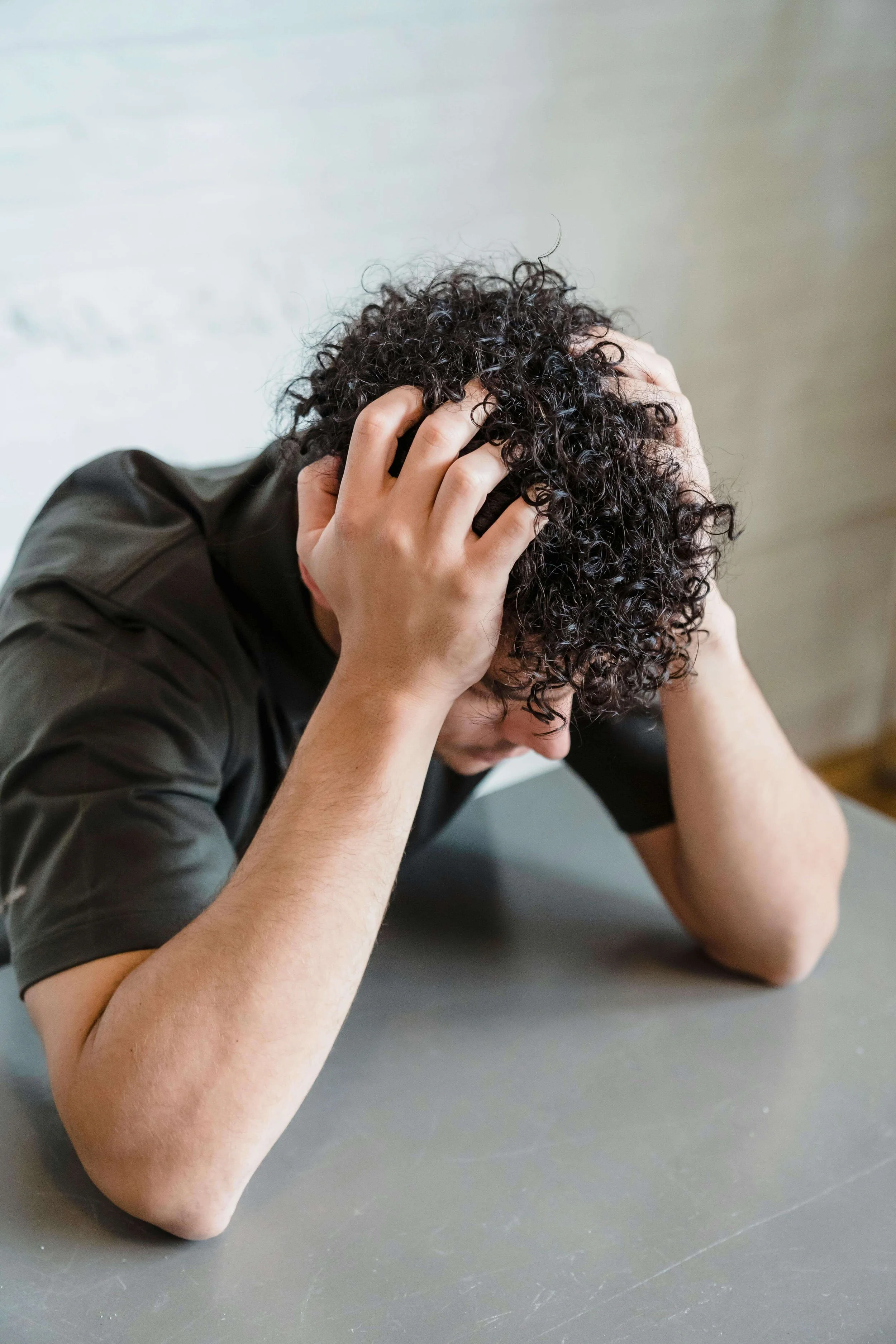
A Psychological Perspective on the Hidden Face of Male Depression
When people think of depression, they often picture visible sadness, frequent crying, social withdrawal, or a clear sense of hopelessness. However, in many men, depression does not present in these familiar ways. Instead, it often hides behind behaviors that appear socially acceptable or even normal, such as anger, irritability, emotional silence, excessive work, substance use, or a persistent sense of numbness. These expressions are frequently overlooked because they do not fit the traditional or clinical stereotype of depression.
Because these signs are subtle or misunderstood, male depression is often missed, minimized, or misdiagnosed—sometimes labeled as stress, personality issues, or anger problems rather than emotional distress. As a result, many men continue to suffer silently, without recognition or support, until the emotional burden becomes overwhelming. Over time, this unaddressed distress may escalate into relationship breakdowns, physical health problems, risky behaviors, or psychological crisis, making early awareness and understanding critically important.
Why Depression Looks Different in Men
From early childhood, many boys are socialized—often subtly and repeatedly—to internalize certain beliefs about emotions and strength. Messages such as “don’t cry,” “be strong,” or “handle it yourself” teach them that emotional vulnerability equals weakness, that sadness should be hidden, and that fear or grief are unacceptable emotions. In contrast, anger is often tolerated or even encouraged, while independence is valued more than emotional expression.
Over time, these beliefs shape how psychological distress is experienced and expressed. Instead of turning inward with visible sadness or openly seeking support, many men learn to externalize pain through irritability or anger, or to shut down emotionally altogether. Emotional suppression can become a coping strategy—one that protects them from judgment but also prevents emotional release and connection.
This does not mean men feel less or experience depression less deeply. Rather, it often means they have been conditioned not to show what they feel, even to themselves. As a result, depression in men may remain hidden—expressed through behavior rather than words—until it reaches a breaking point.
Common Signs of Depression in Men (That Are Often Overlooked)
1. Irritability and Anger
Rather than appearing sad, depression in men often shows up as:
-
Frequent frustration
-
Short temper
-
Aggressive reactions
-
Emotional outbursts over small issues
Anger becomes a socially permitted outlet for deeper feelings like helplessness, shame, or grief.
2. Emotional Numbness
Some men do not feel sad—they feel nothing.
-
Loss of interest in life
-
Feeling disconnected from loved ones
-
Lack of emotional response (even to good news)
-
Sense of emptiness
This numbness is often mistaken for emotional coldness, but psychologically, it is a protective shutdown.
3. Overworking and Constant Busyness
Excessive work can function as emotional avoidance.
-
Working long hours
-
Inability to relax
-
Feeling valuable only when productive
-
Avoiding rest or intimacy
For many men, productivity replaces emotional expression.
4. Risk-Taking or Self-Destructive Behavior
Depression may be expressed through:
-
Reckless driving
-
Gambling
-
Substance use
-
Unsafe sexual behavior
These behaviors are often unconscious attempts to feel something or escape emotional pain.
5. Physical Symptoms Without Clear Medical Cause
Male depression frequently presents through the body:
-
Chronic fatigue
-
Headaches or body pain
-
Sleep disturbances
-
Digestive problems
Because emotional distress is not verbalized, it is somatized.
6. Withdrawal Without Visible Sadness
Men may withdraw silently:
-
Spending more time alone
-
Reduced communication
-
Emotional distance in relationships
-
Loss of interest in social connection
This is often misinterpreted as disinterest rather than distress.
Why Male Depression Is Often Missed
-
-
Emotional distress is often expressed through anger, irritability, or silence rather than sadness
-
Many men lack the language or permission to describe emotional pain
-
Common screening tools focus on stereotypical depressive symptoms
-
Substance use and risk-taking behaviors are treated as separate problems
-
Physical complaints are addressed without exploring emotional causes
-
Cultural norms discourage men from seeking psychological help
-
Fear of appearing weak delays disclosure and treatment
-
Depression is often recognized only after major personal or social consequences.
-
As a result, depression in men is frequently identified late, sometimes only after serious consequences.
The Cost of Ignoring Male Depression
When unrecognized, male depression can lead to:
-
Relationship breakdown
-
Workplace burnout
-
Substance dependence
-
Increased risk of suicide
Globally, men die by suicide at higher rates—not because they are weaker, but because their suffering is less visible and less supported.
Clinical and Counseling Perspective
In therapy, male depression often emerges indirectly:
-
Through anger complaints
-
Relationship conflicts
-
Work stress
-
Physical symptoms
Effective counseling focuses on:
-
Expanding emotional vocabulary
-
Normalizing vulnerability
-
Addressing shame
-
Creating safety for emotional expression
Depression is not removed by “being strong”—it is healed through connection, understanding, and support.
What Healing Can Look Like
Healing does not require dramatic emotional expression. It often begins with:
-
Naming internal experiences
-
Learning that emotions are not failures
-
Reconnecting with the body
-
Building safe emotional relationships
Strength is not the absence of pain—it is the willingness to face it.
Final Thoughts
Depression in men frequently presents without sadness.
It may manifest as anger or emotional withdrawal.
Sometimes it looks like success on the outside and emptiness inside.
Recognizing these hidden signs is not just psychological awareness—it is life-saving.
If you or someone you know fits these patterns, support is not a weakness.
It is a step toward healing.
Frequently Asked Questions (FAQ): Depression in Men That Doesn’t Look Like Sadness
1. Can depression exist without feeling sad?
Yes. Depression can appear as anger, emotional numbness, irritability, exhaustion, or withdrawal rather than visible sadness.
2. Why do men express depression differently than women?
Men are often socialized to suppress vulnerable emotions, leading distress to be expressed through behavior rather than words.
3. Is anger a symptom of depression in men?
Anger and irritability are common but often overlooked signs of depression in men.
4. Can overworking be a sign of depression?
Yes. Excessive work can function as emotional avoidance and a way to escape internal distress.
5. Why do some depressed men feel emotionally numb?
Emotional numbness can develop as a protective response when feelings have been suppressed for a long time.
6. Are substance use and depression connected in men?
Yes. Alcohol or substance use is often used to manage unrecognized or unexpressed depressive symptoms.
7. Can physical symptoms indicate depression in men?
Depression may present as fatigue, sleep problems, headaches, or unexplained body pain.
8. Why is male depression often misdiagnosed?
Symptoms may not fit traditional depression criteria and are often treated as anger, stress, or behavioral problems.
9. Do men seek help less often for depression?
Yes. Social stigma and fear of appearing weak often delay help-seeking.
10. Is male depression linked to higher suicide risk?
Men have higher suicide completion rates, partly due to delayed diagnosis and lack of emotional support.
11. Can relationships be affected by hidden depression?
Yes. Emotional withdrawal, irritability, and disconnection can strain intimate and family relationships.
12. Does talking about emotions make depression worse?
No. Emotional expression and validation are key components of healing.
13. Can therapy help men who don’t feel “sad”?
Yes. Therapy focuses on understanding emotional patterns, behaviors, and underlying distress—not just sadness.
14. Is male depression a sign of weakness?
No. Depression is a mental health condition, not a personal failure.
15. Can male depression be treated successfully?
Yes. With appropriate support, therapy, lifestyle changes, and sometimes medication, recovery is possible.
Written by Baishakhi Das
Counselor | Mental Health Practitioner
B.Sc, M.Sc, PG Diploma in Counseling
Reference Links
-
American Psychological Association (APA) – Men and Depression
https://www.apa.org/monitor/nov01/men -
National Institute of Mental Health (NIMH) – Depression in Men
https://www.nimh.nih.gov/health/publications/men-and-depression -
World Health Organization (WHO) – Mental Health and Gender
https://www.who.int/teams/mental-health-and-substance-use - Type A & Type B Personality Theory