Introduction: When Motherhood Doesn’t Feel the Way You Expected
Motherhood is often portrayed as one of the happiest phases of a woman’s life. Social media, family expectations, movies, and even healthcare narratives frequently emphasize joy, fulfillment, and instant bonding with the baby. Yet for many new mothers, the reality is far more complex—and sometimes deeply distressing.
Feeling emotionally overwhelmed after childbirth is common, but when emotional pain lingers, intensifies, or disrupts daily functioning, it may point to postpartum depression (PPD). Unfortunately, many women ignore or normalize early warning signs, believing their suffering is “just part of motherhood.”
Postpartum depression is not a weakness, a failure, or a lack of maternal love. It is a real psychological condition, influenced by biological, emotional, and social factors. Ignoring its early signs can delay recovery and increase emotional distress for both mother and child.
This article explores the often-overlooked signs of postpartum depression, why they are ignored, and why early recognition matters—for healing, bonding, and long-term mental health.
Understanding Postpartum Depression
What Is Postpartum Depression?
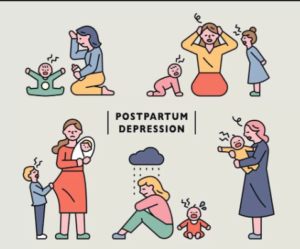
Postpartum depression is a mood disorder that can develop anytime within the first year after childbirth, not just immediately after delivery. It goes beyond temporary mood swings and affects a mother’s emotional, cognitive, behavioral, and physical well-being.
Unlike the “baby blues,” which usually resolve within two weeks, postpartum depression:
-
Lasts longer
-
Feels more intense
-
Interferes with daily life and emotional bonding
How Common Is Postpartum Depression?
Globally, postpartum depression affects 1 in 7 mothers. In India, the numbers may be even higher due to:
-
Limited mental health awareness
-
Cultural pressure to “adjust”
-
Stigma around maternal mental health
-
Lack of postpartum emotional screening
Many cases remain undiagnosed because symptoms are subtle, normalized, or misunderstood.
Why New Mothers Ignore the Signs
Before discussing the signs, it’s important to understand why they are often overlooked:
-
Society expects mothers to be happy and grateful
-
Emotional distress is dismissed as hormonal changes
-
Mothers feel guilty complaining after childbirth
-
Family members normalize suffering as “part of motherhood”
-
Women fear being labeled as a “bad mother”
This culture of silence leads many women to suffer quietly.
Early Signs of Postpartum Depression New Mothers Often Ignore
1. Emotional Numbness Instead of Sadness
Many assume depression always involves crying or visible sadness. In reality, postpartum depression often presents as emotional numbness.
A mother may:
-
Feel disconnected from her baby
-
Experience emptiness rather than sadness
-
Feel emotionally “flat” or robotic
-
Struggle to feel joy or excitement
This numbness is frequently misinterpreted as exhaustion or adjustment, but emotionally shutting down is a key depressive sign.
2. Irritability, Anger, or Sudden Outbursts
Postpartum depression does not always look like withdrawal. For some women, it appears as heightened irritability or anger.
Common experiences include:
-
Snapping at loved ones
-
Feeling constantly annoyed or restless
-
Intense frustration over small issues
-
Anger followed by guilt
Because motherhood is associated with patience and warmth, these reactions often lead to shame rather than help-seeking.
3. Excessive Guilt and Self-Blame
Feeling responsible for everything that goes wrong is another overlooked sign.
A mother may think:
-
“I’m not doing enough.”
-
“My baby deserves a better mother.”
-
“Others manage better than me.”
This persistent self-criticism goes beyond normal self-doubt and becomes a core feature of depression, deeply affecting self-worth.
4. Difficulty Bonding with the Baby
Contrary to popular belief, bonding is not always instant. However, when bonding difficulties are accompanied by distress, avoidance, or fear, it may indicate postpartum depression.
Signs include:
-
Feeling detached from the baby
-
Avoiding caregiving tasks emotionally
-
Fear of being alone with the baby
-
Guilt about not feeling “maternal enough”
These feelings are painful and often hidden due to fear of judgment.
5. Constant Anxiety and Overthinking
Postpartum depression frequently coexists with anxiety. Many mothers overlook anxiety because they assume worrying is part of motherhood.
Warning signs include:
-
Constant fear about the baby’s safety
-
Obsessive checking behaviors
-
Racing thoughts that won’t stop
-
Feeling on edge all the time
When anxiety becomes overwhelming and uncontrollable, it is no longer protective—it is harmful.
6. Sleep Problems Beyond Newborn Care
Sleep deprivation is expected with a newborn. However, postpartum depression-related sleep issues are different.
A mother may:
-
Be unable to sleep even when the baby sleeps
-
Wake up feeling unrested despite adequate sleep
-
Experience insomnia linked to anxiety or rumination
Persistent sleep disturbance worsens mood regulation and emotional resilience.
7. Loss of Interest in Self-Care
Neglecting personal needs is often praised as maternal sacrifice. But in postpartum depression, this neglect is driven by emotional exhaustion rather than choice.
Signs include:
-
No interest in eating properly
-
Avoiding bathing or grooming
-
Losing interest in hobbies or social interaction
-
Feeling undeserving of care
This is not dedication—it is emotional depletion.
8. Feeling Overwhelmed All the Time
Feeling overwhelmed occasionally is normal. Feeling overwhelmed constantly is not.
Postpartum depression may cause:
-
Difficulty making decisions
-
Feeling incapable of managing daily tasks
-
Mental fog or confusion
-
A sense of losing control
These cognitive symptoms are often mistaken for weakness or incompetence.
9. Physical Symptoms Without Clear Medical Cause
Postpartum depression often manifests physically, leading women to seek medical help while emotional distress remains unaddressed.
Common complaints include:
-
Headaches
-
Body aches
-
Digestive issues
-
Chronic fatigue
When medical tests show no clear cause, psychological factors should be considered.
10. Thoughts of Escaping or Disappearing
One of the most ignored and misunderstood signs is passive escape thinking.
A mother may think:
-
“I just want to run away.”
-
“Everyone would be better without me.”
-
“I want everything to stop.”
These thoughts are alarming but common in untreated postpartum depression. They require immediate emotional support.

Postpartum Depression vs Baby Blues
| Feature | Baby Blues | Postpartum Depression |
|---|---|---|
| Onset | 2–3 days after birth | Anytime within 1 year |
| Duration | Up to 2 weeks | Weeks to months |
| Intensity | Mild mood swings | Persistent distress |
| Functioning | Mostly intact | Significantly affected |
| Treatment | Emotional support | Professional intervention |
Ignoring this distinction delays recovery.
Why Early Detection Matters
Untreated postpartum depression can:
-
Affect mother–baby attachment
-
Increase relationship conflict
-
Lead to chronic depression
-
Impact child’s emotional development
Early recognition allows for faster recovery, healthier bonding, and emotional resilience.
Risk Factors That Increase Vulnerability
Some mothers are at higher risk, including those with:
-
History of depression or anxiety
-
Traumatic birth experience
-
Lack of emotional support
-
Relationship stress
-
Childhood emotional neglect
-
High perfectionism
Awareness helps reduce self-blame.
How Postpartum Depression Affects the Baby
A mother’s emotional state shapes early brain development through:
-
Emotional availability
-
Consistent caregiving
-
Secure attachment
When a mother receives support, outcomes improve significantly.
Treatment & Recovery: What Actually Helps
1. Psychological Therapy
-
Cognitive Behavioral Therapy (CBT)
-
Interpersonal Therapy (IPT)
-
Trauma-informed counseling
2. Emotional Support
-
Non-judgmental listening
-
Validation of feelings
-
Practical help with caregiving
3. Medical Support
-
Antidepressants when needed (under medical guidance)
4. Lifestyle & Nervous System Care
-
Rest
-
Nutrition
-
Gentle movement
-
Mindfulness
Recovery is possible and common with the right support.
Breaking the Silence Around Postpartum Mental Health
Postpartum depression thrives in silence. Healing begins with conversation, compassion, and community awareness.
No mother should suffer alone.
When to Seek Help Immediately
Seek urgent support if there are:
-
Thoughts of self-harm
-
Thoughts of harming the baby
-
Severe emotional distress
-
Inability to function
Reaching out is a sign of strength—not failure.
Conclusion: You Are Not Failing—You Are Struggling
Postpartum depression does not mean you are a bad mother. It means you are a human being navigating a profound emotional and biological transition.
The signs are often quiet, normalized, and ignored—but they deserve attention.
With awareness, support, and professional care, healing is not only possible—it is expected.
Motherhood does not require suffering in silence.
Reference
-
World Health Organization (WHO) – Maternal Mental Health
https://www.who.int/teams/mental-health-and-substance-use/promotion-prevention/maternal-mental-health -
American Psychological Association – Postpartum Depression
https://www.apa.org/monitor/2019/02/postpartum-depression -
NHS – Postnatal Depression Overview
https://www.nhs.uk/mental-health/conditions/post-natal-depression/overview/ -
CDC – Depression Among Women After Childbirth
https://www.cdc.gov/reproductivehealth/depression/index.htm -
Postpartum Support International
https://www.postpartum.net/ - Impact of Toxic Parenting on a Child’s Brain Development
- Contact Us