Introduction: Why Mental Toughness Matters Today
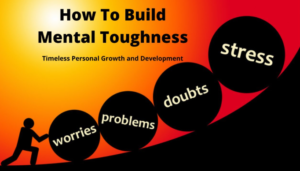
In today’s fast-moving world, companies don’t just look for talent—they look for people who can handle pressure, adapt quickly, stay focused, and bounce back from setbacks. This ability is called mental toughness, and it has become one of the most important predictors of long-term career success.
While degrees, skills, and certifications matter, it is mental resilience that determines whether someone can grow, lead, innovate, and thrive—especially in competitive fields. Mental toughness is not about suppressing emotions or “being strong all the time.” It is the combination of:
-
Emotional stability
-
Discipline
-
Adaptability
-
Confidence
-
Stress tolerance
-
Problem-solving mindset
This article explores how mental toughness can be developed step by step, backed by psychology, neuroscience, and real-life examples.
What Is Mental Toughness?
Mental toughness is the capacity to remain focused, confident, and resilient under stress. According to the Clough & Strycharczyk 4Cs Model, mental toughness includes:
1. Control
Your ability to regulate emotions and stay composed under pressure.
2. Commitment
Your consistency, discipline, and capacity to stay on track.
3. Challenge
Your ability to view obstacles as opportunities to grow.
4. Confidence
Believing in your skills and judgment, even when others doubt you.
Together, these create the foundation for career resilience.
Why Mental Toughness Is Essential for Career Growth
1. Helps You Handle Pressure
Work deadlines, performance evaluations, and high expectations can cause emotional overwhelm. Mental toughness makes you calm and strategic instead of reactive.
2. Improves Decision-Making
A resilient mind avoids panic-based decisions and evaluates problems rationally.
3. Strengthens Leadership Skills
All great leaders—from CEOs to managers—excel because they can remain stable in uncertainty.
4. Helps You Learn Faster
You bounce back from mistakes instead of staying stuck in insecurity.
5. Enhances Productivity
Tough-minded professionals are consistent. They don’t fall apart after a setback.
6. Increases Career Opportunities
Organizations trust people who can handle pressure, manage conflicts, and remain composed.
7. Protects Mental Health
Mental toughness doesn’t eliminate stress—it helps you manage it better.
Psychology Behind Mental Toughness
1. Growth Mindset (Carol Dweck)
People with a growth mindset believe skills can be developed. They embrace challenges instead of fearing failure.
2. Cognitive Behavioral Theory
Your thoughts create your emotions. Changing negative thought patterns increases resilience.
3. Neuroplasticity
The brain can rewire itself with practice. Resilience can be trained like a muscle.
4. Stress Inoculation Theory
Exposure to manageable stress levels builds tolerance, like a “mental gym.”
5. Emotional Regulation Theory
Those who regulate emotions—rather than suppress them—perform better and recover faster from setbacks.
12 Signs You Need to Build Mental Toughness
-
You get stressed quickly
-
You fear criticism
-
You avoid difficult tasks
-
You overthink decisions
-
You take setbacks personally
-
You procrastinate
-
You feel angry or anxious during pressure
-
You struggle with discipline
-
You give up when things get challenging
-
You rely on external motivation
-
You get drained by conflicts
-
You feel overwhelmed by responsibility
If you relate to even 5–6 points, building mental toughness will dramatically improve your career.

How to Build Mental Toughness for Career Growth (Step-by-Step)
Master Your Mindset
1. Shift from Fixed to Growth Mindset
A fixed mindset says:
“I’m either good or bad at something.”
A growth mindset says:
“I can improve with practice.”
How to develop this mindset:
-
Replace “I can’t do this” with “I can learn this.”
-
Celebrate effort, not talent.
-
Treat failures as experiments.
2. Challenge Negative Thoughts
Ask yourself:
“Is this fear real or imagined?”
“What evidence do I have?”
“What is a healthier alternative thought?”
This reduces anxiety and increases confidence.
3. Use Mental Contrasting (WOOP Method)
-
Wish: What you want
-
Outcome: Why it matters
-
Obstacle: What may block you
-
Plan: How you’ll overcome
This builds commitment and consistency.
Strengthen Emotional Regulation
1. Practice the 10-Second Pause
Instead of reacting impulsively:
-
Pause
-
Breathe
-
Respond intentionally
This prevents emotional hijacking.
2. Learn to Label Your Emotions
Psychology calls this affect labeling, which reduces emotional intensity.
Try saying:
-
“I’m feeling stressed.”
-
“I’m feeling disappointed.”
-
“I’m overwhelmed.”
Naming emotions reduces their power.
3. Develop Stress Management Habits
Daily habits for calmness:
-
Mindful breathing
-
Yoga
-
Journaling
-
Nature walks
-
10-minute meditation
These regulate your nervous system and build resilience.
Build Discipline and Consistency
1. Follow the 2-Minute Rule
If something takes 2 minutes or less—do it immediately.
This reduces procrastination.
2. Create a Daily Non-Negotiable Routine
Examples:
-
Reading 10 pages
-
Writing 3 tasks for the day
-
20-minute exercise
-
Skill practice
Consistency builds mental toughness.
3. Use the “3 Task Rule”
Instead of long to-do lists, complete the top 3 priorities.
Quality > quantity.
Build Stress Tolerance Through Gradual Challenges
1. Exposure to Small Stressors
Like:
-
Handling a difficult email
-
Speaking up in a meeting
-
Learning a new software
-
Taking responsibility on projects
Small wins build bigger courage.
2. Micro-Stress Practice
Set challenges:
-
Cold showers
-
20-minute focus sessions
-
Waking up early
-
Completing hard tasks first
These train the brain to handle discomfort.

Build Confidence
1. Track Your Wins
Create a “success journal.”
Write daily:
-
What you achieved
-
What you learned
-
How you handled difficulties
This builds self-belief.
2. Improve Body Language
Confident posture signals strength to the brain itself.
3. Develop Competence
Confidence = competence + practice.
Upskill in:
-
Communication
-
Decision-making
-
Leadership
-
Project efficiency
-
Technology
Each skill strengthens workplace resilience.
Build Mental Agility
1. Learn to Pivot Quickly
Adapt when:
-
Deadlines change
-
Colleague behaviour shifts
-
New responsibilities come
Flexibility is the foundation of mental toughness.
2. Practice “Cognitive Flexibility”
Try:
-
Learning a new skill
-
Solving puzzles
-
Changing routines
-
Thinking from another person’s perspective
This builds mental sharpness.
Build Professional Independence
1. Rely Less on External Validation
Stop needing constant approval.
Trust your skills and judgment.
2. Learn Decision-Making
Use the 70% Rule:
If you have 70% information, decide.
Waiting for perfection causes paralysis.
3. Set Boundaries
Examples:
-
No work after 8 PM
-
No saying yes to everything
-
No burnout-inducing workload
Strong boundaries = strong mind.
Mental Toughness and Leadership
Leaders need the ability to:
-
Stay calm in crisis
-
Make difficult decisions
-
Solve conflicts
-
Motivate teams
-
Handle criticism
-
Manage unpredictable environments
Mental toughness is a primary trait of high-performing leaders like CEOs, managers, entrepreneurs, and innovators.
Career Situations Where Mental Toughness Helps Most
1. Job Interviews
You become more confident and articulate.
2. Workplace Conflicts
You learn to respond calmly, not react emotionally.
3. High-Pressure Projects
Resilience prevents burnout.
4. Leadership Roles
You handle responsibility without breaking down.
5. Skill Development
You stay consistent despite challenges.
6. Career Transitions
You adapt easily to new environments.
7. Entrepreneurship
You handle uncertainty without anxiety.
How to Stay Tough When Work Gets Hard
1. Avoid Catastrophizing
Replace:
“This project will fail.”
with
“I need a better strategy.”
2. Reframe Problems
Ask:
“What is this trying to teach me?”
3. Don’t Personalize Criticism
Focus on feedback, not ego.
4. Practice Patience
Long-term careers require long-term resilience.
5. Avoid Reacting Emotionally
Learn to think before responding.
Mental Toughness Mistakes to Avoid
-
Suppressing emotions instead of regulating them
-
Becoming cold or insensitive
-
Overworking to “prove toughness”
-
Being stubborn instead of adaptable
-
Avoiding help
-
Ignoring burnout
-
Seeking perfection
True mental toughness is balanced, not extreme.
Daily Routine to Build Mental Toughness
Here is a practical routine:
Morning
-
10-minute meditation
-
Affirmations
-
20-minute workout
-
Review goals
-
Check important tasks
Workday
-
3-task focus
-
10-minute deep breathing
-
Take micro-breaks
-
Practice confident communication
Evening
-
Reflection journal
-
Gratitude list
-
Light reading
-
Relaxation activity
This builds emotional stability and career resilience over time.
Scientific Habits That Strengthen Mental Toughness
-
Sleep hygiene
-
Positive visualization
-
Cold exposure
-
Dopamine detox
-
Mindful self-talk
-
Delayed gratification
-
Consistency rituals
These are proven by neuroscience to enhance emotional control.
Conclusion: Mental Toughness Is a Skill You Can Build
Mental toughness is not inborn—it is trained.
Every skill you practice, every challenge you embrace, every fear you face makes you stronger.
With mental toughness, you can:
-
Grow your career
-
Lead confidently
-
Handle stress wisely
-
Make better decisions
-
Bounce back stronger
In a competitive world, those who stay emotionally stable, adaptable, and disciplined rise the fastest.
Your career success is not just about talent—it’s about the strength of your mind.
Reference
-
American Psychological Association (APA) – Stress & resilience research
https://www.apa.org -
Harvard Business Review – Career performance, leadership, and resilience
https://hbr.org -
Harvard Health – Emotional regulation & stress science
https://www.health.harvard.edu -
Mind Tools – Workplace resilience & productivity
https://www.mindtools.com - Soft Launch vs Hard Launch Relationships: The Psychology Behind It
- Contact us