Postpartum Depression Without Crying: Emotional Numbness Explained

Introduction: When Depression Doesn’t Look Like Sadness

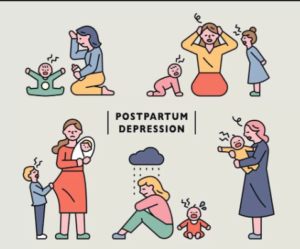
When people think of postpartum depression, they often imagine a new mother crying endlessly, overwhelmed with sadness and despair. But what if there are no tears? What if instead of sadness, there is nothing—no joy, no sorrow, no emotional response at all?

Many women experiencing postpartum depression do not cry. They feel emotionally numb, disconnected, empty, or “flat.” This version of depression is often misunderstood, misdiagnosed, or dismissed—both by others and by the mothers themselves.

Emotional numbness after childbirth can be just as serious as visible sadness. It quietly affects bonding, self-identity, relationships, and mental health, often without drawing attention or support.

This article explores postpartum depression without crying—why emotional numbness happens, how it feels, how it differs from typical sadness, and what healing looks like.

What Is Emotional Numbness?

Emotional numbness is a state in which a person feels disconnected from their emotions. Instead of feeling sadness, happiness, excitement, or love, there is a sense of emptiness or emotional “shutdown.”

A mother experiencing emotional numbness may say:

  • “I feel nothing, even when I should feel happy.”

  • “I’m functioning, but I’m not feeling.”

  • “I love my baby, but I don’t feel connected.”

  • “I’m not sad—I’m just blank.”

This emotional flatness is not a lack of love or care. It is a psychological response, often linked to depression, trauma, chronic stress, or nervous system overload.

Postpartum Depression Is Not One-Size-Fits-All

Postpartum depression exists on a spectrum. While some mothers experience intense sadness, others experience anxiety, anger, intrusive thoughts—or emotional numbness.

Depression without crying often includes:

  • Emotional detachment

  • Loss of pleasure (anhedonia)

  • Feeling robotic or on autopilot

  • Lack of emotional reaction to events

  • Difficulty bonding with the baby

  • Low motivation without visible sadness

Because these symptoms do not match the “classic” image of depression, many women do not realize they are depressed.

Why Crying Is Not Always Present in Depression

Crying is one way the nervous system releases emotional distress—but it is not the only way. In some cases, the system becomes overwhelmed and shuts emotions down instead.

Several factors explain why postpartum depression may appear without tears:

1. Emotional Shutdown as a Survival Response

After childbirth, a woman’s body and mind experience intense changes—hormonal shifts, sleep deprivation, pain, responsibility, and identity transformation.

When emotional pain feels too much to process, the brain may choose numbness as protection. This is not weakness; it is survival.

2. Chronic Stress and Nervous System Exhaustion

Persistent stress activates the fight-or-flight response. Over time, the system can collapse into a freeze or shutdown state, where emotions become muted.

This is common when:

  • Sleep deprivation is severe

  • Support is lacking

  • Expectations are overwhelming

  • The mother feels she must “hold it together”

3. Suppressed Emotions and Social Conditioning

Many women are taught to be strong, responsible, and self-sacrificing—especially after becoming mothers.

Thoughts like:

  • “I shouldn’t complain”

  • “Other mothers handle this”

  • “I should be grateful”

…can lead to emotional suppression. Over time, suppressed emotions don’t disappear—they go numb.

Emotional Numbness vs Baby Blues

Baby blues typically involve:

  • Tearfulness

  • Mood swings

  • Emotional sensitivity

  • Symptoms resolving within two weeks

Emotional numbness linked to postpartum depression:

  • Lasts weeks or months

  • Feels flat rather than sad

  • Does not improve on its own

  • Interferes with bonding and identity

Because numbness is quieter than crying, it often goes unnoticed.

How Emotional Numbness Feels in Daily Life

A mother experiencing postpartum emotional numbness may:

  • Care for the baby efficiently but feel disconnected

  • Go through daily routines on autopilot

  • Feel indifferent toward things she once enjoyed

  • Struggle to feel love, excitement, or pride

  • Feel guilty for not feeling “happy enough”

  • Experience internal emptiness that is hard to describe

Outwardly, she may appear calm, capable, and functional—making it even harder for others to recognize her pain.

Impact on Mother–Baby Bonding

One of the most painful aspects of emotional numbness is its effect on bonding.

Many mothers fear:

  • “Something is wrong with me”

  • “I’m a bad mother”

  • “I don’t feel the connection everyone talks about”

Bonding is not always instant. Emotional numbness does not mean attachment will not form. It means the mother’s emotional system is currently overwhelmed.

With support and treatment, emotional connection can grow naturally over time.

Guilt, Shame, and Silent Suffering

Emotional numbness often brings intense guilt:

  • Guilt for not feeling joyful

  • Guilt for wanting space

  • Guilt for feeling disconnected

Because society idealizes motherhood as blissful, mothers with numbness often suffer silently, believing their experience is abnormal or unacceptable.

This shame prevents help-seeking and deepens isolation.

Who Is More Likely to Experience Postpartum Emotional Numbness?

Certain factors increase vulnerability:

  • History of depression, anxiety, or trauma

  • Emotional suppression coping style

  • High responsibility and perfectionism

  • Limited emotional support

  • Difficult childbirth experiences

  • Unplanned or complicated pregnancies

  • Sleep deprivation and burnout

Emotional numbness is especially common in mothers who are “high-functioning” and used to being strong for others.

Emotional Numbness vs Detachment

It’s important to distinguish emotional numbness from intentional emotional distancing.

Numbness is involuntary. The mother wants to feel but cannot.
Detachment is often a coping strategy or protective withdrawal.

In postpartum depression, numbness is not a choice—it is a symptom.

How Emotional Numbness Affects Identity

Motherhood brings a profound identity shift. When emotional numbness is present, women may feel:

  • Lost or unfamiliar with themselves

  • Disconnected from their old identity

  • Uncertain about who they are now

  • Emotionally “smaller” or muted

This identity confusion can be deeply distressing, especially for women who were emotionally expressive before childbirth.

Partners and Family Often Miss the Signs

Because emotional numbness lacks visible distress, partners may think:

  • “She’s handling it well”

  • “She seems calm”

  • “She’s not depressed—she’s just tired”

This misunderstanding can lead to emotional neglect, increasing the mother’s sense of isolation.

When Emotional Numbness Becomes Dangerous

While numbness may feel less alarming than sadness, it can still be serious.

Warning signs that require professional help include:

  • Persistent numbness lasting weeks or months

  • Feeling disconnected from reality

  • Loss of interest in the baby or life

  • Thoughts of disappearing or not existing

  • Feeling emotionally dead or hollow

  • Functioning without meaning or presence

Emotional numbness can coexist with suicidal thoughts—even without tears.

Healing Emotional Numbness in Postpartum Depression

Recovery is possible. Emotional numbness is not permanent.

1. Professional Mental Health Support

Therapy provides a safe space to reconnect with emotions gradually. Approaches often focus on:

  • Emotional awareness

  • Nervous system regulation

  • Processing suppressed feelings

  • Identity adjustment

Medication may also be helpful when numbness is part of clinical depression.

2. Normalizing the Experience

Understanding that numbness is a common response to overwhelm reduces shame. When mothers stop judging themselves, emotional access slowly returns.

3. Gentle Reconnection With the Body

Emotions live in the body. Gentle practices help restore emotional flow:

  • Mindful breathing

  • Stretching or walking

  • Warm showers

  • Body-based grounding exercises

No pressure to “feel better”—just to feel safe.

4. Rest and Reduced Expectations

Emotional recovery requires rest. Reducing pressure to be perfect allows the nervous system to come out of survival mode.

5. Safe Emotional Expression

Talking without being fixed or judged helps emotions resurface naturally. Writing, therapy, or trusted conversations are powerful tools.

What Loved Ones Can Do

Partners and family can help by:

  • Listening without trying to solve

  • Validating numbness as real distress

  • Encouraging professional help

  • Sharing caregiving responsibilities

  • Avoiding guilt-inducing comments

Presence matters more than advice.

You Are Not a Bad Mother

Emotional numbness does not mean:

  • You don’t love your baby

  • You are incapable of bonding

  • You are broken

  • You have failed as a mother

It means your system is overwhelmed and asking for care.

When to Seek Immediate Help

Seek urgent support if:

  • You feel disconnected from reality

  • You have thoughts of harming yourself

  • You feel emotionally dead or hopeless

  • Daily functioning becomes impossible

Help is not a weakness—it is protection.

Conclusion: Depression Doesn’t Always Cry

Postpartum depression does not always scream or sob. Sometimes it whispers through numbness, silence, and emotional absence.

If you are not crying but feel empty, disconnected, or flat—you are not fine, and you are not alone.

Healing begins with recognition, compassion, and support. Emotions can return. Connection can grow. And motherhood does not require constant joy to be real or meaningful.

You deserve care—even when your pain is quiet.

Reference

Instagram Motherhood vs Reality: How Social Media Triggers Postpartum Depression

Introduction  
New mothers scroll through their feeds between late-night feeds and diaper changes, seeing flawless nursery shots, posed breastfeeding photos, perfectly dressed babies and glowing “bounce-back” bodies. For many, those images are comforting — a shared culture of parenting and support. For others, they’re pressure-cookers of comparison, secrecy and shame. Increasing research shows that idealized depictions of “motherhood” on platforms like Instagram can heighten envy, anxiety, body dissatisfaction, and feelings of inadequacy — and for some mothers that contributes to or worsens postpartum depression (PPD).

What is postpartum depression (PPD)? A quick primer

Postpartum depression — often used interchangeably with perinatal depression for the whole pregnancy-to-one-year window — is a mood disorder that can begin during pregnancy or after childbirth. Symptoms include persistent sadness, loss of pleasure, anxiety, sleep and appetite changes, feelings of worthlessness or guilt, and difficulty bonding with the baby. Unlike the transient “baby blues,” PPD is more intense, longer-lasting and clinically significant; estimates put global prevalence in the rough range of 10–20% of postpartum people, though numbers vary by setting and screening method.

Why this matters: PPD affects parental functioning, infant attachment and long-term child developmental outcomes if untreated. Early recognition, social support and evidence-based treatment (psychotherapy, medication when indicated, community supports) are crucial.

Why social media — especially Instagram — is relevant to new mothers

Instagram’s design emphasizes carefully curated visuals: single, scrollable image and short-video formats that reward highly polished, emotionally salient content. For parenting content this often looks like: staged photos of tidy homes, smiles, happy infants, sponsored “mommy must-haves,” and highlight-reel videos of “normal” days that are actually edited snippets. This constant stream of idealized snapshots promotes social comparison — the psychological process of evaluating oneself against others — which is linked to lower self-esteem and greater depressive symptoms in multiple populations.

Key mechanisms that make Instagram especially powerful:

  • Visual comparison: Photos and Reels highlight aesthetics (body, nursery, lifestyle) that are easy to compare.

  • Selective presentation: People share highlights, not the messy middle. “Perfect” moments are amplified, while fatigue, night-feeds, financial strain and emotional struggles are often hidden.

  • Engagement feedback loop: Likes, comments and follower counts provide external validation that some mothers may internalize as measures of parenting success.

  • Momfluencer economy: Influencers monetize aspirational motherhood, normalizing product-based solutions and curated identities.

What the research says — evidence that Instagram-style content can harm maternal well-being

A growing body of empirical studies specifically links exposure to idealized portrayals of motherhood on Instagram with negative outcomes for new mothers:

  • Idealized portrayals → envy and anxiety. Experimental and survey research has shown that viewing “picture-perfect” motherhood posts increases state anxiety and feelings of envy in postpartum women, and reduces parenting confidence in those with high social comparison tendencies.

  • Comparison + perfectionism = higher risk. Mothers with perfectionistic self-standards or strong tendencies to compare themselves to others are more likely to experience depressive symptoms after social media use. Social media intensifies perfectionism’s harms by offering endless standards to match.

  • Body image & pregnancy/postpartum. Studies link social media use to body dissatisfaction among pregnant and postpartum women — a known correlate and potential risk factor for depressive symptoms.

  • Use intensity and mental health. Broader research on social networking site intensity (time, emotional investment) shows associations with depressive symptoms across populations — suggesting that heavy, emotionally invested use during the postpartum period can be risky.

Taken together, the pattern is consistent: exposure to idealized motherhood, frequent upward social comparison, and heavy social media engagement are plausibly involved in creating emotional pressure that can contribute to PPD for vulnerable mothers. While social media is not the sole cause of PPD (biological, socioeconomic, and prior mental health factors matter), it can act as an environmental stressor or exacerbating factor.

Two illustrative pathways from Instagram to postpartum distress

  1. Social comparison → shame → withdrawal:
    A new mother sees a curated post of a breastfeeding mom in a bright kitchen whose baby is “always on schedule,” accompanied by glowing captions. The viewer compares herself (messy house, inconsolable baby, exhaustion), feels shame and incompetence, hides struggles offline, avoids asking for help, and becomes isolated — a classic pathway into depression.

  2. Perfectionism + influencer pressure → unhealthy coping:
    A perfectionist mother consumes “postpartum fitness” Reels that promote quick body “recovery” products. She feels pressured to “fix” her body quickly, develops body dissatisfaction, experiences persistent negative rumination and worthlessness, and avoids eating or rests less — intensifying depressive and anxiety symptoms.

These are examples, not deterministic rules; many mothers use social media adaptively. But the pathways illustrate how content + personal vulnerabilities + lack of support can interact.

Who’s most vulnerable? Risk and protective factors

Higher risk of social media–triggered PPD if a mother has:

  • Prior depression, anxiety or trauma history.

  • High trait social comparison, perfectionism or low self-esteem.

  • Limited social support or high isolation (single parent, distant family).

  • Heavy, emotionally reactive use of Instagram (consuming and measuring self-worth by engagement).

  • Financial stressors, sleep deprivation, or physical health problems — any stressor that reduces buffering capacity for negative comparison.

Protective factors include: accurate information and screening from health services, strong family/community support, therapist access, digital literacy and a social media diet that includes supportive, real-life-focused content.

Signs that social media may be harming a new mother

If you or someone you care for shows some of these patterns after heavy Instagram use, it’s worth paying attention:

  • Frequent feelings of envy or inferiority after scrolling.

  • Persistent mood dip tied to checking feeds.

  • Avoidance of social contact or hiding struggles because of “not measuring up.”

  • Body dissatisfaction or disordered eating thoughts triggered by postpartum fitness content.

  • Increased anxiety about parenting decisions after seeing others’ posts.

  • Decreased sleep because of late-night scrolling and rumination.

  • Reduced self-care or increased self-blame despite objective caregiving efforts.

If these signs accompany sustained low mood, loss of interest, suicidal thoughts or inability to function, seek professional help immediately.

Practical recommendations — for mothers, partners, clinicians, and creators

For new mothers (practical, trauma-informed self-care)

  1. Audit your feed. Unfollow accounts that trigger shame or comparison. Follow accounts that show realistic parenting, evidence-based information, and community support.

  2. Limit passive scrolling; prioritize active connection. Use Instagram purposefully (to connect with close friends or support groups) rather than as habit. Set app limits or schedule “social media-free” hours, especially before bedtime.

  3. Replace comparison with curiosity. When you notice a comparison thought, try to reframe: “That’s one snapshot” → “What challenges might be behind this post?”

  4. Share the messy truth selectively. Vulnerable posts that seek real support (versus perfection) can draw authentic connection and reduce isolation.

  5. Sleep-first approach. Prioritize sleep, ask for help, and reduce late-night scrolling. Sleep deprivation magnifies negative thinking and emotional reactivity.

  6. Seek screening and help. If you feel persistently low for more than two weeks or have suicidal thoughts, contact your health provider, maternal mental health services, or emergency services.

For partners, family and friends

  • Ask, listen and validate rather than minimizing. (“It’s normal” can sound dismissive; instead: “I hear you — this must be exhausting.”)

  • Offer practical help (night feeds, meals, chores) which directly reduces stressors that amplify social media comparison.

  • Encourage screening and professional care if mood or functioning is impaired.

For clinicians / public health professionals

  • Screen routinely for perinatal mood disorders and ask about social media use patterns, not only hours but qualitative effects (comparison, envy, social feedback).

  • Psychoeducation: teach expectant/new parents about the curated nature of social media and strategies to reduce harm (feed curation, scheduled use).

  • Digital interventions: consider referral to evidence-based digital health supports or moderated peer groups shown to reduce isolation. Some digital interventions show promise in the first postpartum year.

For content creators and influencers

  • Be transparent: show both highs and lows; discuss postpartum struggles, not only products. This reduces unrealistic expectations and models help-seeking.

  • Label sponsored content and avoid promoting “quick fixes” for complex postpartum issues like mood and body image.

How to design healthier social media habits (a short action plan)

  1. One-week challenge: track times and feelings before and after Instagram use. Note which accounts trigger negative feelings.

  2. Clear the feed: unfollow 5 accounts that trigger guilt/shame; follow 5 supportive, evidence-based or realistic parents.

  3. Schedule app-free windows: e.g., first hour after waking, last hour before sleep.

  4. Use engagement tools: mute notifications, set screen-time limits, or use apps that block social media at night.

  5. Practice a brief in-the-moment grounding tool: inhale 4, hold 4, exhale 6 — five breaths when you feel comparison spike. That reduces emotional reactivity.

These are small steps that reduce exposure and increase regulation capacity — both protective against depressive spirals.

Addressing common questions & myths

“If I avoid Instagram, I’ll miss parenting tips and community.”
You won’t have to give it up entirely. Curate your feed to include trusted professionals, peer support groups, and local parenting networks. Many supportive groups exist that normalize messy, real-time parenting rather than glamorized portrayals.

“Is social media the cause of my PPD?”
Typically no — PPD is multifactorial (biological, psychosocial, hormonal, environmental). But social media can be an important environmental stressor or amplifier for existing vulnerabilities. Clinicians will consider social media use as part of a comprehensive assessment.

“Are influencers always harmful?”
No. Some creators offer peer support, practical tips, and destigmatize mental health by sharing struggles. The harm arises when content is relentlessly idealized, monetized, and lacks transparency about limitations or support behind the scenes.

Policy implications and platform responsibilities

Given evidence that idealized portrayals can harm vulnerable users, platforms and policymakers can consider:

  • Algorithmic transparency and reduced amplification of content flagged as unrealistic or harmful in sensitive categories (parenting, body image).

  • Promoting supportive content: boost educational, recovery- and help-oriented posts from health organizations.

  • In-platform screening nudges: when users search for postpartum help, nudge them to evidence-based resources and crisis lines.

  • Creator guidelines: encourage creators to add “real life” context to posts and avoid presenting products as mental-health solutions.

Platforms have technical and ethical levers; thoughtful regulation and industry standards could reduce harms without stifling community.

Where to get help (resources)

If you’re worried about postpartum depression for yourself or someone else:

  • Primary care / obstetric provider: ask for screening and referral.

  • Perinatal mental health services / therapists trained in CBT, IPT or other perinatal therapies.

  • Local hotlines and crisis services — in emergencies, contact local emergency services.

  • Peer support groups (both offline and moderated online spaces that are evidence-informed).

  • Trusted information sources: WHO maternal mental health pages, UNICEF parenting resources, national maternal mental health organizations.

Quick summary — the takeaways

  • Postpartum depression is common, serious and treatable; social media is one of multiple environmental factors that can increase risk.

  • Instagram’s visual, curated design makes it an especially potent platform for social comparison, which research links to anxiety, envy and lower parenting confidence. a

  • Vulnerability is highest among parents with prior mental-health histories, limited support, high perfectionism and heavy social-media use intensity.

  • Practical steps — feed curation, scheduled use, sleep prioritization, safe disclosure, and professional screening — reduce harm and improve outcomes.

Suggested internal & external links (if you want to publish this on a site)

External (evidence & help):

  • WHO — Perinatal/Maternal mental health page. (World Health Organization)

  • StatPearls/NCBI on perinatal depression (clinical overview). (NCBI)

  • Recent reviews of digital health interventions for postpartum mental health. (PubMed Central)

  • Peer-reviewed study on Instagram motherhood portrayals (Kirkpatrick et al.).

Internal (ideas you can create on your blog / channel):

  • “How to audit your Instagram for mental wellness” — actionable checklist post.

  • “Real postpartum stories: not-curated interviews” — video series to normalize messy parenting.

  • “Where to find evidence-based postpartum help in [your city/region]” — a resource page.

Closing note — compassion first

Social media is not all bad: it can connect isolated parents, spread vital information, and create community. But the same tools can promoting unrealistic standards when left uncurated. For caregivers, partners and mental health professionals, the best approach is humane: listen, validate, screen for depression, and help mothers build both offline and online environments that support realistic, kind and evidence-based parenting. If you’re a new mother reading this: your struggles are real, you are not alone, and help — professional and human — is available.

Reference

Can Fathers Also Get Postpartum Depression? The Silent Struggle No One Talks About

Introduction: When Fatherhood Doesn’t Feel the Way It’s Supposed To

When a baby is born, the spotlight naturally falls on the mother—and rightfully so. Pregnancy, childbirth, and postpartum recovery bring immense physical and emotional changes. However, there is another story unfolding quietly in many homes, one that is rarely acknowledged:

Fathers can also experience postpartum depression.

For many men, fatherhood is expected to be a time of pride, strength, and responsibility. Society assumes fathers should be supportive, stable, and emotionally unaffected. As a result, when fathers struggle emotionally after the birth of a child, their pain often goes unnoticed, unspoken, and untreated.

Paternal postpartum depression is real, common, and deeply underdiagnosed.

This article explores whether fathers can get postpartum depression, how it shows up differently from maternal depression, why it is often ignored, how it affects families, and what support and recovery actually look like.

Understanding Postpartum Depression Beyond Mothers

What Is Postpartum Depression?

Postpartum depression (PPD) is a mood disorder that occurs after the birth of a child. While it is most commonly associated with mothers, research now clearly shows that fathers can also develop depression during the postpartum period, typically within the first year after childbirth.

In fathers, this condition is often referred to as:

  • Paternal Postpartum Depression

  • Paternal Perinatal Depression

Despite growing evidence, it remains widely misunderstood and rarely screened.

How Common Is Postpartum Depression in Fathers?

Studies suggest that:

  • 8–10% of fathers experience postpartum depression

  • Rates rise to 25–50% when the mother also has postpartum depression

  • Symptoms often peak 3–6 months after childbirth, not immediately

Because men are less likely to seek help, the actual numbers may be significantly higher.

Why Is Paternal Postpartum Depression Overlooked?

Paternal depression is often missed due to:

  • The belief that postpartum mental health is only a “women’s issue”

  • Cultural expectations that men should be emotionally strong

  • Lack of routine mental health screening for fathers

  • Men expressing depression differently than women

  • Fathers prioritizing family needs over their own mental health

As a result, many fathers suffer silently.

Can Men Really Get Postpartum Depression Without Giving Birth?

Yes. While fathers do not experience pregnancy or childbirth, they undergo significant psychological, hormonal, relational, and lifestyle changes after a baby is born.

Postpartum depression is not caused by delivery alone—it is influenced by:

  • Stress

  • Sleep deprivation

  • Identity changes

  • Relationship shifts

  • Emotional pressure

  • Hormonal changes (yes, even in men)

Biological Factors: Hormonal Changes in Fathers

Surprisingly, research shows that new fathers experience hormonal shifts after childbirth.

Hormonal Changes May Include:

  • Decreased testosterone

  • Changes in cortisol (stress hormone)

  • Fluctuations in prolactin and oxytocin

Lower testosterone has been linked to:

  • Low mood

  • Fatigue

  • Irritability

  • Reduced motivation

These biological changes can increase vulnerability to depression, especially when combined with stress and sleep deprivation.

Psychological Factors Contributing to Paternal Depression

1. Sudden Identity Shift

Becoming a father is a major identity transition.

Many men struggle with:

  • Loss of personal freedom

  • Increased responsibility

  • Pressure to “provide”

  • Feeling unprepared or inadequate

When these identity shifts happen rapidly and without emotional processing, depression can develop.

2. Emotional Suppression and Masculinity Norms

From a young age, many men are taught:

  • Don’t cry

  • Don’t complain

  • Be strong

  • Handle problems alone

After childbirth, this conditioning often leads fathers to suppress emotions, which increases the risk of depression.

3. Feeling Emotionally Disconnected

Some fathers struggle to bond immediately with the baby. Unlike mothers, they do not experience pregnancy-related attachment, which can lead to:

  • Feeling left out

  • Feeling unnecessary

  • Guilt about lack of bonding

This emotional distance can trigger shame and depressive thoughts.

Social and Environmental Stressors

1. Financial Pressure

After childbirth, financial stress often increases:

  • Medical expenses

  • Increased household costs

  • Fear of job instability

  • Pressure to be the primary provider

Chronic financial stress is a strong predictor of depression in fathers.

2. Relationship Changes

The couple’s relationship often changes dramatically after childbirth:

  • Reduced intimacy

  • Less emotional availability

  • Increased conflict

  • Shift in priorities

Fathers may feel emotionally neglected but hesitate to express it, leading to withdrawal and depression.

3. Sleep Deprivation

Sleep loss affects mood regulation, concentration, and emotional resilience.

Chronic sleep deprivation can:

  • Increase irritability

  • Lower stress tolerance

  • Trigger depressive symptoms

For many fathers, exhaustion becomes normalized and ignored.

How Paternal Postpartum Depression Looks Different

Unlike mothers, fathers often show externalized symptoms rather than sadness.

Common Signs in Fathers Include:

  • Irritability or anger

  • Emotional withdrawal

  • Increased work hours

  • Substance use (alcohol, smoking)

  • Risk-taking behavior

  • Loss of interest in family activities

  • Feeling numb or disconnected

  • Headaches or unexplained physical complaints

Because these symptoms do not resemble “classic depression,” they are often misunderstood.

Silent Symptoms Fathers Often Ignore

Many fathers minimize their struggles, telling themselves:

  • “Others have it harder.”

  • “I need to be strong.”

  • “This will pass.”

Silent symptoms may include:

  • Chronic exhaustion

  • Emotional emptiness

  • Feeling trapped

  • Guilt about not enjoying fatherhood

  • Thoughts of escape

These signs deserve attention, not dismissal.

How Paternal Depression Affects the Family

Impact on the Partner

When fathers are depressed:

  • Emotional support to the mother decreases

  • Relationship tension increases

  • Maternal postpartum depression may worsen

Mental health is interconnected within families.

Impact on the Child

Research shows paternal depression can affect:

  • Emotional bonding

  • Child’s emotional regulation

  • Behavioral development later in life

This does not mean fathers harm their children—it means support is essential.

Why Fathers Rarely Seek Help

Fathers often avoid help due to:

  • Stigma

  • Fear of appearing weak

  • Lack of awareness

  • No screening during postnatal visits

  • Belief that their role is secondary

Many only seek help when symptoms become severe.

How Long Does Paternal Postpartum Depression Last?

Without support:

  • Symptoms may last 6–12 months or longer

With early intervention:

  • Significant improvement often occurs within 2–6 months

Early recognition shortens recovery time.

Treatment and Recovery for Fathers

1. Psychological Therapy

Therapy helps fathers:

  • Process identity changes

  • Express suppressed emotions

  • Challenge self-critical thoughts

Effective approaches include:

  • Cognitive Behavioral Therapy (CBT)

  • Interpersonal Therapy (IPT)

  • Couple counseling

2. Open Communication

Encouraging fathers to talk—without judgment—is powerful.

Listening matters more than fixing.

3. Lifestyle and Support

  • Adequate rest

  • Shared caregiving

  • Reduced pressure to “perform”

  • Emotional validation

Small changes can significantly improve mental health.

4. Medication (When Needed)

In moderate to severe cases, medication may be recommended under psychiatric guidance.

Medication supports brain chemistry—it does not reduce masculinity or competence.

When Fathers Should Seek Immediate Help

Seek urgent support if there are:

  • Thoughts of self-harm

  • Severe anger or impulsivity

  • Substance dependence

  • Inability to function at work or home

Seeking help protects the entire family.

How Families Can Support Fathers

  • Acknowledge paternal mental health

  • Normalize emotional struggles

  • Encourage therapy

  • Avoid minimizing feelings

  • Share responsibilities

Support is prevention.

Breaking the Silence Around Fathers’ Mental Health

Fatherhood does not make men immune to emotional struggle.

Recognizing paternal postpartum depression:

  • Reduces stigma

  • Improves family well-being

  • Strengthens relationships

  • Protects children’s development

Mental health care is family care.

Conclusion: Yes, Fathers Can Get Postpartum Depression—and They Deserve Support

Postpartum depression is not limited to mothers. Fathers experience profound emotional, psychological, and biological changes after childbirth—and many struggle silently.

Acknowledging paternal postpartum depression does not take attention away from mothers. It expands care to the whole family.

If you are a father struggling after the birth of your child:

  • You are not weak

  • You are not failing

  • You are not alone

Help exists. Healing is possible. And fatherhood does not require silent suffering.

Reference

How Long Does Postpartum Depression Last? What Every Mother Needs to Know

Introduction: “Will I Ever Feel Like Myself Again?”

One of the most painful questions mothers silently carry after childbirth is not always “Why do I feel this way?” but rather:

“How long is this going to last?”

Postpartum depression (PPD) can make time feel distorted. Days blur together, exhaustion feels endless, and hope can feel far away. Many mothers fear that what they’re experiencing is permanent—that they will never return to their old selves or fully enjoy motherhood.

This fear is understandable, especially when postpartum depression is misunderstood, minimized, or ignored. Some are told, “It will pass,” while others hear, “You should be over this by now.” Both responses can feel invalidating and confusing.

The truth is nuanced and hopeful: postpartum depression has a timeline, but it is not the same for everyone. With the right understanding and support, recovery is not only possible—it is expected.

This article explains how long postpartum depression lasts, what affects its duration, what recovery actually looks like, and when to seek help—so mothers can replace fear with clarity and compassion.

Understanding Postpartum Depression

What Is Postpartum Depression?

Postpartum depression is a mood disorder that can develop anytime within the first year after childbirth. It affects emotional well-being, thinking patterns, physical energy, self-esteem, and relationships.

Unlike temporary mood changes after birth, postpartum depression:

  • Persists over time

  • Interferes with daily functioning

  • Does not improve with rest alone

  • Often worsens without support

It is not a personal failure—it is a medical and psychological condition.

When Does Postpartum Depression Start?

A common misconception is that postpartum depression begins immediately after delivery. In reality, onset varies widely.

PPD may begin:

  • Within the first 2 weeks

  • At 1–3 months postpartum

  • At 6 months or later

  • Even close to the baby’s first birthday

Because of this delayed onset, many mothers do not associate their symptoms with childbirth at all.

So, How Long Does Postpartum Depression Last?

The Short Answer

Postpartum depression can last:

  • A few weeks with early support

  • Several months without treatment

  • A year or longer if left untreated

There is no fixed expiration date—but there is a clear pattern:
👉 Earlier support = faster recovery

Typical Duration Based on Support

1. With Early Recognition and Support

When postpartum depression is identified early and treated appropriately:

  • Symptoms often improve within 8–12 weeks

  • Many mothers feel significantly better within 3–6 months

  • Emotional stability gradually returns

Early intervention shortens the course and reduces severity.

2. Without Professional Help

When postpartum depression is ignored, minimized, or normalized:

  • Symptoms may persist 6–12 months or longer

  • Emotional distress may deepen

  • Anxiety and guilt often increase

  • Depression may become chronic

Untreated postpartum depression can evolve into major depressive disorder.

3. With Severe or Complicated Depression

In cases involving:

  • Past trauma

  • Severe anxiety

  • Relationship stress

  • Lack of support

  • Hormonal sensitivity

Recovery may take longer—but it is still possible with consistent care.

Why the Duration of Postpartum Depression Varies

Postpartum depression is not caused by one factor alone. Its duration depends on multiple interacting influences.

1. Hormonal Sensitivity and Recovery

After childbirth, levels of estrogen and progesterone drop sharply. For some women, this hormonal shift stabilizes quickly. For others, the brain remains sensitive for months.

Women with higher hormonal sensitivity may experience:

  • Longer mood instability

  • Prolonged emotional symptoms

  • Slower recovery without support

This is biological—not a lack of resilience.

2. Sleep Deprivation and Ongoing Exhaustion

Chronic sleep loss:

  • Worsens mood regulation

  • Increases anxiety

  • Reduces coping ability

When sleep deprivation continues for months, depression often lasts longer.

Sleep is not a luxury—it is a mental health necessity.

3. Emotional Support (or Lack of It)

Mothers who feel:

  • Emotionally heard

  • Practically supported

  • Validated without judgment

tend to recover faster.

Those who feel:

  • Criticized

  • Alone

  • Expected to “manage”

often experience prolonged symptoms.

4. Relationship Stress

Conflict with a partner, lack of emotional intimacy, or feeling misunderstood can extend postpartum depression.

Depression thrives in isolation and emotional invalidation.

5. Cultural Pressure and Silence

In many cultures, including India, mothers are expected to:

  • Adjust quietly

  • Be grateful

  • Prioritize everyone else

When emotional pain is silenced, healing is delayed.

6. Past Mental Health History

Women with a history of:

  • Depression

  • Anxiety

  • Trauma

  • Childhood emotional neglect

may experience postpartum depression that lasts longer without targeted support.

This is not relapse—it is vulnerability resurfacing during a sensitive life phase.

Postpartum Depression vs Baby Blues: Duration Matters

Feature Baby Blues Postpartum Depression
Onset 2–5 days postpartum Anytime within 1 year
Duration Up to 2 weeks Weeks to months
Intensity Mild mood swings Persistent distress
Recovery Spontaneous Needs support

If symptoms last beyond two weeks or worsen, it is not baby blues.

What Recovery from Postpartum Depression Really Looks Like

Recovery is gradual, not sudden.

It does not mean:

  • Feeling happy all the time

  • Loving motherhood instantly

  • Never feeling tired or overwhelmed

Recovery does look like:

  • Emotional intensity decreasing

  • Fewer bad days

  • Better coping on difficult days

  • Improved sleep and clarity

  • Reduced guilt and self-blame

Healing happens in layers.

Common Fear: “What If This Never Ends?”

This fear is extremely common in postpartum depression—and it is a symptom of depression itself, not a prediction.

Depression distorts time and hope. With proper support, most women recover fully.

How Treatment Affects Duration

1. Therapy

Psychological therapies significantly shorten recovery time.

Effective approaches include:

  • Cognitive Behavioral Therapy (CBT)

  • Interpersonal Therapy (IPT)

  • Trauma-informed counseling

Therapy helps by:

  • Challenging depressive thought patterns

  • Processing identity changes

  • Improving emotional regulation

2. Medication (When Needed)

For moderate to severe postpartum depression:

  • Antidepressants may be recommended

  • Many are safe during breastfeeding under medical supervision

Medication does not change who you are—it helps stabilize brain chemistry so healing can begin.

3. Lifestyle and Nervous System Support

Recovery is faster when therapy is combined with:

  • Adequate rest

  • Nutritional support

  • Gentle movement

  • Reduced expectations

  • Help with caregiving

Healing is holistic.

What Happens If Postpartum Depression Is Left Untreated?

Without support, postpartum depression may:

  • Last longer

  • Become more severe

  • Affect self-esteem

  • Strain relationships

  • Increase risk of chronic depression

Early care prevents long-term consequences.

Does Postpartum Depression Ever Come Back?

Some women experience:

  • Lingering low mood

  • Recurrence during future pregnancies

  • Sensitivity during major life transitions

This does not mean failure. It means awareness and early support matter.

Knowing your vulnerability helps protect your mental health in the future.

How Long Does Postpartum Anxiety Last?

Postpartum anxiety often accompanies depression and may:

  • Last as long as depression

  • Persist even after mood improves

Anxiety requires targeted treatment alongside depression care.

When Should You Seek Help Based on Duration?

Seek professional help if:

  • Symptoms last longer than 2 weeks

  • Emotional distress is worsening

  • Daily functioning is affected

  • Sleep and appetite are severely disturbed

  • You feel emotionally numb or hopeless

Seek urgent help immediately if there are:

  • Thoughts of self-harm

  • Thoughts of harming the baby

  • Feeling unable to cope at all

Reassurance for Mothers: What You’re Feeling Has a Timeline

Postpartum depression:

  • Is time-limited

  • Is treatable

  • Does not define your motherhood

  • Does not last forever

Many mothers who once felt lost later describe recovery as:

“I slowly started feeling like myself again.”

How Families Can Support Recovery

Family support shortens recovery time by:

  • Validating emotions

  • Reducing pressure

  • Helping with practical tasks

  • Encouraging professional help

Listening without fixing is powerful medicine.

Conclusion: Healing Is a Process, Not a Deadline

There is no “correct” timeline for healing from postpartum depression.

Some mothers recover in weeks. Others take months. All timelines are valid.

What matters most is this:

  • You do not have to suffer in silence

  • You do not have to wait it out

  • You deserve support

Postpartum depression does not last forever—but support makes it end sooner and heal deeper.

If you are struggling right now, know this:
This phase is not permanent. Help works. Healing happens.

Reference

Silent Symptoms of Postpartum Depression No One Talks About

Introduction: When Suffering Is Quiet, It Goes Unnoticed

Postpartum depression is often imagined as constant crying, visible sadness, or emotional breakdowns. While these symptoms do exist, many mothers experiencing postpartum depression do not look depressed at all. They smile, function, care for their baby—and silently struggle.

These silent symptoms are frequently overlooked by families, healthcare providers, and even mothers themselves. Because they do not match the stereotypical image of depression, women often assume their distress is “normal,” “not serious,” or something they should simply push through.

Silence does not mean absence of pain. In fact, quiet suffering is often the most dangerous kind—because it delays recognition, support, and healing.

This article explores the less-talked-about, silent symptoms of postpartum depression, why they go unnoticed, and why acknowledging them can save emotional well-being for both mother and child.

Understanding Postpartum Depression Beyond Stereotypes

What Is Postpartum Depression?

Postpartum depression (PPD) is a mood disorder that can occur anytime within the first year after childbirth. It affects emotions, thinking patterns, physical energy, and relationships.

Unlike temporary emotional changes after delivery, postpartum depression:

  • Persists over time

  • Interferes with daily functioning

  • Affects self-worth and identity

  • Alters emotional connection

Importantly, postpartum depression does not always appear as sadness.

Why Silent Symptoms Are So Common

Many mothers experience quiet symptoms because:

  • Society expects motherhood to be joyful

  • Emotional distress is minimized as “hormonal”

  • Mothers fear judgment or being labeled ungrateful

  • Caregiving responsibilities leave no space for self-reflection

As a result, emotional pain becomes internalized.

1. Emotional Numbness Instead of Sadness

One of the most misunderstood symptoms of postpartum depression is emotional numbness.

Instead of feeling sad, a mother may feel:

  • Empty

  • Emotionally flat

  • Detached

  • Disconnected from herself

She may go through daily routines mechanically, without emotional engagement.

This numbness is often mistaken for strength or adjustment, but it is actually a protective shutdown response of the nervous system.

2. “Functioning” But Feeling Dead Inside

Many women with postpartum depression appear high-functioning:

  • They care for the baby

  • Manage household responsibilities

  • Smile socially

Internally, however, they may feel:

  • Exhausted beyond explanation

  • Emotionally drained

  • Mentally foggy

  • Disconnected from meaning

This mismatch between outer functioning and inner emptiness often delays diagnosis.

3. Persistent Irritability and Low Frustration Tolerance

Depression does not always soften emotions—it can sharpen them.

Silent postpartum depression often appears as:

  • Constant irritation

  • Snapping at loved ones

  • Feeling overwhelmed by small things

  • Internal anger followed by guilt

Because mothers are expected to be patient and nurturing, anger becomes a deeply shamed emotion.

4. Excessive Guilt Without a Clear Reason

Guilt is one of the most common—but quiet—symptoms of postpartum depression.

A mother may feel:

  • She is never doing enough

  • She is failing her baby

  • Others are better mothers than her

This guilt persists even when she is objectively doing well.

Chronic guilt erodes self-worth and reinforces depressive thinking.

5. Anxiety Disguised as “Being a Careful Mother”

Postpartum depression often coexists with anxiety, but anxiety is frequently normalized.

Silent anxiety symptoms include:

  • Constant worry about the baby’s health

  • Difficulty relaxing

  • Mental replaying of “what if” scenarios

  • Physical tension

When anxiety becomes constant and uncontrollable, it is no longer protective—it is exhausting.

6. Difficulty Sleeping Even When the Baby Sleeps

Sleep deprivation is expected with a newborn. But postpartum depression often involves sleep disturbances beyond caregiving demands.

A mother may:

  • Lie awake despite exhaustion

  • Wake frequently with racing thoughts

  • Feel unrested after sleep

This is a sign of nervous system hyperarousal, not just poor routine.

7. Loss of Interest in the Self (Not Just Hobbies)

While loss of interest in hobbies is a known symptom of depression, postpartum depression often causes something deeper: loss of interest in oneself.

This can look like:

  • Neglecting personal hygiene

  • Feeling undeserving of care

  • No desire to be seen or heard

  • Emotional invisibility

This self-erasure is often mistaken for maternal sacrifice.

8. Feeling Like a Stranger to Yourself

Many mothers describe postpartum depression as:

  • “I don’t recognize myself anymore.”

  • “I feel like I disappeared.”

This identity confusion is rarely discussed.

Motherhood changes roles, priorities, and identity rapidly. When this shift happens without emotional processing, it can lead to depersonalization, a quiet but distressing symptom of depression.

9. Emotional Detachment From Loved Ones

Silent postpartum depression often involves withdrawal—not always physically, but emotionally.

A mother may:

  • Feel disconnected from her partner

  • Avoid conversations

  • Feel unseen or misunderstood

This detachment is often internal, making it hard for others to notice.

10. Cognitive Fog and Poor Concentration

Postpartum depression affects thinking.

Common silent cognitive symptoms include:

  • Forgetfulness

  • Difficulty concentrating

  • Slower thinking

  • Mental fatigue

These symptoms are often blamed on “mom brain,” but when persistent, they signal emotional overload.

11. Physical Symptoms Without Medical Explanation

Many mothers with postpartum depression present with physical complaints:

  • Headaches

  • Body aches

  • Digestive problems

  • Chronic fatigue

When medical tests show no cause, emotional distress is often the underlying factor.

12. Feeling Trapped or Wanting to Escape

One of the most hidden symptoms is escape thinking.

This does not always involve suicidal thoughts. It may sound like:

  • “I just want a break from everything.”

  • “I want to disappear for a while.”

  • “I feel trapped in this life.”

These thoughts reflect emotional overwhelm, not lack of love.

13. Inability to Feel Joy, Even During “Happy” Moments

Some mothers attend celebrations, family gatherings, or milestones but feel nothing.

This inability to feel joy—called anhedonia—is a core symptom of depression that often goes unnoticed because the mother continues to participate outwardly.

14. Over-Identification With the Baby and Loss of Boundaries

Interestingly, silent postpartum depression may also appear as over-functioning:

  • Constant hyper-vigilance

  • Difficulty leaving the baby even briefly

  • Ignoring personal needs

This is often driven by anxiety and fear rather than healthy attachment.

Why These Symptoms Are Ignored

These silent symptoms are overlooked because:

  • They do not disrupt others immediately

  • Mothers minimize their pain

  • Families focus on the baby’s needs

  • Cultural narratives glorify sacrifice

As a result, mothers learn to suffer quietly.

Postpartum Depression vs Baby Blues (Silent Edition)

Feature Baby Blues Silent Postpartum Depression
Duration Up to 2 weeks Weeks to months
Visibility Emotional Often hidden
Functioning Mostly intact Functioning but drained
Recovery Spontaneous Needs support

How Silent Postpartum Depression Affects the Baby

Depression affects:

  • Emotional responsiveness

  • Consistency of caregiving

  • Mother’s emotional availability

This does not mean mothers harm their babies—but support improves outcomes for both.

Why Early Recognition Matters

Untreated postpartum depression can:

  • Become chronic

  • Increase relationship strain

  • Affect maternal self-esteem

  • Impact child emotional development

Early support leads to faster recovery.

What Helps Silent Postpartum Depression Heal

1. Psychological Therapy

  • Cognitive Behavioral Therapy (CBT)

  • Interpersonal Therapy (IPT)

  • Trauma-informed counseling

2. Emotional Validation

Being believed, heard, and understood reduces shame.

3. Nervous System Regulation

  • Sleep support

  • Gentle movement

  • Mindfulness

  • Reduced expectations

4. Medical Support (When Needed)

Medication under professional guidance can be life-changing.

When to Seek Immediate Help

Seek urgent support if there are:

  • Thoughts of self-harm

  • Thoughts of harming the baby

  • Complete emotional numbness

  • Inability to function

Asking for help is an act of care.

Breaking the Silence Around Maternal Mental Health

Postpartum depression thrives in silence. Awareness, compassion, and conversation reduce suffering.

No mother should feel invisible during one of life’s most vulnerable transitions.

Conclusion: Quiet Pain Still Deserves Care

Postpartum depression does not always cry loudly. Sometimes, it whispers—through numbness, guilt, exhaustion, and emotional disconnection.

These silent symptoms are real, common, and treatable.

If you recognize yourself in these words, know this:
You are not weak. You are not failing. You are not alone.

Help exists—and healing is possible.

Reference


Why Postpartum Depression Happens Even After a “Normal” Delivery

Introduction: “But Everything Went Fine—So Why Do I Feel This Way?”

One of the most common and painful questions new mothers ask themselves is:

“My delivery was normal. My baby is healthy. So why don’t I feel okay?”

In many families and even medical settings, postpartum depression is often linked only to complicated pregnancies, traumatic births, or medical emergencies. When a woman experiences emotional distress after a “normal” delivery, her feelings are frequently dismissed—by others and by herself.

Statements like:

  • “At least your delivery was smooth.”

  • “You should be grateful.”

  • “Nothing bad happened, so why are you sad?”

can deepen shame and silence.

The truth is this: postpartum depression does not require a traumatic delivery. A medically normal birth does not guarantee emotional or psychological well-being. Postpartum depression is shaped by biology, psychology, relationships, identity shifts, and nervous system changes—many of which are invisible.

This article explores why postpartum depression can occur even after a normal delivery, breaking myths, explaining the science, and validating the emotional reality of new mothers.

Understanding Postpartum Depression Beyond Birth Complications

What Is Postpartum Depression?

Postpartum depression (PPD) is a mood disorder that can develop any time within the first year after childbirth. It affects how a mother thinks, feels, behaves, and connects—with herself, her baby, and others.

PPD is not:

  • A failure of gratitude

  • A sign of weak motherhood

  • Always linked to birth trauma

It is a multifactorial condition, meaning many factors interact to create vulnerability.

The Myth of “Normal Delivery = Emotional Safety”

Medical professionals often define a normal delivery as:

  • No surgical intervention

  • No life-threatening complications

  • Healthy mother and baby

But mental health does not follow medical definitions.

A delivery can be medically smooth while emotionally overwhelming, psychologically destabilizing, and neurologically exhausting.

The body may heal faster than the mind.

1. Sudden Hormonal Crash After Childbirth

One of the most powerful contributors to postpartum depression—regardless of delivery type—is hormonal withdrawal.

What Happens to Hormones After Birth?

Within 24–48 hours after delivery:

  • Estrogen levels drop sharply

  • Progesterone plummets

  • Oxytocin fluctuates

  • Cortisol regulation changes

This hormonal shift is more dramatic than most emotional events in life.

Why This Matters

Hormones regulate:

  • Mood

  • Sleep

  • Emotional regulation

  • Stress response

Even after a “normal” delivery, this sudden biochemical shift can trigger:

  • Low mood

  • Irritability

  • Emotional numbness

  • Anxiety

This is not psychological weakness—it is neurobiology.

2. Nervous System Overload, Not Trauma

Postpartum depression does not always arise from trauma. Sometimes, it emerges from chronic nervous system overload.

The Mother’s Nervous System After Birth

After delivery, a mother’s nervous system is constantly activated by:

  • Sleep deprivation

  • Infant crying

  • Physical recovery

  • Responsibility overload

  • Sensory overstimulation

Even without trauma, the system may remain stuck in:

  • Fight-or-flight (anxiety, irritability)

  • Freeze/shutdown (numbness, detachment)

This dysregulation can evolve into depression.

3. Emotional Shock of Identity Loss

One of the least discussed reasons postpartum depression occurs after normal delivery is identity disruption.

What Changes Emotionally After Birth?

A woman may experience:

  • Loss of personal freedom

  • Loss of professional identity

  • Loss of routine

  • Loss of previous body image

  • Loss of emotional predictability

Motherhood is an identity transition, not just a role addition.

Even when the baby is wanted and loved, grief for the old self can coexist—and that grief is rarely acknowledged.

Unprocessed identity grief often presents as depression.

4. Unrealistic Expectations About Motherhood

Many women enter motherhood with idealized expectations shaped by:

  • Social media

  • Family narratives

  • Cultural glorification of sacrifice

When reality does not match expectations, emotional distress follows.

Common Expectation Gaps

Expectation Reality
Instant bonding Gradual attachment
Constant happiness Mixed emotions
Natural confidence Self-doubt
Maternal instinct Learned caregiving

The gap between expectation and reality creates:

  • Shame

  • Self-blame

  • Feelings of failure

These cognitive patterns are central to postpartum depression.

5. Emotional Invalidations After a Normal Delivery

Ironically, women who have normal deliveries often receive less emotional support.

Comments like:

  • “Others had it worse.”

  • “Why complain?”

  • “Everything went fine.”

invalidate emotional pain.

When feelings are dismissed repeatedly, women learn to:

  • Suppress emotions

  • Minimize distress

  • Internalize guilt

Chronic emotional invalidation is a strong predictor of depression.

6. Attachment Anxiety and Bonding Pressure

Many mothers feel pressure to:

  • Love instantly

  • Bond deeply

  • Feel maternal joy immediately

When bonding feels slow or complicated, fear emerges:

  • “What if something is wrong with me?”

  • “What if I’m not a good mother?”

This anxiety, combined with guilt, often develops into postpartum depression—even without delivery complications.

7. Sleep Deprivation Alters Brain Chemistry

Sleep loss is not just exhaustion—it is a mental health risk factor.

Why Sleep Loss Matters

Chronic sleep deprivation:

  • Reduces serotonin

  • Increases cortisol

  • Impairs emotional regulation

  • Weakens stress tolerance

Even after a normal delivery, disrupted sleep alone can trigger depressive symptoms.

Sleep deprivation is one of the most underestimated causes of postpartum depression.

8. Relationship Changes After Childbirth

After birth, relationships change rapidly:

  • Partner dynamics shift

  • Emotional support may decrease

  • Communication gaps widen

Even supportive partners may struggle to understand maternal emotional needs.

Feeling emotionally alone—even while surrounded by people—is a common pathway to postpartum depression.

9. Cultural Pressure to Be “Strong”

In many cultures, especially in India, mothers are expected to:

  • Adjust silently

  • Endure discomfort

  • Prioritize everyone else

Mental health struggles are often labeled as:

  • Drama

  • Weakness

  • Overthinking

This pressure forces women to suppress distress until it becomes overwhelming.

10. Past Mental Health History Resurfacing

Postpartum is a vulnerable period where unresolved issues may resurface, including:

  • Previous depression

  • Anxiety disorders

  • Childhood emotional neglect

  • Trauma history

A normal delivery does not erase psychological history.

The postpartum phase lowers emotional defenses, allowing buried pain to emerge.

Postpartum Depression Is Not About the Delivery Alone

Postpartum depression is influenced by:

  • Biology (hormones, sleep)

  • Psychology (thought patterns, identity)

  • Relationships (support, validation)

  • Culture (expectations, stigma)

  • Nervous system regulation

Delivery type is only one small piece of a much larger puzzle.

Signs Mothers Miss After Normal Delivery

Because they believe they “should be fine,” mothers may ignore:

  • Emotional numbness

  • Irritability

  • Constant guilt

  • Anxiety

  • Feeling disconnected

  • Thoughts of escape

Delayed recognition delays healing.

Why Guilt Makes Postpartum Depression Worse

Guilt often sounds like:

  • “Others have it harder.”

  • “I shouldn’t feel this way.”

  • “I’m being ungrateful.”

This guilt:

  • Blocks help-seeking

  • Increases self-criticism

  • Deepens depression

Guilt does not protect gratitude—it destroys emotional safety.

How Postpartum Depression Affects the Baby (Indirectly)

Depression affects:

  • Emotional availability

  • Responsiveness

  • Consistency

This does not mean the mother damages the child. With support, outcomes improve significantly.

Healing the mother supports the baby.

What Helps Mothers Recover

1. Therapy

  • CBT for negative thought patterns

  • IPT for role and relationship changes

  • Trauma-informed counseling

2. Emotional Validation

  • Being heard without judgment

  • Normalizing mixed emotions

3. Practical Support

  • Sleep opportunities

  • Shared caregiving

  • Reduced expectations

4. Medical Support (When Needed)

  • Medication under psychiatric care

When to Seek Immediate Help

Seek urgent support if there are:

  • Thoughts of self-harm

  • Thoughts of harming the baby

  • Severe emotional distress

  • Complete emotional numbness

Help is protection—not failure.

Breaking the Myth: Normal Delivery Does Not Mean Normal Emotions

A healthy birth outcome does not guarantee emotional well-being.

Postpartum depression after a normal delivery is:

  • Common

  • Valid

  • Treatable

You do not need a “reason” to deserve support.

Conclusion: Your Feelings Are Real, Even If Your Delivery Was Normal

Postpartum depression does not ask whether your delivery was easy or difficult.

It responds to:

  • Hormonal shifts

  • Emotional overload

  • Identity loss

  • Nervous system exhaustion

If you are struggling after a normal delivery, your pain is real—and help is available.

Motherhood does not require silent suffering.

Reference


Postpartum Depression: Signs New Mothers Often Ignore

Introduction: When Motherhood Doesn’t Feel the Way You Expected

Motherhood is often portrayed as one of the happiest phases of a woman’s life. Social media, family expectations, movies, and even healthcare narratives frequently emphasize joy, fulfillment, and instant bonding with the baby. Yet for many new mothers, the reality is far more complex—and sometimes deeply distressing.

Feeling emotionally overwhelmed after childbirth is common, but when emotional pain lingers, intensifies, or disrupts daily functioning, it may point to postpartum depression (PPD). Unfortunately, many women ignore or normalize early warning signs, believing their suffering is “just part of motherhood.”

Postpartum depression is not a weakness, a failure, or a lack of maternal love. It is a real psychological condition, influenced by biological, emotional, and social factors. Ignoring its early signs can delay recovery and increase emotional distress for both mother and child.

This article explores the often-overlooked signs of postpartum depression, why they are ignored, and why early recognition matters—for healing, bonding, and long-term mental health.

Understanding Postpartum Depression

What Is Postpartum Depression?

Postpartum depression is a mood disorder that can develop anytime within the first year after childbirth, not just immediately after delivery. It goes beyond temporary mood swings and affects a mother’s emotional, cognitive, behavioral, and physical well-being.

Unlike the “baby blues,” which usually resolve within two weeks, postpartum depression:

  • Lasts longer

  • Feels more intense

  • Interferes with daily life and emotional bonding

How Common Is Postpartum Depression?

Globally, postpartum depression affects 1 in 7 mothers. In India, the numbers may be even higher due to:

  • Limited mental health awareness

  • Cultural pressure to “adjust”

  • Stigma around maternal mental health

  • Lack of postpartum emotional screening

Many cases remain undiagnosed because symptoms are subtle, normalized, or misunderstood.

Why New Mothers Ignore the Signs

Before discussing the signs, it’s important to understand why they are often overlooked:

  • Society expects mothers to be happy and grateful

  • Emotional distress is dismissed as hormonal changes

  • Mothers feel guilty complaining after childbirth

  • Family members normalize suffering as “part of motherhood”

  • Women fear being labeled as a “bad mother”

This culture of silence leads many women to suffer quietly.

Early Signs of Postpartum Depression New Mothers Often Ignore

1. Emotional Numbness Instead of Sadness

Many assume depression always involves crying or visible sadness. In reality, postpartum depression often presents as emotional numbness.

A mother may:

  • Feel disconnected from her baby

  • Experience emptiness rather than sadness

  • Feel emotionally “flat” or robotic

  • Struggle to feel joy or excitement

This numbness is frequently misinterpreted as exhaustion or adjustment, but emotionally shutting down is a key depressive sign.

2. Irritability, Anger, or Sudden Outbursts

Postpartum depression does not always look like withdrawal. For some women, it appears as heightened irritability or anger.

Common experiences include:

  • Snapping at loved ones

  • Feeling constantly annoyed or restless

  • Intense frustration over small issues

  • Anger followed by guilt

Because motherhood is associated with patience and warmth, these reactions often lead to shame rather than help-seeking.

3. Excessive Guilt and Self-Blame

Feeling responsible for everything that goes wrong is another overlooked sign.

A mother may think:

  • “I’m not doing enough.”

  • “My baby deserves a better mother.”

  • “Others manage better than me.”

This persistent self-criticism goes beyond normal self-doubt and becomes a core feature of depression, deeply affecting self-worth.

4. Difficulty Bonding with the Baby

Contrary to popular belief, bonding is not always instant. However, when bonding difficulties are accompanied by distress, avoidance, or fear, it may indicate postpartum depression.

Signs include:

  • Feeling detached from the baby

  • Avoiding caregiving tasks emotionally

  • Fear of being alone with the baby

  • Guilt about not feeling “maternal enough”

These feelings are painful and often hidden due to fear of judgment.

5. Constant Anxiety and Overthinking

Postpartum depression frequently coexists with anxiety. Many mothers overlook anxiety because they assume worrying is part of motherhood.

Warning signs include:

  • Constant fear about the baby’s safety

  • Obsessive checking behaviors

  • Racing thoughts that won’t stop

  • Feeling on edge all the time

When anxiety becomes overwhelming and uncontrollable, it is no longer protective—it is harmful.

6. Sleep Problems Beyond Newborn Care

Sleep deprivation is expected with a newborn. However, postpartum depression-related sleep issues are different.

A mother may:

  • Be unable to sleep even when the baby sleeps

  • Wake up feeling unrested despite adequate sleep

  • Experience insomnia linked to anxiety or rumination

Persistent sleep disturbance worsens mood regulation and emotional resilience.

7. Loss of Interest in Self-Care

Neglecting personal needs is often praised as maternal sacrifice. But in postpartum depression, this neglect is driven by emotional exhaustion rather than choice.

Signs include:

  • No interest in eating properly

  • Avoiding bathing or grooming

  • Losing interest in hobbies or social interaction

  • Feeling undeserving of care

This is not dedication—it is emotional depletion.

8. Feeling Overwhelmed All the Time

Feeling overwhelmed occasionally is normal. Feeling overwhelmed constantly is not.

Postpartum depression may cause:

  • Difficulty making decisions

  • Feeling incapable of managing daily tasks

  • Mental fog or confusion

  • A sense of losing control

These cognitive symptoms are often mistaken for weakness or incompetence.

9. Physical Symptoms Without Clear Medical Cause

Postpartum depression often manifests physically, leading women to seek medical help while emotional distress remains unaddressed.

Common complaints include:

  • Headaches

  • Body aches

  • Digestive issues

  • Chronic fatigue

When medical tests show no clear cause, psychological factors should be considered.

10. Thoughts of Escaping or Disappearing

One of the most ignored and misunderstood signs is passive escape thinking.

A mother may think:

  • “I just want to run away.”

  • “Everyone would be better without me.”

  • “I want everything to stop.”

These thoughts are alarming but common in untreated postpartum depression. They require immediate emotional support.

Postpartum Depression vs Baby Blues

Feature Baby Blues Postpartum Depression
Onset 2–3 days after birth Anytime within 1 year
Duration Up to 2 weeks Weeks to months
Intensity Mild mood swings Persistent distress
Functioning Mostly intact Significantly affected
Treatment Emotional support Professional intervention

Ignoring this distinction delays recovery.

Why Early Detection Matters

Untreated postpartum depression can:

  • Affect mother–baby attachment

  • Increase relationship conflict

  • Lead to chronic depression

  • Impact child’s emotional development

Early recognition allows for faster recovery, healthier bonding, and emotional resilience.

Risk Factors That Increase Vulnerability

Some mothers are at higher risk, including those with:

  • History of depression or anxiety

  • Traumatic birth experience

  • Lack of emotional support

  • Relationship stress

  • Childhood emotional neglect

  • High perfectionism

Awareness helps reduce self-blame.

How Postpartum Depression Affects the Baby

A mother’s emotional state shapes early brain development through:

  • Emotional availability

  • Consistent caregiving

  • Secure attachment

When a mother receives support, outcomes improve significantly.

Treatment & Recovery: What Actually Helps

1. Psychological Therapy

  • Cognitive Behavioral Therapy (CBT)

  • Interpersonal Therapy (IPT)

  • Trauma-informed counseling

2. Emotional Support

  • Non-judgmental listening

  • Validation of feelings

  • Practical help with caregiving

3. Medical Support

  • Antidepressants when needed (under medical guidance)

4. Lifestyle & Nervous System Care

  • Rest

  • Nutrition

  • Gentle movement

  • Mindfulness

Recovery is possible and common with the right support.

Breaking the Silence Around Postpartum Mental Health

Postpartum depression thrives in silence. Healing begins with conversation, compassion, and community awareness.

No mother should suffer alone.

When to Seek Help Immediately

Seek urgent support if there are:

  • Thoughts of self-harm

  • Thoughts of harming the baby

  • Severe emotional distress

  • Inability to function

Reaching out is a sign of strength—not failure.

Conclusion: You Are Not Failing—You Are Struggling

Postpartum depression does not mean you are a bad mother. It means you are a human being navigating a profound emotional and biological transition.

The signs are often quiet, normalized, and ignored—but they deserve attention.

With awareness, support, and professional care, healing is not only possible—it is expected.

Motherhood does not require suffering in silence.

Reference

Why Jab We Met Is So Relatable: A Psychological Analysis of Aditya, Geet & Their Emotional Compatibility

Even years after its release, Jab We Met continues to feel deeply personal for audiences. It is quoted, revisited, and emotionally remembered not just as a romantic film, but as a mirror to our inner emotional world.
The reason for this timeless relatability lies not in grand romance — but in psychological truth.

At its core, Jab We Met is not a love story.
It is a story of two nervous systems, two attachment styles, and two wounded individuals finding emotional balance through connection.

Why Does Jab We Met Feel So Personal?

Most Bollywood romances idealize love. Jab We Met humanizes it.

People don’t relate to Aditya and Geet because they are perfect —
they relate because they are emotionally real.

  • Aditya represents emotional shutdown, burnout, and silent suffering.

  • Geet represents emotional intensity, impulsivity, and hidden insecurity.

Together, they reflect the two extremes most people oscillate between at different phases of life.

Aditya Kashyap: The Silent, Emotionally Wounded Personality

1. Psychological Profile of Aditya

Aditya begins the movie emotionally withdrawn, numb, and directionless. Psychologically, this reflects:

  • Situational depression

  • Emotional suppression

  • Learned helplessness

  • Loss of self-worth after relational rejection

He is not weak — he is emotionally exhausted.

2. Personality Traits

  • Introverted

  • Highly conscientious

  • Responsible and disciplined

  • Emotionally intelligent but emotionally closed

Aditya feels deeply but does not express pain outwardly. This inward processing is often misinterpreted as coldness, but in psychology, it reflects internalized coping.

3. Attachment Style: Secure but Temporarily Wounded

Despite his shutdown, Aditya shows signs of a secure attachment style:

  • He does not chase validation

  • He respects boundaries

  • He offers emotional safety

  • He remains stable during emotional chaos

His silence is not avoidance — it is emotional overload.

4. Aditya’s Growth Arc: Post-Traumatic Growth

Through Geet, Aditya experiences post-traumatic growth:

  • Reconnecting with joy

  • Regaining confidence

  • Rediscovering purpose

  • Reclaiming emotional expression

He does not change his personality —
he returns to himself.

Geet Dhillon: The Loud, Emotionally Intense Personality

1. Psychological Profile of Geet

Geet is expressive, impulsive, energetic, and emotionally driven. But beneath her confidence lies:

  • Fear of rejection

  • Fear of abandonment

  • Emotional dependency

  • Identity tied to relationships

Her loudness is not arrogance — it is emotional survival.

2. Personality Traits

  • Highly extroverted

  • Emotion-focused decision making

  • Expressive and spontaneous

  • Emotionally sensitive

Geet feels everything at full intensity — joy, love, excitement, and pain.

3. Attachment Style: Anxious-Preoccupied

Geet perfectly reflects the anxious attachment style:

  • Seeks reassurance

  • Fears being left

  • Loves intensely

  • Struggles with emotional regulation

Her positivity, jokes, and constant talking act as defense mechanisms to mask insecurity.

4. Emotional Collapse: When the Mask Breaks

When Geet’s relationship collapses, her entire identity collapses with it. This moment reveals a key psychological truth:

Loud people don’t feel less — they feel more.

Her breakdown shows emotional burnout, grief, and abandonment trauma surfacing once her emotional anchor disappears.

Why Aditya and Geet Work Together: Compatibility Psychology

1. Secure + Anxious Attachment Compatibility

Psychologically, their bond works because:

  • Geet’s anxious attachment finds safety in Aditya’s secure presence

  • Aditya’s emotional numbness is softened by Geet’s warmth

  • One regulates emotion; the other activates emotion

This is co-regulation, not dependence.

2. Emotional Balance, Not Emotional Rescue

Aditya does not “save” Geet.
Geet does not “fix” Aditya.

Instead:

  • Geet helps Aditya feel again

  • Aditya helps Geet feel safe

Healthy relationships don’t change personalities —
they stabilize nervous systems.

3. Anchor & Fire Dynamic

  • Aditya is the anchor — grounding, steady, calm

  • Geet is the fire — energetic, expressive, passionate

Fire without an anchor burns out.
An anchor without fire stays unmoved.

Together, they create emotional balance.

Why Modern Audiences Still Relate

In today’s world:

  • Many people feel emotionally numb like Aditya

  • Many feel emotionally overwhelmed like Geet

Jab We Met validates both experiences without judgment.

It shows:

  • You don’t need to be emotionally perfect to be loved

  • Healing happens through safety, not intensity

  • Emotional maturity is quieter than passion

The Deeper Message of Jab We Met

The film subtly teaches that:

  • Love should calm your nervous system, not confuse it

  • Emotional safety is more powerful than emotional drama

  • Compatibility is psychological, not just romantic

Conclusion: A Love Story That Heals, Not Hurts

Jab We Met remains relatable because it reflects real emotional struggles:

  • Silent suffering

  • Emotional chaos

  • Attachment wounds

  • Healing through connection

Aditya and Geet are not ideal lovers.
They are emotionally human — and that’s why they stay with us.

Sometimes love doesn’t arrive to excite you —
it arrives to regulate you.

Reference

Attachment Theory

Psychology Today – Attachment Styles
https://www.psychologytoday.com/us/basics/attachment

Verywell Mind – Anxious vs Secure Attachment
https://www.verywellmind.com/attachment-styles-2795344

Why Young Adults Are Avoiding Marriage: Psychology Insights

Introduction

Marriage was once considered a natural milestone of adulthood—something that followed education, employment, and family expectations almost automatically. However, across cultures and countries, a significant shift is occurring. Young adults today are delaying, redefining, or completely avoiding marriage.

This change is often misunderstood as selfishness, commitment issues, or moral decline. But psychology tells a much deeper story.

From attachment patterns and childhood experiences to economic stress, identity exploration, trauma, and changing social values, young adults’ hesitation toward marriage is rooted in complex psychological and societal factors.

This article explores why young adults are avoiding marriage, backed by psychological theories, research insights, and real-life behavioral patterns—without blame or judgment.

1. The Changing Meaning of Marriage

Marriage Is No Longer a Survival Structure

Historically, marriage served key survival functions:

  • Financial security

  • Social status

  • Gender-based role stability

  • Family lineage

In modern society:

  • Financial independence is possible without marriage

  • Women are economically self-reliant

  • Social acceptance of singlehood has increased

  • Emotional fulfillment is sought beyond institutions

Psychological Shift:
Marriage is no longer a need—it is seen as a choice. When a structure shifts from necessity to option, people become more selective and cautious.

2. Fear of Emotional Failure (Not Commitment)

Contrary to popular belief, many young adults do want deep emotional connection—they fear emotional breakdown more than commitment itself.

Psychological Factors:

  • Witnessing parental conflict or divorce

  • Exposure to emotionally unavailable caregivers

  • Observing unhappy marriages normalized as “adjustment”

This leads to:

  • Fear of long-term emotional entrapment

  • Avoidance of irreversible decisions

  • Hyper-vigilance toward red flags

From an attachment theory perspective, many young adults show avoidant or anxious-avoidant attachment patterns, where closeness is desired but also feared.

3. Childhood Experiences Shape Adult Relationship Beliefs

Early family environments strongly influence how marriage is perceived.

If a child grows up with:

  • Emotional neglect

  • Constant parental conflict

  • Silent marriages lacking warmth

  • Power imbalance or emotional abuse

They may unconsciously associate marriage with:

  • Loss of freedom

  • Emotional exhaustion

  • Suppression of needs

Psychological Insight:
The brain stores relational templates early. If marriage equals emotional pain in childhood memory, the adult mind resists recreating it—even subconsciously.

4. Emotional Independence vs Emotional Intimacy

Young adults today are encouraged to:

  • Heal themselves

  • Be emotionally independent

  • Avoid emotional dependency

While this promotes mental health, it also creates confusion.

The Inner Conflict:

  • “I don’t want to lose myself”

  • “I don’t want to depend on anyone”

  • “I don’t want to carry emotional responsibility”

Many equate marriage with emotional dependency, not realizing that healthy interdependence is different.

Psychologically, this results in:

  • Fear of merging identities

  • Over-protecting personal space

  • Avoidance of long-term relational roles

5. Career Pressure and Identity Formation

Young adulthood (20s–early 30s) is a critical identity-building phase.

According to Erik Erikson’s psychosocial stages, individuals first struggle with:

Identity vs Role Confusion
before they can healthily move into
Intimacy vs Isolation

Modern Challenges:

  • Career instability

  • Financial pressure

  • Comparison culture

  • Fear of “falling behind”

Marriage is often perceived as:

  • A distraction from self-growth

  • An added responsibility

  • A limitation on mobility and ambition

Many young adults delay marriage until they feel “fully established”—a state that is increasingly hard to reach.

6. Fear of Divorce and Legal Consequences

Divorce rates and public discussions around marital breakdown have created a risk-averse mindset.

Psychological Impact:

  • Catastrophic thinking (“What if it fails?”)

  • Loss aversion (fear of emotional, financial loss)

  • Over-analysis of partner compatibility

For some, avoiding marriage feels emotionally safer than risking failure.

This is not avoidance of love—it is self-protection.

7. Dating Culture & the Illusion of Endless Options

Dating apps and social media have transformed relationship dynamics.

Psychological Effects:

  • Choice overload

  • Fear of settling

  • Constant comparison

  • Shortened attention span for relationships

When the brain believes better options are always available, it delays commitment.

This creates:

  • Situationships instead of stable bonds

  • Emotional ambiguity

  • Commitment hesitation disguised as “keeping options open”

8. Trauma, Burnout, and Emotional Exhaustion

Many young adults enter adulthood already emotionally tired.

Sources include:

  • Academic pressure

  • Toxic work environments

  • Past relationship trauma

  • Emotional burnout

Marriage is subconsciously perceived as:

  • More emotional labor

  • Another role to perform

  • Another place to fail

From a trauma-informed lens, avoidance often signals overwhelm, not disinterest.

9. Changing Gender Roles and Expectations

Traditional marriage scripts are being questioned.

Conflicts Arise When:

  • Emotional labor is uneven

  • Gender roles feel restrictive

  • Independence feels threatened

Many young adults ask:

  • “Will marriage limit my autonomy?”

  • “Will I have to compromise my values?”

Psychologically, this reflects a desire for egalitarian, emotionally safe relationships—not rejection of partnership.

10. Redefining Love and Commitment

For today’s generation:

  • Commitment ≠ legal bond

  • Love ≠ lifelong sacrifice

  • Marriage ≠ ultimate validation

Many prefer:

  • Emotional safety over social approval

  • Conscious partnerships over traditional roles

  • Mental peace over obligation

This shift challenges old norms but reflects evolving emotional intelligence.

11. Is Avoiding Marriage Always Unhealthy?

No.

Avoiding marriage can be:

  • A healthy boundary

  • A result of self-awareness

  • A conscious life choice

However, unexamined avoidance rooted in fear, trauma, or attachment wounds may lead to:

  • Loneliness

  • Emotional isolation

  • Difficulty sustaining intimacy

The key question is not:

“Why aren’t you married?”
but
“What meaning does marriage hold for you emotionally?”

12. How Therapy Helps Clarify Marriage Anxiety

Counseling helps young adults:

  • Understand attachment styles

  • Heal relational trauma

  • Redefine intimacy safely

  • Separate fear from preference

Therapy does not push marriage—it supports clarity and emotional freedom.

Conclusion

Young adults are not avoiding marriage because they are irresponsible or afraid of love.

They are:

  • More emotionally aware

  • More cautious about long-term emotional cost

  • Less willing to repeat unhealthy patterns

  • More focused on mental health and autonomy

Marriage is no longer a default destination—it is a conscious choice.

Understanding the psychology behind this shift allows families, society, and professionals to respond with empathy rather than pressure.

Because the real question isn’t “Why aren’t they marrying?”
It’s “How can relationships be safer, healthier, and more emotionally fulfilling?”

Reference

Mental Health & Relationships – NIMH
👉 https://www.nimh.nih.gov/health/topics/mental-health

Loneliness Epidemic: Why People Feel More Alone in 2025

Introduction: A Paradox of Connection

In 2025, we live in the most connected era in human history. We can message anyone instantly, join global communities, attend virtual meetings, and share our lives in real time. Yet paradoxically, loneliness has reached epidemic levels. Millions of people report feeling emotionally isolated, unseen, and disconnected—even while surrounded by people or active online.

Loneliness today is not merely about being alone. It is about feeling alone, misunderstood, or emotionally unsupported. This quiet epidemic affects mental health, physical health, productivity, relationships, and overall quality of life.

The World Health Organization and multiple public health bodies now recognize loneliness as a serious public health concern, comparable in impact to smoking, obesity, and chronic stress. In 2025, loneliness is no longer confined to the elderly—it affects teenagers, working professionals, parents, couples, and even those with large social networks.

This article explores why loneliness has intensified in 2025, the psychological and societal factors driving it, how technology both connects and isolates us, and what individuals and communities can do to heal this growing crisis.

What Is Loneliness, Really?

Loneliness is not the same as solitude.

  • Solitude is being alone by choice and often feels restorative.

  • Loneliness is the distressing experience of feeling emotionally disconnected, even when not physically alone.

Psychologically, loneliness arises when there is a gap between desired connection and actual connection.

A person can:

  • Be married and feel lonely

  • Have many friends and feel lonely

  • Live with family and feel lonely

  • Be constantly online and still feel lonely

Loneliness is subjective—but its effects are very real.

Why Loneliness Has Become an Epidemic in 2025

1. Digital Connection Without Emotional Intimacy

Technology has transformed how we interact—but not always how we connect.

In 2025:

  • Conversations are shorter

  • Emojis replace emotional nuance

  • Scrolling replaces listening

  • Validation comes from likes, not presence

While digital platforms provide connection, they often lack:

  • Emotional depth

  • Physical cues (touch, tone, eye contact)

  • Vulnerability

  • Attunement

As a result, many people experience social saturation but emotional starvation.

2. The Rise of Performative Living

Social media encourages people to:

  • Curate ideal versions of their lives

  • Hide struggles

  • Appear happy, productive, successful

This creates:

  • Constant comparison

  • Fear of vulnerability

  • Shame around struggles

  • Feeling “behind” in life

When everyone looks happy online, people internalize loneliness as a personal failure rather than a shared human experience.

3. Post-Pandemic Social Shifts That Never Fully Recovered

The COVID-19 pandemic permanently altered social behavior.

Even years later:

  • Many people prefer isolation

  • Social anxiety has increased

  • Trust in others has declined

  • Social skills feel rusty

  • Community spaces never fully reopened

For many, the nervous system learned that isolation equals safety—and has struggled to relearn connection.

4. Work Culture, Hustle, and Emotional Exhaustion

In 2025, work has become:

  • More remote

  • More demanding

  • More performance-driven

  • More isolating

Remote work reduced:

  • Casual conversations

  • Workplace friendships

  • Shared emotional experiences

At the same time, hustle culture glorifies:

  • Productivity over people

  • Independence over interdependence

  • Self-reliance over support

Many adults are emotionally exhausted—with little energy left for connection.

5. The Decline of Community and Shared Spaces

Traditional community structures have weakened:

  • Fewer neighborhood interactions

  • Decline of religious and cultural gatherings

  • Less time for extended family

  • Fewer shared rituals

People now live parallel lives—close in proximity, distant in connection.

Humans evolved in tribes. The loss of community leaves a deep psychological void.

6. Dating Culture, Situationships, and Relationship Burnout

Modern dating in 2025 is marked by:

  • Endless options

  • Fear of commitment

  • Ghosting and breadcrumbing

  • Situationships without emotional security

Many people experience:

  • Romantic loneliness

  • Emotional unavailability

  • Attachment wounds

  • Repeated rejection

Even those in relationships may feel lonely due to emotional disconnection, unresolved conflicts, or lack of intimacy.

7. Emotional Invalidation and the “Strong Alone” Narrative

Society often promotes messages like:

  • “Don’t need anyone”

  • “Heal alone”

  • “Be independent”

  • “Don’t burden others”

While independence is valuable, humans are wired for connection.

Suppressing the need for support leads to:

  • Emotional isolation

  • Shame around vulnerability

  • Disconnection from self and others

Loneliness grows where emotional needs are denied.

The Psychology of Loneliness

Loneliness is not just an emotion—it is a neurobiological and psychological state.

How Loneliness Affects the Brain

Chronic loneliness:

  • Activates threat responses

  • Increases cortisol (stress hormone)

  • Heightens sensitivity to rejection

  • Impairs emotional regulation

The lonely brain becomes:

  • Hyper-vigilant

  • Self-protective

  • Distrustful

  • Less open to connection

This creates a vicious cycle: loneliness → withdrawal → more loneliness.

Loneliness and Mental Health

Loneliness is strongly linked to:

  • Depression

  • Anxiety

  • Low self-esteem

  • Social anxiety

  • Trauma responses

  • Substance use

It is both a cause and consequence of mental health difficulties.

Physical Health Impact

Research shows chronic loneliness increases risk of:

  • Heart disease

  • Weakened immunity

  • Sleep disorders

  • Inflammation

  • Early mortality

Loneliness is not just painful—it is biologically harmful.

Who Is Most Affected in 2025?

1. Young Adults & Gen Z

Despite being hyper-connected online, many young adults report:

  • Deep loneliness

  • Identity confusion

  • Fear of rejection

  • Lack of meaningful friendships

Digital intimacy often replaces real intimacy—leaving emotional needs unmet.

2. Working Professionals

Long hours, remote work, and burnout lead to:

  • Social withdrawal

  • Reduced friendships

  • Emotional numbness

Success without connection feels empty.

3. Parents

Many parents feel:

  • Isolated

  • Unsupported

  • Emotionally unseen

  • Overwhelmed

Parenthood without community intensifies loneliness.

4. Older Adults

Loss of partners, retirement, health issues, and shrinking social circles contribute to profound loneliness among older adults—often overlooked.

5. People in Relationships

Loneliness within relationships is one of the most painful forms:

  • Emotional neglect

  • Poor communication

  • Feeling unheard

  • Living like roommates

Being lonely next to someone hurts more than being alone.

Why Loneliness Is Hard to Talk About

Loneliness carries stigma.

People fear being seen as:

  • Weak

  • Unlikable

  • Needy

  • Failing socially

As a result:

  • Loneliness is hidden

  • Suffering is internalized

  • People isolate further

This silence fuels the epidemic.

How Technology Both Fuels and Can Heal Loneliness

How Technology Fuels Loneliness

  • Passive scrolling

  • Comparison culture

  • Superficial interactions

  • Reduced attention spans

  • Less face-to-face contact

How Technology Can Help (When Used Intentionally)

  • Support communities

  • Therapy access

  • Psychoeducation

  • Meaningful conversations

  • Shared interests

Technology itself isn’t the enemy—how we use it matters.

Healing the Loneliness Epidemic: What Can Help?

1. Redefining Connection

Connection is not about quantity—it’s about quality.

One emotionally safe relationship is more healing than a hundred surface-level interactions.

2. Practicing Vulnerability

Loneliness decreases when people:

  • Share honestly

  • Express emotions

  • Ask for support

  • Allow themselves to be seen

Vulnerability invites connection.

3. Rebuilding Community

Small steps matter:

  • Joining groups

  • Volunteering

  • Attending local events

  • Reconnecting with old friends

Community heals what isolation breaks.

4. Strengthening Emotional Skills

Skills that reduce loneliness:

  • Emotional literacy

  • Boundary setting

  • Secure attachment behaviors

  • Communication skills

These can be learned at any age.

5. Therapy and Counseling

Therapy provides:

  • Safe emotional connection

  • Validation

  • Insight into relational patterns

  • Healing of attachment wounds

For many, therapy is the first place they feel truly heard.

6. Reconnecting With Self

Loneliness is not only about others—it’s also about disconnection from self.

Practices like:

  • Journaling

  • Mindfulness

  • Self-compassion

  • Inner child work

help rebuild internal connection, which supports external relationships.

What Society Needs to Address

Loneliness is not just an individual problem—it is a systemic issue.

Solutions require:

  • Mental health awareness

  • Community-centered urban design

  • Work-life balance

  • Social-emotional education

  • Destigmatizing vulnerability

A connected society is a healthier society.

Conclusion: You Are Not Alone in Feeling Alone

The loneliness epidemic of 2025 is not a personal failure—it is a reflection of how modern life has drifted away from our deepest human needs.

If you feel lonely:

  • You are not broken

  • You are not weak

  • You are responding normally to an isolating world

Healing begins with naming loneliness, seeking connection, and allowing yourself to be human.

Loneliness is not a sign that something is wrong with you—it is a sign that you are wired for connection.

And connection, even after long isolation, can always be rebuilt.

Reference