
Introduction: Why Men’s Depression Often Goes Unnoticed
Depression is one of the most common mental health disorders worldwide, yet it remains deeply misunderstood—especially when it comes to depression in men. While women are statistically diagnosed with depression more often, men are far more likely to die by suicide, highlighting the possibility that depression in men may frequently remain unrecognized, untreated, or hidden. Because of the way male depression can present, many men may experience significant psychological distress without recognizing it as depression.
In many cultures—including India—men are socialized to be strong, stoic, self-reliant, and emotionally restrained. From an early age, boys may be taught to suppress vulnerability, often hearing phrases like “men don’t cry” or “be strong.” These expectations can influence how men experience, express, and cope with emotional distress. Consequently, men with depression may be less likely to openly describe sadness or seek psychological support.
As a result, depression in men often does not look like sadness or crying. Instead, signs of depression in men may appear as anger, irritability, risk-taking, social withdrawal, emotional numbness, substance use, or physical complaints. These symptoms can easily be overlooked, misunderstood, or attributed solely to stress, personality, or work-related problems. Understanding these less obvious depression symptoms in men is therefore essential for early recognition and appropriate support.
Understanding Depression: A Brief Overview
Depression, particularly Major Depressive Disorder (MDD), is a mental health condition characterized by persistent low mood, loss of interest or pleasure, cognitive changes, and physical or behavioral symptoms. These symptoms typically persist for at least two weeks and cause significant distress or impairment in important areas of daily life. Depression in men can involve the same core symptoms, but the way they are experienced or expressed may differ considerably from person to person.
Core Symptoms of Depression (DSM-5-TR criteria include):
- Persistent sadness or emptiness
- Loss of interest or pleasure (anhedonia)
- Fatigue or low energy
- Sleep disturbances
- Appetite or weight changes
- Feelings of worthlessness or excessive guilt
- Difficulty concentrating or making decisions
- Psychomotor agitation or slowing
- Recurrent thoughts of death or suicide
However, depression in men may not always present as obvious sadness. Some men may experience prominent irritability, anger, emotional numbness, social withdrawal, substance use, reduced motivation, or physical complaints alongside—or instead of—openly expressed sadness. These less recognizable symptoms of depression in men can make male depression harder to identify and may contribute to delayed diagnosis and treatment.
Therefore, understanding the full range of depression symptoms in men is important for recognizing when emotional or behavioral changes may reflect an underlying mental health condition rather than simply stress, anger, fatigue, or a lack of motivation.
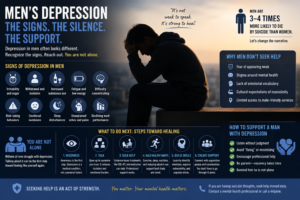
Why Depression Looks Different in Men
1. Gender Socialization
From an early age, many men are encouraged to be strong, independent, and emotionally controlled. These gender expectations can influence how depression in men is experienced and communicated. Instead of openly describing sadness or vulnerability, some men may externalize emotional distress through anger, irritability, aggression, avoidance, or withdrawal. Research suggests that masculine norms can influence both the expression of depressive symptoms and the decision to seek help.
2. Masculinity Norms
Traditional masculinity norms may emphasize self-reliance, toughness, emotional control, and independence. Consequently, some men experiencing depression in men may interpret seeking psychological support as a sign of weakness or an inability to cope. This can delay professional help-seeking until symptoms become more severe or begin affecting work, relationships, physical health, or daily functioning.
3. Emotional Suppression
When emotional distress is repeatedly suppressed or difficult to express, it may be experienced through behavioral or physical channels. Men with depression may report fatigue, headaches, digestive problems, muscle tension, sleep difficulties, or other somatic complaints, while the underlying emotional distress remains unrecognized. Emotional suppression may therefore make depression in men harder for the individual—and sometimes for others—to identify.
4. Diagnostic and Screening Limitations
It is important not to assume that standard depression screening tools are simply “based on female symptoms.” The core diagnostic criteria for Major Depressive Disorder apply to all adults. However, research suggests that some men may present with externalizing, behavioral, substance-related, or somatic symptoms that are not fully captured by traditional symptom-focused assessments. Male-sensitive tools have therefore been developed as complementary approaches to help identify patterns that may otherwise be overlooked.
Therefore, recognizing depression in men requires looking beyond sadness alone. Irritability, anger, risk-taking, substance misuse, emotional withdrawal, and physical complaints can sometimes accompany depression and should be considered alongside the core symptoms of a depressive disorder.
Emotional Signs of Depression in Men
1. Irritability and Anger
Depression does not always present as visible sadness. In some men, emotional distress may instead appear as irritability, frustration, anger, or changes in temperament. A man experiencing depression may become:
- Easily frustrated or impatient
- Short-tempered over relatively minor situations
- More argumentative, hostile, or, in some cases, aggressive
However, anger should not automatically be interpreted as depression. Rather, persistent or unusual changes in anger and irritability may be important to consider alongside other depressive symptoms.
For some men, anger may become a more socially acceptable way of expressing or discharging emotional pain, particularly when sadness or vulnerability feels difficult to acknowledge.
2. Emotional Numbness
Some men experiencing depression may describe a sense of emotional numbness or detachment rather than sadness. They may feel:
- Empty or emotionally “flat”
- Detached from themselves or others
- Less able to experience joy, affection, excitement, or connection
This emotional blunting can sometimes be mistaken for indifference, lack of caring, or a change in personality, even when the person is experiencing significant internal distress.
3. Low Self-Worth
Depression can also affect how men perceive themselves and their sense of competence or worth. They may experience thoughts such as:
- “I’m a failure.”
- Feeling inadequate as a partner, parent, or provider
- Shame about not meeting personal, family, or social expectations
These feelings may remain hidden because some men attempt to compensate through perfectionism, excessive achievement, overworking, or an intense focus on productivity.
Behavioral Signs of Depression in Men
4. Withdrawal and Isolation
As depression progresses, some men may gradually withdraw from social and recreational activities. They may:
- Avoid social interactions or gatherings
- Lose interest in hobbies and activities they previously enjoyed
- Spend increasing amounts of time alone
- Become less emotionally available in close relationships
This withdrawal can easily be interpreted as disinterest, rejection, or simply wanting to be left alone, when it may instead reflect emotional exhaustion, loss of interest, or difficulty communicating distress.
5. Risk-Taking Behaviors
For some men, depression may be accompanied by changes in risk-taking or impulsive behavior, such as:
- Reckless driving
- Excessive gambling
- Unsafe sexual behavior
- Excessive or impulsive spending
In some cases, these behaviors may function as attempts to escape emotional distress, reduce feelings of numbness, seek stimulation, or temporarily avoid painful thoughts and emotions. Nevertheless, risk-taking has many possible causes and should not, by itself, be considered evidence of depression.
6. Increased Substance Use
Some men may turn to substances as a way of coping with emotional distress. This can include:
- Increased alcohol use or alcohol misuse
- Illicit drug use
- Misuse or overuse of prescription medications
Although substances may provide temporary relief or emotional escape, they can ultimately worsen depressive symptoms, disrupt sleep, impair functioning, and increase psychological and physical health risks. Therefore, a noticeable increase in substance use alongside other emotional or behavioral changes deserves attention.
Cognitive Signs of Depression in Men
7. Difficulty Concentrating
Depression can affect cognitive functioning and make everyday tasks more difficult. Men may experience:
- Difficulty concentrating or maintaining attention
- Mental “fog” or slowed thinking
- Reduced productivity
- Difficulty making decisions
These cognitive difficulties can interfere with work performance, relationships, and daily responsibilities, which may further contribute to frustration and reduced self-esteem.
8. Negative Thinking Patterns
Depression is often associated with persistent negative thoughts and a more pessimistic interpretation of oneself, the future, and one’s circumstances. Common thoughts may include:
- “I’m a burden.”
- “Nothing will change.”
- “I should be able to handle this.”
Such patterns can reinforce hopelessness, guilt, helplessness, and low self-worth, potentially creating a cycle in which negative thoughts further reduce motivation and engagement.
Physical (Somatic) Signs of Depression in Men
9. Chronic Fatigue
Persistent fatigue, low energy, or exhaustion can be associated with depression. A person may continue to feel physically and mentally drained even after adequate rest. These symptoms may sometimes be attributed solely to work pressure, lack of sleep, or physical exhaustion, potentially overlooking an underlying mental health concern.
10. Sleep Disturbances
Changes in sleep are common in depression and may include:
- Difficulty falling or staying asleep (insomnia)
- Early-morning awakening
- Sleeping excessively or spending unusually long periods in bed
Sleep disturbance can both contribute to and accompany depressive symptoms, creating a cycle in which poor sleep and low mood reinforce one another.
11. Unexplained Aches and Pains
Depression can sometimes occur alongside physical or somatic complaints, particularly when emotional distress is difficult to recognize or communicate. These may include:
- Headaches
- Back pain
- Muscle tension or generalized aches
- Digestive or gastrointestinal complaints
Because physical symptoms can be more noticeable than emotional symptoms, some men may initially seek medical attention for bodily complaints without recognizing that psychological distress may also be contributing.
Sexual and Relationship Changes
12. Reduced Libido
Depression can affect sexual desire, arousal, and sexual functioning. A reduced interest in sexual activity may contribute to shame, frustration, relationship difficulties, or concerns about self-esteem.
It is also important to remember that sexual difficulties can have many other causes, including medical conditions and medication side effects. Therefore, they should be considered in the broader clinical context.
13. Emotional Disconnection
Some men experiencing depression may find it difficult to identify, communicate, or express their emotions. As a result, partners or family members may perceive them as distant, emotionally unavailable, or uninterested.
However, emotional withdrawal may sometimes reflect internal distress rather than a lack of love or concern. Recognizing this distinction can help reduce misunderstanding and encourage supportive communication.
Workplace Signs of Depression in Men
14. Overworking or Burnout
Work can sometimes become a way of coping with or avoiding emotional distress. Some men may:
- Work excessively or remain constantly busy
- Use work to avoid difficult emotions or problems at home
- Tie their sense of self-worth almost entirely to achievement and productivity
While dedication to work is not inherently problematic, a sudden or significant increase in work involvement accompanied by emotional withdrawal, exhaustion, or other depressive symptoms may warrant attention.
15. Absenteeism or Declining Performance
Others may experience the opposite pattern, with depression interfering with their ability to maintain usual work responsibilities. This may appear as:
- Frequent absences or sick days
- Missed deadlines or reduced efficiency
- Difficulty initiating or completing tasks
- Loss of motivation or declining work performance
These changes may initially be attributed to laziness, poor discipline, or lack of commitment. However, when they represent a significant change from the person’s usual functioning and occur alongside other symptoms, they may indicate underlying psychological distress.
Suicidal Risk in Men: A Critical Concern
Suicide is a particularly important concern in men’s mental health. Globally, men die by suicide at substantially higher rates than women, although the exact proportion varies across countries and populations. This disparity highlights the importance of recognizing suicidal thoughts and behavioral warning signs, particularly when depression or other mental health difficulties are present.
Warning Signs May Include:
- Talking about death, dying, or feeling that life is no longer worth living
- Expressing intense hopelessness or feeling like a burden
- Giving away possessions or putting personal affairs in order
- A noticeable increase in alcohol or drug use
- Sudden social withdrawal or saying goodbye to others
- A sudden change in mood or an unexpected sense of calm following a period of severe distress
These signs do not necessarily mean that a person is suicidal, but a significant change in behavior, especially when accompanied by hopelessness or thoughts of death, should always be taken seriously.
If someone is experiencing suicidal thoughts, has a plan to harm themselves, or appears to be at immediate risk, they should receive urgent professional or emergency support and should not be left to manage the crisis alone.
Why Men May Not Seek Help
Although depression is treatable, some men may delay or avoid professional support. Help-seeking can be influenced by individual beliefs, social expectations, cultural norms, previous experiences with mental health services, and practical barriers.
Key Barriers May Include:
- Fear of appearing weak, vulnerable, or unable to cope
- Stigma surrounding mental health and psychological treatment
- Difficulty identifying or putting emotional experiences into words
- Cultural expectations that men should be strong, self-reliant, and emotionally controlled
- Concern about being judged by family, friends, colleagues, or partners
- Limited access to affordable, accessible, and culturally responsive mental health services
Consequently, some men may continue to cope alone until symptoms begin to significantly affect relationships, work, physical health, or daily functioning. Reducing stigma and creating environments where men can discuss emotional difficulties without judgment can make it easier to seek help earlier.
What to Do Next: Steps Toward Healing
Recognizing the signs of depression is important, but awareness is only the beginning. Depression is treatable, and seeking appropriate support can help reduce symptoms, restore functioning, and improve quality of life.
1. Recognize and Name the Problem
The first step is acknowledging that something has changed. Persistent low mood, loss of interest, irritability, exhaustion, withdrawal, sleep changes, or other symptoms should not simply be dismissed as weakness, laziness, or a failure to cope. Depression is a mental health condition, not a personal failure.
2. Talk to Someone You Trust
Opening up to someone you trust—a:
- Friend
- Partner
- Family member
- Trusted colleague
can reduce isolation and create an opportunity to receive emotional and practical support. The conversation does not need to begin with a detailed explanation; simply acknowledging that you are struggling can be an important first step.
3. Seek Professional Help
When symptoms are persistent, severe, or interfering with daily functioning, professional assessment is important. Evidence-based treatment options may include:
- Cognitive Behavioral Therapy (CBT)
- Interpersonal Therapy (IPT)
- Antidepressant medication, such as SSRIs or SNRIs, when clinically indicated
Treatment should be individualized according to symptom severity, personal circumstances, preferences, co-occurring conditions, and clinical assessment. Some men may particularly appreciate structured, goal-oriented, and practical therapy approaches, although there is no single therapeutic style that is appropriate for every person.
4. Address Lifestyle Factors
Lifestyle changes can complement professional treatment and support overall mental health. Helpful areas may include:
- Regular physical activity
- Consistent sleep and good sleep hygiene
- Balanced and nutritious meals
- Reducing or avoiding alcohol and other substances
- Maintaining meaningful daily routines
Physical activity has been associated with improvements in depressive symptoms and can be a useful component of treatment. However, lifestyle changes should not be presented as a substitute for professional treatment, particularly when depression is moderate to severe or suicidal thoughts are present.
5. Build Emotional Skills
Recovery also involves developing a greater capacity to recognize and communicate emotional experiences. Learning to:
- Identify and name emotions
- Express vulnerability in safe and appropriate relationships
- Communicate needs more openly
- Regulate stress and difficult emotions
can support emotional awareness, healthier coping, and stronger relationships over time.
6. Create a Support System
A reliable support system can reduce isolation and make recovery easier to sustain. Peer support groups, trusted relationships, and appropriately moderated men’s mental health communities may provide a sense of connection, understanding, and normalization.
How to Support a Man with Depression
Supporting someone with depression does not mean trying to solve the problem for them. Helpful responses include:
- Listen without judgment and give the person space to speak openly.
- Avoid minimizing or dismissing their experience with statements such as “just be positive” or “others have it worse.”
- Encourage professional support without forcing or shaming them.
- Offer practical help when appropriate, such as accompanying them to an appointment.
- Stay patient and consistent, because recovery is often gradual rather than immediate.
If there are concerns about suicide or immediate safety, the situation should be treated as an urgent mental health concern rather than something the person needs to manage alone.
Depression Is Treatable: A Message of Hope
Depression in men is real, treatable, and deserving of attention. Recognizing symptoms early and connecting with appropriate support can reduce prolonged suffering and may help protect relationships, work functioning, physical health, and quality of life.
Most importantly, seeking help should not be viewed as a sign of weakness. Asking for support is a responsible step toward recovery, self-understanding, and a healthier life.
Conclusion
Depression in men does not always announce itself through visible sadness. It may instead appear through anger, irritability, emotional numbness, withdrawal, exhaustion, changes in behavior, or difficulty expressing distress. Recognizing these less obvious signs can help families, partners, professionals, and men themselves identify when something may be wrong and encourage support before difficulties become more severe.
At the same time, it is important not to assume that every change in behavior is depression. These signs should be understood within the person’s overall emotional, behavioral, physical, and social context, with professional assessment when symptoms are persistent or impairing.
Challenging harmful expectations around masculinity can also make a meaningful difference. Men should not have to choose between appearing strong and acknowledging that they are struggling. Emotional vulnerability, help-seeking, and asking for support are not signs of failure; they are part of being human.
Mental health awareness must include men—not only as providers, protectors, or problem-solvers, but as human beings who experience emotions, face psychological difficulties, and deserve understanding, care, and appropriate support.
References
-
American Psychiatric Association. (2022). DSM-5-TR: Diagnostic and Statistical Manual of Mental Disorders (5th ed., text rev.). APA Publishing.
🔗 Official DSM-5-TR information from the APA: https://www.psychiatry.org/psychiatrists/practice/dsm/educational-resources/dsm-5-tr-fact-sheets (Fact sheets & details) American Psychiatric Association -
World Health Organization. (2023). Depression fact sheet. WHO.
🔗 WHO Fact Sheet on Depression (Depressive disorder): https://www.who.int/news-room/fact-sheets/detail/depression World Health Organization -
Rochlen, A. B., et al. (2010). Men’s help-seeking behavior and attitudes toward mental health treatment. Psychology of Men & Masculinity, 11(3), 218–231.
🔗 (You can access this through journal databases such as APA PsycNet or PubMed; PubMed index available here): https://pubmed.ncbi.nlm.nih.gov/27664823/ PubMed -
Courtenay, W. H. (2000). Constructions of masculinity and their influence on men’s well-being. Social Science & Medicine, 50(10), 1385–1401.
🔗 (Accessible via academic journals; summary available through research portals—e.g., PubMed Central or ResearchGate.) PMC -
Seidler, Z. E., et al. (2016). The role of masculinity in men’s help-seeking for depression. American Journal of Men’s Health, 10(4), 308–317.
🔗 PubMed entry for the article: https://pubmed.ncbi.nlm.nih.gov/27664823/ PubMed -
National Institute of Mental Health. (2024). Men and depression. NIMH.
🔗 NIMH Mental Health Page (includes topics related to depression and gender differences): https://www.nimh.nih.gov/health/topics/men-and-mental-health National Institute of Mental Health -
Patel, V., et al. (2018). The burden of mental disorders in India. The Lancet Psychiatry, 5(2), 148–161.
- Signs of Depression: Understanding the Silent Struggle
Pingback: Why Men Avoid Therapy & How to Break the Silence
Pingback: Mental Health Warning Signs Every Man Should Know
Pingback: How to Talk to Your Partner About Men’s Mental Health
Pingback: How to Support a Man Who Is Struggling Mentally