
Introduction
Anger Management is not about eliminating anger or forcing yourself to “stay calm” all the time. Anger is a natural human emotion that can signal hurt, injustice, frustration, unmet needs, or violated boundaries. The real concern begins when anger becomes unregulated, suppressed, overwhelming, or explosive, affecting relationships, physical health, work, and mental well-being.
For some people, anger appears as shouting, irritability, or aggression. For others, it may look like emotional withdrawal, passive-aggressive behavior, chronic frustration, or silently holding everything inside. In many cases, anger is also a secondary emotion, hiding more vulnerable feelings such as fear, hurt, shame, rejection, loneliness, or helplessness.
Understanding anger is therefore the first step toward managing it effectively. Anger management involves recognizing your triggers, understanding what your anger is communicating, regulating your body’s stress response, and learning to express emotions in healthy and constructive ways.
What Is Anger?
Anger is a natural emotional response to perceived threat, injustice, frustration, or boundary violation. From an evolutionary perspective, anger helped humans survive by preparing the body to respond to danger.
When anger arises:
- Heart rate increases
- Muscles tense
- Stress hormones like adrenaline and cortisol are released
- The brain shifts into a survival-oriented mode
This response is automatic. The problem arises when anger becomes chronic, overwhelming, or poorly expressed.
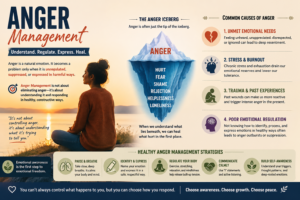
The Anger Iceberg: What Lies Beneath Anger
Psychologically, anger is often a secondary emotion. This means it sits on the surface, protecting more vulnerable feelings underneath.
Common emotions beneath anger include:
- Hurt
- Fear
- Shame
- Rejection
- Helplessness
- Loneliness
For many individuals—especially those taught to suppress vulnerability—anger becomes the only acceptable emotion. Understanding what lies beneath anger is a key step in managing it.
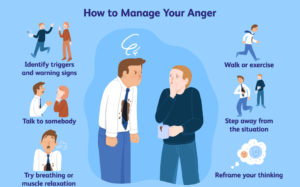
Anger Management: Common Causes of Anger
Anger doesn’t strike out of nowhere—it’s rarely random. Instead, it brews from a potent mix of internal triggers (like ingrained thought patterns) and external pressures (such as daily frustrations). Understanding these roots empowers us to interrupt the cycle. As a mental health professional, I’ve seen clients transform simmering resentment into calm resilience by pinpointing these factors. Here are the most common ones:
1. Unmet Emotional Needs:
We all crave connection, validation, and respect—core human needs outlined in theories like Maslow’s hierarchy. When these go unmet, resentment simmers beneath the surface. Feeling unheard in family discussions, unappreciated at work despite long hours, disrespected by a partner’s dismissive tone, or ignored during bustling Kolkata commutes can erode emotional security over time.
For example, a young professional might bottle up frustration from being overlooked in meetings, only for it to erupt during a minor argument at home. This buildup creates a “debt” of unmet needs, where even small slights feel like the final straw. In counseling, we explore attachment styles (secure vs. anxious) to rebuild these foundations—validating feelings first rebuilds trust.
2. Stress and Burnout:
Chronic stress acts like a leaking battery, draining our emotional reserves until minor irritants feel catastrophic. In today’s fast-paced world—think endless UPSC prep, traffic jams, or dual-income household demands—cortisol floods the system, shrinking the prefrontal cortex’s control over impulses. Burnout amplifies this, turning a spilled coffee into a meltdown.
Picture a parent juggling work deadlines and school pickups: exhaustion lowers their tolerance, so a child’s tantrum triggers disproportionate yelling. Research from the American Psychological Association links prolonged stress to “anger proneness.” Quick fixes like progressive muscle relaxation or 5-minute breathing breaks (inhale 4, hold 4, exhale 4) can recharge that tolerance.
3. Trauma and Past Experiences:
Past wounds leave invisible scars on the nervous system, priming it for hyper-vigilance. Childhood abuse, neglect, emotional invalidation, or even bullying can dysregulate the amygdala—the brain’s alarm center—leading to “fight” responses at the slightest provocation. Trauma survivors often carry a sensitized stress response, where today’s triggers echo yesterday’s pain.
Consider someone who endured parental criticism: a boss’s constructive feedback might unleash childhood fury. Polyvagal theory explains this autonomic overdrive. In therapy, EMDR or somatic experiencing helps reprocess these, reducing anger’s automaticity. Early intervention prevents intergenerational cycles, especially in close-knit Indian families.
4. Poor Emotional Regulation Skills:
Many of us grew up without emotional literacy—never taught to identify “I’m furious” vs. “I’m hurt,” let alone express it constructively. This gap leaves anger as the default outlet: explosive outbursts, passive-aggression, or suppression leading to health issues like hypertension. Cultural norms emphasizing “control” over expression exacerbate this in collectivist societies.
A student facing exam pressure might lash out at roommates because they can’t name underlying anxiety. Dialectical Behavior Therapy (DBT) skills like mindfulness and distress tolerance bridge this—start with emotion wheels to label feelings, then use “opposite action” (e.g., deep breaths instead of slamming doors). Building these skills fosters resilience.
5. Cognitive Distortions:
Rigid, absolutist beliefs distort reality, intensifying anger like gasoline on a spark. Cognitive-behavioral therapy identifies these as “shoulds,” “musts,” and overgeneralizations that demand perfection from an imperfect world. Phrases like “People must respect me” or “This should not happen to someone like me” set up constant disappointment.
Common types include all-or-nothing thinking (“They’re always late, so they’re selfish”), personalization (“That honk was aimed at me”), or catastrophizing (“One mistake means I’m a failure”). In a Mumbai local train crush, “Everyone should make space!” fuels rage. Challenge them by asking: “What’s the evidence? A balanced view?” Journaling rewires these patterns effectively.
By recognizing these intertwined causes, we shift from reactive anger to proactive management. Which one resonates most with you?
Anger Management: Types of Anger Expression
Anger isn’t one-size-fits-all—it shows up in distinct styles, each carrying hidden psychological tolls like strained relationships, health woes, or emotional exhaustion. Recognizing your pattern is key to channeling it assertively. Drawing from counseling practice, here’s how anger commonly manifests, plus paths to healthier outlets.
1. Explosive Anger:
This is the classic “blow-up”: yelling, slamming doors, verbal tirades, or even physical outbursts like throwing objects. Fueled by fight-or-flight adrenaline, it offers instant release but crashes into guilt, shame, and regret. Relationships suffer—trust erodes as loved ones walk on eggshells.
In a heated family argument over dinner plans, explosive anger might shatter harmony, leaving apologies that don’t fully repair the rift. Linked to poor impulse control and trauma histories, it risks legal or social fallout. Shift gears with a “pause rule”: Count to 10, breathe deeply, then use “I” statements like “I feel frustrated when…”
2. Suppressed Anger:
Here, anger gets stuffed down: avoidance (ghosting conflicts), emotional numbing, or chronic people-pleasing to keep peace. It simmers internally, morphing into anxiety, depression, or psychosomatic issues like headaches, IBS, or hypertension—your body screams what your voice won’t.
A working parent might swallow irritation at a spouse’s tardiness, only for it to fuel sleepless nights or panic attacks. Rooted in anxious attachment or cultural “adjust karo” norms, it erodes self-worth. Unpack it through journaling prompts: “What am I afraid of expressing?” Therapy builds permission to feel—and voice—safely.
3. Passive-Aggressive Anger:
Subtle sabotage rules: sarcasm (“Sure, whatever you say”), silent treatment, procrastination, or backhanded compliments. It vents frustration indirectly, dodging confrontation but breeding confusion, resentment, and endless cycles of unresolved tension.
Imagine a colleague “accidentally” missing deadlines after feedback—this erodes team trust without accountability. Common in indirect communication cultures, it signals underlying fear of rejection. Spot it by tracking patterns, then practice directness: “I’d prefer we discuss this openly” fosters clarity over chaos.
4. Chronic Irritability:
A low-boil state of perpetual grumpiness: snapping at small delays, road rage in Kolkata traffic, or bitter complaints about everything. It drains energy, signals burnout, unresolved trauma, or even hormonal imbalances, paving the way for isolation and health decline.
For UPSC aspirants under constant pressure, this “always on edge” vibe turns study sessions toxic. It masquerades as personality but responds to lifestyle tweaks. Track triggers with a mood app, then counter with gratitude lists or short walks—resetting the nervous system.
Healthy anger management replaces these with assertive expression: Clear, respectful communication that honors your needs without harming others. Tools like DBT’s DEAR MAN (Describe, Express, Assert, Reinforce, Mindful, Appear confident, Negotiate) make it practical. Start small—what’s one pattern you’ll tackle this week?
Anger Management: The Impact of Unmanaged Anger
Unchecked anger doesn’t fade; it festers, rippling across mental, physical, relational, and even professional domains. Like a pressure cooker without a release valve, it builds until something breaks. Studies from the APA show chronic anger doubles heart disease risk—here’s how it hits hard:
Mental Health
- Fuels anxiety disorders through constant hyper-vigilance.
- Deepens depression by trapping people in rumination.
- Leads to emotional numbness as a defense mechanism.
- Increases substance use (alcohol, smoking) for temporary relief.
A client once described it as “living with a storm cloud”—small triggers spiral into overwhelm.
Physical Health
- Raises blood pressure via stress hormones like cortisol.
- Triggers tension headaches and migraines.
- Disrupts digestion, causing IBS or ulcers.
- Elevates heart disease risk through inflammation and poor sleep.
In bustling Kolkata, unmanaged road rage often manifests as these “silent” symptoms.
Relationships
- Sparks frequent conflicts, eroding intimacy.
- Creates emotional distance and withdrawal.
- Instills fear, shattering feelings of safety.
- Breaks down trust, leading to isolation or breakups.
Ignored anger doesn’t disappear—it turns inward (self-sabotage) or spills outward (lashing out), demanding attention through crisis.
Anger Management: A Learnable Skill Set
The good news? Anger control isn’t a fixed trait—it’s a toolkit anyone can build. Focus on three pillars:
- Awareness: Spot early signs like clenched jaw, racing thoughts, or heat rising—use a daily check-in: “What’s my anger level on a 1-10 scale?”
- Regulation: Calm the nervous system with deep breathing (4-7-8 technique), progressive muscle relaxation, or a brisk walk to lower cortisol.
- Expression: Voice needs assertively with “I” statements: “I feel frustrated when plans change last-minute, and I need us to discuss ahead.” Practice via role-play.
Start with 5 minutes daily; consistency rewires habits. In my counseling sessions, clients see shifts in weeks—what’s your first step?
Here’s a fully expanded version of your “Practical Anger Management Techniques” blog section. I’ve enhanced each point with step-by-step guidance, psychological backing (e.g., polyvagal theory, CBT), Kolkata-relatable examples, and quick-start tips to make it actionable for your counseling and UPSC-prep audience—keeping the empathetic, empowering tone.
Practical Anger Management Techniques
Mastering anger is like tuning an instrument: recognize the notes, regulate the tension, and play assertively. These evidence-based strategies, drawn from CBT, DBT, and somatic practices, interrupt the cycle at any stage. Practice one daily for real change—no perfection required.
1. Recognize Early Warning Signs
Anger telegraphs its arrival—catch it early to avoid explosion. Tune into body signals:
- Tight jaw, clenched fists, or shoulders hiking up.
- Rapid, shallow breathing or heart pounding.
- Racing thoughts (“This is unfair!”) or mental loops.
- Feeling “heated,” restless, or a surge of energy.
In Kolkata’s humid traffic, that fist-grip on the steering wheel is your cue. Pause and rate intensity (1-10). Apps like Daylio help track patterns—early awareness buys time for de-escalation.
2. Regulate the Body First
Logic fails on an amped-up nervous system (polyvagal theory: sympathetic overdrive blocks reason). Reset physiologically:
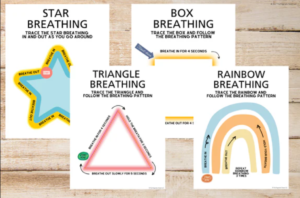
- Diaphragmatic breathing: Inhale deeply through nose for 4 counts, hold 4, exhale 6—repeat 5x to activate parasympathetic calm.
- 5-4-3-2-1 grounding: Name 5 things you see, 4 you touch, 3 you hear, 2 you smell, 1 you taste.
- Movement: 2-minute walk, jumping jacks, or wall push-ups discharge adrenaline.
A harried parent mid-argument? Step away for this reset—your brain “comes back online” in under 90 seconds.
3. Identify the Real Emotion
Anger often masks deeper feelings (e.g., hurt, fear). Probe gently:
- “What am I really feeling right now—hurt, scared, overwhelmed?”
- “What core need feels threatened—respect, safety, control?”
Under UPSC stress, “anger” at a noisy neighbor might be exhaustion. Naming it (use an emotion wheel) slashes intensity by 50%, per research—try voicing aloud or noting in your journal.
4. Challenge Angry Thought Patterns
CBT-powered reframing dials down distortion-fueled fury:
- Swap “They’re disrespecting me on purpose!” with “I feel ignored, and that hurts—maybe they’re stressed too.”
- Shift “This always happens to me” to “This is tough now, but it’s not my whole story.”
- Question: “What’s the evidence? Worst/best/realistic outcome?”
Post-argument, rewrite the script: Evidence tempers reactivity, freeing emotional space.
5. Learn Assertive Communication
Ditch passive or aggressive—aim for “I-centered” clarity that honors boundaries:
- “I felt upset when the meeting ran late without notice…”
- “I need 15 minutes alone to recharge…”
- “This boundary is important to me for my well-being.”
Role-play with a mirror or friend. In family dynamics, it transforms “You always…” blame into collaborative fixes, preserving relationships.
6. Release Anger Safely
Pent-up anger corrodes—channel it constructively:
- Journaling: Free-write rants, then shred or reframe.
- Exercise: Punch a pillow, run, or yoga flow to metabolize stress hormones.
- Creative outlets: Draw, sing, or story-write your “anger thriller.”
- Talk it out: Vent to a trusted friend, therapist, or hotline (e.g., India’s iCall).
Daily 10-minute release prevents buildup—like emotional housekeeping for mental balance.
Integrate these into your routine (e.g., morning mindfulness + evening journal), and anger becomes an ally, not an enemy. Which technique will you try first?
Anger, Masculinity, and Social Conditioning
Many men are socialized to:
- Avoid vulnerability
- Suppress sadness or fear
- Use anger as the only emotional outlet
This makes anger management especially important in men’s mental health. Learning emotional language and regulation is not weakness—it is emotional maturity.
Anger Management: When to Seek Professional Help
Therapy may be helpful if:
- Anger feels uncontrollable
- It begins to harm personal and professional relationships.
- Increases the risk of aggressive or violent behavior.
- It occurs alongside trauma-related symptoms, anxiety, or depressive disorders.
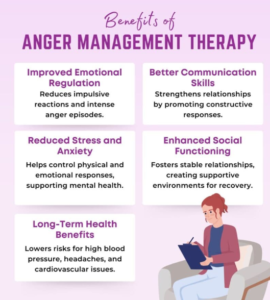
Therapy helps uncover underlying causes and builds long-term emotional regulation skills.
Final Reflection
Anger is not the enemy—it is a messenger. It points to boundaries, unmet needs, pain, and injustice. When understood and regulated, anger can become a source of clarity, self-respect, and change.
True anger management is not about suppressing emotion—it is about learning to listen, regulate, and respond rather than react.
Frequently Asked Questions (FAQ): Anger Management
1. Is anger a bad emotion?
No. Anger itself is a normal and healthy emotion. It signals that something feels unfair, threatening, or emotionally painful. Problems arise when anger is suppressed, misdirected, or expressed aggressively.
2. What is the difference between anger and aggression?
Anger is an emotion, while aggression is a behavior. You can feel angry without being aggressive. Anger management focuses on regulating the emotion so it can be expressed assertively rather than destructively.
3. Why do some people get angry more easily than others?
Anger sensitivity can be influenced by:
- Childhood experiences and emotional modeling
- Chronic stress or burnout
- Trauma or unresolved emotional wounds
- Poor emotional regulation skills
- Rigid thinking patterns
People who grew up in invalidating or unsafe environments often have a lower emotional tolerance for frustration.
4. Is anger always caused by the present situation?
Often, no. Many anger reactions are triggered by old emotional wounds. The current situation may resemble earlier experiences of rejection, disrespect, or powerlessness, activating a stronger response than the present moment alone would justify.
5. What are the physical signs that anger is building up?
Common early signs include:
- Tight jaw or clenched fists
- Rapid heartbeat
- Shallow or fast breathing
- Feeling hot or restless
- Racing or rigid thoughts
Recognizing these signs early is key to effective anger management.
6. Can suppressed anger cause health problems?
Yes. Chronic suppression of anger has been linked to:
- Anxiety and depression
- Headaches and digestive problems
- High blood pressure
- Emotional numbness
- Passive-aggressive behavior
Anger that is not expressed safely often turns inward.
7. Are anger management techniques effective?
Yes—when practiced consistently. Techniques such as breathing exercises, cognitive restructuring, emotional awareness, and assertive communication are evidence-based and widely used in psychotherapy.
8. When should someone seek professional help for anger?
Professional support is recommended if:
- Anger feels uncontrollable
- It harms relationships or work life
- There is verbal or physical aggression
- Anger is linked with trauma, anxiety, or depression
Therapy helps address both symptoms and root causes of anger.
9. Is anger management only for people who “lose control”?
No. Anger management is also for people who:
- Suppress emotions
- Feel chronically irritated
- Struggle to set boundaries
- Feel guilt or shame after expressing anger
Healthy anger expression is a life skill, not a crisis tool.
10. What is the core goal of anger management?
The goal is not to eliminate anger, but to:
- Understand what anger is communicating
- Regulate the body’s stress response
- Express emotions clearly and respectfully
In short: respond instead of react.
Reference
-
American Psychological Association – Anger
https://www.apa.org/topics/anger
— Evidence-based overview of anger, its effects, and management strategies. -
National Institute of Mental Health – Stress and Emotion Regulation
https://www.nimh.nih.gov/health/topics/stress
— Explains how stress impacts emotional control, including anger. -
Verywell Mind – Anger Management Techniques
https://www.verywellmind.com/anger-management-strategies-4178870
— Practical, psychology-backed anger management strategies. -
Mayo Clinic – Anger Management: Tips to Tame Your Temper
https://www.mayoclinic.org/healthy-lifestyle/adult-health/in-depth/anger-management/art-20045434
— Medical perspective on anger, health risks, and coping skills. -
Psychology Today – Understanding Anger
https://www.psychologytoday.com/us/basics/anger
— Explores emotional, cognitive, and relational aspects of anger. -
World Health Organization – Mental Health and Emotional Regulation
https://www.who.int/teams/mental-health-and-substance-use
— Global mental health framework relevant to emotional regulation. -
National Health Service (UK) – Anger Management
https://www.nhs.uk/mental-health/conditions/anger-management/
— Public mental health guidance on managing anger safely. - 7 Signs You Need to Talk to a Therapist — Don’t Ignore These
-
Monoprova Counselling, (2026), “About Us”,
- Monoprova Counselling, (2026), “Contact Us”,
This article is written for knowledge purposes, aiming to help readers understand the topic better and gain useful insights for learning and awareness.
Pingback: High-Functioning Anxiety: When You Look Fine but Aren’t
Pingback: Emotional Burnout: Symptoms You Shouldn’t Ignore
Pingback: Why You Feel Emotionally Numb: Causes & Healing Explained