Screen Time & ADHD-Like Symptoms in Children: What Parents Need to Know

Introduction

In today’s digital age, screens are woven into nearly every aspect of childhood. Smartphones, tablets, televisions, online classes, gaming consoles, and social media have become common companions for children of all ages. While technology offers educational benefits and entertainment, increasing research and clinical observation suggest a concerning trend: excessive screen time may mimic or worsen ADHD-like symptoms in children.

Parents often report concerns such as:

  • “My child can’t focus on homework.”

  • “They’re restless all the time.”

  • “They get bored instantly unless a screen is involved.”

  • “Teachers say my child behaves like they have ADHD.”

This raises an important question:

Is screen time causing ADHD—or is it creating ADHD-like behaviors?

The answer is nuanced. Screen exposure does not directly cause ADHD (which is a neurodevelopmental condition), but excessive, unregulated, or developmentally inappropriate screen use can produce symptoms that closely resemble ADHD, especially in young and school-age children.

This article explores the relationship between screen time and ADHD-like symptoms, explains the neuroscience behind attention and self-regulation, identifies warning signs, and offers practical, evidence-based guidance for parents and caregivers.

Understanding ADHD vs ADHD-Like Symptoms

What Is ADHD?

Attention-Deficit/Hyperactivity Disorder (ADHD) is a neurodevelopmental condition characterized by persistent patterns of:

  • Inattention

  • Hyperactivity

  • Impulsivity

These symptoms:

  • Begin in early childhood

  • Are present across multiple settings (home, school, social)

  • Interfere significantly with functioning

  • Are not explained solely by environmental factors

ADHD has strong genetic and neurological foundations.

What Are ADHD-Like Symptoms?

ADHD-like symptoms refer to behaviors that resemble ADHD but are situational, reversible, or environmentally driven.

Examples include:

  • Short attention span

  • Difficulty sitting still

  • Impulsive reactions

  • Emotional dysregulation

  • Poor frustration tolerance

When these symptoms are primarily linked to lifestyle factors—such as excessive screen exposure, poor sleep, lack of physical activity, or overstimulation—they may not indicate true ADHD.

This distinction is crucial to avoid misdiagnosis and unnecessary medication.

How Much Screen Time Are Children Getting Today?

Studies consistently show that children are exposed to screens far beyond recommended limits.

Average Screen Time (Approximate)

  • Toddlers (2–5 years): 3–5 hours/day

  • School-age children: 6–8 hours/day

  • Adolescents: 7–10+ hours/day

This includes:

  • Educational screens

  • Entertainment (YouTube, cartoons, gaming)

  • Passive scrolling

  • Background TV

The developing brain did not evolve for this level of constant stimulation.

How Screen Time Affects the Developing Brain

Children’s brains are highly plastic—meaning they are shaped by repeated experiences. Screens influence brain development in several key ways.

The Attention System: Why Screens Are So Powerful

Screens are designed to capture and hold attention using:

  • Rapid scene changes

  • Bright colors

  • Instant rewards

  • Novel stimuli

  • Dopamine-driven feedback loops

This trains the brain to expect:

  • Constant novelty

  • Immediate gratification

  • High levels of stimulation

Real-world tasks—reading, listening, problem-solving—become comparatively boring and effortful.

Dopamine, Screens, and Attention Regulation

Dopamine is a neurotransmitter involved in:

  • Motivation

  • Reward

  • Focus

  • Learning

Fast-paced digital content produces frequent dopamine spikes, especially in games and short-form videos.

Over time:

  • The brain becomes less sensitive to dopamine

  • Higher stimulation is required to feel engaged

  • Low-stimulation tasks feel intolerable

This mirrors patterns seen in ADHD, where dopamine regulation differs.

ADHD-Like Symptoms Linked to Excessive Screen Time

1. Reduced Attention Span

Children exposed to high screen stimulation may:

  • Struggle to sustain focus

  • Jump quickly between tasks

  • Abandon activities easily

  • Require constant prompts

This is not always due to neurological ADHD—but due to attention conditioning.

2. Hyperactivity and Restlessness

Paradoxically, excessive screen time can increase physical restlessness.

Children may:

  • Fidget constantly

  • Pace or squirm

  • Seek constant movement

  • Have difficulty sitting through meals or classes

This occurs because screens overstimulate the nervous system while depriving the body of physical regulation through movement.

3. Impulsivity and Poor Self-Control

Screen exposure is linked to:

  • Reduced impulse control

  • Difficulty waiting

  • Emotional outbursts when screens are removed

  • Immediate reaction without thinking

This resembles ADHD impulsivity but is often environmentally induced.

4. Emotional Dysregulation

Children with heavy screen use may show:

  • Irritability

  • Low frustration tolerance

  • Anger when interrupted

  • Emotional meltdowns

Screens can act as emotional pacifiers, preventing children from learning healthy coping skills.

5. Difficulty with Executive Functions

Executive functions include:

  • Planning

  • Organizing

  • Task initiation

  • Working memory

Excessive screen time may impair these skills by:

  • Reducing practice with effortful tasks

  • Limiting problem-solving opportunities

  • Encouraging passive consumption

Age-Wise Impact of Screen Time on ADHD-Like Symptoms

Toddlers (0–3 Years)

The brain areas responsible for attention and regulation are still forming.

Excessive screen exposure at this age is associated with:

  • Delayed language development

  • Poor self-regulation

  • Reduced joint attention

  • Increased irritability

Early screen exposure may set the foundation for later attention difficulties.

Preschoolers (3–5 Years)

Children may show:

  • Difficulty following instructions

  • High distractibility

  • Poor impulse control

  • Reduced imaginative play

These behaviors often improve significantly when screen time is reduced.

School-Age Children (6–12 Years)

This is where ADHD-like symptoms become most noticeable.

Common issues include:

  • Difficulty focusing in class

  • Homework avoidance

  • Restlessness

  • Teacher complaints

  • Poor academic performance

Screens may amplify existing vulnerabilities.

Adolescents (13–18 Years)

Excessive screen use may contribute to:

  • Attention fatigue

  • Sleep deprivation

  • Emotional dysregulation

  • Increased anxiety

  • Reduced academic engagement

Multitasking with screens further impairs sustained attention.

Screen Time and Sleep: A Critical Link

Sleep deprivation alone can produce ADHD-like symptoms.

Screens interfere with sleep by:

  • Delaying bedtime

  • Blue light suppressing melatonin

  • Overstimulating the brain

  • Disrupting circadian rhythm

Children who don’t sleep enough often show:

  • Poor attention

  • Hyperactivity

  • Emotional volatility

  • Impulsivity

Many “ADHD-like” cases improve with better sleep hygiene.

Can Screen Time Cause ADHD?

Current research suggests:

  • Screen time does not directly cause ADHD

  • ADHD has strong genetic and neurological roots

  • However, excessive screen exposure can:

    • Worsen ADHD symptoms

    • Mask underlying ADHD

    • Lead to misdiagnosis

In some children, screen-induced symptoms disappear when screen habits change.

ADHD vs Screen-Induced Attention Problems: Key Differences

ADHD Screen-Induced Symptoms
Present across all settings Mostly screen-heavy contexts
Persistent since early childhood Develop after increased screen use
Genetic component Lifestyle-driven
Does not resolve easily Often improves with screen reduction
Requires clinical assessment Responds to behavioral changes

A thorough evaluation is essential before labeling a child.

Warning Signs Parents Should Watch For

  • Child can focus on screens for hours but not on other tasks

  • Extreme irritability when screens are removed

  • Boredom intolerance

  • Reduced interest in non-screen activities

  • Declining academic performance

  • Sleep problems

  • Emotional meltdowns after screen use

Healthy Screen Time Guidelines (General)

While exact limits vary, general recommendations include:

Under 2 Years

  • Avoid screens (except video calls)

Ages 2–5

  • Max 1 hour/day

  • High-quality, supervised content

Ages 6–12

  • 1–2 hours/day recreational screen time

  • Balanced with physical activity

Adolescents

  • Consistent boundaries

  • Screen-free times (meals, bedtime)

Quality matters as much as quantity.

How Parents Can Reduce ADHD-Like Symptoms Linked to Screens

1. Create Screen-Free Routines

  • Morning and bedtime screen-free

  • No screens during meals

  • Screen-free homework time

2. Encourage Physical Movement

  • Outdoor play

  • Sports

  • Free movement

Movement helps regulate attention and emotions.

3. Build Boredom Tolerance

  • Allow unstructured time

  • Resist immediate screen replacement

  • Encourage creativity

Boredom is essential for attention development.

4. Support Emotional Regulation

  • Name emotions

  • Teach coping strategies

  • Model calm responses

Screens should not be the primary calming tool.

5. Improve Sleep Hygiene

  • Screens off at least 1 hour before bed

  • Consistent sleep schedule

  • Screen-free bedrooms

When to Seek Professional Help

Consult a child psychologist if:

  • Symptoms persist despite screen reduction

  • Difficulties exist across multiple settings

  • Academic and social functioning is impaired

  • There is a family history of ADHD

A professional can differentiate ADHD from environmental effects.

Conclusion

Screen time is not inherently harmful—but excessive, unregulated screen exposure can significantly affect attention, behavior, and emotional regulation in children, often producing ADHD-like symptoms.

Understanding this distinction empowers parents to:

  • Avoid premature labeling

  • Make informed lifestyle changes

  • Support healthy brain development

By creating balanced digital habits, prioritizing sleep and movement, and fostering emotional connection, many children show remarkable improvement in attention and behavior.

Sometimes, the brain doesn’t need medication—it needs regulation, rest, and real-world connection.

Reference

  1. CDC – Child Development & Media Use
    👉 https://www.cdc.gov/childdevelopment
    Anchor: child development and screen time

  2. American Academy of Pediatrics – Media Guidelines
    👉 https://www.healthychildren.org
    Anchor: AAP screen time guidelines

  3. Harvard Center on the Developing Child
    👉 https://developingchild.harvard.edu
    Anchor: brain development and attention

  4. NIMH – ADHD in Children
    👉 https://www.nimh.nih.gov/health/topics/attention-deficit-hyperactivity-disorder-adhd
    Anchor: ADHD in children

  5. How to Improve Parent–Child Communication

  6. Contact Us

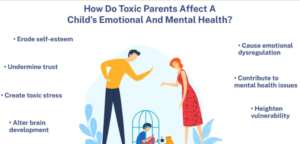
Impact of Toxic Parenting on a Child’s Brain Development

Introduction

A child’s brain is not only shaped by genetics but profoundly molded by early relationships, especially the relationship with primary caregivers. Parenting provides the emotional, neurological, and psychological environment in which a child’s brain develops. When caregiving is nurturing, consistent, and emotionally responsive, the child’s brain wires itself for safety, regulation, learning, and healthy relationships. However, when parenting is toxic, neglectful, or emotionally harmful, it can alter brain development in ways that affect the child for a lifetime.

Toxic parenting does not necessarily mean intentional abuse. Many parents repeat harmful patterns unconsciously, influenced by their own unresolved trauma, stress, or lack of emotional awareness. Yet, regardless of intention, the child’s developing brain responds to chronic stress, fear, unpredictability, and emotional invalidation as threats.

This article explores how toxic parenting impacts a child’s brain development, the neurological mechanisms involved, long-term psychological consequences, and how healing is possible through awareness and intervention.

What Is Toxic Parenting?

Toxic parenting refers to consistent patterns of behavior that emotionally, psychologically, or sometimes physically harm a child’s sense of safety, self-worth, and emotional regulation.

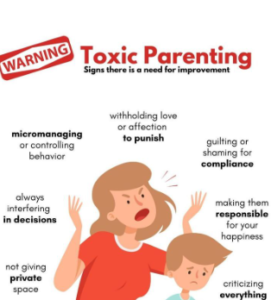
Common Forms of Toxic Parenting

  • Emotional neglect (lack of warmth, validation, or attention)

  • Verbal abuse (shaming, yelling, humiliation)

  • Emotional manipulation (guilt-tripping, gaslighting)

  • Excessive control or over-criticism

  • Inconsistent parenting (unpredictable rules and reactions)

  • Conditional love (“I love you only if you succeed”)

  • Parentification (expecting the child to meet adult emotional needs)

  • Chronic invalidation of emotions

Toxic parenting creates an environment where the child feels:

  • Unsafe

  • Unseen

  • Unheard

  • Unworthy

  • Constantly on edge

For a developing brain, this environment activates survival mode, not growth mode.

Understanding Brain Development in Childhood

A child’s brain grows rapidly from birth through adolescence. By age 5, nearly 90% of the brain’s structure is formed, though refinement continues into the mid-20s.

Key Features of Brain Development

  • Brain development is experience-dependent

  • Neural connections strengthen with repeated experiences

  • Stress hormones influence brain architecture

  • Emotional safety supports higher cognitive functioning

The brain develops from bottom to top:

  1. Brainstem (survival)

  2. Limbic system (emotions)

  3. Prefrontal cortex (thinking, regulation, decision-making)

When a child grows up in a toxic environment, the brain prioritizes survival over learning, affecting all three levels.

How Toxic Parenting Affects the Brain: The Stress Response System

Chronic Activation of the Stress Response

Children exposed to toxic parenting often live in a state of chronic stress. Their brains repeatedly activate the HPA axis (Hypothalamic-Pituitary-Adrenal axis), releasing stress hormones like cortisol.

Short-term stress can be adaptive. Chronic stress, however, becomes neurotoxic.

Effects of Prolonged Cortisol Exposure

  • Shrinks areas involved in memory and learning

  • Over-sensitizes fear circuits

  • Weakens emotional regulation pathways

  • Impairs immune and metabolic systems

Instead of learning curiosity and exploration, the brain learns:

“Stay alert. Stay small. Stay safe.”

Impact on Key Brain Regions

1. Amygdala: The Fear Center

The amygdala detects danger and triggers emotional responses like fear and anger.

Effects of Toxic Parenting on the Amygdala

  • Becomes hyperactive

  • Heightened fear responses

  • Increased anxiety and emotional reactivity

  • Difficulty distinguishing real threats from perceived ones

Children may appear:

  • Overly sensitive

  • Easily startled

  • Emotionally explosive

  • Hyper-vigilant

This wiring often continues into adulthood, leading to chronic anxiety and emotional overwhelm.

2. Hippocampus: Memory and Learning

The hippocampus helps regulate memory, learning, and emotional processing.

Impact of Toxic Parenting

  • Reduced hippocampal volume due to cortisol exposure

  • Difficulty forming coherent memories

  • Problems with learning and concentration

  • Increased vulnerability to depression

Children may struggle academically—not due to lack of intelligence, but due to stress-impaired memory processing.

3. Prefrontal Cortex: Emotional Regulation and Decision-Making

The prefrontal cortex (PFC) is responsible for:

  • Impulse control

  • Emotional regulation

  • Planning

  • Self-reflection

  • Empathy

How Toxic Parenting Affects the PFC

  • Delayed maturation

  • Poor impulse control

  • Difficulty managing emotions

  • Problems with decision-making

  • Low frustration tolerance

Because the PFC develops last, chronic stress in childhood significantly disrupts its growth.

4. Corpus Callosum: Brain Integration

The corpus callosum connects the left and right hemispheres of the brain.

Impact of Toxic Environments

  • Reduced integration between emotion and logic

  • Difficulty expressing feelings in words

  • Emotional flooding or emotional shutdown

This explains why many adults from toxic homes say:

“I feel things intensely but can’t explain them.”

Attachment, Parenting, and Brain Wiring

Attachment experiences directly shape neural pathways related to trust, safety, and relationships.

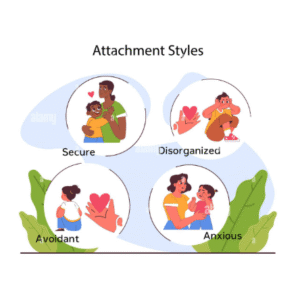
Secure Attachment

  • Predictable caregiving

  • Emotional validation

  • Safe emotional expression

This wires the brain for:

  • Emotional regulation

  • Healthy relationships

  • Self-soothing

Insecure or Disorganized Attachment (Common in Toxic Parenting)

  • Fear mixed with love

  • Inconsistent responses

  • Emotional unpredictability

This wires the brain for:

  • Hyper-independence or clinginess

  • Fear of abandonment

  • Difficulty trusting others

  • Confusion between love and pain

Toxic Parenting and Emotional Regulation Development

Children learn emotional regulation through co-regulation—caregivers helping them calm down.

In toxic environments:

  • Emotions are dismissed or punished

  • Children are told to “stop crying” or “be strong”

  • Emotional expression is unsafe

The brain learns:

  • Suppress emotions (leading to numbness)

  • Explode emotionally (no regulation skills)

  • Disconnect from internal signals

These patterns become deeply ingrained neural habits.

Cognitive and Learning Consequences

Chronic stress impacts a child’s ability to:

  • Focus

  • Process information

  • Retain memory

  • Think creatively

This can result in:

  • Academic underachievement

  • Misdiagnosis as “lazy” or “unmotivated”

  • Attention difficulties

  • Reduced executive functioning

Often, the issue is not intelligence—but a brain stuck in survival mode.

Behavioral and Emotional Outcomes Linked to Brain Changes

Children raised with toxic parenting may show:

In Childhood

  • Aggression or extreme compliance

  • Anxiety and fearfulness

  • Emotional outbursts

  • Withdrawal or shutdown

  • Difficulty with peers

In Adolescence

  • Risk-taking behaviors

  • Substance use

  • Self-harm

  • Emotional numbness

  • Identity confusion

In Adulthood

  • Chronic anxiety or depression

  • Relationship difficulties

  • Low self-esteem

  • People-pleasing or avoidance

  • Trauma responses (fight, flight, freeze, fawn)

Epigenetics: How Toxic Parenting Can Alter Gene Expression

Toxic stress does not change DNA—but it can change how genes are expressed.

Through epigenetic mechanisms:

  • Stress-related genes become overactive

  • Emotional regulation genes may be under-expressed

  • Vulnerability to mental health disorders increases

This means early experiences can biologically embed trauma responses—yet healing experiences can also reverse these effects.

Is the Damage Permanent?

No. The brain is plastic, meaning it can rewire throughout life.

While early trauma leaves an imprint, healing relationships, therapy, and self-awareness can create new neural pathways.

Factors That Promote Healing

  • Safe, supportive relationships

  • Trauma-informed therapy

  • Emotional awareness and regulation skills

  • Mindfulness and body-based practices

  • Corrective emotional experiences

Healing the Brain After Toxic Parenting

1. Therapy and Counseling

  • Trauma-focused CBT

  • Attachment-based therapy

  • EMDR

  • Somatic therapies

These approaches help regulate the nervous system and rewire stress responses.

2. Developing Emotional Literacy

  • Naming emotions

  • Understanding triggers

  • Validating inner experiences

This strengthens the prefrontal cortex and emotional integration.

3. Re-Parenting and Self-Compassion

  • Learning to provide safety internally

  • Setting healthy boundaries

  • Meeting unmet childhood needs consciously

4. Mind-Body Regulation

  • Breathwork

  • Yoga

  • Grounding exercises

  • Mindfulness

These calm the amygdala and regulate cortisol levels.

Breaking the Cycle: Healing for Future Generations

Many adults raised by toxic parents fear repeating the same patterns. Awareness is the first step to change.

Conscious parenting includes:

  • Reflecting on one’s triggers

  • Repairing ruptures with children

  • Validating emotions

  • Prioritizing connection over control

Healing yourself helps protect your child’s developing brain.

When to Seek Professional Help

Seek support if you or your child experience:

  • Persistent anxiety or depression

  • Emotional dysregulation

  • Trauma symptoms

  • Relationship difficulties

  • Parenting overwhelm rooted in past trauma

Early intervention creates long-term neurological and emotional benefits.

Conclusion

Toxic parenting does not just hurt feelings—it reshapes the developing brain. Chronic emotional stress alters fear circuits, impairs emotional regulation, and wires children for survival rather than safety. These changes can echo into adulthood, influencing mental health, relationships, and self-worth.

Yet, the story does not end with damage. The brain’s ability to heal means that awareness, support, and compassionate intervention can rewrite neural pathways. By understanding the impact of toxic parenting, we empower individuals and families to break cycles, heal wounds, and create emotionally safe environments where children’s brains—and lives—can truly thrive.

Healing the brain begins with safety, compassion, and connection.

Reference

  1. Emotional Neglect in Childhood
    👉 https://www.selfbloomcounsellinghub.com/emotional-neglect-in-children
    Anchor: emotional neglect

  2. Attachment Styles and Childhood Experiences
    👉 https://www.selfbloomcounsellinghub.com/attachment-styles-childhood
    Anchor: attachment patterns

  3. How Stress Affects the Brain
    👉 https://www.selfbloomcounsellinghub.com/stress-and-brain-development

  4. Signs of Behavioral Issues in Children (Age-Wise)
    👉 https://www.selfbloomcounsellinghub.com/behavioral-issues-in-children

  5. Healing the Inner Child
    👉 https://www.selfbloomcounsellinghub.com/inner-child-healing

  6. When to See a Child Psychologist
    👉 https://www.selfbloomcounsellinghub.com/child-psychologist-consultation

  7. Inner Child Healing: What It Is & Why It Matters

  8. How to Improve Parent–Child Communication

Signs of Behavioral Issues in Children (Age-Wise): A Comprehensive Guide for Parents & Caregivers

Introduction

Children communicate their needs, emotions, and struggles primarily through behavior. What may appear as “naughty,” “stubborn,” or “attention-seeking” behavior is often a signal of unmet emotional, developmental, or psychological needs. Behavioral issues in children are not signs of bad parenting or a “problem child”—they are indicators that something within the child’s internal or external world needs attention.

Understanding age-appropriate behavior vs. warning signs is crucial. A tantrum in a toddler is developmentally normal, but the same behavior in a 10-year-old may indicate emotional dysregulation or stress. Early identification of behavioral concerns allows timely intervention, reducing the risk of long-term emotional, academic, and social difficulties.

This article explores behavioral issues in children age-wise, from infancy to adolescence, helping parents, teachers, and caregivers recognize red flags early and respond with empathy and evidence-based strategies.

What Are Behavioral Issues in Children?

Behavioral issues refer to persistent patterns of behavior that interfere with a child’s daily functioning, relationships, learning, or emotional well-being. These behaviors are usually:

  • Repetitive

  • Intense or extreme for the child’s age

  • Persistent over time

  • Difficult to manage with usual discipline strategies

Common Categories of Behavioral Issues

  • Externalizing behaviors: Aggression, defiance, hyperactivity

  • Internalizing behaviors: Anxiety, withdrawal, sadness

  • Developmental concerns: Delayed communication, poor social skills

  • Regulation difficulties: Emotional outbursts, impulsivity

Not all difficult behavior is pathological. The key question is:

Is the behavior developmentally appropriate, temporary, and responsive to support—or persistent and disruptive?

Signs of Behavioral Issues in Infancy (0–2 Years)

Infancy is a period of rapid neurological and emotional development. Babies communicate distress through crying, body language, and feeding or sleep patterns.

Normal Developmental Behaviors

  • Crying to express hunger or discomfort

  • Stranger anxiety after 6–8 months

  • Separation distress

  • Irregular sleep patterns

Concerning Behavioral Signs in Infants

1. Excessive or Inconsolable Crying

  • Crying for several hours daily without clear cause

  • Difficulty calming even when basic needs are met

  • May indicate sensory sensitivity, attachment concerns, or caregiver stress

2. Poor Eye Contact

  • Limited eye contact beyond 6 months

  • Reduced social smiling

  • Possible early sign of neurodevelopmental concerns

3. Feeding and Sleep Disturbances

  • Extreme feeding refusal

  • Very fragmented sleep beyond developmental norms

  • May reflect emotional insecurity or regulatory difficulties

4. Lack of Social Responsiveness

  • Minimal reaction to caregiver’s voice or touch

  • Limited babbling or vocal play

Why early signs matter: Early brain plasticity allows intervention to significantly improve outcomes.

Behavioral Issues in Toddlers (2–3 Years)

Toddlers are learning autonomy, emotional expression, and language. This stage often includes intense emotions.

Normal Toddler Behaviors

  • Tantrums due to limited verbal skills

  • Saying “no” frequently

  • Testing limits

  • Separation anxiety

Red Flags in Toddlerhood

1. Extreme and Frequent Tantrums

  • Daily tantrums lasting more than 20–30 minutes

  • Aggression during tantrums (biting, head-banging)

  • Difficulty calming even with caregiver support

2. Aggressive Behavior

  • Hitting, biting, or kicking beyond occasional incidents

  • Aggression toward animals or siblings

3. Language Delay with Behavioral Frustration

  • Limited words leading to intense frustration

  • Screaming instead of communicating needs

4. Poor Emotional Regulation

  • Sudden mood shifts

  • Inability to self-soothe

5. Minimal Interest in Social Interaction

  • Prefers solitary play excessively

  • Avoids peer interaction

Behavioral Issues in Preschool Children (3–5 Years)

Preschool years are critical for socialization, impulse control, and emotional learning.

Typical Preschool Behaviors

  • Imaginary play

  • Occasional lying (fantasy vs reality confusion)

  • Strong emotions with growing regulation

Warning Signs in Preschool Age

1. Persistent Aggression

  • Frequent hitting, pushing, or threatening behavior

  • Difficulty following simple rules

  • Disruptive in group settings

2. Defiance and Non-Compliance

  • Refusal to follow instructions consistently

  • Extreme oppositional behavior

3. Excessive Fear or Anxiety

  • Clinginess beyond age norms

  • Refusal to attend preschool

  • Nightmares and physical complaints (stomachaches)

4. Poor Peer Relationships

  • Difficulty sharing or taking turns

  • Frequent conflicts

  • Rejection by peers

5. Regressive Behaviors

  • Bedwetting after being toilet-trained

  • Baby talk or thumb-sucking returning under stress

Behavioral Issues in Early School-Age Children (6–8 Years)

At this stage, children face academic expectations, peer comparison, and structured routines.

Normal Behaviors

  • Desire for adult approval

  • Sensitivity to rules

  • Occasional frustration with schoolwork

Concerning Signs in Early School Years

1. Attention and Concentration Difficulties

  • Easily distracted

  • Difficulty completing tasks

  • Poor impulse control

2. Emotional Outbursts

  • Intense anger over small issues

  • Difficulty coping with disappointment

  • Frequent crying episodes

3. School Refusal

  • Complaints of illness before school

  • Anxiety related to separation or performance

4. Low Self-Esteem

  • Negative self-talk (“I’m stupid”)

  • Avoiding challenges

  • Fear of making mistakes

5. Social Withdrawal

  • Avoiding friends

  • Playing alone excessively

  • Appearing isolated in school settings

Behavioral Issues in Middle Childhood (9–11 Years)

Children develop deeper self-awareness, moral reasoning, and peer identity.

Expected Developmental Changes

  • Desire for independence

  • Peer approval becomes important

  • Increased emotional complexity

Red Flags in Middle Childhood

1. Persistent Defiance or Rule-Breaking

  • Lying frequently

  • Stealing

  • Ignoring consequences

2. Chronic Anxiety or Worry

  • Perfectionism

  • Excessive fear of failure

  • Overthinking social situations

3. Emotional Withdrawal

  • Reduced communication with parents

  • Loss of interest in activities once enjoyed

4. Anger and Irritability

  • Frequent moodiness

  • Explosive reactions

  • Passive-aggressive behavior

5. Academic Decline

  • Sudden drop in grades

  • Avoidance of homework

  • Complaints about school

Behavioral Issues in Adolescents (12–18 Years)

Adolescence is marked by identity formation, emotional intensity, and neurological changes.

Normal Adolescent Behaviors

  • Mood swings

  • Desire for privacy

  • Questioning authority

  • Increased peer influence

Serious Behavioral Warning Signs

1. Extreme Mood Changes

  • Persistent sadness or irritability

  • Emotional numbness

  • Frequent emotional shutdowns

2. Risk-Taking Behaviors

  • Substance use

  • Unsafe sexual behavior

  • Reckless actions

3. Aggression or Violence

  • Physical fights

  • Threatening behavior

  • Destruction of property

4. Social Isolation

  • Cutting off friendships

  • Avoiding family interaction

  • Excessive screen use as escape

5. Self-Harm or Suicidal Thoughts

  • Cutting, burning, or harming self

  • Talking about death or hopelessness

  • Writing or posting alarming content online

Immediate professional help is crucial if these signs are present.

Causes of Behavioral Issues in Children

Behavioral problems are rarely caused by a single factor.

Common Contributing Factors

  • Parenting style (inconsistent discipline, harsh punishment)

  • Family conflict or trauma

  • Attachment disruptions

  • Learning difficulties

  • Neurodevelopmental conditions

  • Emotional neglect

  • Bullying or peer rejection

  • Excessive screen exposure

When Should Parents Seek Professional Help?

Consider consulting a child psychologist or counselor if:

  • Behavior persists for more than 6 months

  • Behavior interferes with school or relationships

  • Child seems emotionally distressed

  • Usual parenting strategies don’t work

  • There is risk of harm to self or others

How Parents and Caregivers Can Support Children

1. Practice Emotion Coaching

  • Name emotions

  • Validate feelings

  • Teach coping strategies

2. Maintain Consistent Routines

  • Predictability increases emotional safety

3. Set Clear and Compassionate Boundaries

  • Firm but calm discipline

  • Focus on teaching, not punishment

4. Reduce Screen Time

  • Encourage outdoor play and connection

5. Seek Early Intervention

  • Therapy works best when started early

Conclusion

Behavioral issues in children are messages, not misconduct. Each age brings unique challenges, and understanding what is developmentally appropriate versus concerning allows adults to respond with empathy rather than fear or blame.

Early recognition, emotional attunement, and professional support can transform behavioral struggles into opportunities for growth. A child who feels seen, heard, and supported learns not only how to behave—but how to regulate emotions, build resilience, and thrive.

Behind every behavior is an emotion. When we understand the emotion, we can guide the behavior.

Reference


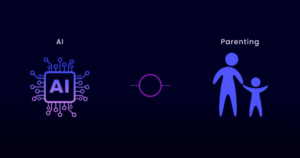
How AI Is Changing Parenting & Child Behavior

Introduction: A New Era of Digital Parenting

We are living in a world where Artificial Intelligence (AI) has become part of daily life—whether in classrooms, phones, entertainment, learning apps, or parenting decisions. From YouTube algorithms shaping a child’s attention span to AI-powered toys teaching language skills, today’s children grow up surrounded by intelligent systems.

This is the first generation that is co-raised by parents and AI.

AI is transforming how children learn, behave, communicate, regulate emotions, and think. At the same time, it is reshaping how parents guide, discipline, protect, and monitor their children.

Understanding the impact of AI on childhood development and parenting dynamics is crucial for raising emotionally healthy, resilient children in an AI-powered world.

This article explores how AI influences child behavior, its benefits, hidden risks, and practical guidelines for healthy digital parenting.

1. Understanding AI in the Context of Parenting

AI is no longer just robots or futuristic machines. In everyday life, AI refers to:

  • Content recommendation algorithms (YouTube, Netflix, Instagram, reels)

  • AI toys (smart speakers, chatbots, interactive learning robots)

  • AI education & tutoring apps

  • Parental monitoring tools

  • Home assistants (Alexa, Google Assistant)

  • Automatic content filters

  • AI mental health apps

  • Voice recognition systems

Children interact with AI even before they understand what technology is.

Parents use AI for:

  • Learning support

  • Safety monitoring

  • Behavior management

  • Entertainment

  • Skill development

  • Communication

AI influences parenting styles, children’s cognition, emotional skills, and social behavior.

2. How AI Is Changing Child Behavior

AI impacts child development in both positive and challenging ways. Let’s explore both sides through behavioral psychology.

2.1. Impact on Attention Span

AI-powered platforms like YouTube, reels, and gaming apps use algorithms to maximize attention.
They:

  • Show fast-paced content

  • Reduce boredom

  • Deliver instant rewards

  • Encourage rapid switching

This leads to:

Benefits

  • Quick learning

  • Better visual processing

  • Multitasking ability

Challenges

  • Shorter attention span

  • Difficulty focusing in class

  • Low tolerance for slow-paced activities

  • High distractibility

  • Reduced patience

This is why many teachers report students struggling to stay attentive for more than 10–15 minutes.

2.2. Emotional Regulation & Dopamine Dependence

AI-based entertainment releases dopamine instantly.

Children get used to:

  • Quick satisfaction

  • Immediate results

  • Zero waiting time

This rewires the brain to seek:

  • High stimulation

  • Fast rewards

  • Continuous fun

Negative Effects:

  • Low frustration tolerance

  • Increased irritability

  • Emotional meltdowns

  • Difficulty regulating emotions

  • Boredom with real-life activities

  • Impulse control problems

AI can unintentionally create a “dopamine dependency loop.”

2.3. Reduced Real-Life Social Skills

Children interacting too much with screens and AI tools may show:

  • Lower face-to-face communication skills

  • Difficulty reading emotional cues

  • Reduced empathy

  • Social withdrawal

  • Anxiety during real interactions

AI does not provide emotional nuance or human warmth.
Kids need social exposure to build confidence and relationship skills.

2.4. Academic Skills: Boost or Barrier?

AI learning apps, personalized tutoring, and chatbots help children learn:

Benefits

  • Tailored learning speed

  • Instant feedback

  • Gamified learning

  • 24/7 availability

  • Improved conceptual understanding

Challenges

  • Dependency on AI for answers

  • Reduced problem-solving ability

  • Lack of deep thinking

  • Over-reliance on shortcuts

  • Difficulty with independent study

AI gives answers quickly—children may not learn how to think.

2.5. Impact on Creativity

AI tools generate drawings, stories, music, and ideas.

Benefits

  • Enhances creativity

  • Encourages experimentation

  • Supports artistic exploration

Challenges

  • Children rely on AI to create instead of using imagination

  • Reduced originality

  • Passive consumption of content

Creativity requires boredom, reflection, and curiosity—AI minimizes these.

2.6. Emotional Attachment to Technology

Some children treat AI like a friend.

They talk to:

  • Alexa

  • Chatbots

  • AI companions

  • Voice assistants

This can lead to:

Positive:

  • Language development

  • Emotional expression

  • Confidence

Negative:

  • Emotional dependence on devices

  • Expectation that humans will respond instantly

  • Reduced interest in human bonding

Children may start preferring AI responses over parents.

2.7. Behavior & Discipline Challenges

AI entertainment gives children:

  • Choice

  • Control

  • Instant gratification

In contrast, parents provide:

  • Rules

  • Delay of gratification

  • Discipline

This mismatch causes:

  • Tantrums

  • Oppositional behavior

  • Negotiation over screen time

  • Difficulty following household rules

AI designs content to keep children hooked; parents struggle to enforce limits.

3. How AI Is Transforming Parenting

Parenting is becoming easier in some ways, harder in others.

3.1. Convenience & Support

AI provides:

  • Homework help

  • Language learning

  • Bedtime stories

  • Activity suggestions

  • Emotional development content

  • Safety monitoring

  • Digital reminders

This reduces parental workload and stress.

3.2. Over-Reliance on AI for Babysitting

Busy parents often use AI as a modern babysitter.

  • YouTube Kids

  • Cartoons

  • AI games

  • Smart toys

While this helps in emergencies, excessive use leads to behavior problems.

3.3. Parental Control Tools

AI helps parents:

  • Track screen time

  • Filter unsafe content

  • Monitor online behavior

  • Restrict apps

  • Detect cyberbullying

  • Block harmful websites

Parents feel more confident protecting their children online.

3.4. Emotional Support for Parents

AI tools help parents:

  • Understand child psychology

  • Search solutions

  • Get immediate answers

  • Reduce anxiety

Apps, blogs, and AI systems act like mini parenting coaches.

3.5. The Risk of “Digital Over-Parenting”

Using AI for:

  • Constant monitoring

  • Location tracking

  • Behavior prediction

  • Performance analytics

may create:

  • Stress in children

  • Reduced autonomy

  • Low confidence

  • Fear of making mistakes

Children need independence to grow.

4. Positive Impacts of AI on Children

4.1. Improved Learning

AI-powered learning apps provide:

  • Personalized lessons

  • Adaptive difficulty

  • Instant feedback

Children learn faster and better.

4.2. Better Emotional Awareness

AI storytelling apps teach:

  • Empathy

  • Feelings identification

  • Social skills

  • Communication

4.3. Skill Building

Children can learn:

  • Coding

  • Math

  • Science

  • Creativity

  • Robotics

AI tools enhance brain development.

4.4. Safe Exploration

Parents feel safer allowing children to explore the internet with filters and tracking systems.

4.5. Support for Children with Special Needs

AI is transformative for:

  • Autism

  • ADHD

  • Speech disorders

  • Learning disabilities

AI helps with:

  • Speech therapy

  • Behavioral support

  • Social stories

  • Sensory guidance

5. Risks and Challenges of AI for Children

5.1. Screen Addiction

AI-driven platforms are designed to keep children watching.

5.2. Reduced Cognitive Development

If AI solves everything, children don’t learn critical thinking.

5.3. Privacy Risks

AI collects:

  • Behavior data

  • Voice recordings

  • Learning preferences

This raises ethical concerns.

5.4. Overstimulation

AI content overloads a child’s brain with visuals and audio leading to:

  • Hyperactivity

  • Anxiety

  • Poor sleep

5.5. Aggression & Impulsive Behavior

Fast-paced content affects emotional control.

5.6. Unrealistic Expectations

Children expect instant results, similar to AI responses.

6. AI & Parenting Styles: A New Psychological Perspective

AI is subtly affecting parenting psychology.

6.1. Authoritarian Parents

Use AI for monitoring & discipline:

  • Screen limits

  • Location tracking

  • Strict filters

Possible effects:

  • Child rebellion

  • Hiding online behavior

6.2. Permissive Parents

Use AI for entertainment to avoid conflicts.

Possible effects:

  • Lack of boundaries

  • Poor discipline

6.3. Gentle/Attachment Parents

Use AI for emotional learning tools.

Possible effects:

  • Balanced usage

  • Healthy emotional growth

6.4. Overprotective Parents

Use AI for constant surveillance.

Possible effects:

  • Child anxiety

  • Reduced independence

7. How Parents Can Use AI Mindfully (Actionable Guidelines)

Here are practical tips.

7.1. Follow the 20-20-20 Rule

For every 20 minutes of screen time:
➡️ Look away for 20 seconds
➡️ At something 20 feet away

This protects vision and reduces strain.

7.2. Digital Curfew

No screens 1 hour before sleep.

7.3. Co-Engagement

Parents should watch or play with children, not let AI replace interaction.

7.4. Teach Digital Literacy

Explain:

  • What AI is

  • How algorithms work

  • Why content is recommended

Children become smarter users.

7.5. Use AI for Learning, Not Entertainment

Encourage apps for:

  • Reading

  • Math

  • Science

  • Creativity
    Avoid addictive content.

7.6. Encourage Offline Activities

  • Outdoor play

  • Reading

  • Board games

  • Family time

  • Hobbies

These balance AI exposure.

7.7. Build Emotional Intelligence Without AI

Teach children:

  • Patience

  • Problem-solving

  • Self-control

  • Communication

These skills require human guidance.

7.8. Set Clear Boundaries

Examples:

  • No screens during meals

  • Restricted app hours

  • “Tech-free Sundays”

Boundaries build discipline.

8. Future: What Will AI-Influenced Parenting Look Like?

Prediction 1: AI-Coached Parenting

Parents will rely on AI to detect:

  • Mood patterns

  • Behavioral issues

  • Learning gaps

Prediction 2: AI Tutors for Every Child

Prediction 3: Digital Twins for Children

Digital models predicting behavior and preferences.

Prediction 4: AI Emotional Companions

Children may talk to AI for emotional comfort.

Prediction 5: Increased Need for Digital Therapy

Children may need:

  • Screen detox

  • Emotional support

  • Behavior correction

Conclusion: AI Should Empower—Not Replace—Parents

AI is a powerful tool, but human connection remains irreplaceable.
Children need:

  • Emotional warmth

  • Companionship

  • Real-life interactions

  • Secure attachment

  • Guidance

  • Boundaries

Parents should use AI wisely to support learning and development—not as a replacement for love, attention, and human mentoring.

With mindful use, AI can become a partner in raising emotionally intelligent, confident, and capable children for the future.

Reference

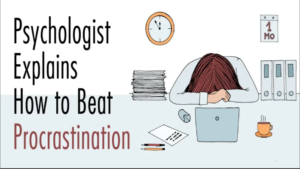
Psychology of Procrastination (Tips That Actually Work)

Introduction: Why We Procrastinate Even When We Know Better

Procrastination is not about laziness. It is a deep psychological behavior rooted in emotion, avoidance, fear, and brain chemistry. People procrastinate not because they don’t want to work, but because their brain wants to avoid discomfort, escape negative emotions, or seek temporary pleasure.

Whether you’re a student delaying assignments, a professional postponing deadlines, or someone who puts off life goals, procrastination can feel like an invisible force controlling your life. But once you understand the real psychology behind it, you can break the pattern with strategies that actually work.

This article explores the science of procrastination, the emotional and cognitive reasons behind it, and powerful evidence-based techniques to overcome it.

1. What Is Procrastination? 

Procrastination is the voluntary delay of an important task despite knowing the delay will have negative consequences.

It is not a time-management problem. It is an emotion-regulation problem.

Psychologists explain that procrastination happens when:

  • A task triggers uncomfortable feelings

  • The brain seeks immediate relief

  • We choose a more pleasant activity instead

  • The cycle repeats, increasing guilt and stress

This creates the “Procrastination Loop.”

2. Why People Procrastinate: The Psychology Behind It

2.1. Emotional Discomfort

Tasks trigger emotions like:

  • Anxiety

  • Fear

  • Overwhelm

  • Boredom

  • Frustration

The brain avoids the task to avoid uncomfortable feelings.

2.2. Fear of Failure

People avoid tasks when they believe:

  • “I won’t do it perfectly.”

  • “What if I fail?”

  • “People will judge me.”

To protect self-esteem, the brain delays tasks.

2.3. Fear of Success

Success brings:

  • Higher expectations

  • More responsibility

  • Fear of visibility

Some people avoid tasks to avoid new pressure.

2.4. Perfectionism

Perfectionists delay tasks because “it’s not the perfect time,” or “I want to start when everything is ideal.”

This leads to:

  • Overplanning

  • Overthinking

  • Paralysis by analysis

2.5. Task Aversion

Tasks that feel boring, complex, or unclear trigger avoidance.

The brain chooses:

  • Scrolling

  • YouTube

  • Food

  • Sleep

  • Social media

Anything easier and more rewarding.

2.6. Lack of Structure

Without routines, the brain has no anchor.
Ambiguous tasks feel overwhelming and easy to avoid.

2.7. Low Self-Efficacy

If you believe, “I can’t do it,” you will delay starting.

2.8. ADHD and Executive Dysfunction

Procrastination is common among people with:

  • ADHD

  • Trauma history

  • Anxiety disorders

  • Depression

These conditions reduce motivation, focus, and planning ability.

2.9. Instant Gratification (Dopamine Effect)

The brain prefers activities that release dopamine fast:

  • Social media

  • Entertainment

  • Comfort eating

Tasks that require effort release slow dopamine, so the brain avoids them.

2.10. Decision Fatigue

Too many decisions drain mental energy, making you postpone work.

2.11. Low Motivation

Motivation does not come before action.
Action creates motivation.

3. The Procrastination Cycle Explained

Psychologists describe procrastination as a loop:

Step 1 — A task creates discomfort

“I don’t know where to start.”
“It feels too big.”

Step 2 — You avoid the task

You distract yourself.

Step 3 — You feel relief

Avoidance brings temporary comfort.

Step 4 — Guilt and shame begin

“I wasted time again.”

Step 5 — Stress and pressure increase

Deadlines get closer.

Step 6 — You continue procrastinating

The cycle repeats.

Breaking the cycle requires changing your emotional response, not just your schedule.

4. Different Types of Procrastinators

4.1. The Perfectionist

Delays because nothing feels perfect enough.

4.2. The Overwhelmed Procrastinator

Feels tasks are “too big” or “too many.”

4.3. The Crisis-Maker

Believes they work better under pressure.

4.4. The Avoider

Fears judgment, criticism, or failure.

4.5. The Dreamer

Good with ideas, struggles with execution.

4.6. The People-Pleaser

Takes on too many tasks, gets overwhelmed.

4.7. The Disorganized Procrastinator

Lacks systems and structure.

Knowing your type helps you choose the right strategies.

5. Early Signs You’re Procrastinating

  • You keep saying “I’ll start tomorrow.”

  • You feel anxious when thinking about a task.

  • You wait until last minute.

  • You avoid checking emails or notifications.

  • You feel you don’t have the “energy” to start.

  • You start leisure activities first.

  • You overthink instead of taking action.

6. Science-Backed Strategies to Beat Procrastination

Here are psychology-based techniques that actually work.

6.1. The 5-Minute Rule (Behavioral Activation)

Tell yourself:
“I will do this task for just 5 minutes.”

Once you start, momentum takes over.

6.2. Break Tasks Into Micro-Steps

The brain avoids big tasks.
Make them tiny:

Instead of:
“Write the report.”
Try:
“Open the laptop.”
“Write the first sentence.”

Small wins reduce overwhelm.

6.3. Use the 2-Minute Rule

If something takes less than 2 minutes, do it now.

It prevents task accumulation.

6.4. The Pomodoro Technique

Work 25 minutes → Rest 5 minutes.

This reduces mental fatigue and increases focus.

6.5. Remove the Trigger, Not the Task

If your environment triggers procrastination:

  • Keep your phone outside

  • Block distracting sites

  • Clean your desk

  • Use noise-canceling headphones

Change the environment → change the behavior.

6.6. Time Blocking

Assign specific time windows for specific tasks.

This eliminates decision fatigue.

6.7. Start With the Easiest Task

Completing a small task gives a dopamine boost and builds momentum.

6.8. Reward Yourself

Pair a task with a reward:

  • Coffee

  • A walk

  • 10 minutes of scrolling

  • A short video

Rewards train your brain to associate tasks with pleasure.

6.9. Use Implementation Intentions (IF–THEN Plan)

Example:
“If it’s 9 AM, then I will start writing the report.”

This removes mental negotiation.

6.10. Set Clear Boundaries

Avoid multitasking.
Say NO to unnecessary responsibilities.

Boundaries reduce mental clutter.

6.11. Manage Emotions, Not Time

Ask:
“What emotion is making me avoid this?”
Is it fear?
Is it overwhelm?
Is it boredom?

Naming the emotion reduces avoidance.

6.12. Practice Self-Compassion

Being harsh on yourself increases procrastination.

Say:
“It’s okay. I just need to start small.”

Kindness motivates action.

6.13. Build Consistency with Tiny Habits

Examples:

  • 5 minutes of reading

  • 10 minutes of cleaning

  • One paragraph of writing

Consistency builds discipline.

6.14. Use Accountability Systems

Tell someone your goal.
Share progress.
Join a study/work buddy.

It increases commitment.

6.15. Visualize the Future Self

Ask:
“What will my future self thank me for?”

This increases motivation and reduces avoidance.

6.16. Fix Sleep, Nutrition, and Energy Levels

Procrastination increases when:

  • Sleep is poor

  • Blood sugar is low

  • Energy is drained

A tired brain avoids effort.

6.17. Limit Social Media Dopamine

Use:

  • App timers

  • “Do not disturb”

  • Phone-free work zones

Dopamine detox improves focus.

6.18. Create a WIN List (Instead of To-Do List)

Write 3–5 things you already accomplished.
This boosts motivation and reduces guilt.

6.19. Reframe the Task

Instead of saying:
“I have to do it,”
say:
“I choose to do it.”
“This helps me grow.”

Reframing increases willingness.

6.20. Get Professional Support

Therapy helps with:

  • ADHD

  • Chronic procrastination

  • Low motivation

  • Trauma-based avoidance

  • Perfectionism

  • Anxiety

CBT is especially effective.

7. Long-Term Strategies That Rewire Your Brain

7.1. Build Discipline Over Motivation

Motivation is unreliable.
Discipline is stable.

7.2. Create Identity-Based Goals

Instead of:
“I want to read more.”
Say:
“I am someone who reads daily.”

7.3. Build a Routine Your Brain Can Predict

Same wake-up time, same work schedule.
Predictability reduces procrastination.

7.4. Reduce Decision Fatigue

Plan your day the night before.

7.5. Celebrate Progress, Not Perfection

Small progress → big results.

7.6. Practice Dopamine Balancing

Alternate between effort and reward.

7.7. Challenge Negative Self-Talk

Replace:
“I can’t do this.”
with
“I’ll try step 1.”

8. How Procrastination Affects Mental Health

Chronic procrastination can lead to:

  • Anxiety

  • Self-doubt

  • Shame

  • Low self-esteem

  • Stress

  • Depression

  • Sleep problems

  • Poor academic or job performance

  • Emotional burnout

Breaking the procrastination cycle protects long-term mental health.

9. How to Help Students, Professionals & Teens Overcome Procrastination

For Students:

  • Break tasks into small chunks

  • Use a study timetable

  • Reduce digital distraction

  • Join group study

  • Ask teachers for clarity

For Working Professionals:

  • Time blocking

  • Project management tools

  • Priority lists

  • Work environment optimization

  • Delegation

For Teens:

  • Clear routines

  • Limited screen time

  • Emotional awareness

  • Supportive parenting

10. When to Seek Professional Help

Seek help if procrastination causes:

  • Loss of control

  • Missing important deadlines

  • Job risk

  • Academic failure

  • Severe anxiety

  • Avoidance habits

  • Emotional breakdown

Therapists can help you build structure, emotional regulation, and behavioural strategies.

Conclusion: You Don’t Need Motivation — You Need Strategy

Procrastination is not a personal flaw.
It’s a psychological pattern that can be changed.

By understanding your emotions, using science-backed methods, and creating supportive routines, you can break the cycle and build a productive, emotionally balanced life.

Remember:
You don’t need to feel ready to start.
You just need to start.

Reference

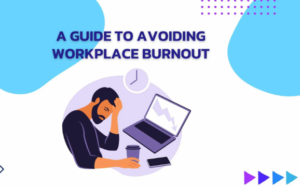
Workplace Burnout: Early Signs You Must Know

Introduction: The Silent Crisis in Modern Workplaces

Workplace burnout is one of the most common yet misunderstood mental health challenges of the modern world. With rising workloads, unrealistic deadlines, digital fatigue, high competition, and emotional exhaustion, employees across industries are reaching breaking points silently.

Burnout is not just “being tired.” It is a chronic psychological state, involving emotional depletion, mental fog, hopelessness, irritability, and reduced productivity caused by prolonged stress. Today, even the most passionate professionals—teachers, healthcare workers, entrepreneurs, corporate employees, and social service professionals—are experiencing burnout at alarming rates.

Understanding burnout early can prevent long-term mental health issues like anxiety, depression, insomnia, chronic stress, and breakdowns. This article explores the early warning signs, psychology, causes, and strategies to heal.

What Is Workplace Burnout? 

The World Health Organization (WHO) defines burnout as a workplace-specific syndrome resulting from chronic job stress that has not been successfully managed.

It includes three core components:

1. Emotional Exhaustion

Feeling drained, overwhelmed, or unable to cope emotionally.

2. Depersonalization (Cynicism)

Becoming emotionally detached or negative about work and people.

3. Reduced Personal Accomplishment

Feeling ineffective, unproductive, or doubting your own abilities.

Burnout builds slowly—often without obvious signs—until it becomes severe.

Why Burnout Is Increasing in Today’s Workforce

1. Always-On Work Culture

Emails, Teams notifications, WhatsApp groups, and remote work blur boundaries.

2. High Performance Pressure

Companies demand speed, perfection, and results constantly.

3. Poor Work-Life Balance

Work takes priority; rest, hobbies, and relationships fade.

4. Digital Overload

Constant screens, meetings, and multitasking overwhelm the brain.

5. Understaffing and Overburden

Fewer people doing more work with less time.

6. Lack of Control

Employees feel powerless, undervalued, or unheard.

7. Financial Stress

Rising cost of living increases pressure to perform and stay employed.

Burnout is no longer an exception—it’s becoming a workplace epidemic.

Early Signs of Burnout You Must Not Ignore

Burnout develops subtly. Here are early warning signs to identify before it becomes a crisis.

Emotional Signs

1. Constant Irritability

You get annoyed easily by small things—emails, messages, or questions.

2. Emotional Numbness

You feel detached, disconnected, or indifferent about work.

3. Feeling Overwhelmed

Even small tasks feel too big or too stressful.

4. Anxiety Before Work

You feel dread, restlessness, or palpitations before starting your day.

5. Increased Negative Thinking

Thoughts like:

  • “I can’t do this anymore.”

  • “What’s the point?”

  • “I’m failing.”

These indicate emotional exhaustion.

Cognitive Signs (Mind & Thinking)

1. Difficulty Concentrating

Your brain feels foggy, scattered, or slow.

2. Forgetfulness

Struggling to remember tasks or conversations.

3. Decline in Problem-Solving Ability

You feel mentally blocked or stuck.

4. Overthinking Small Mistakes

Your mind exaggerates errors or imperfections.

5. Reduced Creativity

You can’t think of new ideas or lose interest in innovation.

Behavioural Signs

1. Procrastination Increases

You delay tasks because they feel mentally exhausting.

2. Avoiding Meetings or Calls

You feel drained by even basic interactions.

3. Withdrawal from Colleagues

You avoid socializing, chatting, or engaging with your team.

4. Loss of Enthusiasm

Projects that once excited you now feel heavy.

5. Irrational Anger or Frustration

Small issues trigger big reactions.

6. Declining Performance

Even simple tasks take longer or feel harder to complete.

Physical Signs

Burnout affects the mind and body.

1. Chronic Fatigue

You feel tired even after resting.

2. Sleep Problems

Difficulty falling asleep, waking up tired, or insomnia.

3. Headaches & Migraines

Stress triggers neurological strain.

4. Digestive Issues

Stress affects the gut-brain connection.

5. Frequent Illness

Weakened immunity leads to colds or infections.

6. Muscle Tension

Tight shoulders, neck pain, or stiffness.

Psychological Causes Behind Burnout

Understanding the root psychological patterns helps prevent future burnout.

1. People-Pleasing & Overcommitment

Saying “yes” too often leads to exhaustion and resentment.

2. Perfectionism

Setting unrealistically high standards creates constant stress.

3. Imposter Syndrome

Feeling like a fraud increases pressure and anxiety.

4. Lack of Boundaries

Without limits, work invades personal time and mental space.

5. Fear of Failure

Overthinking, overworking, and avoiding risks worsen burnout.

6. Unhealthy Work Environment

Toxic bosses, unfair workloads, and poor communication increase mental stress.

7. Emotional Suppression

Hiding frustration or sadness increases internal pressure.

8. Low Self-Worth

Feeling “not good enough” forces you to overwork to prove yourself.

Stages of Burnout (According to Psychology)

Burnout develops in phases:

Stage 1: The Enthusiasm Phase

High motivation but unrealistic expectations.

Stage 2: The Stress Phase

Pressure builds. Fatigue, anxiety, and frustration start.

Stage 3: Chronic Stress Phase

Irritability, reduced performance, and withdrawal increase.

Stage 4: Burnout Phase

Mental, emotional, and physical exhaustion.

Stage 5: Habitual Burnout

Long-term burnout affects identity, relationships, and health.

Long-Term Risks of Ignoring Burnout

If untreated, burnout leads to:

  • Anxiety disorders

  • Depression

  • Chronic fatigue syndrome

  • High blood pressure

  • Heart issues

  • Substance dependence

  • Emotional breakdowns

  • Social withdrawal

  • Job dissatisfaction

  • Career stagnation

Burnout is not a temporary weakness—it is a serious health concern.

How to Prevent Burnout (Scientifically Proven Strategies)

1. Strengthen Emotional Boundaries

✔ Say “No”

Protect your energy by refusing unrealistic demands.

✔ Set Communication Limits

Avoid responding to messages outside work hours.

✔ Establish Personal Space

Keep work away from your bedroom or relaxation areas.

2. Reduce Digital Overload

  • Take screen breaks

  • Use focus mode

  • Avoid multitasking

  • Reduce unnecessary meetings

  • Limit constant notifications

Your brain needs downtime.

3. Practice Stress-Management Techniques

✔ Deep Breathing

Calms the nervous system.

✔ Journaling

Helps process emotions.

✔ Meditation

Increases clarity and emotional control.

✔ Yoga or Mindful Movement

Reduces tension and releases stress hormones.

4. Improve Work-Life Balance

  • Schedule breaks

  • Prioritize rest

  • Take vacations

  • Spend time offline

  • Engage in hobbies

Balance prevents exhaustion.

5. Build Support Networks

  • Connect with colleagues

  • Share workload concerns

  • Seek mentorship

  • Build emotional support systems

Humans are not designed to handle stress alone.

6. Reevaluate Career Expectations

Check if:

  • Your goals are realistic

  • Your workload matches your capacity

  • Your job aligns with your values

Sometimes burnout signals the need for change.

7. Practice Self-Compassion

Instead of being harsh on yourself:

  • Acknowledge your effort

  • Accept imperfection

  • Celebrate small wins

Self-kindness builds resilience.

8. Develop Healthy Routines

✔ Sleep hygiene

Ensure 7–8 hours daily.

✔ Physical movement

Walk, exercise, stretch.

✔ Nutrition

Eat balanced meals.

✔ Hydration

Drink enough water.

Daily habits shape long-term emotional strength.

How Managers & Leaders Can Prevent Team Burnout

1. Set Realistic Expectations

Avoid impossible deadlines.

2. Encourage Work-Life Balance

Respect personal boundaries.

3. Provide Autonomy

Employees feel more in control, reducing burnout.

4. Recognize Achievements

Validation boosts morale.

5. Improve Communication

Clear messages prevent emotional confusion.

6. Distribute Workload Fairly

Avoid overburdening a few employees.

A healthy work environment protects mental health.

When You Should Seek Professional Help

Seek support if you experience:

  • Persistent anxiety or sadness

  • Severe fatigue

  • Panic attacks

  • Loss of interest in life

  • Inability to function at work

  • Emotional breakdowns

Therapists can help with:

  • CBT for stress

  • Emotional regulation techniques

  • Burnout recovery

  • Coping skills

  • Productivity restructuring

Recovery is possible.

Conclusion: Burnout Is a Signal—Not a Failure

Burnout doesn’t mean you’re weak—it means you’ve been strong for too long without rest or support.

By recognizing early signs, setting boundaries, and nurturing emotional health, you can recover and protect your mental well-being.

Burnout is preventable, manageable, and treatable.
Listen to your mind. Listen to your body.
Your well-being matters more than any deadline.

Reference

How to Build Mental Toughness for Career Growth

Introduction: Why Mental Toughness Matters Today

In today’s fast-moving world, companies don’t just look for talent—they look for people who can handle pressure, adapt quickly, stay focused, and bounce back from setbacks. This ability is called mental toughness, and it has become one of the most important predictors of long-term career success.

While degrees, skills, and certifications matter, it is mental resilience that determines whether someone can grow, lead, innovate, and thrive—especially in competitive fields. Mental toughness is not about suppressing emotions or “being strong all the time.” It is the combination of:

  • Emotional stability

  • Discipline

  • Adaptability

  • Confidence

  • Stress tolerance

  • Problem-solving mindset

This article explores how mental toughness can be developed step by step, backed by psychology, neuroscience, and real-life examples.

What Is Mental Toughness? 

Mental toughness is the capacity to remain focused, confident, and resilient under stress. According to the Clough & Strycharczyk 4Cs Model, mental toughness includes:

1. Control

Your ability to regulate emotions and stay composed under pressure.

2. Commitment

Your consistency, discipline, and capacity to stay on track.

3. Challenge

Your ability to view obstacles as opportunities to grow.

4. Confidence

Believing in your skills and judgment, even when others doubt you.

Together, these create the foundation for career resilience.

Why Mental Toughness Is Essential for Career Growth

1. Helps You Handle Pressure

Work deadlines, performance evaluations, and high expectations can cause emotional overwhelm. Mental toughness makes you calm and strategic instead of reactive.

2. Improves Decision-Making

A resilient mind avoids panic-based decisions and evaluates problems rationally.

3. Strengthens Leadership Skills

All great leaders—from CEOs to managers—excel because they can remain stable in uncertainty.

4. Helps You Learn Faster

You bounce back from mistakes instead of staying stuck in insecurity.

5. Enhances Productivity

Tough-minded professionals are consistent. They don’t fall apart after a setback.

6. Increases Career Opportunities

Organizations trust people who can handle pressure, manage conflicts, and remain composed.

7. Protects Mental Health

Mental toughness doesn’t eliminate stress—it helps you manage it better.

Psychology Behind Mental Toughness

1. Growth Mindset (Carol Dweck)

People with a growth mindset believe skills can be developed. They embrace challenges instead of fearing failure.

2. Cognitive Behavioral Theory

Your thoughts create your emotions. Changing negative thought patterns increases resilience.

3. Neuroplasticity

The brain can rewire itself with practice. Resilience can be trained like a muscle.

4. Stress Inoculation Theory

Exposure to manageable stress levels builds tolerance, like a “mental gym.”

5. Emotional Regulation Theory

Those who regulate emotions—rather than suppress them—perform better and recover faster from setbacks.

12 Signs You Need to Build Mental Toughness

  • You get stressed quickly

  • You fear criticism

  • You avoid difficult tasks

  • You overthink decisions

  • You take setbacks personally

  • You procrastinate

  • You feel angry or anxious during pressure

  • You struggle with discipline

  • You give up when things get challenging

  • You rely on external motivation

  • You get drained by conflicts

  • You feel overwhelmed by responsibility

If you relate to even 5–6 points, building mental toughness will dramatically improve your career.

How to Build Mental Toughness for Career Growth (Step-by-Step)

Master Your Mindset

1. Shift from Fixed to Growth Mindset

A fixed mindset says:
“I’m either good or bad at something.”

A growth mindset says:
“I can improve with practice.”

How to develop this mindset:

  • Replace “I can’t do this” with “I can learn this.”

  • Celebrate effort, not talent.

  • Treat failures as experiments.

2. Challenge Negative Thoughts

Ask yourself:
“Is this fear real or imagined?”
“What evidence do I have?”
“What is a healthier alternative thought?”

This reduces anxiety and increases confidence.

3. Use Mental Contrasting (WOOP Method)

  • Wish: What you want

  • Outcome: Why it matters

  • Obstacle: What may block you

  • Plan: How you’ll overcome

This builds commitment and consistency.

Strengthen Emotional Regulation

1. Practice the 10-Second Pause

Instead of reacting impulsively:

  • Pause

  • Breathe

  • Respond intentionally

This prevents emotional hijacking.

2. Learn to Label Your Emotions

Psychology calls this affect labeling, which reduces emotional intensity.

Try saying:

  • “I’m feeling stressed.”

  • “I’m feeling disappointed.”

  • “I’m overwhelmed.”

Naming emotions reduces their power.

3. Develop Stress Management Habits

Daily habits for calmness:

  • Mindful breathing

  • Yoga

  • Journaling

  • Nature walks

  • 10-minute meditation

These regulate your nervous system and build resilience.

Build Discipline and Consistency

1. Follow the 2-Minute Rule

If something takes 2 minutes or less—do it immediately.

This reduces procrastination.

2. Create a Daily Non-Negotiable Routine

Examples:

  • Reading 10 pages

  • Writing 3 tasks for the day

  • 20-minute exercise

  • Skill practice

Consistency builds mental toughness.

3. Use the “3 Task Rule”

Instead of long to-do lists, complete the top 3 priorities.
Quality > quantity.

Build Stress Tolerance Through Gradual Challenges

1. Exposure to Small Stressors

Like:

  • Handling a difficult email

  • Speaking up in a meeting

  • Learning a new software

  • Taking responsibility on projects

Small wins build bigger courage.

2. Micro-Stress Practice

Set challenges:

  • Cold showers

  • 20-minute focus sessions

  • Waking up early

  • Completing hard tasks first

These train the brain to handle discomfort.

Build Confidence

1. Track Your Wins

Create a “success journal.”
Write daily:

  • What you achieved

  • What you learned

  • How you handled difficulties

This builds self-belief.

2. Improve Body Language

Confident posture signals strength to the brain itself.

3. Develop Competence

Confidence = competence + practice.

Upskill in:

  • Communication

  • Decision-making

  • Leadership

  • Project efficiency

  • Technology

Each skill strengthens workplace resilience.

Build Mental Agility

1. Learn to Pivot Quickly

Adapt when:

  • Deadlines change

  • Colleague behaviour shifts

  • New responsibilities come

Flexibility is the foundation of mental toughness.

2. Practice “Cognitive Flexibility”

Try:

  • Learning a new skill

  • Solving puzzles

  • Changing routines

  • Thinking from another person’s perspective

This builds mental sharpness.

Build Professional Independence

1. Rely Less on External Validation

Stop needing constant approval.
Trust your skills and judgment.

2. Learn Decision-Making

Use the 70% Rule:
If you have 70% information, decide.
Waiting for perfection causes paralysis.

3. Set Boundaries

Examples:

  • No work after 8 PM

  • No saying yes to everything

  • No burnout-inducing workload

Strong boundaries = strong mind.

 Mental Toughness and Leadership

Leaders need the ability to:

  • Stay calm in crisis

  • Make difficult decisions

  • Solve conflicts

  • Motivate teams

  • Handle criticism

  • Manage unpredictable environments

Mental toughness is a primary trait of high-performing leaders like CEOs, managers, entrepreneurs, and innovators.

Career Situations Where Mental Toughness Helps Most

1. Job Interviews

You become more confident and articulate.

2. Workplace Conflicts

You learn to respond calmly, not react emotionally.

3. High-Pressure Projects

Resilience prevents burnout.

4. Leadership Roles

You handle responsibility without breaking down.

5. Skill Development

You stay consistent despite challenges.

6. Career Transitions

You adapt easily to new environments.

7. Entrepreneurship

You handle uncertainty without anxiety.

How to Stay Tough When Work Gets Hard

1. Avoid Catastrophizing

Replace:
“This project will fail.”
with
“I need a better strategy.”

2. Reframe Problems

Ask:
“What is this trying to teach me?”

3. Don’t Personalize Criticism

Focus on feedback, not ego.

4. Practice Patience

Long-term careers require long-term resilience.

5. Avoid Reacting Emotionally

Learn to think before responding.

Mental Toughness Mistakes to Avoid

  • Suppressing emotions instead of regulating them

  • Becoming cold or insensitive

  • Overworking to “prove toughness”

  • Being stubborn instead of adaptable

  • Avoiding help

  • Ignoring burnout

  • Seeking perfection

True mental toughness is balanced, not extreme.

Daily Routine to Build Mental Toughness

Here is a practical routine:

Morning

  • 10-minute meditation

  • Affirmations

  • 20-minute workout

  • Review goals

  • Check important tasks

Workday

  • 3-task focus

  • 10-minute deep breathing

  • Take micro-breaks

  • Practice confident communication

Evening

  • Reflection journal

  • Gratitude list

  • Light reading

  • Relaxation activity

This builds emotional stability and career resilience over time.

Scientific Habits That Strengthen Mental Toughness

  • Sleep hygiene

  • Positive visualization

  • Cold exposure

  • Dopamine detox

  • Mindful self-talk

  • Delayed gratification

  • Consistency rituals

These are proven by neuroscience to enhance emotional control.

Conclusion: Mental Toughness Is a Skill You Can Build

Mental toughness is not inborn—it is trained.
Every skill you practice, every challenge you embrace, every fear you face makes you stronger.

With mental toughness, you can:

  • Grow your career

  • Lead confidently

  • Handle stress wisely

  • Make better decisions

  • Bounce back stronger

In a competitive world, those who stay emotionally stable, adaptable, and disciplined rise the fastest.

Your career success is not just about talent—it’s about the strength of your mind.

Reference

Modern Dating Burnout: Why Gen Z Is Tired of Romance

Introduction: Love in the Age of Exhaustion

Modern dating should have been easier—after all, technology has given us thousands of options, endless ways to communicate, and more freedom to choose our partners. But for Gen Z, dating has become emotionally draining, confusing, and often disappointing.

From swipe fatigue to ghosting, unrealistic expectations, and fear of emotional vulnerability, young people today are entering adulthood with dating burnout—a deeper exhaustion where romance feels less exciting and more like a chore.

This article explores the psychology behind dating burnout, why Gen Z feels this way, and what we can do to build healthier romantic connections.

1. What Is Dating Burnout? (Psychological Meaning)

Dating burnout is a form of emotional exhaustion, similar to work burnout, but rooted in romantic experiences. It includes:

  • Feeling tired of dating apps

  • Feeling drained by meeting new people

  • Losing interest in romantic efforts

  • Feeling numb or indifferent instead of excited

  • Experiencing pessimism about love

  • Avoiding dating to “protect energy”

Psychologically, it overlaps with:

  • Cognitive overload

  • Decision fatigue

  • Emotional depletion

  • Rejection sensitivity

  • Attachment insecurity

Gen Z is especially vulnerable because of the unique digital culture they grew up in.

2. Why Gen Z Is Experiencing Dating Burnout: 12 Psychological Reasons

2.1. Too Many Options → Decision Fatigue

Dating apps create an illusion of abundance. Thousands of potential matches make people feel:

  • Overwhelmed

  • Unsure whom to choose

  • Afraid of settling

  • Constantly comparing people

  • Unable to commit

Research shows humans struggle to choose when too many options exist. The brain becomes fatigued, leading to emotional burnout.

2.2. The “Swipe Culture” Trains the Brain to Dehumanize

Constant swiping trains the brain to view dating as a game, not a meaningful process. Gen Z gets stuck in:

  • Quick judgments

  • Surface-level attraction

  • Short attention spans

  • Impulsive decisions

This leads to emotional disconnect and shallow interactions, making dating feel empty.

2.3. Rejection Fatigue and Ghosting

Gen Z faces more rejection in a month of online dating than older generations did in years. Ghosting, benching, and breadcrumbing make people feel:

  • Not good enough

  • Confused

  • Emotionally unsafe

  • Less willing to try again

Rejection triggers parts of the brain related to physical pain, explaining why dating hurts so deeply.

2.4. Attachment Insecurities Are Higher

Because of family stress, inconsistent parenting, financial pressure, and social media comparisons, many Gen Z individuals show:

  • Anxious attachment → overthinking, fear of abandonment

  • Avoidant attachment → fear of intimacy, emotional shutdown

When both types collide in dating apps, burnout is inevitable.

2.5. Social Media Creates Unrealistic Relationship Standards

Instagram, YouTube, and TikTok constantly show:

  • Perfect couples

  • Grand gestures

  • Aesthetically curated “relationship goals”

  • Toxic comparisons

Gen Z internalizes the belief that love must look perfect. Real relationships feel disappointing.

2.6. Fear of Vulnerability

Gen Z is emotionally aware but often emotionally guarded. Many fear:

  • Being hurt

  • Being used

  • Losing independence

  • Being judged

This leads to “situationships” — emotionally limited connections that prevent deeper intimacy.

2.7. Trauma From Previous Toxic Relationships

Many young adults have already experienced:

  • Betrayal

  • Cheating

  • Manipulation

  • Emotional abuse

  • Trauma bonding

These experiences drain emotional energy and create dating fatigue.

2.8. Lifestyle Stress: Career Pressure & Financial Uncertainty

Gen Z faces global recession, job insecurity, and rising cost of living. Love becomes secondary.

People feel:

  • Too busy

  • Too anxious

  • Too broken

  • Too tired

Burnout in life spills over into dating.

2.9. The Rise of “Hookup Culture”

Casual dating is promoted everywhere, but many Gen Z individuals actually crave emotional intimacy.

This mismatch creates:

  • Confusion

  • Emotional emptiness

  • Lack of trust

  • Low relationship satisfaction

Hookups may temporarily fulfill desire but not emotional needs.

2.10. Pandemic-Era Social Skills Gap

COVID-19 isolated adolescents during crucial developmental years. Many young adults struggle with:

  • Social anxiety

  • Fear of meeting people in person

  • Difficulty expressing emotions

  • Communication challenges

Dating becomes overwhelming rather than exciting.

2.11. Emotional Overload from Online Communication

Texting, reels, constant notifications, and social media interactions add pressure:

  • Instant replies expected

  • Miscommunication common

  • Emotional misunderstandings

  • Overthinking every message

All of this creates cognitive and emotional exhaustion.

2.12. Loss of Traditional Dating Culture

Earlier generations had:

  • Clear dating rules

  • Predictable expectations

  • Stable relationship milestones

Gen Z faces:

  • Situationships

  • Ambiguous boundaries

  • Non-committal behaviour

  • Emotional uncertainty

Ambiguity creates anxiety, leading to burnout.

3. Signs of Dating Burnout in Gen Z

Emotional Signs

  • Feeling numb in conversations

  • Low excitement about dates

  • Loss of interest in romance

  • Irritability and mood swings

  • Feeling “empty” after dating attempts

Cognitive Signs

  • Overanalysing messages

  • Expecting failure from new connections

  • Catastrophizing (“All relationships fail”)

  • Negative self-talk

  • Avoiding emotional openness

Behavioural Signs

  • Canceling dates

  • Deleting dating apps

  • Choosing isolation

  • Avoiding emotional connections

  • Preferring virtual interactions instead of real intimacy

Physical Signs

  • Fatigue

  • Sleep issues

  • Headaches

  • Loss of appetite

  • Stress buildup

4. Psychology Behind Dating Burnout: Research Insights

4.1. Cognitive Overload Theory

Too many choices overwhelm the brain, reducing satisfaction.

4.2. Reward System Fatigue

Apps give dopamine hits—but inconsistent. This creates dependency, then exhaustion.

4.3. Social Comparison Theory

Constant comparison lowers self-esteem and relationship satisfaction.

4.4. Attachment Theory

Insecure attachment styles make modern dating unpredictable and emotionally unstable.

4.5. Rejection Sensitivity

Frequent micro-rejections damage mental health over time.

5. Situationship Culture: A Major Burnout Factor

Situationships—connections without clarity—have become a default for Gen Z.

Situationships create:
❌ Emotional ambiguity
❌ Lack of security
❌ Trauma bonding
❌ Overthinking
❌ Emotional drain

Psychologists explain that humans need certainty and consistency to feel emotionally safe. Situationships offer neither.

6. How Technology Is Rewiring Gen Z’s Dating Mindset

6.1. Instant Gratification Culture

Gen Z expects instant responses, instant chemistry, and instant compatibility.

Love does not work like a swipe.

6.2. Online Validation Addiction

Likes, comments, and attention create dependency. People may flirt for validation, not connection.

6.3. Reduced Patience

Apps create the belief that there is always “someone better.” This prevents emotional investment.

7. Why Gen Z Has Lost Hope in Romance

Gen Z is not anti-love—they are just tired. They crave real intimacy but don’t trust it.

They fear:

  • Rejection

  • Betrayal

  • Losing independence

  • Being emotionally drained

They want:

  • Emotional safety

  • Consistency

  • Transparency

  • Love that feels peaceful, not chaotic

The exhaustion comes from the gap between what they desire and the reality of modern dating.

8. How to Heal Dating Burnout: A Complete Guide

Step 1: Take a Break (Mindfully)

Stop dating for a while. Give your nervous system a rest.
This break is for healing, not isolation.

Step 2: Reduce Dating App Usage

Try:

  • Limiting swipes

  • Using only 1 app

  • Deactivating for weeks

  • Meeting people in real life

Apps create emotional clutter. Clearing this helps regain clarity.

Step 3: Understand Your Attachment Style

Knowing whether you are anxious, avoidant, or secure helps improve relationships.

Examples:

  • Anxious: Overthink texts

  • Avoidant: Fear closeness

  • Disorganized: Push–pull pattern

Self-awareness reduces emotional confusion.

Step 4: Set Clear Dating Boundaries

Gen Z often avoids boundaries fearing it will scare people away. But boundaries protect energy.

Examples:

  • “I don’t do situationships.”

  • “I prefer clear communication.”

  • “I need emotional consistency.”

Step 5: Rebuild Real-Life Social Skills

Try social activities:

  • Workshops

  • Clubs

  • Volunteering

  • Friends-of-friends events

Offline interactions reduce anxiety and improve emotional connection.

Step 6: Slow Down the Dating Pace

Instead of rushing into intimacy, try:

  • Emotional conversations

  • Understanding values

  • Building trust gradually

Slow dating prevents emotional overload.

Step 7: Stop Comparing Your Love Life

Unfollow or mute:

  • Couples content

  • Toxic relationship advice

  • Triggering influencers

Create emotional boundaries with social media.

Step 8: Focus on Personal Growth

Romance feels easier when you feel whole.
Try:

  • Journaling

  • Therapy

  • Self-care routines

  • Career development

A confident mind reduces dating anxiety.

9. What Future Relationships Will Look Like for Gen Z

Gen Z is not losing interest in love—they are redefining it.
Future relationships may focus on:

🌿 Healthy Communication

More direct and emotionally aware conversations.

🌿 Boundaries and Self-Respect

Less chasing, more clarity.

🌿 Slow, Intentional Dating

Quality over quantity.

🌿 Mutual Growth

Relationships as teamwork rather than dependency.

🌿 Digital Minimalism

Less swiping, more real human connection.

10. Conclusion: Romance Isn’t Dead — It’s Transforming

Gen Z isn’t tired of love. They’re tired of:

  • Emotional confusion

  • Uncertainty

  • Ghosting

  • Performance pressure

  • Casual culture

  • Unrealistic expectations

Modern dating burnout is not a sign of hopelessness—it’s a sign that young people crave deeper, more meaningful, more emotionally safe relationships.

Healing begins when we understand the psychological causes, slow down, and choose intentional love over chaotic dating culture.

Gen Z is not anti-romance.
They’re just choosing themselves first—and that might be the healthiest start to real love.

Reference


Psychology of Jealousy: Why You Feel Insecure

Jealousy is one of the most powerful and misunderstood human emotions. It can appear in relationships, friendships, family systems, workplaces, or social settings. People often hide their jealousy out of shame because society labels it as “immature,” “toxic,” or “insecure.” But psychologically, jealousy is neither unnatural nor shameful — it is instinctive, deeply rooted, and wired into the human emotional system for survival.

Yet, when jealousy becomes intense, obsessive, or irrational, it turns into insecurity, fear, and emotional instability that can damage relationships and self-worth.

This article explores:

  • What jealousy really is

  • The psychology and biology behind it

  • How childhood, trauma, and attachment impact jealousy

  • Hidden signs of jealousy people don’t notice

  • Why some people feel jealousy more intensely

  • Jealousy in romantic relationships

  • Jealousy in friendships and social circles

  • How to overcome jealousy and build emotional security

Let’s explore the full psychology of jealousy in a clear, compassionate, and science-backed way.

What Is Jealousy? (The True Psychological Definition)

Most people confuse jealousy with envy.

Envy = You want what someone else has.

Jealousy = You fear losing what you already have.

For example:

  • You feel envy when your friend buys a new car.

  • You feel jealousy when your partner talks to someone attractive.

Jealousy is a protective emotional response triggered by the fear of loss, especially emotional loss.

Psychologists define jealousy as:

A complex emotional reaction involving fear, insecurity, threat perception, and attachment anxiety triggered when someone feels that a valued relationship may be at risk.

Jealousy is common in:

  • Romantic relationships

  • Friendships

  • Sibling dynamics

  • Workplace environments

  • Social media circles

It is not the emotion itself that is harmful — it’s how we respond to it.

Why Jealousy Exists (Evolutionary Psychology)

From an evolutionary standpoint, jealousy served survival functions.

1. Protection of Bonds

Early humans depended on stable bonds for survival:

  • Food

  • Shelter

  • Protection

  • Childrearing

Jealousy protected these bonds from threats.

2. Protection from Abandonment

Feeling insecure kept early humans vigilant.
Losing a group or partner meant death in prehistoric times.

3. Reproductive Strategy

Evolutionary psychology suggests:

  • Men feared losing sexual exclusivity.

  • Women feared losing emotional or resource support.

Though societies have evolved, the emotional wiring remains the same.

The Biology of Jealousy (How the Brain Reacts)

Jealousy activates various brain systems:

1. Amygdala — the fear center

Triggers anxiety, fear of loss, and emotional reactions.

2. Prefrontal Cortex — the rational mind

Tries to analyze threats but often gets overridden.

3. Dopamine System — reward circuitry

Attachment and love release dopamine. Threats to this bond cause withdrawal-like symptoms.

4. Cortisol — the stress hormone

Spikes when we fear losing emotional security.

5. Mirror Neuron System

Creates emotional comparisons, leading to jealousy and insecurity.

This explains why jealousy feels physically intense:

  • Chest pain

  • Stomach knots

  • Shaking

  • Sweating

  • Racing thoughts

Jealousy is not “just insecurity” — it is a full-body emotional alarm.

Jealousy vs Insecurity: Understanding the Difference

Jealousy is an emotion.
Insecurity is a belief system.

✔ Jealousy says: “I’m scared of losing you.”

✔ Insecurity says: “I’m not good enough for you.”

Jealousy is temporary.
Insecurity is long-term and rooted in deeper wounds.

In many people, jealousy happens because insecurity already exists.

What Triggers Jealousy? (The Psychological Layers)

1. Fear of abandonment

The biggest trigger.
“If they find someone better, they’ll leave me.”

2. Low self-esteem

Believing others are “better” or “more attractive.”

3. Past trauma

  • Being cheated on

  • Being abandoned

  • Having emotionally absent parents

4. Comparison

Seeing someone more successful, beautiful, or confident.

5. Lack of emotional safety

When relationships lack communication, transparency, and stability.

screenshot 2025 11 20 000712

6. Attachment Style

Your childhood impacts how you experience jealousy:

  • Anxious attachment → intense jealousy

  • Avoidant attachment → suppressed jealousy

  • Fearful attachment → chaotic jealousy

  • Secure attachment → low, manageable jealousy

7. Social Media

Social media intensifies jealousy through:

  • Highlight reels

  • Perfect bodies

  • Ideal couples

  • Online validation

  • DM interactions

8. Emotional deprivation

If emotional needs are unmet, jealousy becomes amplified.

Types of Jealousy (Psychology Recognizes 6 Forms)

Understanding the type of jealousy you experience helps in healing.

1. Normal Jealousy (Healthy Jealousy)

A natural response.
It helps protect boundaries and express needs.

Example:
Feeling uncomfortable when your partner gets too cozy with someone else.

2. Reactive Jealousy

Triggered by a real threat.

Example:
Your partner is flirtatious with someone.

3. Suspicious/Obsessive Jealousy

Triggered by imagined scenarios or overthinking.
Often connected to trauma, anxiety, or low self-worth.

4. Projection-Based Jealousy

Happens when you have guilt or fear and project it onto your partner.

5. Retroactive Jealousy

Jealousy of your partner’s past relationships or experiences.

6. Possessive/Controlling Jealousy

Leads to extreme behaviors:

  • Checking phones

  • Monitoring social media

  • Restricting freedom

This is dangerous and often abusive.

Hidden Signs of Jealousy People Don’t Recognize

Jealousy isn’t always dramatic.
Sometimes it’s subtle or disguised.

1. Overanalyzing their every action

“Why were they online?”
“Why didn’t they reply immediately?”

2. Feeling threatened by strangers

Even without any real reason.

3. Competing with others

Trying to be “better” than someone you feel threatened by.

4. Sudden irritability

Especially when they mention someone else.

5. Stalking social media

Checking who they follow, like, or engage with.

6. Needing constant reassurance

“Do you still love me?”
“Am I good enough?”

7. Feeling insecure around their friends

Especially more attractive or confident ones.

8. Micromanaging partner’s behavior

Not to control — but to protect yourself.

Jealousy often shows up as fear, not aggression.

The Psychology Behind Jealousy in Relationships

Jealousy in relationships often comes from deeper emotional needs.

1. Attachment Needs

We need to feel:

  • Loved

  • Preferred

  • Prioritized

  • Valued

Jealousy appears when these needs feel threatened.

2. Fear of Replacement

“If someone better comes along, you’ll replace me.”

This fear is common in those with past emotional wounds.

3. Fear of Betrayal

Those who were betrayed in past relationships carry emotional PTSD.

Even innocent actions trigger fear.

4. Dependency on Partner

If your entire emotional world revolves around a partner, any threat feels catastrophic.

5. Feeling Unworthy of Love

People with low self-esteem often believe:

  • “Why would they choose me?”

  • “They can do better.”

This mindset fuels jealousy.

Jealousy in Friendships (A Silent Emotional Pattern)

Friendship jealousy is often ignored, but it’s just as real.

Signs of friendship jealousy:

  • Feeling left out

  • Comparing closeness

  • Being upset when your friend bonds with someone else

  • Competing for attention

  • Anxiety when friendships shift

This often comes from fear of losing importance.

Jealousy in Work and Social Circles

Social jealousy comes from comparison and insecurity.

Work Jealousy:

  • Comparing success

  • Feeling inferior

  • Envying promotions

  • Overvaluing others’ talents

Social Circle Jealousy:

  • Feeling less attractive

  • Feeling overshadowed

  • Fear of being excluded

Why Some People Feel Jealousy Stronger Than Others

Various psychological factors cause heightened jealousy.

1. Childhood Emotional Neglect

When emotional needs were ignored, people crave reassurance.

2. Overprotective or Critical Parents

Creates fear of rejection and abandonment.

3. Trauma or Betrayal History

Cheating, abandonment, or emotional abuse intensifies jealousy.

4. Low Self-Esteem

The biggest root cause.
Believing “I’m not enough” triggers jealousy easily.

5. High Sensitivity

Highly sensitive people (HSPs) internalize emotional threats more deeply.

6. Anxious Attachment Style

Leads to constant fear of losing love.

How Jealousy Damages You

If unmanaged, jealousy creates:

  • Anxiety

  • Overthinking

  • Emotional exhaustion

  • Neediness

  • Loss of confidence

  • Self-criticism

  • Trust issues

  • Obsession

It prevents emotional peace.

How Jealousy Damages Relationships

Jealousy is one of the top relationship killers.

1. Trust Erosion

Constant suspicion destroys trust.

2. Communication Breakdown

Jealousy often leads to anger or withdrawal.

3. Emotional Distance

Partners feel judged or suffocated.

4. Toxic Cycles

Arguing → Apology → Reassurance → Jealousy again.

5. Resentment

Unmanaged jealousy creates long-term bitterness.

How to Overcome Jealousy (Science-Based Methods)

Healing jealousy is not about suppressing emotions —
it’s about understanding them.

Step 1: Acknowledge the Jealousy

Say:
“I am feeling jealous right now.”

Avoid denial — awareness is the first step.

Step 2: Identify the Trigger

Ask yourself:

  • “What exactly threatened me?”

  • “Is this fear based on reality or insecurity?”

  • “Is this reminding me of past hurt?”

Step 3: Trace the Root Cause

Jealousy often hides deeper wounds:

  • Fear of abandonment

  • Feeling unlovable

  • Low confidence

  • Past betrayal

  • Emotional neglect

Healing requires identifying the origin.

Step 4: Regulate Your Nervous System

Use techniques such as:

  • Deep breathing

  • Grounding

  • Progressive relaxation

  • Cold water therapy

Calm your body first — then your mind.

Step 5: Reality Check Your Assumptions

Ask:

  • “What evidence do I have?”

  • “Am I imagining scenarios?”

  • “Is this my insecurity speaking?”

Step 6: Build Self-Worth

Jealousy decreases as confidence increases.

Focus on:

  • Strengths

  • Achievements

  • Personal growth

  • Self-love

  • Independence

Step 7: Improve Communication

Say:

  • “I feel insecure when…”

  • “I need reassurance about…”

  • “Can we talk about boundaries?”

Healthy communication reduces jealousy.

Step 8: Heal Attachment Style

Work on becoming more secure through:

  • Therapy

  • Inner child healing

  • Emotional regulation training

  • Journaling

  • Mindfulness

Step 9: Avoid Comparisons

Comparison is a major jealousy trigger.

Limit social media if needed.

Step 10: Practice Trust

Trust is a skill.

Give your partner freedom
while maintaining emotional boundaries.

When Jealousy Becomes Toxic (When to Seek Help)

Seek help when jealousy leads to:

  • Constant suspicion

  • Checking phones

  • Controlling behavior

  • Explosive anger

  • Panic attacks

  • Extreme emotional dependency

  • Breaking boundaries

  • Obsessive thoughts

This level of jealousy may indicate:

  • Attachment trauma

  • Emotional insecurity

  • Past betrayal wounds

  • Anxiety disorders

Therapy can help unlearn these patterns.

Final Thoughts: Jealousy Doesn’t Make You Weak — It Makes You Human

Jealousy is natural.
Insecurity is normal.
Fear of loss is instinctive.

The goal is not to remove jealousy —
but to transform it into emotional awareness and secure connection.

You can learn to:

  • Understand jealousy

  • Control it

  • Heal it

  • Communicate it

  • Grow from it

  • Strengthen relationships through it

Remember:

Jealousy is not the problem.
Unexpressed insecurity is.
Unhealed wounds are.
Unmet needs are.

When you understand your jealousy,
you understand your deepest emotional needs —
and that is where true healing begins.

Reference

Breakup Anxiety: Why It Happens & How to Heal 

Breakups hurt — sometimes more than we expect. Even if the relationship was short, complicated, or unhealthy, the emotional shock that follows can be overwhelming. People often say, “It’s over, move on,” as if healing is a switch you can turn off. But psychologically, breakups affect the brain, the nervous system, self-worth, and even identity.

One of the most common yet least discussed reactions after a breakup is breakup anxiety — the intense emotional distress, fear, uncertainty, overthinking, and mental chaos that emerges during or after the end of a relationship.

This article explores:

  • What breakup anxiety really is

  • The psychology behind it

  • Why it triggers such intense emotional pain

  • How attachment styles influence breakup trauma

  • The physical and neurological impact

  • Signs you may be experiencing breakup anxiety

  • How to cope, heal, and rebuild emotionally

Let’s dive deep into understanding why breakup anxiety happens — and how you can truly move forward.

What Is Breakup Anxiety?

Breakup anxiety refers to the overwhelming emotional and physical stress that occurs when a relationship ends.

It can feel like:

  • Heart racing

  • Chest tightness

  • Constant overthinking

  • Fear of the future

  • Sleeplessness

  • Loss of appetite

  • Obsessive thoughts

  • Feeling emotionally unsafe

This anxiety is not a sign of weakness — it’s a biological and psychological response to emotional loss.

Breakup anxiety is essentially your mind and body reacting to:

  • Loss of attachment

  • Loss of identity

  • Loss of routine

  • Loss of emotional safety

  • Fear of abandonment

  • Pain of rejection

Breakups affect the same areas of the brain that respond to physical pain — which explains why the emotional distress feels physically heavy.

Why Breakup Anxiety Feels So Intense 

Breakups challenge every layer of human psychology.

2.1. Loss of Attachment

Humans are wired for connection.
Romantic bonds activate the brain’s reward system.
When the bond breaks, the brain enters withdrawal — similar to addiction withdrawal.

2.2. Fear of Abandonment

Breakups often activate long-buried attachment wounds, especially if:

  • You were abandoned in childhood

  • You lacked emotional security growing up

  • You fear losing loved ones

This triggers anxiety, insecurity, and panic.

2.3. Loss of Identity

Couples often build:

  • Shared routines

  • Shared dreams

  • Shared identity

When it ends, you may question:

  • “Who am I now?”

  • “What is my life without them?”

Identity loss creates anxiety and emotional confusion.

2.4. Loss of Emotional Safety

Your partner may have been your:

  • Comfort

  • Safe place

  • Confidence

  • Emotional support

Their absence feels like emotional freefall.

2.5. Uncertainty About the Future

Breakups disrupt long-term plans.
The brain dislikes uncertainty — it triggers anxiety.

2.6. Rejection Wounds Self-Esteem

Even if the breakup was mutual, rejection impacts:

  • Self-worth

  • Confidence

  • Sense of being lovable

The brain interprets rejection as danger — activating fear and anxiety.

The Neurobiology of Breakup Anxiety

Breakups don’t just hurt emotionally — they affect the brain and body.

3.1. Dopamine Withdrawal

Love increases dopamine.
Breakups cause a sudden dopamine drop → like addiction withdrawal.

Symptoms:

  • Shaking

  • Panic

  • Craving the person

  • Feeling empty

  • Mood swings

3.2. Cortisol Surge

Breakups trigger stress hormones (cortisol), causing:

  • Heart palpitations

  • Overthinking

  • Insomnia

  • Loss of appetite

3.3. Amygdala Activation

The brain’s fear center becomes overactive → creating anxiety and irrational fears.

3.4. Nervous System Dysregulation

After a breakup, the body switches to:

  • Fight

  • Flight

  • Freeze

  • Fawn

This explains emotional numbness, panic, or clinginess.

Attachment Styles and Breakup Anxiety

Your childhood attachment style heavily influences how you handle breakups.

4.1. Anxious Attachment

People with anxious attachment experience the highest breakup anxiety.

Symptoms include:

  • Obsessive thoughts

  • Constant checking (social media, messages)

  • Panic attacks

  • Fear of being alone

  • Hoping for reconciliation

  • Difficulty letting go

They fear abandonment deeply.

4.2. Avoidant Attachment

Avoidants look calm outside but struggle internally.

Patterns include:

  • Emotional shutdown

  • Suppression of feelings

  • Rebound relationships

  • Self-isolation

  • Numbness

They may appear unaffected, but internal anxiety is real.

4.3. Fearful-Avoidant Attachment

This group experiences extreme emotional chaos.

Symptoms:

  • Wanting closeness but fearing it

  • Panic + withdrawal cycles

  • Trauma triggers

Breakup anxiety is intense and confusing.

4.4. Secure Attachment

Secure individuals feel pain but cope in healthy ways:

  • Balanced emotions

  • Healthy processing

  • Understanding loss without self-blame

They grieve, but anxiety doesn’t overwhelm their identity.

Signs You’re Experiencing Breakup Anxiety

Many people mistake breakup anxiety for heartbreak.
But anxiety has clear patterns.

Emotional Symptoms:

  • Feeling overwhelmed

  • Extreme sadness

  • Hopelessness

  • Irrational fears

  • Emotional panic

Mental Symptoms:

  • Constant overthinking

  • Analysis paralysis

  • Obsessing over the past

  • Imagining worst-case scenarios

  • Inability to focus

Behavioral Symptoms:

  • Checking their social media

  • Re-reading old chats

  • Trying to reconnect

  • Stalking their activities

  • Avoiding social interaction

Physical Symptoms:

  • Chest pain

  • Headaches

  • Nausea

  • Shaky hands

  • Insomnia

  • Change in appetite

Breakup anxiety often feels like emotional survival mode.

The Hidden Layers of Breakup Anxiety People Overlook

Many don’t realize breakup anxiety goes deeper than lost love.

6.1. It Reopens Old Wounds

Breakups trigger:

  • Childhood trauma

  • Repressed emotions

  • Abandonment wounds

  • Past relationship pain

This magnifies anxiety.

6.2. You Grieve Not Just the Person — but the Dream

You grieve:

  • The future you imagined

  • The identity you built together

  • The version of yourself that existed with them

  • The comfort of companionship

This loss can be more painful than the breakup itself.

6.3. Loss of Routine Disrupts Stability

Humans love predictable patterns.
Breakups shatter routine → creating chaos.

6.4. Self-Blame Intensifies Anxiety

You may think:

  • “I wasn’t enough.”

  • “I should’ve tried harder.”

  • “I’m unlovable.”

Self-blame is a major anxiety trigger.

6.5. Fear of Starting Over

The idea of:

  • Opening up again

  • Trusting someone new

  • Dating again

…can be terrifying.

Why Moving On Feels Impossible (Psychological Reasons)

Breakups disrupt:

  • Emotional dependency

  • Identity attachment

  • Neurochemical bonding

  • Social routines

  • Sense of belonging

This makes healing gradual, not instant.

You’re not “weak” — you’re human.

How to Heal Breakup Anxiety (Deep, Therapist-Backed Guide)

Healing breakup anxiety needs emotional, psychological, and behavioral strategies.

Phase 1: Immediate Grounding (First Few Days)

1. Allow the Pain

Suppressing emotions causes long-term anxiety.

Cry.
Write.
Express.
Grieve.
Feel.

2. Break the Dependency Cycle

Do not check:

  • Their social media

  • Old texts

  • Call logs

  • Photos

These re-trigger anxiety.

3. Remove Emotional Triggers

Delete:

  • Messages

  • Videos

  • Gifts

  • Reminders

Your nervous system needs peace.

4. Use Grounding Techniques

Try:

  • 4-7-8 breathing

  • Body scanning

  • Deep pressure techniques

  • Mindfulness

These calm anxiety fast.

Phase 2: Emotional Processing (Next Few Weeks)

1. Journal the Truth

Write:

  • What hurt you

  • What you learned

  • What was missing

  • What you deserve

2. Challenge Distorted Thoughts

Replace:

  • “I’ll never find love again”
    With:

  • “I will love differently next time.”

3. Avoid Romanticizing the Past

The brain idealizes what it lost — that’s not reality.

4. Let Yourself Detach Slowly

Emotional detachment is not coldness — it’s healing.

Phase 3: Rebuilding Self-Worth

Breakups shake confidence.

1. Affirm Your Value

Say:

  • “I am worthy of healthy love.”

  • “I am enough.”

2. Rebuild Routine

Stability reduces anxiety.

3. Reconnect with Friends + Support

Loneliness increases attachment anxiety.

4. Engage in Self-Discovery

Ask:

  • “Who am I without them?”

  • “What makes me feel alive?”

5. Build Emotional Independence

Learn to self-soothe.

Phase 4: Long-Term Healing

1. Work on Attachment Style

Secure attachment is a skill.
Learn emotional regulation and communication.

2. Break Trauma Bonds

Learn signs of trauma-driven attraction.

3. Create New Dreams

Your life doesn’t end with one relationship.

4. Open Your Heart Slowly

Healing does not mean closing forever.
It means loving better next time.

When to Seek Professional Help

Get support if:

  • Anxiety is uncontrollable

  • Panic attacks increase

  • Depression develops

  • You cannot function normally

  • You feel worthless

  • You have thoughts of self-harm

Therapists help rewire emotional patterns.

Final Thoughts: Healing Is Not Linear — But It’s Possible

Breakup anxiety is not shameful — it’s a reflection of how deeply you loved, invested, and cared.

Healing takes time, compassion, and patience.
Every setback is progress.
Every tear is release.
Every step forward is recovery.

Remember:

A breakup is an ending — but also a beginning.
Your story does not end here.
Your heart will love again, stronger and wiser.

Reference