Best Books & Podcasts for Men’s Mental Health Growth

https://plusapn.com/wp-content/uploads/2024/11/The-Benefits-of-Reading-for-Mental-Health-m.jpg

Practical, relatable resources to build emotional strength, self-awareness, and resilience

Introduction: Why Men Need Mental Health–Focused Learning Spaces

Men across cultures often grow up with unspoken rules:

  • Don’t show weakness

  • Handle problems alone

  • Stay strong, stay silent

Over time, these beliefs can lead to emotional suppression, chronic stress, anger issues, burnout, relationship difficulties, and untreated anxiety or depression. Many men begin understanding their mental health through books and podcasts, which offer a private and flexible space for reflection, alongside the option of therapy.

Books and podcasts offer men:

  • Language for emotions they were never taught to name

  • Validation without judgment

  • Tools for stress, relationships, and identity

  • Stories that normalize vulnerability

  • Growth without stigma

This article explores the best books and podcasts for men’s mental health growth, explaining why they work, who they’re for, and how to use them effectively.

Why Books & Podcasts 

Men are more likely to engage with:

  • Structured information

  • Narratives that allow emotional insight without direct confrontation

  • Practical tools over abstract advice

Books and podcasts:

  • Reduce pressure to “perform emotions”

  • Allow reflection without exposure

  • Build insight gradually

  • Support men who aren’t ready for therapy yet

They are often the first safe step toward deeper emotional work.

SECTION I: Best Books for Men’s Mental Health Growth

1. The Mask of Masculinity – Lewis Howes

Why This Book Matters

This book directly addresses how traditional masculinity pressures men to hide pain, fear, and vulnerability behind emotional armor.

Core Themes

  • Emotional suppression in men

  • Fear of vulnerability

  • Shame and identity

  • Redefining strength

Why Men Relate

The writing feels relatable and grounded in everyday experiences, without relying on heavy theory.

Best For

Men who:

  • Feel emotionally blocked

  • Struggle to open up

  • Want to understand why vulnerability feels unsafe

2. Man’s Search for Meaning – Viktor E. Frankl

Core Themes

  • Finding meaning in suffering

  • Personal responsibility

  • Psychological resilience

  • Existential growth

Mental Health Impact

This book helps men:

  • Reframe pain without minimizing it

  • Understand depression and hopelessness through purpose

  • Develop inner strength without emotional denial

Best For

Men dealing with:

  • Existential crisis

  • Burnout

  • Loss or life transitions

3. I Don’t Want to Talk About It – Terrence Real

Key Insight

Men often express depression as:

  • Anger

  • Withdrawal

  • Overwork

  • Addictive behaviors

Why It’s Powerful

It validates men who say:

“I’m not sad—I’m just tired, irritated, and numb.”

Best For

Men experiencing:

  • Emotional numbness

  • Irritability

  • Relationship breakdowns

  • Hidden depression

4. Atomic Habits – James Clear

Why It Belongs on a Mental Health List

Core Themes

  • Small consistent change

  • Identity-based habits

  • Self-discipline without self-punishment

Mental Health Benefit

  • Reduces overwhelm

  • Builds self-efficacy

  • Improves mood through structure

Best For

Men who prefer:

  • Action-based growth

  • Practical frameworks

  • Measurable progress

5. Attached – Amir Levine & Rachel Heller

Why Men Need This Book

Many men struggle in relationships without understanding attachment patterns.

Core Themes

  • Anxious, avoidant, secure attachment

  • Emotional distance vs closeness

  • Conflict cycles

Why It Helps Mental Health

Relationship stress is a major contributor to:

  • Anxiety

  • Depression

  • Low self-worth

Understanding attachment reduces shame and blame.

Best For

Men facing:

  • Repeated relationship issues

  • Fear of intimacy

  • Emotional withdrawal

6. The Body Keeps the Score – Bessel van der Kolk

Why This Book Is Transformative

It explains how trauma lives in the body, not just the mind.

Key Topics

  • Childhood trauma

  • Emotional regulation

  • Somatic memory

Why Men Benefit

Men often somaticize emotions as:

  • Headaches

  • Fatigue

  • Anger

  • Health issues

This book legitimizes those experiences.

Best For

Men with:

  • Trauma history

  • Chronic stress

  • Emotional reactivity

SECTION II: Best Podcasts for Men’s Mental Health Growth

1. The Man Enough Podcast

Why It’s Powerful

It challenges harmful masculinity narratives through honest conversations.

Topics Covered

  • Vulnerability

  • Emotional literacy

  • Relationships

  • Mental health stigma

Why Men Listen

It normalizes conversations men rarely hear growing up.

2. The Tim Ferriss Show

Mental Health Angle

  • Burnout

  • Anxiety

  • Failure

  • Emotional resilience

Why It Works

Men who resist “mental health content” often engage through performance and growth conversations first.

3. On Purpose

Core Focus

  • Emotional awareness

  • Purpose

  • Relationships

  • Mindfulness

Why It Helps

Simple language makes psychological concepts accessible.

4. The Psychology Podcast

Why It’s Ideal for Analytical Men

It explores psychology through research, interviews, and evidence-based discussion.

Topics

  • Personality

  • Trauma

  • Creativity

  • Mental health science

5. Therapy for Black Men

Why It’s Important

Addresses cultural stigma and emotional suppression in men of color.

Themes

  • Identity

  • Masculinity

  • Emotional safety

  • Healing narratives

6. Where Should We Begin?

Why Men Benefit

Listening to real therapy sessions helps men:

  • Understand emotions indirectly

  • Learn relational language

  • See vulnerability modeled

7. The Happiness Lab

Mental Health Focus

  • Anxiety

  • Habits

  • Cognitive biases

  • Emotional wellbeing

Practical, science-backed, and engaging.

How Men Can Use Books & Podcasts Effectively

Don’t Binge—Reflect

Growth happens through integration, not consumption.

Pair Learning With Journaling

Ask:

  • What stood out to me the most?
  • Which part challenged or stretched me?
  • What feels relevant to my life right now?

Resistance often points to growth areas.

Books & Podcasts Are Not Therapy—but They Are Gateways

They:

  • Reduce stigma

  • Build insight

  • Encourage help-seeking

  • Normalize emotional experience

For many men, these resources are the bridge to therapy, not the replacement.

 Seek for Professional Support

If you notice:

  • Persistent low mood

  • Anger outbursts

  • Emotional numbness

  • Relationship breakdowns

  • Substance reliance

Books and podcasts are a start—but human support matters.

Conclusion: Growth Begins With Listening

Men’s mental health growth doesn’t start with “fixing” emotions. It starts with understanding them.

Books and podcasts offer:

  • Language where silence existed

  • Permission where shame ruled

  • Strength through awareness

🧠 Real strength isn’t silence—it’s self-awareness.

Reference

Top 7 Tools Men Can Use to Track Their Mental Wellness

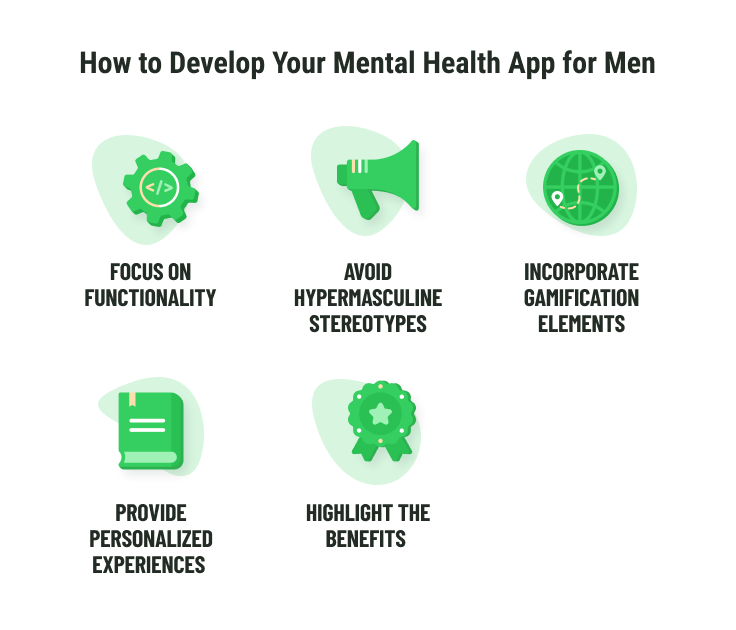
https://emerline.com/images/blog/aa6f2f16a1305102542d8e8c4daaa7af-how-to-develop-a-mental-health-app-for-men.webp

Practical, science-backed tools for self-awareness, emotional regulation, and long-term mental health

Introduction: Why Men Need Mental Wellness Tracking Tools

Across cultures, many men are taught—directly or indirectly—to suppress emotions, endure stress silently, and equate vulnerability with weakness. As a result, mental health challenges in men often go unnoticed, unspoken, and untreated until they manifest as burnout, anger, addiction, relationship problems, or physical illness.

Tracking mental wellness is not about labeling or diagnosing oneself. It is about:

  • Building self-awareness

  • Identifying emotional patterns

  • Catching early warning signs

  • Supporting therapy or counseling when needed

  • Making informed lifestyle changes

With the rise of digital health, men now have access to simple, private, and practical tools that fit into busy schedules and reduce the stigma around mental health care.

This article explores the top 7 tools men can use to track their mental wellness, how each tool works, who it’s best for, and how to use them effectively in daily life.

What Does “Tracking Mental Wellness” Really Mean?

Mental wellness tracking involves regularly observing and recording:

  • Mood changes

  • Stress levels

  • Sleep patterns

  • Energy and motivation

  • Emotional triggers

  • Coping behaviors

Unlike physical fitness tracking, mental wellness tracking is subjective, reflective, and pattern-based. Over time, these patterns provide powerful insight into how thoughts, emotions, and lifestyle factors interact.

Tool 1: Mood Tracking Apps

https://i.etsystatic.com/27747281/r/il/9e2e45/5552833711/il_fullxfull.5552833711_jjjc.jpg

What It Is

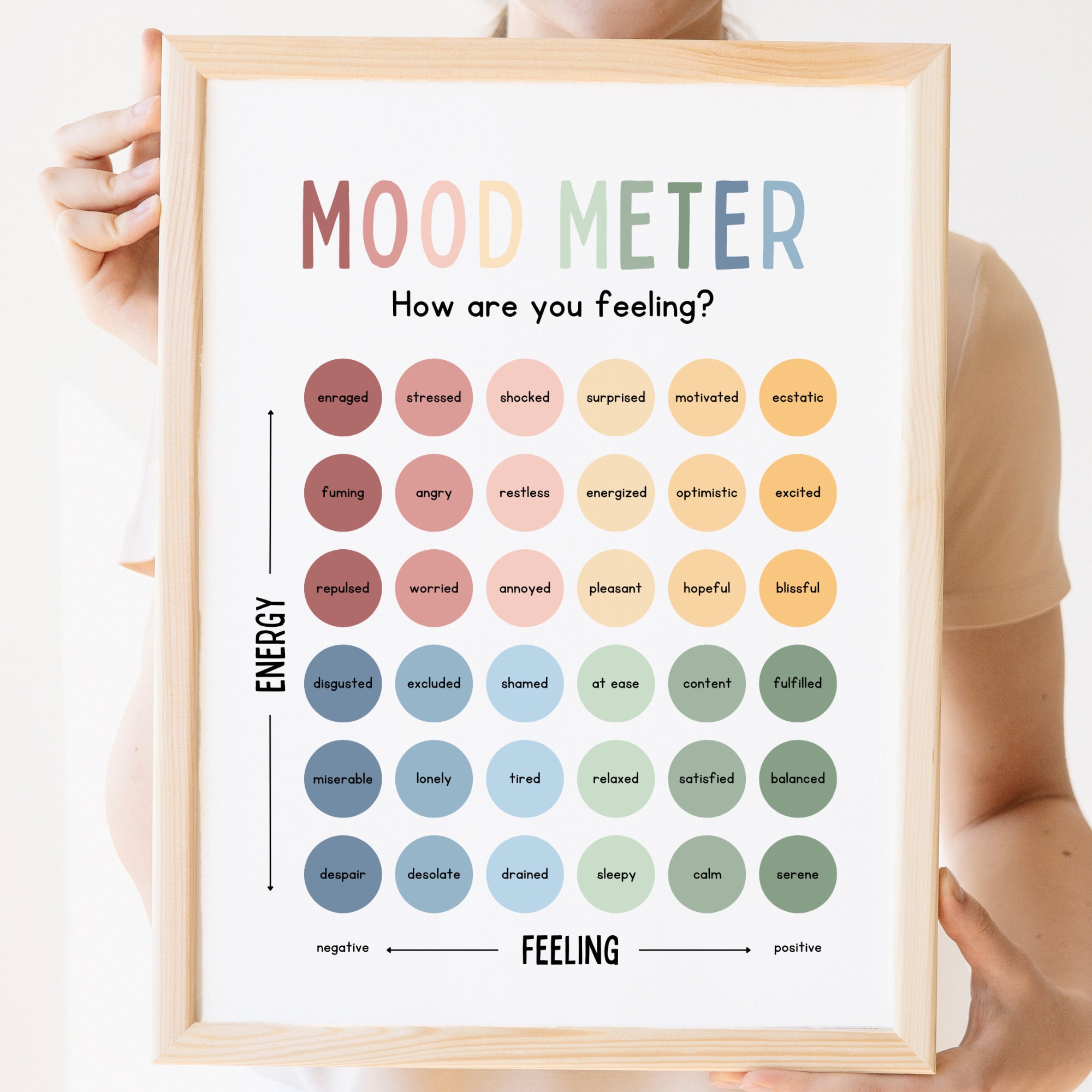
Mood tracking apps allow users to log emotions daily (or multiple times a day) using words, scales, emojis, or color codes.

Why It’s Powerful for Men

Many men struggle to name emotions beyond “fine,” “angry,” or “tired.” Mood trackers gently build emotional vocabulary and awareness without pressure.

What You Can Track

  • Daily mood ratings

  • Emotional intensity

  • Triggers (work stress, conflict, sleep loss)

  • Thoughts and physical sensations

Psychological Benefit

Mood tracking improves emotional literacy and helps identify:

  • Irritability patterns

  • Stress build-up

  • Early signs of anxiety or depression

How to Use Effectively

  • Track mood once or twice daily

  • Keep entries brief and honest

  • Review weekly summaries, not just daily logs

Best For

Men who feel emotionally disconnected, overwhelmed, or unsure what they’re feeling.

Tool 2: Sleep Tracking Tools

https://www.hopkinsmedicine.org/-/media/images/health/3_-wellness/sleep/smart-watch-teaser.jpg

Why Sleep Is Central to Mental Health

Sleep quality directly affects:

  • Emotional regulation

  • Stress tolerance

  • Anger control

  • Focus and decision-making

Chronic sleep deprivation is strongly linked to depression, anxiety, and burnout in men.

What Sleep Trackers Measure

  • Total sleep duration

  • Sleep stages (light, deep, REM)

  • Sleep consistency

  • Night awakenings

Psychological Insight

Many men report:

“I thought I was stressed because of work—but it was actually poor sleep.”

Sleep data often explains:

  • Mood swings

  • Low motivation

  • Increased irritability

How to Use Effectively

  • Focus on trends, not perfection

  • Pair sleep data with mood tracking

  • Adjust routines (caffeine, screen time, bedtime)

Best For

Men with fatigue, burnout, emotional reactivity, or work-related stress.

Tool 3: Journaling (Digital or Paper-Based)

https://cdn.prod.website-files.com/632264efe4bf88d3b73ab56c/6504cfd222fad2c185890c39_prophsee-journals-AYQG4SjWTys-unsplash.jpg

Why Journaling Works

Journaling externalizes internal chaos. Writing thoughts down:

  • Reduces rumination

  • Improves emotional clarity

  • Activates problem-solving areas of the brain

Types of Journaling Useful for Men

  • Emotional journaling: “What am I feeling right now?”

  • Trigger journaling: “What triggered this reaction?”

  • Gratitude journaling: “What went okay today?”

  • Stress dump journaling: Unfiltered writing

Common Resistance

Many men say:

“I don’t know what to write.”

That’s okay. Journaling does not need to be poetic or deep.

Simple Prompts

    • What stood out emotionally for me today?

    • Which feeling did I push aside or ignore?

    • What would support me most right now?

Best For

Men dealing with overthinking, emotional numbness, or unexpressed stress.

Tool 4: Stress & Burnout Assessment Tools

What These Tools Do

Stress and burnout assessments help men quantify what often feels vague:

  • Chronic stress

  • Emotional exhaustion

  • Detachment

  • Reduced performance

Why Men Miss Burnout

Men often normalize stress:

“Everyone is stressed. This is just adulthood.”

Assessment tools make stress visible and measurable.

Common Indicators They Track

  • Energy levels

  • Cynicism or detachment

  • Motivation

  • Physical symptoms

Psychological Value

They help men:

  • Recognize burnout early

  • Validate their experience

  • Seek support before crisis

Best For

Men in high-pressure jobs, caregiving roles, or prolonged responsibility.

Tool 5: Mindfulness & Meditation Apps

https://blog.designpeeps.net/wp-content/uploads/2023/09/User-Interface-for-a-Meditation-App.jpg

Mindfulness for Men (Myth vs Reality)

Myth: Meditation means “clearing the mind.”
Reality: It means observing thoughts without reacting.

What These Tools Track

  • Consistency of practice

  • Stress reduction

  • Emotional regulation

  • Breathing patterns

Mental Health Benefits

  • Reduced anxiety

  • Better anger control

  • Improved focus

  • Increased emotional awareness

Best Practices

  • Start with 5 minutes

  • Use guided sessions

  • Focus on breath or body sensations

Best For

Men experiencing anxiety, anger, impulsivity, or emotional overload.

Tool 6: Physical Activity & Exercise Trackers

https://ghost-cms.s3.ap-south-1.amazonaws.com/2023/09/7-Tips-For-Improving-1.jpg

The Mind–Body Connection

Physical activity is one of the most effective natural antidepressants.

Exercise influences:

  • Dopamine

  • Serotonin

  • Endorphins

  • Stress hormones

What Exercise Trackers Reveal

  • Activity levels vs mood

  • Energy fluctuations

  • Stress reduction after workouts

Psychological Insight

Many men discover:

“On days I move my body, my mind is calmer.”

Best For

Men dealing with low mood, restlessness, anger, or mental fatigue.

Tool 7: Therapy & Mental Health Support Platforms

https://denvermenstherapy.com/wp-content/uploads/2024/09/image-13.png

Why This Tool Matters

Self-tracking is powerful—but human support is irreplaceable.

Therapy platforms help men:

  • Access support privately

  • Reduce stigma

  • Work through deep-rooted patterns

What Can Be Tracked

  • Mood changes between sessions

  • Emotional progress

  • Behavioral shifts

  • Goal achievement

When to Use This Tool

  • Persistent low mood

  • Relationship problems

  • Trauma history

  • Anxiety or anger issues

Best For

Men seeking deeper insight, healing, and long-term change.

How to Combine These Tools Effectively

You don’t need all seven tools.

Beginner Combo

  • Mood tracker

  • Sleep tracker

Moderate Stress Combo

  • Mood tracker

  • Journaling

  • Mindfulness

High Burnout Combo

  • Sleep tracking

  • Stress assessment

  • Therapy support

Common Mistakes Men Make When Tracking Mental Health

  • Obsessing over numbers

  • Expecting quick fixes

  • Ignoring emotional data

  • Tracking without reflection

  • Avoiding help despite clear signs

Tracking is a guide, not a judgment.

Privacy & Confidentiality Concerns

Men often worry about:

  • Data privacy

  • Being judged

  • Weakness

Choose tools that:

  • Offer encryption

  • Allow anonymity

  • Give you control over data sharing

Mental Wellness Tracking Is Not Self-Diagnosis

These tools:

  • Support awareness

  • Complement therapy

  • Encourage early intervention

They do not replace professional diagnosis or treatment.

The Psychology Behind Why Tracking Works

Tracking works because it:

  • Activates self-observation

  • Reduces emotional avoidance

  • Builds accountability

  • Enhances insight

Awareness precedes change.

Conclusion: Strength Is Awareness, Not Silence

Tracking mental wellness is not about becoming hyper-focused on problems. It’s about knowing yourself well enough to respond, not react.

For men especially, these tools offer:

  • Privacy

  • Control

  • Practicality

  • Empowerment

🧠 Mental strength is not the absence of struggle—it is the ability to notice, understand, and address it.

FAQ Section 


1. Why should men track their mental wellness?

Tracking mental wellness helps men identify stress patterns, emotional triggers, and early warning signs of burnout, anxiety, or depression before they become severe.


2. What are the best mental wellness tools for men?

Mood tracking apps, sleep trackers, journaling tools, stress assessments, mindfulness apps, fitness trackers, and therapy platforms are among the most effective tools.


3. Can mental wellness tracking replace therapy?

No. Tracking tools support self-awareness and early intervention but cannot replace professional mental health diagnosis or therapy.


4. How often should men track their mental health?

Tracking once or twice daily—or reviewing weekly patterns—is sufficient. Consistency matters more than frequency.


5. Are mental health tracking apps private and safe?

Most reputable tools offer encryption and privacy controls, but users should always review privacy policies and data-sharing settings.


6. What is the link between sleep tracking and mental health?

Sleep quality directly affects mood, stress tolerance, focus, and emotional regulation, making sleep tracking crucial for mental wellness.


7. Do mindfulness apps really help men?

Yes. Mindfulness tools improve emotional regulation, reduce anxiety and anger, and increase awareness without requiring long sessions or prior experience.


8. Which tool is best for work-related burnout?

A combination of sleep tracking, stress assessments, mood tracking, and therapy support works best for identifying and managing burnout.


9. Can physical activity trackers improve mental health?

Yes. Regular physical activity improves mood, reduces stress hormones, and enhances overall emotional wellbeing.


10. What is the first mental wellness tool men should start with?

Mood tracking is often the best starting point because it builds emotional awareness and helps identify patterns with minimal effort.

Written by Baishakhi Das

Counselor | Mental Health Practitioner
Qualifications: B.Sc Psychology | M.Sc | PG Diploma in Counseling

Reference

Mood tracking & mental health
https://www.verywellmind.com/mood-tracking-for-mental-health-4801171

Sleep and emotional wellbeing
https://www.sleepfoundation.org/how-sleep-affects-your-emotional-well-being

Journaling for mental health
https://www.psychologytoday.com/us/blog/mindful-anger/202306/the-therapeutic-power-journaling

Burnout & stress assessment tools
https://www.mindgarden.com/products/burnout-measure

Mindfulness and mental health benefits
https://www.apa.org/monitor/2019/01/mindfulness-practice

Physical activity & mental health
https://www.cdc.gov/physicalactivity/basics/pa-health/index.htm

10 Common Mental Health Challenges in Men—and How to Address Them
Neo-Freudians: How Jung, Adler & Horney Modified Freud

An in-depth psychological exploration of how classical psychoanalysis evolved

Introduction: From Freud to the Neo-Freudians

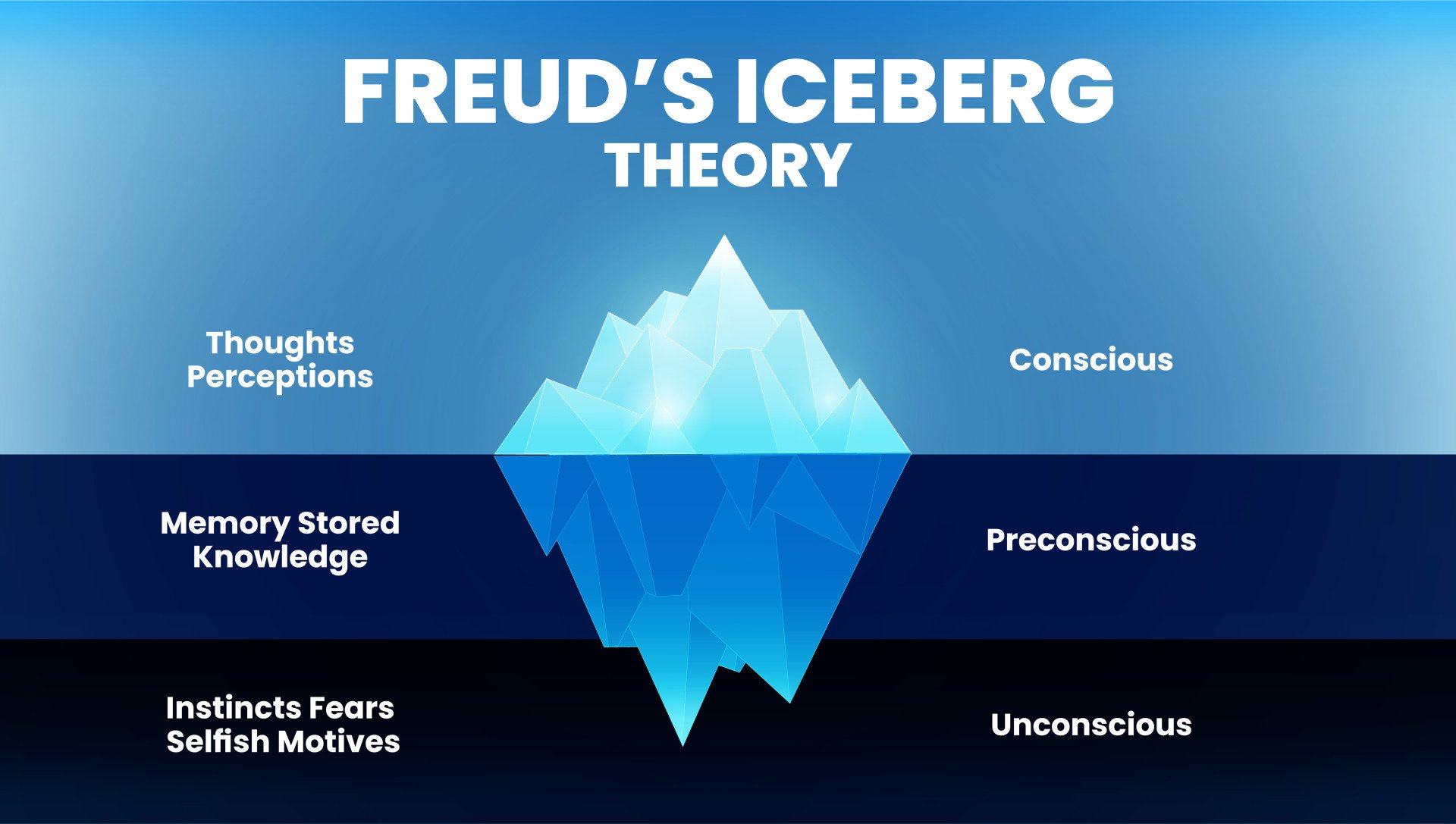
The foundation of modern psychology cannot be discussed without acknowledging Sigmund Freud, the pioneer who introduced psychoanalysis and forever changed how we understand the human mind. Freud’s ideas—particularly the unconscious mind, childhood experiences, and instinctual drives—were revolutionary. However, they were also controversial, rigid, and heavily focused on sexuality and biological instincts.

As psychoanalysis evolved, several of Freud’s closest followers began to question, reinterpret, and expand his theories. These thinkers respected Freud’s core insights but believed his framework was incomplete. Their modifications led to what we now call Neo-Freudian psychology.

The most influential Neo-Freudians were:

  • Carl Jung

  • Alfred Adler

  • Karen Horney

Together, they shifted psychology:

  • From sexual drives → social and cultural influences

  • From determinism → personal growth

  • From pathology → human potential

This article explores how Jung, Adler, and Horney modified Freud, their key theories, similarities, differences, and lasting relevance in modern psychology.

Understanding Freud’s Classical Psychoanalysis (Brief Overview)

Before understanding the Neo-Freudians, we must grasp Freud’s core assumptions.

Key Ideas of Freud

  • Human behavior is driven by unconscious instincts

  • Sexual energy (libido) is the primary motivational force

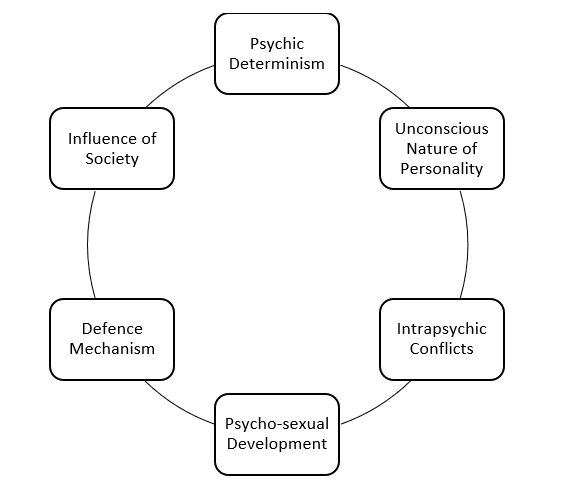
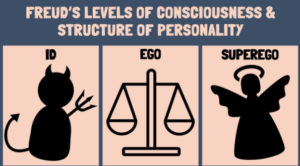
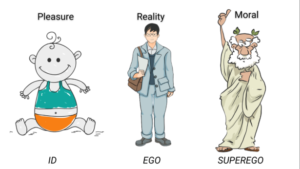
  • Personality consists of Id, Ego, and Superego

  • Childhood experiences determine adult personality

  • Psychological distress arises from unresolved unconscious conflicts

While groundbreaking, Freud’s theory was criticized for:

  • Overemphasis on sexuality

  • Neglect of social and cultural factors

  • Pessimistic view of human nature

  • Male-centered developmental models

These limitations paved the way for Neo-Freudian reformulations.

Who Are the Neo-Freudians?

https://www.careershodh.com/wp-content/uploads/2022/02/Screenshot-2024-09-28-235046.png

Neo-Freudians were psychologists who:

  • Accepted the importance of the unconscious

  • Rejected Freud’s biological determinism

  • Emphasized social relationships, culture, and conscious motivation

They believed humans are not prisoners of instinct, but capable of growth, creativity, and change.

Carl Jung: From Libido to the Collective Unconscious

https://images.squarespace-cdn.com/content/v1/61e7c625cc3d9d4091f5d26c/5d0d2037-1837-4461-9975-f16d941dd3da/map%2Bof%2Bpsyche.png

Jung’s Break from Freud

Carl Jung was once Freud’s closest collaborator and even considered his successor. However, their relationship collapsed due to deep theoretical disagreements.

Major Point of Conflict

  • Freud: Libido = sexual energy

  • Jung: Libido = general psychic energy

Jung believed Freud reduced human motivation too narrowly.

Key Contributions of Carl Jung

1. Collective Unconscious

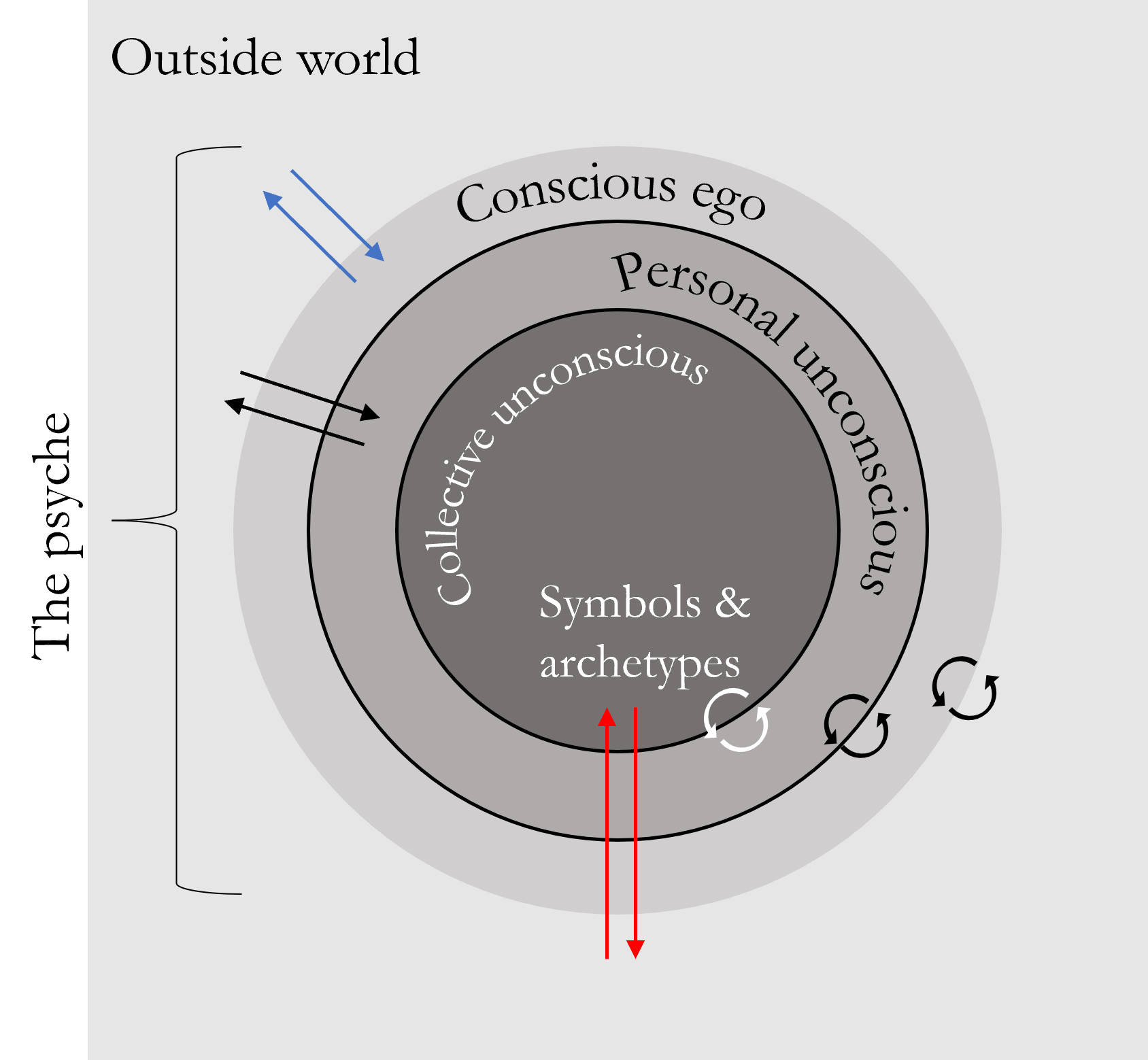
Jung proposed that beyond the personal unconscious lies a collective unconscious, shared by all humans.

It contains archetypes—universal patterns inherited across generations.

Major Archetypes

  • Persona – the social mask we wear

  • Shadow – repressed, dark aspects of personality

  • Anima/Animus – feminine side in men, masculine side in women

  • Self – the integrated whole of personality

These archetypes shape dreams, myths, art, and behavior.

2. Psychological Types

Jung introduced:

  • Introversion vs Extraversion

  • Four functions: Thinking, Feeling, Sensation, Intuition

This theory later inspired personality assessments like MBTI.

3. Individuation

Individuation is the lifelong process of integrating conscious and unconscious parts of the self.

Mental health = balance, not repression.

How Jung Modified Freud

Freud Jung
Sexual libido General psychic energy
Personal unconscious Collective unconscious
Pathology-focused Growth and wholeness
Past-oriented Past + future goals

Alfred Adler: From Sexual Conflict to Social Purpose

https://www.crowe-associates.co.uk/wp-content/uploads/2016/06/Birth-order-1.jpg

Adler’s Rejection of Freud

Adler disagreed with Freud more radically than Jung. He rejected:

  • Sexual motivation as primary

  • Deterministic unconscious control

  • Emphasis on pathology

Adler viewed humans as goal-oriented and socially embedded.

Key Contributions of Alfred Adler

1. Inferiority Feelings & Compensation

Adler believed humans are born with feelings of inferiority.

Healthy development involves compensating for these feelings through:

  • Skill-building

  • Achievement

  • Contribution

Unhealthy compensation leads to:

  • Inferiority complex

  • Superiority complex

2. Striving for Superiority

Humans are motivated to overcome limitations and achieve significance.

This striving is not about dominance, but self-improvement.

3. Social Interest (Gemeinschaftsgefühl)

Mental health depends on social connectedness, empathy, and contribution.

A healthy person feels part of humanity.

4. Birth Order Theory

Adler emphasized family dynamics:

  • Firstborn: responsible, anxious

  • Middle: competitive

  • Youngest: pampered

  • Only child: mature but sensitive

How Adler Modified Freud

Freud Adler
Sexual instincts Social motivation
Past trauma Future goals
Individual conflict Social interest
Determinism Choice and responsibility

Karen Horney: From Penis Envy to Cultural Psychology

https://www.careershodh.com/wp-content/uploads/2024/11/Screenshot-2024-11-23-182901.png.webp

Horney’s Feminist Critique of Freud

Karen Horney openly challenged Freud’s male-centered theories, especially:

  • Penis envy

  • Female inferiority

She argued that culture, not biology, shapes personality.

Key Contributions of Karen Horney

1. Basic Anxiety

Children experience basic anxiety due to:

  • Lack of warmth

  • Rejection

  • Inconsistent parenting

This leads to insecurity and coping strategies.

2. Neurotic Needs

Horney identified 10 neurotic needs, including:

  • Need for affection

  • Need for power

  • Need for perfection

  • Need for independence

These needs are attempts to manage anxiety.

3. Three Neurotic Trends

  • Moving Toward People (compliance)

  • Moving Against People (aggression)

  • Moving Away from People (withdrawal)

4. Womb Envy

Horney proposed that men may experience womb envy, challenging Freud’s assumptions.

How Horney Modified Freud

Freud Horney
Biology-based Culture-based
Penis envy Womb envy
Female inferiority Gender equality
Instinct-driven Relationship-driven

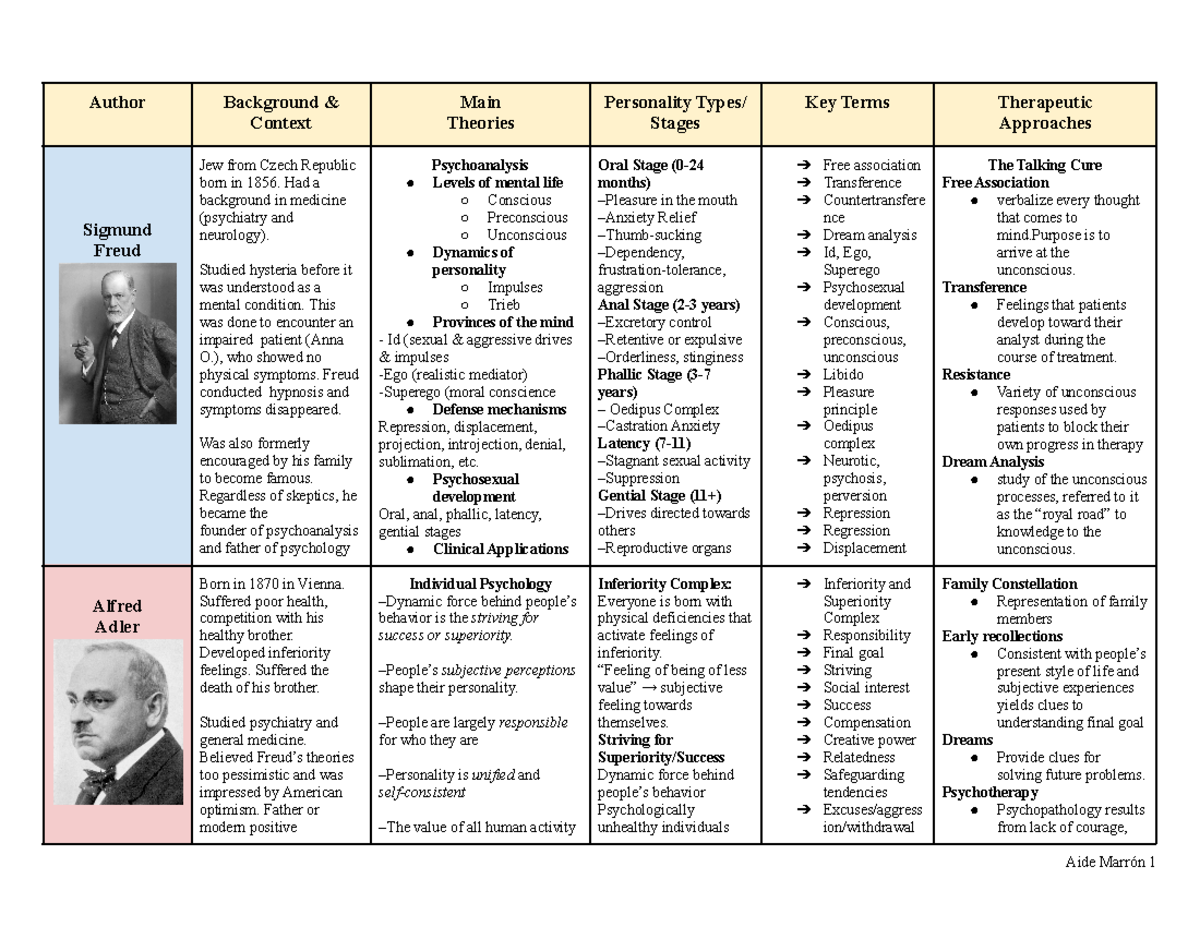
Comparative Summary: Freud vs Neo-Freudians

https://website-assets.studocu.com/img/document_thumbnails/895e5a756cf6e215fdf93e3c02dcc329/thumb_1200_927.png
Aspect Freud Jung Adler Horney
Motivation Sexual instincts Psychic energy Social goals Security
View of self Conflict-driven Growth-oriented Purposeful Relational
Role of culture Minimal Moderate Important Central
Gender view Male-centric Balanced Neutral Feminist

Impact on Modern Psychology & Therapy

Neo-Freudian ideas influence:

  • Psychodynamic therapy

  • Humanistic psychology

  • Attachment theory

  • Personality psychology

  • Feminist psychology

  • Trauma-informed care

They shifted therapy toward:

  • Empathy

  • Self-awareness

  • Social context

  • Personal meaning

Relevance in Daily Life & Counseling

As a counselor or psychology student, Neo-Freudian ideas help:

  • Understand relationship patterns

  • Address self-esteem issues

  • Explore identity and meaning

  • Reduce shame-based pathology

  • Promote growth over diagnosis

Criticisms of Neo-Freudian Theories

  • Less empirical support

  • Abstract concepts

  • Cultural bias

  • Difficult to measure scientifically

Yet, their clinical and philosophical value remains immense.

Conclusion: From Instinct to Insight

Neo-Freudians did not reject Freud—they evolved him.

They transformed psychoanalysis from:

  • Sexual determinism → Human potential

  • Pathology → Growth

  • Isolation → Social connection

Together, Jung, Adler, and Horney expanded psychology into a richer, more humane understanding of the mind.

🌱 They taught us that healing is not just resolving conflict—but discovering meaning, connection, and self-worth.

FAQ Section

1. Who are Neo-Freudians in psychology?

Neo-Freudians are psychologists who accepted Freud’s idea of the unconscious but rejected his emphasis on sexual instincts, focusing instead on social, cultural, and interpersonal factors.


2. How did Carl Jung modify Freud’s theory?

Carl Jung expanded Freud’s concept of libido beyond sexuality, introduced the collective unconscious, archetypes, psychological types, and emphasized self-realization through individuation.


3. What is Alfred Adler’s main contribution to psychology?

Alfred Adler introduced Individual Psychology, focusing on inferiority feelings, striving for superiority, social interest, and goal-directed behavior rather than unconscious sexual conflict.


4. How did Karen Horney disagree with Freud?

Karen Horney rejected Freud’s concept of penis envy and argued that personality development is shaped by culture, social relationships, and basic anxiety rather than biology.


5. What is the main difference between Freud and Neo-Freudians?

Freud emphasized biological instincts and unconscious conflict, while Neo-Freudians emphasized social relationships, culture, conscious motivation, and personal growth.


6. What is the concept of basic anxiety according to Horney?

Basic anxiety refers to a child’s feeling of insecurity and helplessness arising from lack of warmth, safety, or consistent parenting, which shapes neurotic personality patterns.


7. What is Jung’s collective unconscious?

The collective unconscious is a shared, inherited layer of the unconscious mind containing universal archetypes that influence behavior, dreams, and myths.


8. Why are Neo-Freudians important in modern psychology?

Neo-Freudians broadened psychoanalysis by including social, cultural, and humanistic perspectives, influencing modern psychotherapy, personality theory, and counseling practices.


9. Are Neo-Freudian theories still relevant today?

Yes. Their ideas are widely used in psychodynamic therapy, personality assessment, trauma work, relationship counseling, and self-development approaches.


10. Is Neo-Freudian theory important for psychology exams?

Yes. Neo-Freudians are a core topic in undergraduate and postgraduate psychology syllabi, especially in personality theories and history of psychology.


Written by Baishakhi Das

Counselor | Mental Health Practitioner
Qualifications: B.Sc Psychology | M.Sc | PG Diploma in Counseling

Reference 


Defense Mechanisms in Daily Life

https://mentalhealthhotline.org/wp-content/uploads/2023/09/MHH-emotional-defense.jpg

Understanding the unconscious ways we protect our minds

Introduction: Why Do We Need Defense Mechanisms?

Have you ever snapped at someone for a small mistake, avoided thinking about a painful memory, or convinced yourself that a bad situation “doesn’t matter anyway”? If yes, you’re not weak or irrational—you’re human.

Defense mechanisms are unconscious psychological strategies we use to protect ourselves from emotional pain, anxiety, guilt, shame, or inner conflict. They act like the mind’s emotional shock absorbers, helping us maintain psychological balance when reality feels too threatening.

The concept of defense mechanisms was first introduced by Sigmund Freud and later expanded by his daughter Anna Freud. While the theory emerged from psychoanalysis, modern psychology recognizes that everyone uses defense mechanisms, not just people with mental health conditions.

This article explores:

  • What defense mechanisms are

  • Why we use them

  • Common defense mechanisms in daily life

  • Real-life, relatable examples

  • When defense mechanisms help—and when they harm

  • How to build healthier awareness

What Are Defense Mechanisms? (In Simple Terms)

Defense mechanisms are automatic, unconscious reactions that reduce emotional distress when we face:

  • Threats to self-esteem

  • Internal conflicts (wants vs values)

  • Painful emotions (fear, anger, jealousy, guilt)

  • Traumatic memories

They do not change reality.
They change how we perceive or respond to reality.

🧠 Think of defense mechanisms as mental filters—not lies, but distortions that feel real in the moment.

Defense Mechanisms vs Coping Strategies

Defense Mechanisms Coping Strategies
Unconscious Conscious
Automatic Intentional
Avoid emotional pain Manage emotional pain
Short-term relief Long-term adaptation
Can become unhealthy Usually healthy

Example:

  • Defense: “I don’t care about that promotion anyway.”

  • Coping: “I feel disappointed. I’ll work on improving my skills.”

Why the Mind Uses Defense Mechanisms

Defense mechanisms help us:

  • Preserve self-esteem

  • Reduce anxiety

  • Avoid emotional overload

  • Function under stress

  • Protect our identity

In childhood, they are often necessary survival tools.
In adulthood, overuse or rigidity can create problems.

Common Defense Mechanisms in Daily Life (With Real Examples)

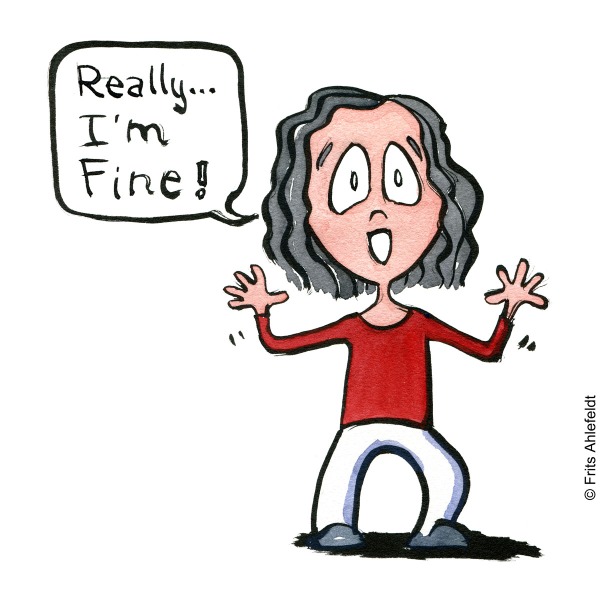
1. Denial – “This Isn’t Happening”

https://museumofpsychology.org/wp-content/uploads/2020/04/di00383-illustration-really-im-fine-denial-frits-ahlefeldt.jpg?w=600

Definition: Refusing to accept reality or facts because they are too painful.

Daily-Life Examples:

  • Ignoring clear signs of relationship problems

  • Refusing to accept a medical diagnosis

  • A parent denying a child’s behavioral issues

  • Saying “I’m not stressed” while experiencing burnout symptoms

Why it happens:
Reality feels overwhelming, so the mind temporarily blocks it.

Healthy role:
Buys time to emotionally adjust.

Unhealthy when:
It delays help, treatment, or decision-making.

2. Repression – “I Don’t Remember That”

Definition: Unconsciously pushing painful memories out of awareness.

Examples:

  • Not remembering childhood emotional abuse

  • Forgetting traumatic incidents without effort

  • Feeling emotional reactions without knowing the cause

Key point:
Repression is not intentional forgetting—the memory is inaccessible.

Impact:
Repressed emotions often resurface as anxiety, unexplained fear, or physical symptoms.

3. Suppression – “I’ll Deal With This Later”

Definition: Consciously choosing to push thoughts aside temporarily.

Examples:

  • A doctor postponing personal grief during work hours

  • A parent staying calm during a crisis, processing emotions later

  • A student focusing on exams despite emotional distress

Difference from repression:
Suppression is intentional and often healthy.

4. Projection – “It’s Not Me, It’s You”

https://valtate.com/wp-content/uploads/2020/05/7_final1.jpg

Definition: Attributing one’s own unwanted feelings to others.

Examples:

  • Accusing a partner of cheating while feeling tempted yourself

  • Calling others “selfish” when you feel guilty about your needs

  • Believing colleagues dislike you when you feel insecure

Why it happens:
Accepting the feeling feels threatening to self-image.

Relationship impact:
Creates conflict, mistrust, and misunderstandings.

5. Displacement – “Wrong Target”

Definition: Redirecting emotions from a threatening source to a safer one.

Examples:

  • Yelling at family after a bad day at work

  • Hitting objects when angry at authority figures

  • Snapping at children due to workplace stress

Why it happens:
The real source feels unsafe to confront.

Long-term risk:
Damages close relationships.

6. Rationalization – “It Makes Sense If You Think About It”

https://instituteofclinicalhypnosis.com/wp-content/uploads/2014/11/Rationalization.png

Definition: Creating logical explanations to justify emotionally driven behavior.

Examples:

  • “I failed because the exam was unfair.”

  • “I didn’t want that job anyway.”

  • “Everyone lies, so it’s okay.”

Function:
Protects self-esteem from failure or guilt.

Downside:
Blocks accountability and growth.

7. Intellectualization – “Let’s Make It Technical”

Definition: Avoiding emotions by focusing only on facts and logic.

Examples:

  • Discussing trauma in purely clinical terms

  • Talking statistics instead of feelings after a loss

  • Analyzing relationships without emotional engagement

Common in:
Highly educated, analytical individuals.

Hidden cost:
Emotional detachment and unresolved grief.

8. Reaction Formation – “The Opposite Act”

Definition: Expressing the opposite of unacceptable feelings.

Examples:

  • Being overly kind to someone you resent

  • Strong moral outrage hiding inner conflict

  • Excessive friendliness masking jealousy

Why it happens:
True feelings feel unacceptable or shameful.

9. Regression – “Going Backward Under Stress”

https://www.earlyyears.tv/wp-content/uploads/2025/04/Defense-Mechanisms-1.png

Definition: Reverting to earlier developmental behaviors during stress.

Examples:

  • Adults throwing tantrums

  • Childlike dependency during illness

  • Excessive crying when overwhelmed

Temporary regression: Normal under high stress
Chronic regression: Needs attention

10. Sublimation – The Healthiest Defense

Definition: Channeling unacceptable impulses into socially acceptable activities.

Examples:

  • Anger → sports or exercise

  • Aggression → competitive careers

  • Emotional pain → art, writing, activism

Why it’s healthy:
Transforms energy without denial or harm.

Defense Mechanisms in Relationships

  • Avoidance: Silent treatment

  • Projection: Blame-shifting

  • Denial: Ignoring red flags

  • Idealization: Seeing partner as “perfect”

  • Devaluation: Suddenly seeing partner as “all bad”

Unconscious defenses often repeat attachment patterns from childhood.

Defense Mechanisms at Work

  • Rationalization: Excusing poor performance

  • Displacement: Workplace anger taken home

  • Intellectualization: Ignoring burnout signs

  • Denial: Overworking despite health issues

Defense Mechanisms and Mental Health

Defense mechanisms are not disorders, but excessive reliance may contribute to:

  • Anxiety disorders

  • Depression

  • Relationship conflicts

  • Burnout

  • Psychosomatic symptoms

Therapy helps by:

  • Making defenses conscious

  • Replacing rigid defenses with flexible coping

  • Processing underlying emotions safely

How to Become Aware of Your Defense Mechanisms

Ask yourself:

  • What emotion am I avoiding right now?

  • Am I reacting or responding?

  • What feels threatened—my ego, safety, or identity?

  • What would happen if I allowed this feeling?

Awareness is not judgment—it’s freedom.

Healthy Alternatives to Rigid Defense Mechanisms

  • Emotional regulation skills

  • Mindfulness

  • Journaling

  • Therapy or counseling

  • Assertive communication

  • Self-compassion

When Defense Mechanisms Are Helpful—and When They Aren’t

Helpful when:

  • Used temporarily

  • Flexible and situation-appropriate

  • Allow later emotional processing

Harmful when:

  • Chronic and rigid

  • Distort reality consistently

  • Damage relationships or health

Conclusion: Defense Mechanisms Are Human, Not Weaknesses

Defense mechanisms are not flaws—they are survival strategies developed by the mind to protect us. The problem isn’t having them; it’s being ruled by them unconsciously.

When we gently bring awareness to our defenses, we gain:

  • Emotional clarity

  • Healthier relationships

  • Psychological resilience

  • Personal growth

🌱 Healing doesn’t mean removing defenses—it means choosing when you no longer need them.

FAQ Schema


1. What are defense mechanisms in psychology?

Defense mechanisms are unconscious psychological strategies used to protect a person from anxiety, emotional pain, or internal conflict by distorting or avoiding reality.


2. Are defense mechanisms good or bad?

Defense mechanisms are not inherently bad. They can be helpful in the short term, but when used excessively or rigidly, they may interfere with emotional growth and relationships.


3. What are common defense mechanisms used in daily life?

Common defense mechanisms include denial, projection, repression, rationalization, displacement, regression, intellectualization, and sublimation.


4. What is an example of denial as a defense mechanism?

Ignoring signs of stress or refusing to accept relationship problems despite clear evidence is a common example of denial in daily life.


5. How is projection used in everyday behavior?

Projection occurs when someone attributes their own unwanted feelings to others—for example, accusing someone else of anger when they themselves feel angry.


6. What is the difference between coping mechanisms and defense mechanisms?

Defense mechanisms are unconscious and automatic, while coping mechanisms are conscious and intentional strategies used to manage stress and emotions.


7. Can defense mechanisms affect relationships?

Yes. Defense mechanisms like projection, denial, and displacement can create misunderstandings, conflicts, and emotional distance in relationships.


8. Are defense mechanisms linked to mental health issues?

Excessive reliance on rigid defense mechanisms may contribute to anxiety, depression, burnout, and relationship difficulties, though they are not mental disorders themselves.


9. How can I become aware of my defense mechanisms?

Self-reflection, mindfulness, journaling, and therapy can help identify unconscious defense patterns and promote healthier emotional responses.


10. What is the healthiest defense mechanism?

Sublimation is considered the healthiest defense mechanism because it channels difficult emotions into positive and socially acceptable activities.

Written by Baishakhi Das

Counselor | Mental Health Practitioner
Qualifications: B.Sc in Psychology, M.Sc, PG Diploma in Counseling

Reference

Top 7 Tools Men Can Use to Track Their Mental Wellness

Introduction

Mental wellness is not just about the absence of mental illness—it is about emotional balance, self-awareness, resilience, and the ability to cope with daily stressors. For many men, mental health is often deprioritized due to social expectations, demanding schedules, and the belief that they must handle everything on their own.

Men are statistically less likely to seek therapy early, yet they experience high levels of stress, burnout, emotional suppression, and untreated anxiety or depression. This gap has led to a growing interest in self-monitoring and digital mental wellness tools, which allow men to track their mental health privately, consistently, and at their own pace.

Mental wellness tools do not replace professional therapy—but they support awareness, early detection, emotional regulation, and healthy habits. This article explores the top 7 tools men can use to track their mental wellness, explaining how each tool works, why it matters psychologically, and how to use it effectively in daily life.

Why Tracking Mental Wellness Matters for Men

Mental wellness tracking helps men:

  • Recognize emotional patterns early

  • Identify stress triggers

  • Monitor mood and energy fluctuations

  • Reduce emotional suppression

  • Build healthier coping strategies

From a psychological perspective, self-monitoring increases emotional insight, which is the first step toward emotional regulation and behavioral change.

  • Normalizes emotional experiences

  • Reduces stigma around mental health

  • Encourages proactive self-care

  • Supports therapy or counseling when needed

Tool 1: Mood Tracking Apps

https://www.verywellmind.com/thmb/-U0xVf9OJvB7JNgmbS9BRUXCL6o%3D/1500x0/filters%3Ano_upscale%28%29%3Amax_bytes%28150000%29%3Astrip_icc%28%29/Daylio-a12eaa51dd2647e78a9305c2f070b710.jpg?utm_source=chatgpt.com

What Is a Mood Tracker?

Mood tracking apps allow users to log emotions daily using:

  • Emojis or mood scales

  • Emotion labels

  • Short notes or reflections

Over time, these apps generate patterns showing emotional highs, lows, and trends.

Why Mood Tracking Is Helpful for Men

Many men struggle to name or express emotions due to emotional conditioning. Mood trackers help by:

  • Expanding emotional vocabulary

  • Making emotions visible and measurable

  • Reducing emotional avoidance

  • Encouraging reflection without judgment

 Mood tracking asks, “How do I feel today?”

How to Use It Effectively

  • Track mood once or twice daily

  • Add brief notes about triggers

  • Review weekly or monthly patterns

  • Avoid judging “good” or “bad” emotions

Mood awareness improves emotional regulation and stress management.

Tool 2: Stress & Burnout Assessment Tools

What Are Stress Assessment Tools?

These tools use short questionnaires to measure:

  • Stress levels

  • Burnout risk

  • Emotional exhaustion

  • Work-life imbalance

They are often based on validated psychological scales.

Why This Tool Is Important

Men often normalize stress until it becomes burnout. Stress assessment tools:

  • Offer objective feedback

  • Identify early warning signs

  • Reduce denial and minimization

  • Encourage timely action

Psychologically, naming stress reduces its intensity.

How to Use It

  • Take assessments monthly or quarterly

  • Track changes over time

  • Use results to adjust workload or routines

  • Share insights with a counselor if needed

These tools are especially useful for working professionals.

Tool 3: Sleep Tracking Devices or Apps

https://oaksintcare.org/wp-content/uploads/2024/12/VitalRoleofSleep.png?utm_source=chatgpt.com

Why Sleep Is a Mental Health Indicator

Sleep is deeply linked to:

  • Mood regulation

  • Stress tolerance

  • Anxiety and depression

  • Cognitive performance

Poor sleep often worsens emotional reactivity.

How Sleep Tracking Helps Men

Sleep trackers monitor key sleep indicators, including:

  • Total sleep duration

  • Overall sleep quality

  • Night awakenings

  • Sleep consistency

This data helps men recognize how stress, screen time, caffeine, or work pressure affect sleep.

How to Use Sleep Data Wisely

  • Focus on trends, not perfection

  • Adjust bedtime routines gradually

  • Pair data with relaxation practices

  • Avoid obsessing over numbers

Better sleep improves emotional resilience.

Tool 4: Journaling & Reflection Tools

What Is Mental Health Journaling?

Journaling tools allow men to:

  • Write thoughts and emotions

  • Reflect on daily experiences

  • Process stress privately

Digital journals reduce the pressure of “writing perfectly.”

Why Journaling Works Psychologically

Journaling supports:

  • Emotional processing

  • Reduced rumination

  • Self-awareness

  • Problem-solving

For men who find talking difficult, writing becomes a safe emotional outlet.

How to Journal Effectively

  • Write for 5–10 minutes daily

  • Use prompts like:

    • “What stressed me today?”

    • “What helped me cope?”

  • Be honest, not polished

Journaling is one of the most evidence-supported self-help tools.

Tool 5: Mindfulness & Meditation Apps

https://cdn.prod.website-files.com/61258807d2d4f9553cc9d3e6/6646132ec0fbfec684c3113d_The%20Best%20Meditations%20for%20Stress%20Relief%C2%A0.webp?utm_source=chatgpt.com

What These Tools Do

Mindfulness apps guide users through:

  • Breathing exercises

  • Body scans

  • Short meditations

  • Stress-reduction practices

Sessions can be as short as 2–10 minutes.

Why Mindfulness Is Effective for Men

Mindfulness helps men:

  • Slow down impulsive reactions

  • Improve emotional control

  • Reduce anger and anxiety

  • Increase focus

It trains the brain to respond instead of react.

How to Start Without Resistance

  • Begin with short sessions

  • Focus on breathing, not “emptying the mind”

  • Practice consistency over duration

  • Use during work breaks or before sleep

Mindfulness is a skill, not a personality trait.

Tool 6: Habit & Routine Tracking Tools

What Are Habit Trackers?

Habit trackers monitor:

  • Exercise

  • Sleep routines

  • Water intake

  • Screen limits

  • Self-care habits

They visualize consistency and progress.

Why Habits Matter for Mental Wellness

Mental health improves when:

  • Daily structure is predictable

  • Self-care becomes routine

  • Small wins build confidence

For men, habits provide action-based self-care, which often feels more accessible than emotional talk.

How to Use Habit Trackers Well

  • Track only 2–3 habits at first

  • Keep goals realistic

  • Focus on consistency, not streaks

  • Review weekly progress

Healthy habits stabilize mood and energy.

Tool 7: Mental Health Screening & Therapy Platforms

https://menstherapy.online/wp-content/uploads/2025/11/MTO-Square-Logo-White-Background.png?utm_source=chatgpt.com

What These Platforms Offer

These tools provide:

  • Mental health screenings

  • Self-assessment questionnaires

  • Access to online counseling

  • Educational resources

They lower barriers to help-seeking.

Why This Matters for Men

Men often delay professional support due to:

  • Stigma

  • Time constraints

  • Privacy concerns

Digital platforms offer:

  • Confidential access

  • Flexible scheduling

  • Reduced initial resistance

Early screening prevents escalation.

How to Use Responsibly

  • Use screenings as guidance, not diagnosis

  • Seek professional help if symptoms persist

  • Combine tools with offline support when possible

Technology can bridge the gap to care.

How to Choose the Right Tools for Yourself

Not every tool suits everyone. Consider:

  • Your comfort with technology

  • Time availability

  • Emotional awareness level

  • Current stress load

Start with one or two tools, then expand gradually.

Common Mistakes to Avoid

  • Tracking obsessively

  • Expecting instant emotional change

  • Using tools instead of seeking help

  • Comparing progress with others

Tools support wellness; they do not replace human connection.

Integrating Tools into Daily Life

  • Link tracking to existing routines

  • Keep it simple and flexible

  • Review data weekly, not constantly

  • Focus on self-compassion

Consistency matters more than intensity.

When to Seek Professional Support

Tools are helpful, but consider professional help if:

  • Emotional distress persists

  • Mood worsens over time

  • Functioning is affected

  • Thoughts of hopelessness arise

Mental health care is a strength, not a failure.

Conclusion

Mental wellness tracking empowers men to understand themselves better—emotionally, mentally, and behaviorally. From mood trackers and journaling tools to sleep monitors and mindfulness apps, these tools offer accessible, private, and practical ways to support mental health.

Tracking does not mean fixing everything alone. It means paying attention, recognizing patterns, and choosing healthier responses. When combined with support, self-awareness, and compassion, mental wellness tools can play a powerful role in helping men live more balanced, resilient, and emotionally healthy lives.

Frequently Asked Questions (FAQ)

Top 7 Tools Men Can Use to Track Their Mental Wellness


1. What does it mean to track mental wellness?

Tracking mental wellness means regularly monitoring your mood, stress levels, sleep, habits, and emotional patterns to better understand how your mental health changes over time.


2. Why is mental wellness tracking important for men?

Many men suppress emotions or delay seeking help. Tracking tools increase self-awareness, help identify stress or burnout early, and provide a private way to engage with mental health.


3. Can mental wellness tools replace therapy or counseling?

No. These tools support self-awareness and early intervention but do not replace professional mental health care. They work best when combined with counseling if needed.


4. Which mental wellness tool should men start with?

Most men find mood trackers or sleep tracking tools easiest to begin with, as they require minimal effort and provide immediate insights into emotional and physical patterns.


5. How often should mental wellness be tracked?

Consistency matters more than frequency. Tracking once daily or a few times a week is enough to notice patterns without becoming overwhelming.


6. Are mood tracking apps useful if I don’t know how to label emotions?

Yes. Mood tracking apps often use emojis or simple emotion words, helping men gradually expand emotional awareness without pressure.


7. How does sleep tracking help mental health?

Sleep quality directly affects mood, stress tolerance, focus, and emotional regulation. Tracking sleep helps identify habits or stressors that impact mental wellness.


8. Is journaling effective for men who don’t like talking about feelings?

Yes. Journaling provides a private, judgment-free space to process thoughts and emotions, making it especially helpful for men who struggle with verbal expression.


9. Do mindfulness and meditation apps really reduce stress?

Research shows that short, consistent mindfulness practices improve emotional regulation, reduce anxiety, and lower stress—especially when practiced regularly.


10. How do habit trackers support mental wellness?

Habit trackers build structure and routine, which stabilize mood and energy. Small, consistent habits like exercise, hydration, or breaks support overall mental health.


11. Are online mental health screenings accurate?

Screenings are helpful for awareness, not diagnosis. They indicate whether professional support may be beneficial and should not be used as a final conclusion.


12. Can these tools help with burnout prevention?

Yes. Stress assessments, mood tracking, and habit monitoring help detect early warning signs of burnout, allowing timely adjustments before exhaustion becomes severe.


13. What are common mistakes men make when using mental health tools?

Common mistakes include tracking obsessively, expecting instant change, ignoring emotional insights, or using tools as a substitute for seeking help.


14. How can men stay consistent with mental wellness tools?

Link tools to existing routines, keep tracking simple, avoid perfectionism, and focus on self-compassion rather than streaks or scores.


15. When should a man seek professional mental health support?

Professional help is important if emotional distress persists, daily functioning is affected, mood worsens over time, or feelings of hopelessness or isolation increase.


About the Author

Baishakhi Das is a Counselor and Mental Health Practitioner with academic training in psychology and human development. She works with men experiencing stress, burnout, emotional suppression, and mental health challenges, focusing on practical, evidence-based strategies for emotional well-being.

Reference 


  1. World Health Organization. (2022). Mental health of men and boys.
    https://www.who.int/publications/i/item/9789240044149

  2. American Psychological Association. (2023). Technology and mental health.
    https://www.apa.org/monitor/2023/07/technology-mental-health

  3. National Institute of Mental Health. (2023). Caring for your mental health.
    https://www.nimh.nih.gov/health/topics/caring-for-your-mental-health

  4. Torous, J., et al. (2021). Digital mental health and COVID-19: Using technology today to accelerate the curve on access and quality tomorrow. JMIR Mental Health, 7(3).
    https://doi.org/10.2196/18848

  5. Mohr, D. C., et al. (2017). The behavioral intervention technology model. Journal of Medical Internet Research, 19(6).
    https://doi.org/10.2196/jmir.7787

  6. Courtenay, W. H. (2000). Constructions of masculinity and their influence on men’s well-being. Social Science & Medicine, 50(10), 1385–1401.
    https://doi.org/10.1016/S0277-9536(99)00390-1

  7. How to Build Daily Habits for Better Mental Health

10 Common Mental Health Challenges in Men—and How to Address Them
https://calmerry.com/wp-content/uploads/2021/05/depression-in-men.jpg?utm_source=chatgpt.com
Introduction

Mental health challenges in men are often hidden, minimized, or misunderstood. Social expectations frequently teach men to be strong, silent, and self-reliant. As a result, emotional distress is commonly suppressed rather than expressed. Many men struggle silently—until symptoms appear as anger, withdrawal, substance use, physical complaints, or burnout.

Research consistently shows that men are less likely to seek psychological help, yet they face significant mental health risks, including higher suicide rates and untreated emotional distress. Understanding the unique ways mental health challenges present in men is crucial for early support, prevention, and recovery.

This article explores 10 common mental health challenges in men and provides practical, psychologically grounded ways to address them, suitable for individuals, families, counselors, and mental health educators.

Why Men’s Mental Health Often Goes Unnoticed

Men are often conditioned to:

  • Hide vulnerability

  • Avoid emotional expression

  • View help-seeking as weakness

  • Prioritize responsibility over self-care

As a result, mental health symptoms may look different in men than in women—often showing up as irritability, aggression, risk-taking, workaholism, or emotional shutdown rather than sadness or tearfulness.

Recognizing these patterns is the first step toward change.

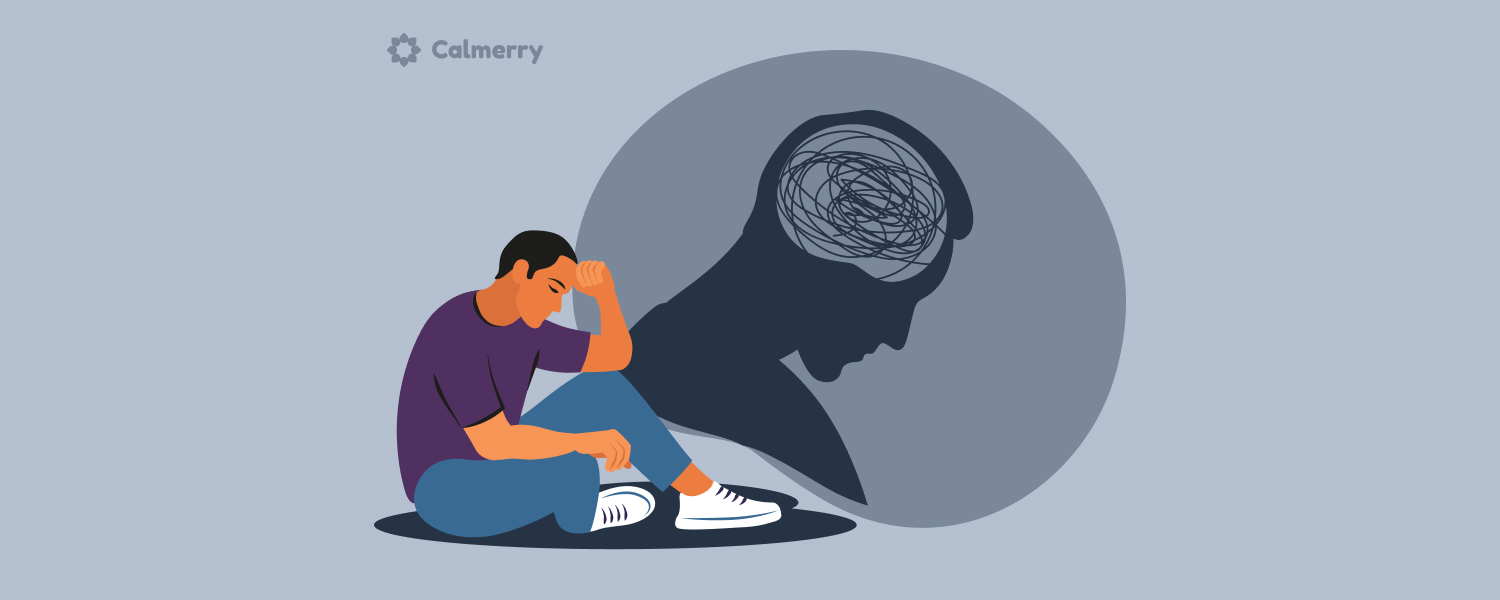
1. Depression in Men

How It Commonly Appears

Depression in men is often underdiagnosed because it may not look like classic sadness.

Common signs include:

  • Persistent irritability or anger

  • Emotional numbness

  • Loss of interest in work or relationships

  • Fatigue and sleep disturbances

  • Withdrawal and isolation

Men may describe feeling “empty,” “tired,” or “burnt out” rather than “sad.”

How to Address It

  • Normalize emotional expression without judgment

  • Encourage routine and structure

  • Promote physical activity and sleep hygiene

  • Seek counseling or therapy early

  • Challenge beliefs that emotions equal weakness

2. Anxiety Disorders

How It Commonly Appears

Anxiety in men often manifests as:

  • Restlessness

  • Overthinking

  • Muscle tension

  • Difficulty relaxing

  • Avoidance of situations

Some men mask anxiety through overworking or controlling behavior.

How to Address It

  • Learn grounding and breathing techniques

  • Reduce caffeine and stimulants

  • Practice stress-management strategies

  • Cognitive-behavioral therapy (CBT) is highly effective

  • Normalize anxiety as a human experience

3. Anger and Emotional Dysregulation

Why It Happens

Many men were taught that anger is the only acceptable emotion, while sadness or fear were discouraged. As a result, emotional pain often gets expressed as anger.

Signs include:

  • Frequent irritability

  • Explosive reactions

  • Difficulty calming down

  • Relationship conflicts

How to Address It

  • Identify underlying emotions beneath anger

  • Learn emotional labeling skills

  • Practice pause-and-response techniques

  • Therapy focused on emotional regulation can help

  • Develop healthy outlets (exercise, journaling, conversation)

4. Stress and Work-Related Burnout

https://hbr.org/resources/images/article_assets/2022/10/A_Nov22_03_Men-mental-health_1341999505.jpg?utm_source=chatgpt.com

Why Men Are Vulnerable

Many men tie self-worth closely to:

  • Career success

  • Financial responsibility

  • Productivity

Chronic work stress can lead to:

  • Emotional exhaustion

  • Detachment

  • Reduced motivation

  • Physical health problems

How to Address It

  • Set realistic work boundaries

  • Redefine productivity beyond constant output

  • Take regular breaks and leave

  • Develop identity beyond work

  • Seek support before burnout becomes severe

5. Substance Use and Addiction

Why It’s Common

Men are more likely to use substances to:

  • Numb emotional pain

  • Manage stress

  • Avoid vulnerability

This may include alcohol, smoking, drugs, or behavioral addictions (gaming, gambling).

How to Address It

  • Address underlying emotional distress

  • Reduce shame around seeking help

  • Encourage non-judgmental conversations

  • Combine therapy with lifestyle changes

  • Seek specialized addiction support if needed

6. Loneliness and Social Isolation

How It Develops

As men age, friendships often reduce due to:

  • Work pressure

  • Family responsibilities

  • Emotional withdrawal

Loneliness in men is strongly linked to depression and poor physical health.

How to Address It

  • Rebuild social connections intentionally

  • Encourage shared activities rather than only “talk”

  • Maintain friendships outside work

  • Normalize emotional closeness among men

7. Relationship and Intimacy Difficulties

Common Challenges

Men may struggle with:

  • Emotional expression

  • Vulnerability

  • Communication

  • Fear of rejection

Unresolved emotional patterns often affect romantic relationships.

How to Address It

  • Learn emotional communication skills

  • Explore attachment patterns

  • Couples counseling when needed

  • Practice active listening

  • Address fears of intimacy gradually

8. Trauma and Unresolved Childhood Experiences

Why It’s Often Overlooked

Men may minimize past trauma, especially:

  • Childhood abuse

  • Emotional neglect

  • Bullying

  • Family violence

Unprocessed trauma can lead to anger, avoidance, or emotional shutdown.

How to Address It

  • Trauma-informed therapy

  • Safe emotional expression

  • Understanding triggers

  • Gradual processing of past experiences

  • Building emotional safety

9. Low Self-Esteem and Identity Struggles

Common Sources

  • Unrealistic masculine ideals

  • Comparison and performance pressure

  • Failure or job loss

  • Relationship breakdown

Low self-esteem in men may show as defensiveness or withdrawal.

How to Address It

  • Separate self-worth from achievement

  • Identify strengths beyond productivity

  • Practice self-compassion

  • Challenge negative self-beliefs

  • Work with a counselor if patterns persist

10. Suicide Risk and Hopelessness

https://sp-ao.shortpixel.ai/client/q_glossy%2Cret_img%2Cw_300/https%3A//mindthemen.co.uk/wp-content/uploads/2019/11/mind-the-men-asset_logo-300x300.png?utm_source=chatgpt.com

Critical Reality

Men are at higher risk of suicide, often due to:

  • Untreated depression

  • Emotional isolation

  • Reluctance to seek help

Warning signs may include:

  • Withdrawal

  • Talking about feeling like a burden

  • Risk-taking behavior

  • Sudden calm after distress

How to Address It

  • Take warning signs seriously

  • Encourage immediate professional support

  • Maintain open, non-judgmental communication

  • Crisis intervention when needed

  • Community and family support are vital


Breaking the Stigma Around Men’s Mental Health

True strength lies in:

  • Emotional awareness

  • Asking for help

  • Setting boundaries

  • Choosing healing over silence

When men are allowed to be emotionally human, mental health outcomes improve dramatically.


How Families and Society Can Support Men

  • Encourage emotional conversations

  • Avoid shaming vulnerability

  • Model healthy coping

  • Promote mental health education

  • Normalize therapy and counseling

Supportive environments save lives.

Conclusion

Men experience mental health challenges just as deeply as anyone else—often in quieter, less visible ways. Depression, anxiety, anger, burnout, addiction, and loneliness are not personal failures; they are human responses to stress, expectations, and unmet emotional needs.

Addressing men’s mental health requires awareness, compassion, early support, and cultural change. With the right tools and support, men can heal, grow, and thrive emotionally.

Mental health care is not a weakness—it is a responsibility toward oneself and those who depend on us.

Frequently Asked Questions (FAQ)

10 Common Mental Health Challenges in Men—and How to Address Them


1. Why are mental health issues in men often overlooked?

Men are often socialized to suppress emotions and appear strong or self-reliant. As a result, distress may show up as anger, withdrawal, substance use, or overworking rather than openly expressed sadness or anxiety—making it easier to miss.


2. What are the most common mental health challenges men face?

Common challenges include depression, anxiety, anger and emotional dysregulation, work-related burnout, substance use, loneliness, relationship difficulties, unresolved trauma, low self-esteem, and increased suicide risk.


3. How does depression look different in men?

Depression in men may appear as irritability, emotional numbness, fatigue, sleep problems, withdrawal, or loss of interest in work or relationships rather than visible sadness or crying.


4. Is anger a sign of poor mental health in men?

Anger can be a sign of underlying emotional distress. Many men were taught to express anger instead of sadness or fear, so unresolved pain may surface as irritability or outbursts.


5. Why do many men avoid seeking mental health support?

Common barriers include stigma, fear of being judged, beliefs that asking for help is a weakness, lack of emotional language, and limited awareness of mental health resources.


6. How does work stress affect men’s mental health?

Men often tie self-worth to productivity and financial responsibility. Chronic work stress can lead to burnout, emotional exhaustion, irritability, physical health issues, and reduced motivation.


7. Are substance use and addiction linked to men’s mental health?

Yes. Many men use substances such as alcohol or drugs to cope with stress, emotional pain, or unresolved trauma. Addressing the underlying emotional issues is essential for recovery.


8. How does loneliness impact men psychologically?

Loneliness increases the risk of depression, anxiety, substance use, and poor physical health. As men age, social connections may decrease, making isolation a significant mental health risk.


9. What role does childhood trauma play in men’s mental health?

Unresolved childhood trauma—such as abuse, neglect, or emotional invalidation—can affect emotional regulation, relationships, self-esteem, and coping strategies in adulthood.


10. Why is suicide risk higher in men?

Men are less likely to seek help and more likely to use lethal means. Untreated depression, emotional isolation, and social pressure contribute significantly to increased suicide risk.


11. How can men start improving their mental health?

Small steps help, such as:

  • Acknowledging emotions

  • Talking to someone trusted

  • Reducing harmful coping behaviors

  • Practicing stress management

  • Seeking professional support when needed


12. Is therapy effective for men?

Yes. Therapy provides a safe, confidential space to understand emotions, improve coping skills, address trauma, and build healthier relationships. Many men benefit greatly once they engage.


13. How can families and partners support men’s mental health?

Supportive listening, avoiding judgment, encouraging help-seeking, validating emotions, and reducing stigma can make a significant difference.


14. Are mental health struggles a sign of weakness?

No. Mental health challenges are human experiences, not personal failures. Seeking help reflects self-awareness, responsibility, and strength.


15. What is the most important message about men’s mental health?

Men deserve emotional support, understanding, and care just like anyone else. Breaking silence and stigma is essential for prevention, healing, and long-term well-being.


About the Author

Baishakhi Das is a Counselor and Mental Health Practitioner with formal training in psychology and human development. She works with men facing stress, emotional suppression, relationship issues, trauma, and burnout, focusing on practical coping strategies and emotional resilience.

Reference 

How to Handle Work Stress Without Burning Out

https://docsmedicalgroup.com/docsurgentcare/wp-content/uploads/sites/2/2024/05/How-To-Manage-Work-Stress-and-Avoid-Burnout-6-Tips-From-Trusted-Primary-Care-Doctor-in-Fairfield-CT.jpg?utm_source=chatgpt.com

Introduction

In today’s fast-paced, achievement-driven world, work stress has become almost unavoidable. Long working hours, constant deadlines, financial pressure, job insecurity, multitasking, and digital overload have blurred the boundary between professional and personal life.

As a result, many individuals experience mental exhaustion, emotional depletion, and physical fatigue—often without realizing they are gradually moving toward burnout.

Although closely related, stress and burnout are not the same. Stress is characterized by feeling overwhelmed while remaining engaged, whereas burnout involves prolonged emotional, mental, and physical exhaustion accompanied by a gradual loss of motivation, productivity, and sense of purpose.

The good news is that burnout is preventable. With the right awareness, mindset, and practical strategies, work stress can be managed effectively without reaching a breaking point.

This article offers a psychology-based, practical guide on how to handle work stress without burning out—suitable for working professionals, managers, caregivers, freelancers, and anyone struggling to balance work and well-being.

Understanding Work Stress

What Is Work Stress?

Work stress arises when the demands of a job exceed an individual’s capacity to manage them successfully.  It can stem from:

  • Heavy workload

  • Tight deadlines

  • Lack of control or autonomy

  • Poor work-life balance

  • Job insecurity

  • Workplace conflict

  • High expectations or perfectionism

Occasional stress is normal and can even enhance performance. However, chronic unmanaged stress gradually impacts mental health, physical health, and emotional stability.

Stress vs Burnout: Know the Difference

Understanding the difference is crucial for early intervention.

Work Stress

  • You feel pressured and overwhelmed

  • You may still care about your work

  • Energy fluctuates

  • Motivation is present but strained

Burnout

  • Emotional numbness or detachment

  • Feeling hopeless or trapped

  • Constant exhaustion

  • Reduced performance and meaning

  • Cynicism toward work

Recognizing stress early allows you to take action before burnout develops.

Early Warning Signs You Should Not Ignore

Burnout does not happen overnight. It builds gradually through warning signs such as:

Emotional Signs

  • Irritability and frustration

  • Feeling emotionally drained

  • Anxiety or low mood

  • Reduced motivation

Cognitive Signs

  • Difficulty concentrating

  • Overthinking work issues

  • Forgetfulness

  • Negative self-talk

Physical Signs

  • Headaches

  • Muscle tension

  • Sleep disturbances

  • Frequent illness

Behavioral Signs

  • Procrastination

  • Withdrawal from others

  • Increased caffeine or screen use

  • Working excessively without rest

Recognizing these signs early is the first step toward prevention.

Why Burnout Happens (Psychological Perspective)

Burnout often develops when:

  • Effort is high but rewards are low

  • There is a lack of recognition

  • Boundaries are unclear

  • Control is limited

  • Values conflict with work demands

Psychologically, burnout is linked to:

  • Chronic stress activation

  • Emotional suppression

  • Lack of recovery time

  • Identity tied only to productivity

Therefore, managing stress requires both external changes and internal mindset shifts.

1. Set Clear Boundaries Between Work and Personal Life

One of the most effective ways to prevent burnout is by creating clear boundaries.

How to Do This

  • Define work hours and stick to them

  • Avoid checking emails late at night

  • Create a separate workspace at home

  • Communicate availability clearly

Why it works:
Boundaries protect your mental energy and allow your nervous system to recover.

2. Learn to Prioritize, Not Multitask

Multitasking increases mental fatigue and reduces efficiency. Instead, prioritize tasks based on importance and urgency.

Practical Tips

  • Use a daily task list with 3 key priorities

  • Break large tasks into smaller steps

  • Focus on one task at a time

  • Accept that everything cannot be done at once

Psychological benefit:
Prioritization reduces cognitive overload and decision fatigue.

3. Redefine Productivity (Quality Over Quantity)

Many professionals equate productivity with long hours. However, productivity is about effective output, not exhaustion.

Healthy Productivity Means

  • Working with focus, not fear

  • Taking breaks to maintain efficiency

  • Allowing rest without guilt

When productivity is defined realistically, stress naturally reduces.

4. Practice Emotional Regulation at Work

Work stress often intensifies due to unprocessed emotions such as frustration, fear, or anger.

Simple Emotional Regulation Techniques

  • Pause and take 5 deep breaths

  • Label the emotion: “I feel overwhelmed”

  • Ground yourself by noticing your surroundings

  • Avoid reacting immediately during conflict

Result:
Better emotional control prevents impulsive decisions and emotional burnout.

5. Take Micro-Breaks Throughout the Day

Rest does not always mean long holidays. Short, intentional breaks are powerful.

Examples of Micro-Breaks

  • Stretching for 2 minutes

  • Stepping away from the screen

  • Drinking water mindfully

  • Brief breathing exercises

These breaks reset the nervous system and improve focus.

6. Manage Perfectionism and Unrealistic Expectations

Perfectionism is a major contributor to burnout. Constantly trying to meet unrealistic standards drains emotional energy.

Healthy Mindset Shifts

  • Progress is better than perfection

  • Mistakes are part of learning

  • Self-worth is not equal to performance

Letting go of perfectionism allows sustainable growth.

7. Improve Sleep and Physical Health

Stress and sleep are deeply connected. Poor sleep increases stress sensitivity.

Tips for Better Sleep

  • Maintain a consistent sleep schedule

  • Reduce screen exposure before bed

  • Avoid excessive caffeine

  • Practice relaxation techniques

Physical movement, even light exercise, helps regulate stress hormones.

8. Build Supportive Workplace Relationships

Social support acts as a buffer against stress.

How to Strengthen Support

  • Communicate openly with colleagues

  • Ask for help when needed

  • Share workload concerns respectfully

  • Avoid isolation

Feeling understood at work reduces emotional exhaustion.

9. Learn to Say No Without Guilt

Overcommitment is a fast track to burnout.

Assertive Communication Examples

  • “I don’t have the capacity right now.”

  • “Can we prioritize this for later?”

  • “I need to focus on existing deadlines.”

Saying no is not a failure—it is self-respect.

10. Create Meaning Beyond Work

When identity is limited only to work, stress becomes overwhelming.

Protective Factors

  • Hobbies

  • Creative activities

  • Relationships

  • Spiritual or reflective practices

Meaning outside work creates emotional balance and resilience.

11. Use Stress-Reduction Techniques Regularly

Stress management is most effective when practiced consistently, not only during crisis.

Effective Techniques

  • Mindfulness

  • Journaling

  • Progressive muscle relaxation

  • Guided breathing

Even 10 minutes a day can significantly reduce stress levels.

12. Recognize When You Need Professional Help

Sometimes, self-help is not enough—and that is okay.

Consider Professional Support If

  • Stress feels unmanageable

  • Emotional numbness persists

  • Anxiety or depression develops

  • Work impacts daily functioning

Counseling helps identify patterns, strengthen coping skills, and restore emotional balance.

Long-Term Strategies for Burnout Prevention

  • Regular self-check-ins

  • Annual leave without guilt

  • Career alignment with values

  • Ongoing skill development

  • Emotional self-awareness

Burnout prevention is a long-term lifestyle practice, not a one-time solution.

Conclusion

Work stress is a reality of modern life, but burnout does not have to be. By recognizing early warning signs, setting healthy boundaries, regulating emotions, redefining productivity, and prioritizing mental health, it is possible to manage work stress without sacrificing well-being.

Remember, rest is not a reward for exhaustion—it is a requirement for sustainability. Taking care of your mental health is not a weakness; it is the foundation of long-term success and fulfillment.

Frequently Asked Questions (FAQ)

How to Handle Work Stress Without Burning Out


1. What is work stress?

Work stress occurs when job demands exceed a person’s ability to cope. It can be caused by heavy workload, tight deadlines, lack of control, job insecurity, or poor work–life balance.


2. What is burnout and how is it different from stress?

Stress involves feeling overwhelmed but still engaged and motivated. Burnout, on the other hand, is a state of chronic emotional, mental, and physical exhaustion marked by detachment, reduced performance, and loss of meaning at work.


3. What are the early signs of burnout?

Early signs include constant fatigue, irritability, lack of motivation, difficulty concentrating, sleep problems, emotional numbness, and feeling disconnected from work or colleagues.


4. Can work stress be managed without quitting the job?

Yes. Most work stress can be managed through healthy boundaries, prioritization, emotional regulation, realistic expectations, proper rest, and supportive communication—without changing jobs.


5. Why is setting boundaries important for preventing burnout?

Boundaries protect mental and emotional energy. Without clear limits on work hours and availability, the nervous system does not get enough time to recover, increasing the risk of burnout.


6. How does perfectionism contribute to burnout?

Perfectionism creates constant pressure to perform flawlessly, leading to self-criticism, fear of failure, and emotional exhaustion. Over time, this significantly increases burnout risk.


7. Do short breaks really help with work stress?

Yes. Micro-breaks help reset the nervous system, improve focus, and reduce mental fatigue. Even 2–5 minutes of rest can lower stress levels during the workday.


8. How does poor sleep affect work stress?

Lack of sleep increases emotional reactivity, reduces concentration, and weakens stress tolerance. Poor sleep and work stress often reinforce each other, accelerating burnout.


9. Is it okay to say no at work for mental health reasons?

Yes. Saying no respectfully is a form of self-care. Overcommitting may temporarily please others but often leads to long-term stress, reduced performance, and burnout.


10. Can emotional regulation reduce workplace stress?

Absolutely. Skills like pausing, deep breathing, labeling emotions, and responding instead of reacting help manage stress, prevent conflict, and reduce emotional exhaustion.


11. How does social support at work reduce burnout?

Supportive colleagues and supervisors provide emotional validation, shared problem-solving, and a sense of belonging, all of which buffer against stress and burnout.


12. Is burnout only related to workload?

No. Burnout is also linked to lack of recognition, value conflicts, poor control over work, emotional suppression, and identity being tied solely to productivity.


13. When should someone seek professional help for work stress?

Professional support is recommended if stress becomes unmanageable, symptoms persist for weeks, emotional numbness develops, or work stress affects daily functioning and relationships.


14. Can counseling help with burnout recovery?

Yes. Counseling helps identify stress patterns, improve coping strategies, strengthen emotional regulation, rebuild boundaries, and restore balance and motivation.


15. What is the most important step in preventing burnout?

Self-awareness. Regularly checking in with your emotional, mental, and physical state allows early intervention before stress turns into burnout.

About the Author

Baishakhi Das is a Counselor and Mental Health Practitioner with academic training in psychology and human development. She works with individuals experiencing work stress, emotional exhaustion, anxiety, and burnout, focusing on practical coping strategies and emotional resilience.

Reference

Structure of Personality: Id, Ego & Superego Explained Simply

Introduction

Impulsive actions often leave us wondering why we didn’t think twice.
Guilt has a way of appearing even in complete privacy.
These experiences point to an inner conflict between what we want and what we believe we should do.

To answer these questions, Sigmund Freud proposed one of the most influential models of personality in psychology—the structural model of personality, consisting of the Id, Ego, and Superego.

Freud believed that human personality is not a single, unified system. Instead, personality is shaped through a dynamic interaction of three mental forces; together, they constantly negotiate and influence behavior.These forces operate largely outside conscious awareness and shape our thoughts, emotions, decisions, behavior, and even mental health.

This article explains the Id, Ego, and Superego in simple language, with real-life examples, clinical relevance, and everyday applications, making it useful for students, counselors, educators, and general readers.

Freud’s Structural Model of Personality: An Overview

Freud introduced the structural model in his work The Ego and the Id (1923). According to him:

  • Personality develops through inner conflict

  • Behavior is the result of interaction, not dominance of one part

  • Psychological problems arise when these parts are imbalanced

The three components are:

  1. Id – “I want it now”

  2. Ego – “Let’s think logically”

  3. Superego – “This is right or wrong”

They are not physical structures of the brain but theoretical constructs that help explain human behavior.

The Id: The Primitive Core of Personality

What Is the Id?

The Id is the oldest and most primitive part of personality. It is present from birth and operates entirely in the unconscious mind.

The id follows the pleasure principle, meaning:

“Seek pleasure, avoid pain, and satisfy desires immediately.”

The id does not care about:

  • Morality

  • Social rules

  • Consequences

  • Reality

Key Characteristics of the Id

  • Completely unconscious

  • Irrational and impulsive

  • Demands instant gratification

  • Driven by biological instincts

Freud believed the id contains two major instinctual drives:

  • Life instincts (Eros) – hunger, thirst, sex, survival

  • Death instincts (Thanatos) – aggression, destruction

Real-Life Examples of the Id

  • A baby crying loudly until it is fed

  • Eating junk food despite knowing it’s unhealthy

  • Sudden anger and shouting without thinking

  • Impulsive spending without planning

In adulthood, id-driven behavior may appear as:

  • Addictions

  • Aggression

  • Risk-taking

  • Poor impulse control

Id and Mental Health

When the id dominates personality:

  • The person may act recklessly

  • Difficulty delaying gratification

  • Problems with authority and rules

  • Higher risk of antisocial behavior

The id itself is not “bad”—it provides energy and motivation—but without regulation, it becomes destructive.

The Ego: The Rational Decision-Maker

What Is the Ego?

The Ego develops from the id during early childhood. It acts as the mediator between the id’s demands, the superego’s moral pressure, and external reality.

The ego follows the reality principle, which means:

“How can I satisfy this desire in a realistic and socially acceptable way?”

Functions of the Ego

  • Logical thinking

  • Problem-solving

  • Planning and decision-making

  • Delaying gratification

  • Reality testing

The ego operates at all three levels:

  • Conscious

  • Preconscious

  • Unconscious

Everyday Examples of the Ego

  • Feeling hungry (id) but waiting until lunchtime

  • Wanting to shout at your boss but choosing calm communication

  • Saving money instead of spending impulsively

The ego says:

“Not now.”
“Let’s find a better way.”
“Think about consequences.”

Ego Strength and Mental Health

A healthy ego leads to:

  • Emotional balance

  • Good coping skills

  • Problem-solving ability

  • Healthy relationships

A weak ego may result in:

  • Anxiety

  • Poor decision-making

  • Dependence on defense mechanisms

  • Emotional instability

The Superego: The Moral Judge

What Is the Superego?

The Superego represents moral values, conscience, and societal rules. It develops around the age of 4–6 years through parental guidance, cultural norms, and social expectations.

The superego strives for perfection, not pleasure or practicality.

Components of the Superego

  1. Conscience

    • Punishes wrongdoing

    • Produces guilt, shame, anxiety

  2. Ego Ideal

    • Rewards good behavior

    • Produces pride, self-worth

Examples of the Superego

  • Feeling guilty for lying

  • Feeling ashamed after hurting someone

  • Wanting to be a “good person”

  • Avoiding temptation due to moral values

The superego says:

“This is wrong.”
“You should not do this.”
“Be better.”

Superego and Psychological Problems

An overly strict superego may cause:

  • Excessive guilt

  • Low self-esteem

  • Anxiety disorders

  • Depression

  • Perfectionism

A weak superego may lead to:

  • Lack of empathy

  • Moral indifference

  • Rule-breaking behavior

Interaction Between Id, Ego, and Superego

Personality is shaped by constant conflict among these three systems.

Example: Eating Cake on a Diet

  • Id: “Eat it now!”

  • Superego: “It’s unhealthy. Don’t do it.”

  • Ego: “I’ll have a small piece today and exercise later.”
    In this way,
    healthy behavior emerges as the ego creates balance between desire and self-control.

Defense Mechanisms: Ego’s Tools for Balance

When inner conflicts create anxiety, therefore, the ego unconsciously relies on defense mechanisms to protect the individual. unconsciously to protect the individual.

Common defense mechanisms include:

  • Repression

  • Denial

  • Projection

  • Rationalization

  • Displacement

  • Regression

  • Sublimation

Example:

  • Anger at your boss → shouting at family (displacement)

Defense mechanisms are normal, but excessive use can lead to emotional problems.

Clinical Importance in Counseling & Therapy

Understanding the id–ego–superego helps counselors:

  • Identify unconscious conflicts

  • Understand resistance and defense patterns

  • Explore guilt, shame, and impulse control

  • Address childhood-based emotional struggles

In psychodynamic therapy, strengthening the ego is often a key therapeutic goal.

Criticism of the Structural Model

Despite its influence, Freud’s model is criticized for:

  • Lack of scientific testing

  • Overemphasis on unconscious processes

  • Cultural and gender bias

  • Abstract concepts difficult to measure

However, it remains foundational in personality theory and psychotherapy.

Modern Relevance of Id, Ego & Superego

Even today, Freud’s model is used to:

  • Understand emotional conflicts

  • Explain impulsive vs controlled behavior

  • Analyze moral guilt and anxiety

  • Interpret dreams and slips of speech

  • Support psychodynamic counseling

Many modern therapies have evolved but still rely on these core ideas.

Simple Summary Table

Component Key Function Operates On Example
Id Pleasure Unconscious “I want it now”
Ego Reality All levels “Let’s think”
Superego Morality Mostly unconscious “This is wrong”

Conclusion

Freud’s structural model—Id, Ego, and Superego—offers a powerful way to understand human behavior, emotional conflict, and personality development. While the id provides energy, the superego provides values, and the ego maintains balance.

Mental well-being depends not on eliminating any part, but on creating harmony among all three.

Understanding this model helps us become more self-aware, emotionally regulated, and psychologically resilient.

Frequently Asked Questions (FAQ)

Structure of Personality: Id, Ego & Superego Explained Simply


1. What is the structure of personality according to Freud?

According to Sigmund Freud, personality is made up of three interacting components: Id, Ego, and Superego. These parts work together to shape thoughts, emotions, behavior, and decision-making.


2. What is the Id in simple words?

The Id is the impulsive part of personality that wants immediate pleasure. It operates unconsciously and follows the pleasure principle, meaning it seeks instant satisfaction without considering consequences.


3. Is the Id bad or unhealthy?

No. The id is not bad; it provides basic motivation and energy for survival. Problems occur only when the id dominates behavior without control from the ego and superego.


4. What is the Ego and why is it important?

The Ego is the rational decision-maker. It follows the reality principle and balances the demands of the id, the rules of the superego, and real-life situations. A strong ego is essential for emotional stability and mental health.


5. What is the Superego?

The Superego represents moral values, conscience, and societal rules learned from parents and culture. It guides behavior by creating feelings of guilt, shame, pride, or self-approval.


6. What happens if the Superego is too strong?

An overly strong superego can lead to:

  • Excessive guilt

  • Low self-esteem

  • Anxiety or depression

  • Perfectionism

Such individuals may be very self-critical and fear making mistakes.


7. What happens if the Ego is weak?

A weak ego may struggle to manage inner conflicts, leading to:

  • Anxiety

  • Poor decision-making

  • Emotional outbursts

  • Overuse of defense mechanisms


8. How do Id, Ego, and Superego work together?

They constantly interact:

  • Id: “I want this now.”

  • Superego: “This is wrong.”

  • Ego: “Let’s find a realistic and acceptable solution.”

Healthy personality results from effective balance among the three.


9. What are defense mechanisms?

Defense mechanisms are unconscious strategies used by the ego to reduce anxiety caused by conflicts between the id and superego. Examples include repression, denial, projection, rationalization, and sublimation.


10. Are defense mechanisms normal?

Yes. Everyone uses defense mechanisms. They become problematic only when used excessively or rigidly, interfering with healthy emotional functioning.


11. How is this theory useful in counseling and therapy?

Understanding id, ego, and superego helps therapists:

  • Identify unconscious conflicts

  • Understand guilt, shame, and impulse control

  • Work with childhood experiences

  • Strengthen ego functioning

This is especially useful in psychodynamic counseling.


12. Is Freud’s structure of personality scientifically proven?

Freud’s model is largely theoretical and not easily testable through experiments. However, it remains influential for understanding personality, emotions, and therapeutic processes.


13. Is the Id–Ego–Superego theory still relevant today?

Yes. While modern psychology has evolved, this model is still used to explain emotional conflicts, moral struggles, impulsive behavior, and inner tension in both clinical and everyday contexts.


14. Can this theory be explained to students easily?

Yes. Using simple examples like hunger, anger, or temptation makes the id–ego–superego model easy to understand for school, college, and competitive exams.


15. What is the main idea of Freud’s structure of personality?

The core idea is that human behavior results from a constant inner conflict between desire (id), morality (superego), and reality (ego). Mental health depends on how well the ego manages this balance.

Written by Baishakhi Das
Qualifications: B.Sc, M.Sc, PG Diploma in Counseling
Role: Counselor / Mental Health Practitioner

Reference

Psychoanalytic Theory: Freud’s View of the Human Mind

https://www.simplypsychology.org/wp-content/uploads/Freud_Iceberg.jpeg?utm_source=chatgpt.com

Introduction

The Psychoanalytic Theory, developed by Sigmund Freud, is one of the most influential and controversial theories in the history of psychology. Freud’s ideas reshaped how humanity understands the human mind, behavior, emotions, personality, and mental illness. At a time when psychological science was still in its infancy, Freud dared to suggest that much of human behavior is driven by unconscious forces, hidden desires, unresolved childhood conflicts, and instinctual drives.

Freud proposed that the mind is not fully accessible to conscious awareness and that our thoughts, feelings, and actions are often shaped by mental processes operating outside our awareness. This radical idea challenged traditional views of rationality and free will and laid the foundation for modern psychotherapy.

Although many of Freud’s ideas have been debated, modified, or criticized, his psychoanalytic framework continues to influence clinical practice, personality theory, literature, art, and popular culture. This article explores Freud’s view of the human mind in depth—covering its structure, levels of consciousness, instinctual drives, personality development, defense mechanisms, and lasting impact.

Historical Background of Psychoanalytic Theory

Freud was born in 1856 in Austria and trained as a neurologist. While treating patients with hysteria and unexplained physical symptoms, Freud observed that many psychological problems could not be explained by organic causes alone. Working with Josef Breuer, he noticed that patients experienced relief when they talked freely about painful memories—a process later known as catharsis.

From these observations, Freud developed psychoanalysis, both as a theory of personality and a method of therapy. He believed that psychological symptoms arise from unresolved unconscious conflicts, often rooted in early childhood experiences.

https://upload.wikimedia.org/wikipedia/commons/3/36/Sigmund_Freud%2C_by_Max_Halberstadt_%28cropped%29.jpg?utm_source=chatgpt.com

Freud’s Topographical Model: Levels of Consciousness

Freud divided the human mind into three levels of awareness:

1. Conscious Mind

The conscious mind includes thoughts, feelings, perceptions, and sensations that we are aware of at any given moment. For example, reading this article, feeling tired, or being aware of anxiety before an exam all belong to conscious awareness.

2. Preconscious Mind

The preconscious contains information that is not currently in awareness but can be easily brought into consciousness. Memories such as your phone number or yesterday’s lunch exist in the preconscious until needed.

3. Unconscious Mind

The unconscious is the most influential and mysterious part of the mind. It contains repressed memories, unresolved conflicts, traumatic experiences, forbidden desires, and instinctual urges. Freud believed that the unconscious mind strongly influences behavior, emotions, dreams, and slips of the tongue (Freudian slips).

The unconscious mind is symbolically represented by the iceberg model, where only a small portion (conscious) is visible above the surface, while the larger mass (unconscious) remains hidden beneath.

The Structural Model of Personality

Freud later refined his theory and introduced the structural model, which explains how personality functions through three interacting components:

1. Id

The id is the most primitive part of personality, present from birth. It operates entirely in the unconscious and follows the pleasure principle, seeking immediate gratification of instincts and desires.

Characteristics of the id:

  • Irrational and impulsive

  • Seeks pleasure and avoids pain

  • Contains sexual (libido) and aggressive instincts

Example: A child crying loudly for food without considering social rules is acting from the id.

2. Ego

The ego develops during early childhood and operates across the conscious, preconscious, and unconscious levels. It follows the reality principle, balancing the demands of the id with the constraints of reality.

Functions of the ego:

  • Logical thinking

  • Decision-making

  • Problem-solving

  • Delaying gratification

The ego acts as a mediator between instinctual urges and societal expectations.

3. Superego

The superego represents internalized moral standards and social rules, largely derived from parents and culture. It develops around the age of five.

Components of the superego:

  • Conscience: punishes behavior with guilt

  • Ego ideal: rewards behavior with pride

The superego strives for perfection and can be overly harsh, leading to feelings of shame or inferiority.

Psychic Energy and Instincts

Freud believed that human behavior is motivated by instinctual energies:

Life Instincts (Eros)

These instincts promote survival, growth, and pleasure. The energy associated with life instincts is called libido, primarily expressed through sexual and affectionate behaviors.

Death Instincts (Thanatos)

Freud later proposed death instincts, which drive aggressive, destructive, and self-destructive behaviors. These instincts may be directed outward as aggression or inward as self-harm.

Psychosexual Stages of Development

One of Freud’s most debated contributions is his theory of psychosexual development, which proposes that personality develops through a series of stages centered on erogenous zones.

1. Oral Stage (0–1 year)

Pleasure is focused on the mouth (sucking, biting).
Fixation may lead to dependency, smoking, overeating, or oral aggression.

2. Anal Stage (1–3 years)

Pleasure focuses on bowel control.
Fixation may result in:

  • Anal-retentive traits: perfectionism, rigidity

  • Anal-expulsive traits: messiness, impulsivity

3. Phallic Stage (3–6 years)

Focus on genital pleasure.
Key concepts:

  • Oedipus Complex: boys’ unconscious desire for the mother and rivalry with the father

  • Electra Complex: girls’ emotional attachment to the father

Resolution leads to identification with the same-sex parent.

4. Latency Stage (6–puberty)

Sexual urges are dormant. Energy is redirected toward learning, friendships, and skill development.

5. Genital Stage (adolescence onward)

Mature sexual interests develop. Successful navigation leads to balanced relationships and productivity.

Defense Mechanisms: Ego’s Protective Strategies

Defense mechanisms are unconscious strategies used by the ego to reduce anxiety caused by internal conflicts.

Common defense mechanisms include:

  • Repression: Blocking distressing thoughts from awareness

  • Denial: Refusing to accept reality

  • Projection: Attributing one’s own feelings to others

  • Displacement: Redirecting emotions to a safer target

  • Rationalization: Justifying unacceptable behavior

  • Regression: Reverting to earlier developmental behaviors

  • Sublimation: Channeling impulses into socially acceptable activities

Defense mechanisms are normal but become problematic when overused.

Dream Analysis: The Royal Road to the Unconscious

Freud believed that dreams provide insight into unconscious desires. He distinguished between:

  • Manifest content: the literal storyline of the dream

  • Latent content: the hidden psychological meaning

Dreams use symbols, condensation, and displacement to disguise unacceptable wishes.

Psychoanalysis as Therapy

Freud developed psychoanalysis as a therapeutic method aimed at making the unconscious conscious. Key techniques include:

  • Free association

  • Dream interpretation

  • Analysis of resistance

  • Transference analysis

The goal is insight, emotional release, and resolution of inner conflicts.

Criticism of Freud’s Theory

Despite its influence, Freud’s theory has faced criticism:

  • Overemphasis on sexuality

  • Lack of scientific testability

  • Gender bias

  • Cultural limitations

Modern psychology has moved toward evidence-based approaches, yet many core ideas remain influential.

Legacy and Modern Relevance

Freud’s work inspired later theorists such as Carl Jung, Alfred Adler, and Erik Erikson. Contemporary therapies like psychodynamic therapy continue to draw from psychoanalytic principles.

Conclusion

Freud’s psychoanalytic theory offers a profound, if complex, understanding of the human mind. By emphasizing unconscious processes, childhood experiences, and internal conflict, Freud transformed psychology from the study of behavior alone into an exploration of inner life. While not without flaws, Freud’s view of the human mind remains a cornerstone of psychological thought, reminding us that beneath conscious awareness lies a vast and powerful mental world shaping who we are.

Frequently Asked Questions (FAQ)

Psychoanalytic Theory: Freud’s View of the Human Mind


1. What is Psychoanalytic Theory?

Psychoanalytic theory is a psychological framework proposed by Sigmund Freud that explains human behavior in terms of unconscious motives, childhood experiences, and inner psychological conflicts. It emphasizes that much of our mental life operates outside conscious awareness.


2. Why is the unconscious mind important in Freud’s theory?

Freud believed the unconscious mind stores repressed memories, unresolved conflicts, and instinctual desires that strongly influence behavior, emotions, dreams, and mental health. Even though we are unaware of these contents, they shape our everyday actions.


3. What are the three levels of consciousness according to Freud?

Freud divided the mind into:

  • Conscious: thoughts and feelings we are aware of

  • Preconscious: information that can be easily recalled

  • Unconscious: hidden desires, memories, and conflicts


4. What are the id, ego, and superego?

They are the three components of personality:

  • Id: instinctual, pleasure-seeking, unconscious

  • Ego: rational, reality-oriented decision-maker

  • Superego: moral conscience and internalized social rules

Personality develops through the constant interaction of these three systems.


5. What is the pleasure principle and reality principle?

  • The pleasure principle (id) seeks immediate gratification of desires.

  • The reality principle (ego) delays gratification and considers social norms and consequences.


6. What are psychosexual stages of development?

Freud proposed that personality develops through five stages:

  1. Oral

  2. Anal

  3. Phallic

  4. Latency

  5. Genital

Unresolved conflicts at any stage may lead to fixation, affecting adult personality.


7. What is fixation in psychoanalytic theory?

Fixation occurs when an individual becomes stuck at a particular psychosexual stage due to unresolved conflict, leading to specific personality traits or behavioral patterns in adulthood.


8. What are defense mechanisms?

Defense mechanisms are unconscious strategies used by the ego to reduce anxiety caused by conflicts between the id, ego, and superego. Common examples include repression, denial, projection, displacement, regression, rationalization, and sublimation.


9. Are defense mechanisms always unhealthy?

No. Defense mechanisms are normal and necessary for psychological functioning. However, excessive or rigid use of certain defenses can contribute to emotional difficulties and mental health problems.


10. What role do dreams play in Freud’s theory?

Freud viewed dreams as the “royal road to the unconscious.” He believed dreams express hidden desires through symbols.

  • Manifest content: what we remember

  • Latent content: the hidden meaning


11. What is psychoanalysis as a therapy?

Psychoanalysis is a long-term therapeutic approach that aims to uncover unconscious conflicts through techniques such as free association, dream analysis, and transference, helping individuals gain insight and emotional healing.


12. What is transference in psychoanalysis?

Transference occurs when a client projects feelings from past relationships (often with parents) onto the therapist. Analyzing transference helps reveal unresolved emotional conflicts.


13. Why is Freud’s theory criticized?

Major criticisms include:

  • Overemphasis on sexuality

  • Lack of scientific testing

  • Gender bias

  • Cultural limitations

Despite this, Freud’s ideas remain historically and clinically influential.


14. Is Freud’s psychoanalytic theory still relevant today?

Yes. While modern psychology has evolved, psychoanalytic concepts continue to influence psychodynamic therapy, personality studies, trauma work, and understanding unconscious processes.


15. How is psychoanalytic theory useful in counseling?

It helps counselors understand:

  • Deep-rooted emotional patterns

  • Childhood trauma effects

  • Repeated relationship conflicts

  • Defense mechanisms and resistance

This insight supports long-term emotional growth and self-awareness.

Reference

How to Build Daily Habits for Better Mental Health

A practical, psychology-based guide for everyday emotional well-being

Written by Baishakhi Das

Qualifications: B.Sc, M.Sc, P.G. Diploma in Counseling
Role: Counselor / Mental Health Practitioner

Introduction: Why Daily Habits Matter More Than Motivation

Many people wait for motivation to feel better mentally. But mental health doesn’t improve through motivation alone—it improves through daily habits. Small, consistent actions shape how our brain responds to stress, emotions, and challenges.

Research in psychology shows that our brain thrives on routine and predictability. When daily habits support emotional regulation, mental clarity, and physical well-being, mental health becomes more stable and resilient over time.

This article explains how to build simple, realistic daily habits that support mental health—without overwhelming your schedule or relying on willpower alone.

Understanding Mental Health as a Daily Practice

Mental health is not just the absence of mental illness. It includes:

  • Emotional balance

  • Stress tolerance

  • Self-awareness

  • Healthy coping skills

  • Sense of purpose

Just like physical health requires daily care (eating, moving, sleeping), mental health also requires daily maintenance.

Why Habits Are More Effective Than Occasional Self-Care

Occasional self-care (like a holiday or spa day) can feel good temporarily, but habits:

  • Rewire the brain through repetition

  • Reduce emotional reactivity

  • Create a sense of control and safety

  • Prevent burnout and emotional overload

Habits work because they become automatic, requiring less mental effort over time.

1. Start with One Small Habit (Not a Full Routine)

A common mistake is trying to change everything at once.

Instead of:
❌ “I will meditate, exercise, journal, eat clean, and sleep early every day”

Try:
✅ “I will practice one small habit daily”

Examples:

  • 5 minutes of deep breathing

  • Writing one sentence about your mood

  • A 10-minute walk

Consistency matters more than intensity.

2. Morning Habits That Set the Emotional Tone

a) Begin the Day Without Rushing

Waking up in panic or rushing increases cortisol (stress hormone).

Healthy alternatives:

  • Wake up 10 minutes earlier

  • Sit quietly for a few moments

  • Take slow, deep breaths

This signals safety to your nervous system.

b) Avoid Phone Use Immediately After Waking

Checking messages or social media instantly puts your brain in reactive mode.

Instead:

  • Stretch

  • Drink water

  • Practice mindful breathing

Your brain deserves a calm start.

3. Emotional Awareness as a Daily Habit

Many people struggle mentally because they ignore or suppress emotions.

Simple Emotional Check-In (2 minutes)

Ask yourself:

    • How am I feeling at this moment?

    • What happened that affected my mood?

    • What do I need right now?

Naming emotions reduces their intensity and prevents emotional buildup.

4. Movement as Mental Medicine

You don’t need intense workouts to support mental health.

Why movement helps:

  • Releases endorphins

  • Reduces anxiety and depression

  • Improves sleep and focus

Simple daily movement habits:

  • Walking

  • Stretching

  • Yoga

  • Light home exercises

Even 10–15 minutes daily can significantly improve mood.

5. Journaling: A Powerful Daily Mental Health Tool

https://www.potawatomi.org/wp-content/uploads/Journaling-Intranet-1013x675.jpg?utm_source=chatgpt.com

Journaling helps process emotions safely.

You don’t need to write pages. Try:

  • “Today I felt ___ because ___.”

  • “One thing that stressed me today was ___.”

  • “One thing I’m grateful for is ___.”

This practice:

  • Reduces overthinking

  • Improves emotional clarity

  • Strengthens self-awareness

6. Building Healthy Thought Habits

Mental health is strongly influenced by thinking patterns.

Replace:

❌ “I’m failing at everything”
With:
✅ “I’m struggling right now, and that’s human”

This is not toxic positivity—it’s balanced thinking, a core principle of cognitive psychology.

7. Daily Digital Boundaries for Mental Peace

Excessive screen time overstimulates the brain.

Healthy digital habits:

  • No phone during meals

  • One screen-free hour before bed

  • Limiting negative news consumption

Mental silence is restorative.

8. Sleep: The Foundation of Mental Health

Sleep affects:

  • Mood regulation

  • Anxiety levels

  • Emotional control

  • Cognitive functioning

Simple sleep-supporting habits:

  • Fixed sleep and wake time

  • No screens 30 minutes before bed

  • Dim lighting at night

Good sleep is not optional—it’s essential mental care.

9. Social Connection as a Daily Habit

Mental health improves through safe human connection.

This doesn’t require long conversations:

  • A short check-in with a friend

  • A meaningful message

  • Sitting with family without distractions

Connection regulates the nervous system and reduces loneliness.

10. Self-Compassion: The Most Important Habit

Many people are kind to others but harsh toward themselves.

Practice daily self-compassion:

  • Speak to yourself kindly

  • Accept imperfections

  • Allow rest without guilt

Self-compassion reduces anxiety, shame, and emotional exhaustion.

11. When Habits Feel Hard: Be Gentle, Not Critical

Missing a habit does NOT mean failure.

Mental health habits are:

  • Flexible

  • Adaptable

  • Human

Progress is not linear.

12. When Daily Habits Are Not Enough

Habits support mental health, but they don’t replace professional care.

Seek professional help if you experience:

  • Persistent sadness

  • Panic attacks

  • Emotional numbness

  • Trauma symptoms

  • Thoughts of hopelessness

Reaching out is a sign of strength and self-awareness.

How to Create Your Personal Mental Health Habit Plan

  1. Choose one habit

  2. Attach it to an existing routine

  3. Keep it short

  4. Practice daily

  5. Review weekly

Sustainable habits create lasting mental wellness.

Final Thoughts

Better mental health is not built in one day.
It is built through small, daily choices.

You don’t need perfection.
You need patience, consistency, and compassion toward yourself.

Your mind deserves care—every single day.

📌 Disclaimer

This article is for educational purposes only and is not a substitute for professional mental health diagnosis or treatment.

Frequently Asked Questions (FAQ): Building Daily Habits for Better Mental Health

1. What are daily mental health habits?

Daily mental health habits are small, consistent actions that support emotional balance, stress management, and psychological well-being. Examples include mindful breathing, journaling, regular sleep routines, physical movement, and emotional check-ins.


2. How long does it take for mental health habits to work?

Most people begin to notice small improvements within 2–3 weeks of consistency. Lasting mental health benefits usually develop over 6–8 weeks, as the brain adapts to new routines through repetition.


3. How many habits should I start with?

Start with one habit only. Trying to build multiple habits at once often leads to overwhelm and inconsistency. Once one habit feels natural, you can slowly add another.


4. What is the easiest daily habit for better mental health?

One of the easiest and most effective habits is 2–5 minutes of slow, deep breathing. It calms the nervous system, reduces anxiety, and improves emotional regulation almost immediately.


5. Can daily habits really improve anxiety and stress?

Yes. Daily habits reduce anxiety by:

  • Regulating the nervous system

  • Lowering stress hormones

  • Creating predictability and emotional safety

Habits like movement, sleep routines, and thought awareness significantly reduce chronic stress.


6. What if I miss a day? Does that mean I failed?

No. Missing a day is normal. Mental health habits are about progress, not perfection. The key is returning to the habit without self-criticism.


7. How does journaling help mental health?

Journaling helps by:

  • Processing emotions safely

  • Reducing overthinking

  • Increasing self-awareness

  • Improving emotional clarity

Even writing for 2–3 minutes daily can be beneficial.


8. Is physical exercise necessary for mental health?

Exercise helps, but it doesn’t have to be intense. Simple activities like walking, stretching, or yoga support mental health by releasing mood-regulating chemicals in the brain.


9. How important is sleep for mental health habits?

Sleep is foundational. Poor sleep increases anxiety, irritability, and emotional instability. A consistent sleep routine is one of the most powerful daily habits for mental health improvement.


10. Can digital habits affect mental health?

Yes. Excessive screen time overstimulates the brain and increases stress. Healthy digital habits—like limiting social media or screen-free time before bed—support emotional calm and focus.


11. How can I build habits if I feel unmotivated or depressed?

When motivation is low:

  • Keep habits very small

  • Focus on consistency, not energy

  • Attach habits to existing routines

Action often comes before motivation, not after.


12. Are daily habits enough for serious mental health issues?

Daily habits are supportive but not a replacement for professional care. If symptoms are persistent or severe, therapy or counseling is strongly recommended.


13. How can self-compassion improve mental health habits?

Self-compassion reduces shame and pressure, making habits easier to maintain. Being kind to yourself increases emotional resilience and long-term consistency.


14. Can children or teenagers also build mental health habits?

Yes. Simple habits like emotional check-ins, structured routines, and mindful breaks are highly beneficial for children and adolescents when practiced consistently.


15. What is the biggest mistake people make when building mental health habits?

The biggest mistake is trying to change everything at once. Sustainable mental health improvement comes from small, realistic, daily actions.


16. When should I seek professional help instead of relying on habits?

Seek professional help if you experience:

  • Persistent sadness or anxiety

  • Panic attacks

  • Emotional numbness

  • Trauma-related symptoms

  • Thoughts of self-harm or hopelessness

Reaching out is a sign of strength.


17. How do I create my own mental health habit plan?

Start with:

  1. One habit

  2. One fixed time

  3. One clear goal

  4. Gentle consistency

Mental health improves through patience and practice.

Reference